Chattel Mortgage Form Format In Nevada
Description

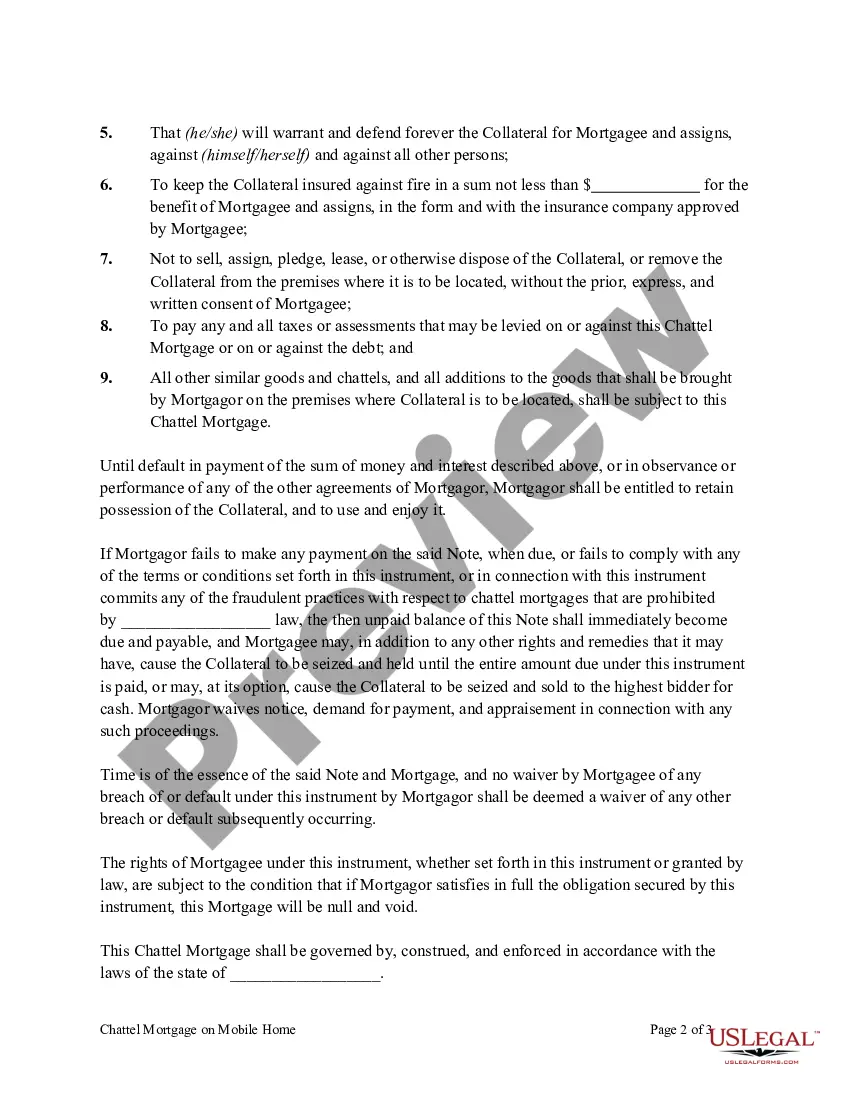
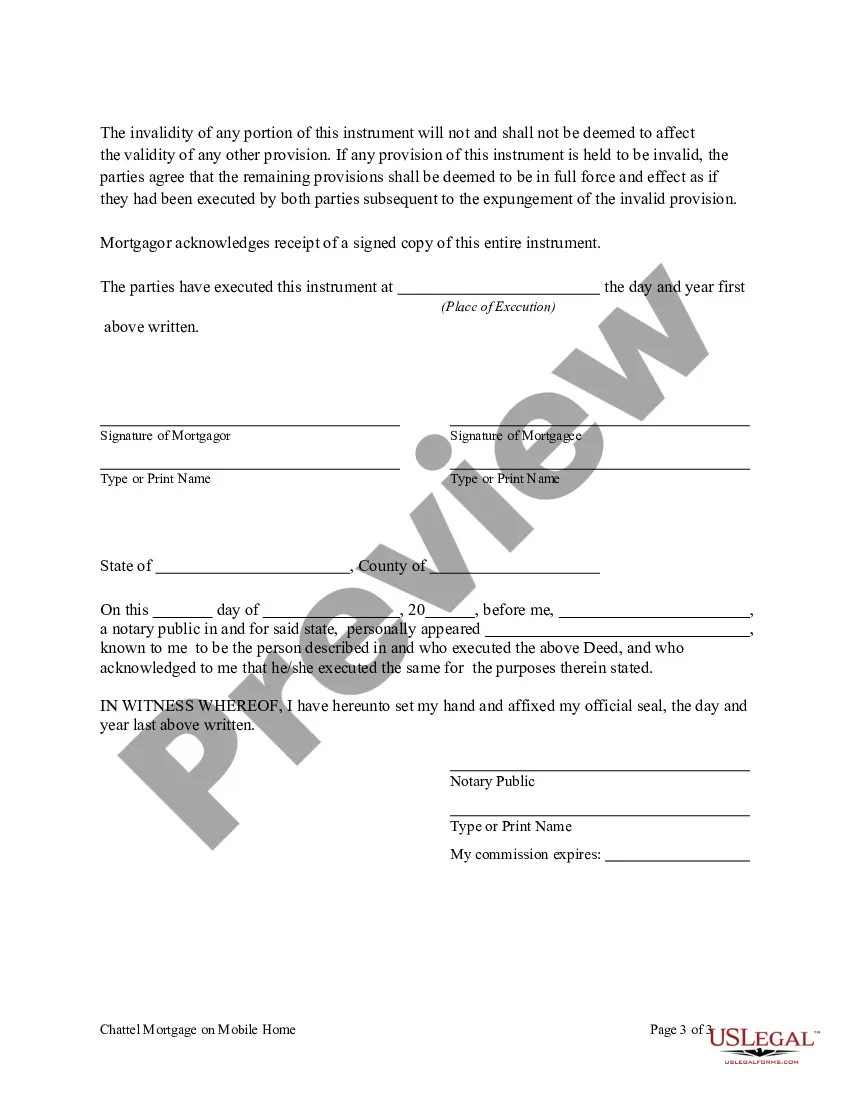
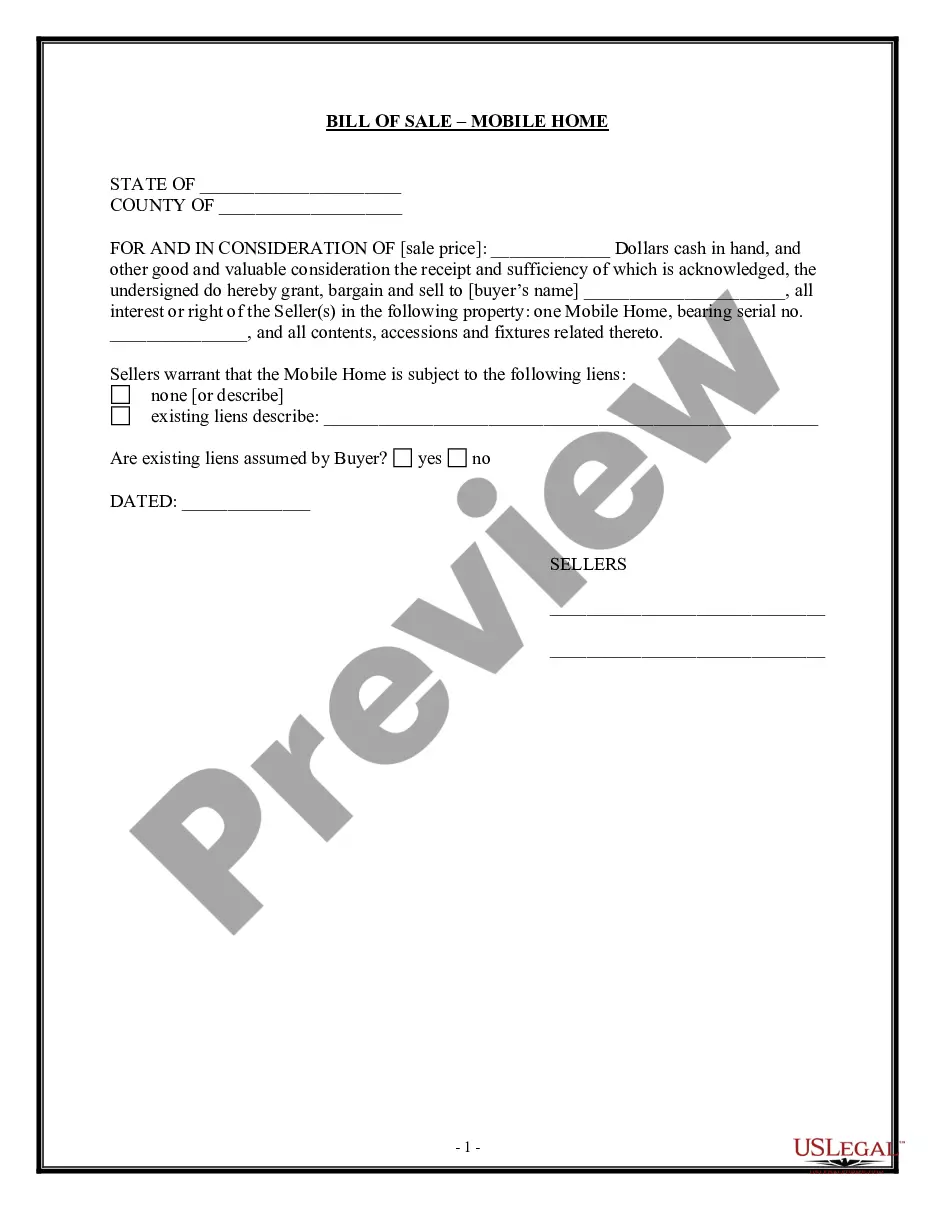
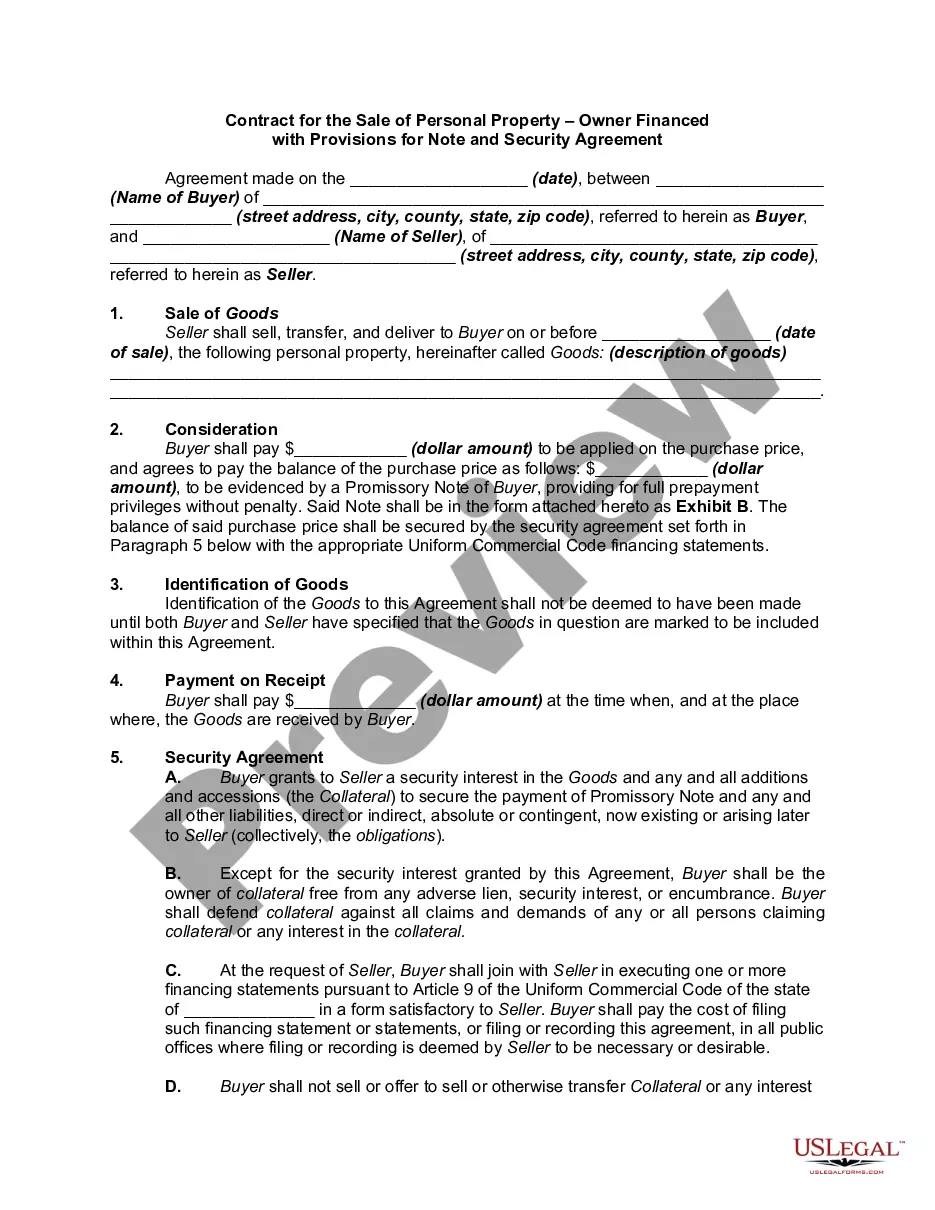
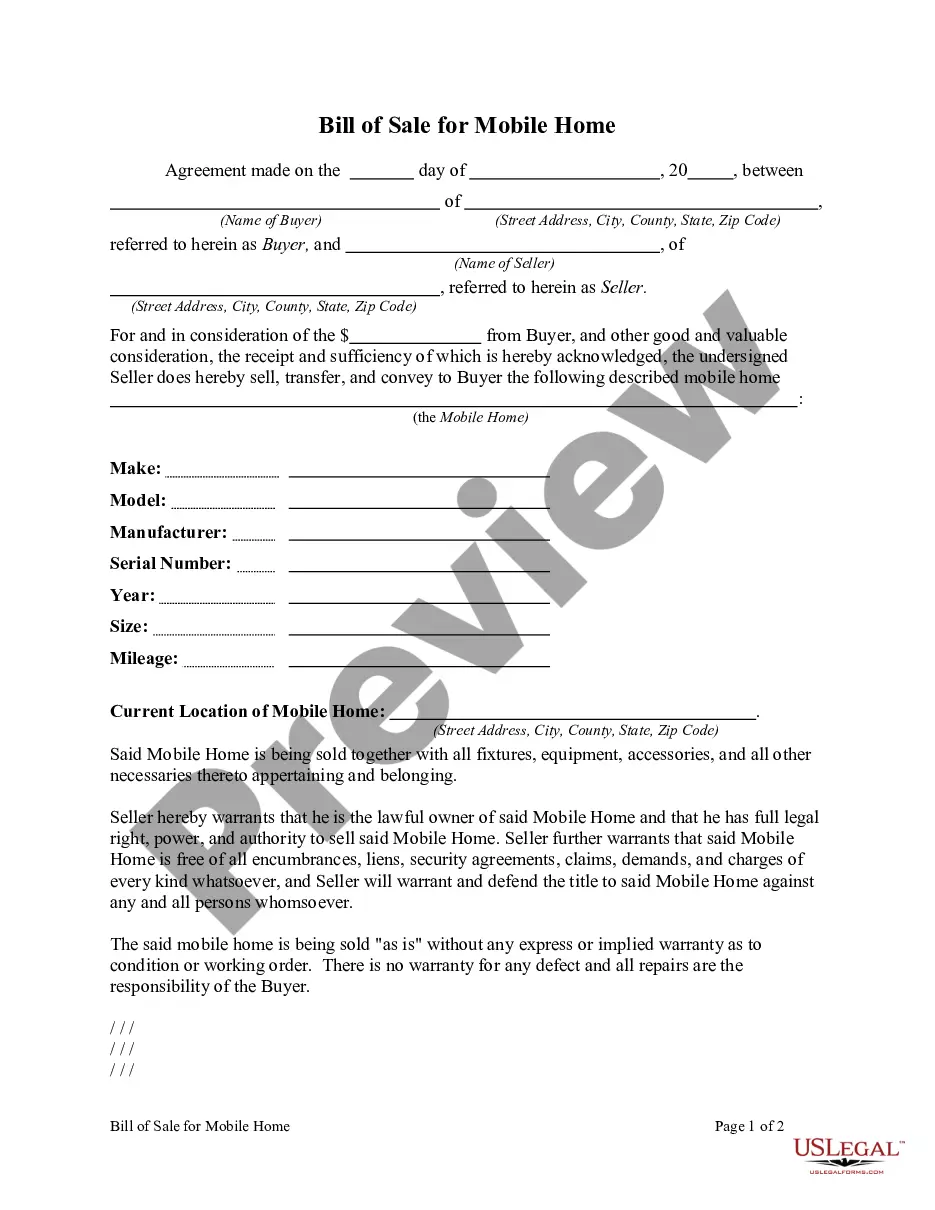
Get your form ready online
Our built-in tools help you complete, sign, share, and store your documents in one place.
Make edits, fill in missing information, and update formatting in US Legal Forms—just like you would in MS Word.
Download a copy, print it, send it by email, or mail it via USPS—whatever works best for your next step.
Sign and collect signatures with our SignNow integration. Send to multiple recipients, set reminders, and more. Go Premium to unlock E-Sign.
If this form requires notarization, complete it online through a secure video call—no need to meet a notary in person or wait for an appointment.
We protect your documents and personal data by following strict security and privacy standards.

Make edits, fill in missing information, and update formatting in US Legal Forms—just like you would in MS Word.

Download a copy, print it, send it by email, or mail it via USPS—whatever works best for your next step.

Sign and collect signatures with our SignNow integration. Send to multiple recipients, set reminders, and more. Go Premium to unlock E-Sign.

If this form requires notarization, complete it online through a secure video call—no need to meet a notary in person or wait for an appointment.

We protect your documents and personal data by following strict security and privacy standards.
Looking for another form?







Form popularity
FAQ
The se- curity or lease interest is embodied in a writing which evidences the debt. This writing constitutes the "chattel paper," which may consist of a conditional sales contract, a chattel mortgage, a security agreement or a chattel lease,2 with or without an accompanying negotiable instru- ment.
The traditional mortgage is only for stationary property. It's suited for long-term real estate investments. Chattel loans are for property that can be easily moved. They're also an option for borrowers who want their loans approved faster and with shorter repayment times.
Nevada deeds must meet the following content requirements: Title. Names of Parties. Conveyance Language. Description of Property. Assessor's Parcel Number. Mailing Addresses; Tax Statements. Redaction of Personal Information.
The law requires any transferee acquiring an interest in real property or manufactured home subject to local property taxation, and that is assessed by the county assessor, to file a change in ownership statement with the county recorder or assessor.
The law requires any transferee acquiring an interest in real property or manufactured home subject to local property taxation, and that is assessed by the county assessor, to file a change in ownership statement with the county recorder or assessor.
Typically, you would need to record a new conveyance document in the Washoe County Recorder's Office to change how title is held on your property. You can obtain document forms from your title company, local office supply stores, or an attorney.
How To Transfer a Deed? Contact a lawyer to help advise and oversee the process. Conduct a title search on the property to ascertain its ownership history and validity of the title. Draft the deed to provide the appropriate details on the property, the grantor, and the grantee. The grantor should then sign the document.
How to File a Quitclaim Deed in Nevada Step 1 - Procure the Property Deed. Step 2 - Locate the Property's Legal Description. Step 3 - Fill Out the Quitclaim Deed Form. Step 4 - Sign the Quitclaim Deed Before a Notary. Step 5 - Complete the Declaration of Value Form. Step 6: File the Deed With the County Recorder's Office.
