Chattel Form Paper Withdrawal In Minnesota
Description

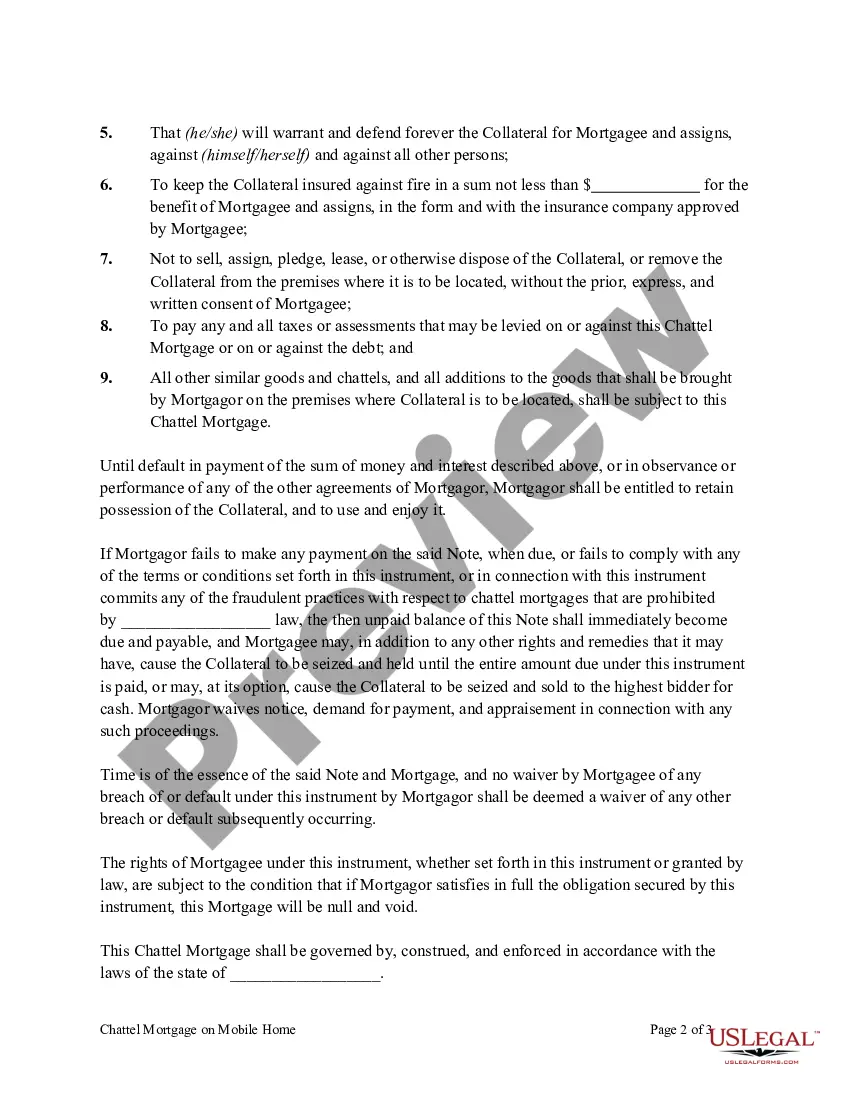
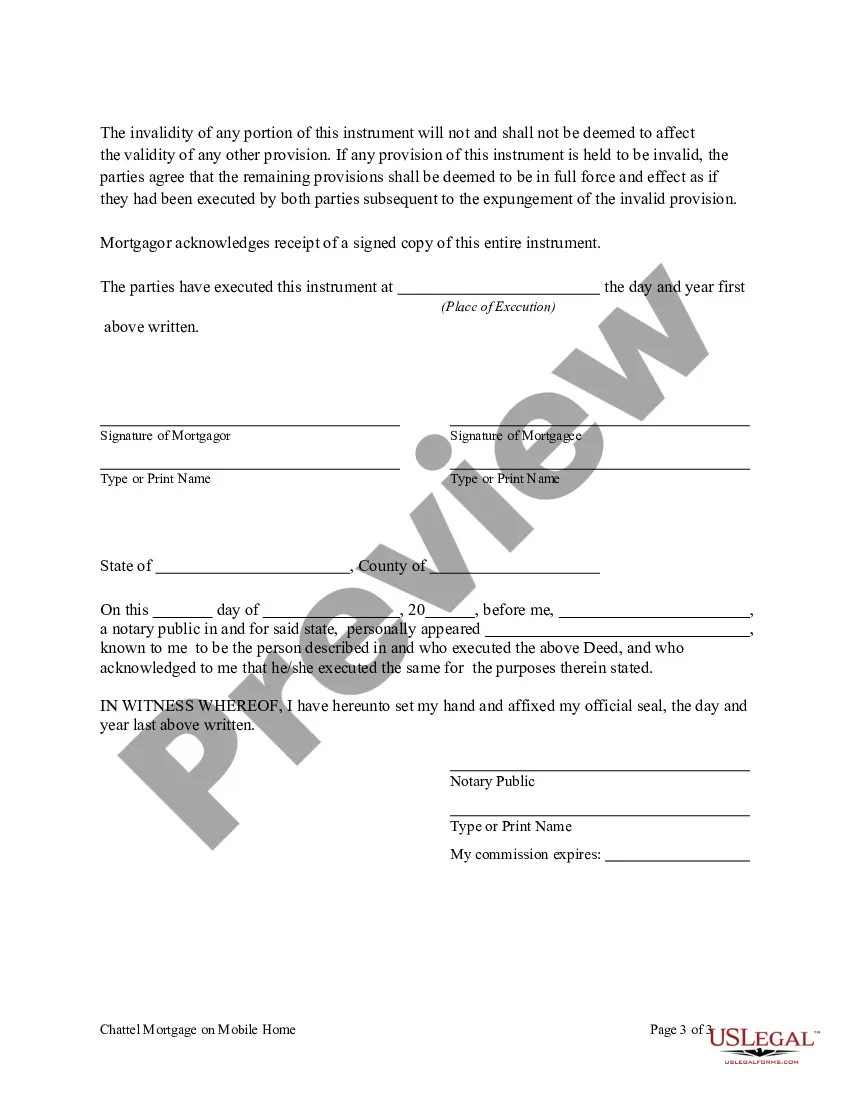
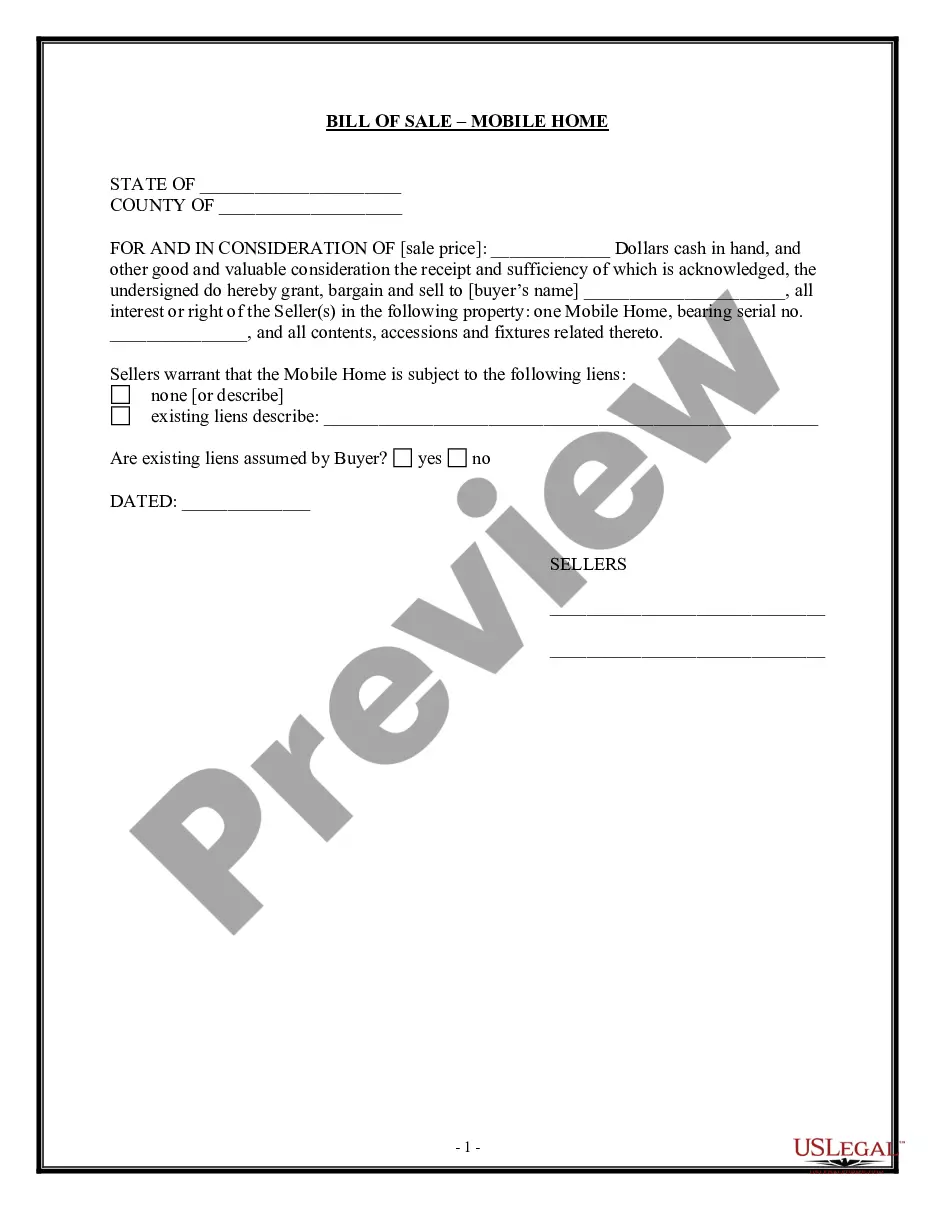
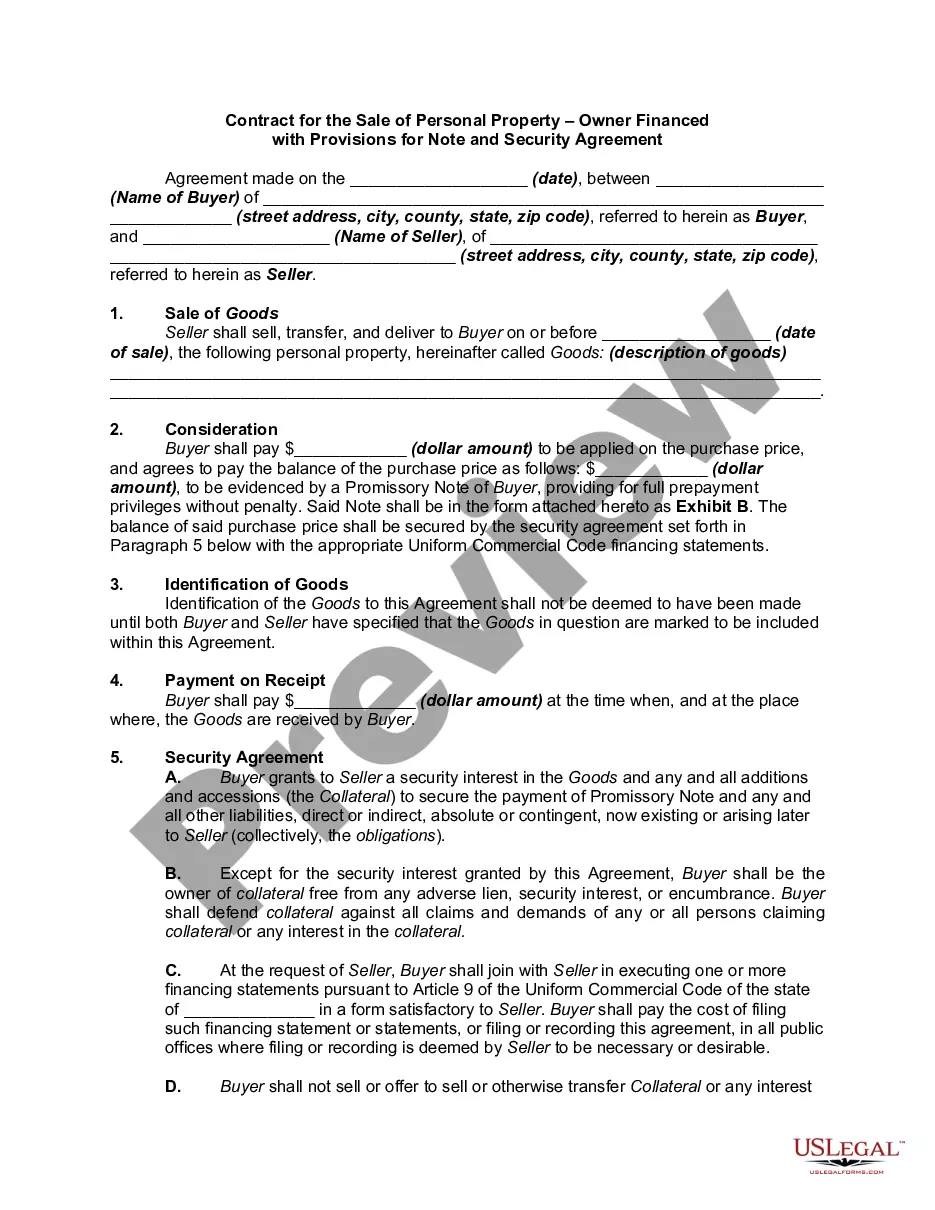
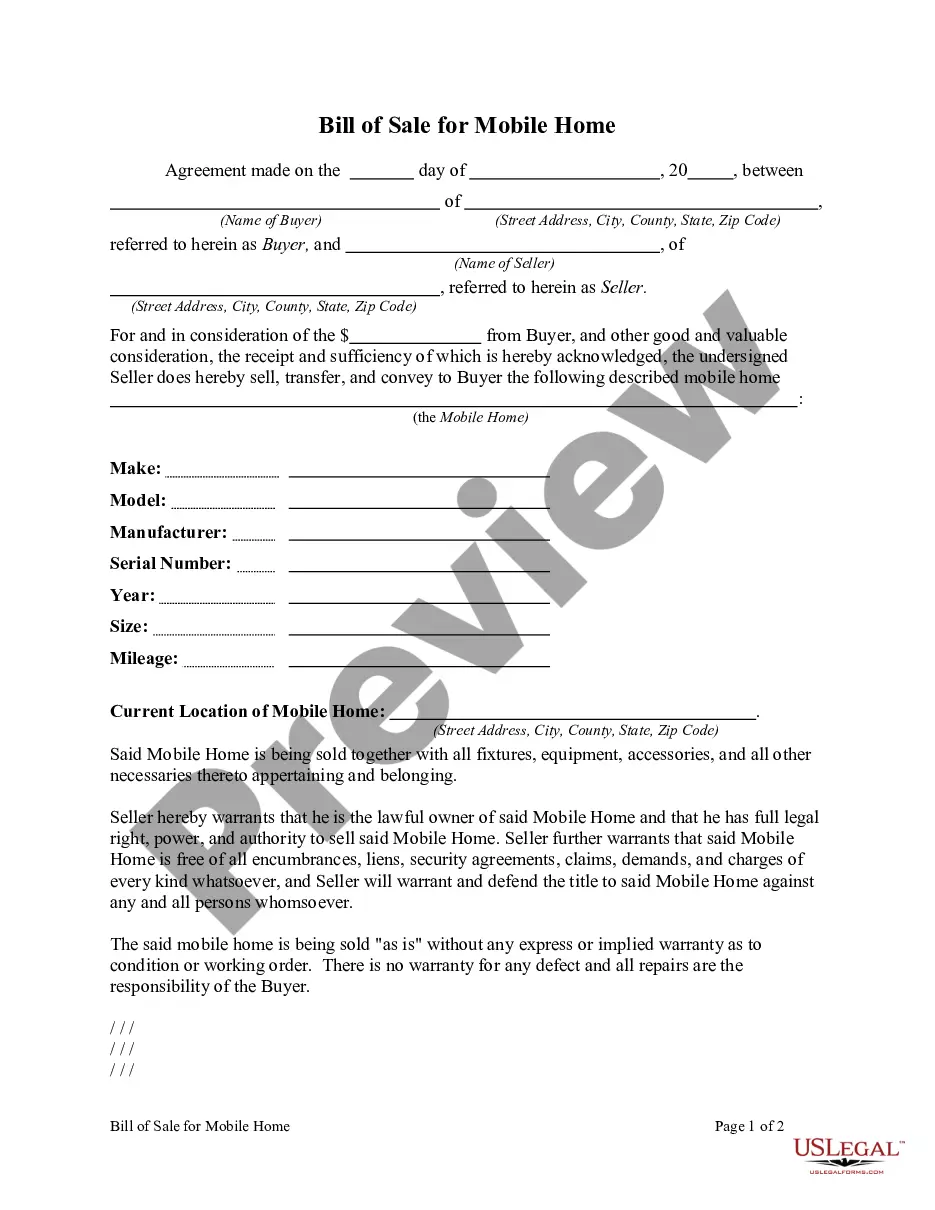
Get your form ready online
Our built-in tools help you complete, sign, share, and store your documents in one place.
Make edits, fill in missing information, and update formatting in US Legal Forms—just like you would in MS Word.
Download a copy, print it, send it by email, or mail it via USPS—whatever works best for your next step.
Sign and collect signatures with our SignNow integration. Send to multiple recipients, set reminders, and more. Go Premium to unlock E-Sign.
If this form requires notarization, complete it online through a secure video call—no need to meet a notary in person or wait for an appointment.
We protect your documents and personal data by following strict security and privacy standards.

Make edits, fill in missing information, and update formatting in US Legal Forms—just like you would in MS Word.

Download a copy, print it, send it by email, or mail it via USPS—whatever works best for your next step.

Sign and collect signatures with our SignNow integration. Send to multiple recipients, set reminders, and more. Go Premium to unlock E-Sign.

If this form requires notarization, complete it online through a secure video call—no need to meet a notary in person or wait for an appointment.

We protect your documents and personal data by following strict security and privacy standards.
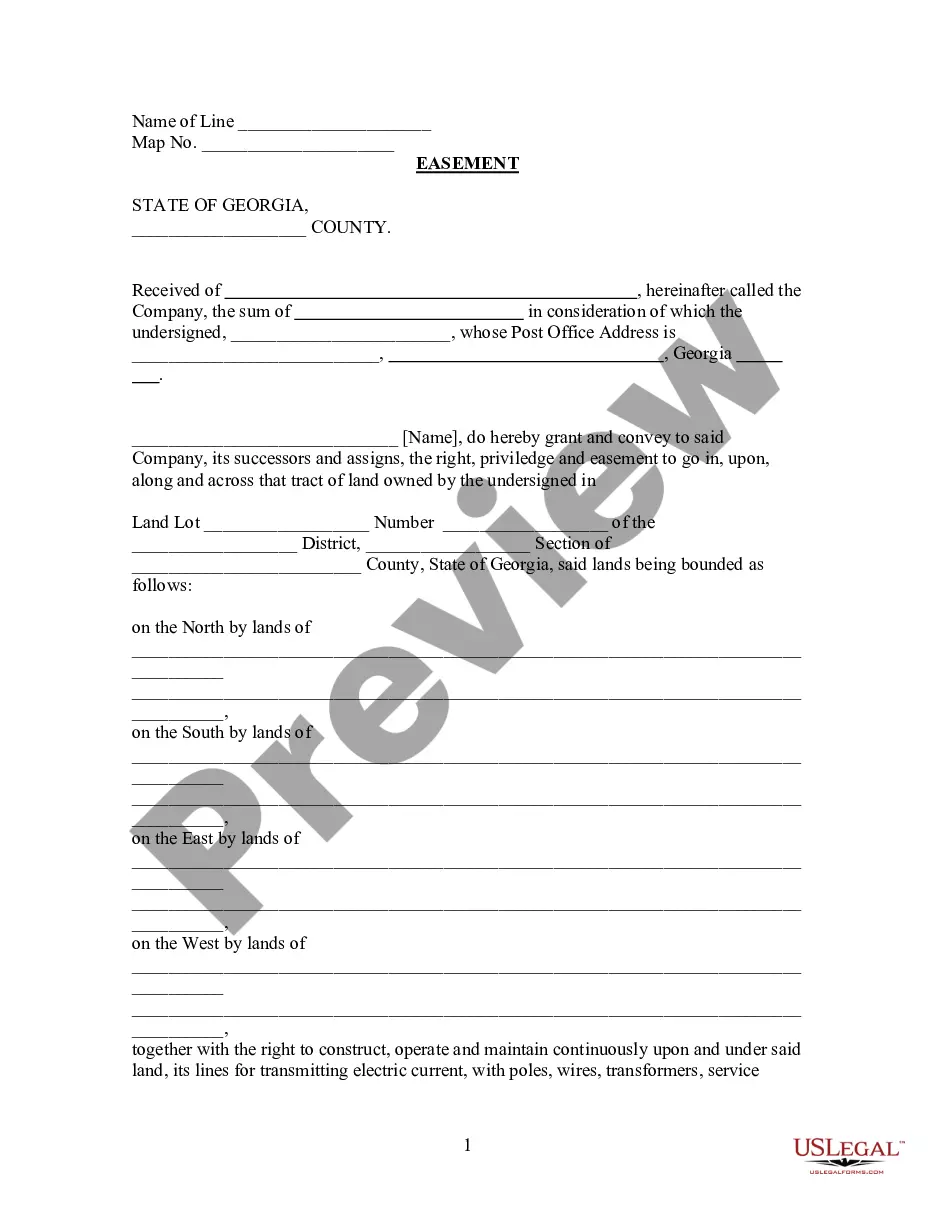
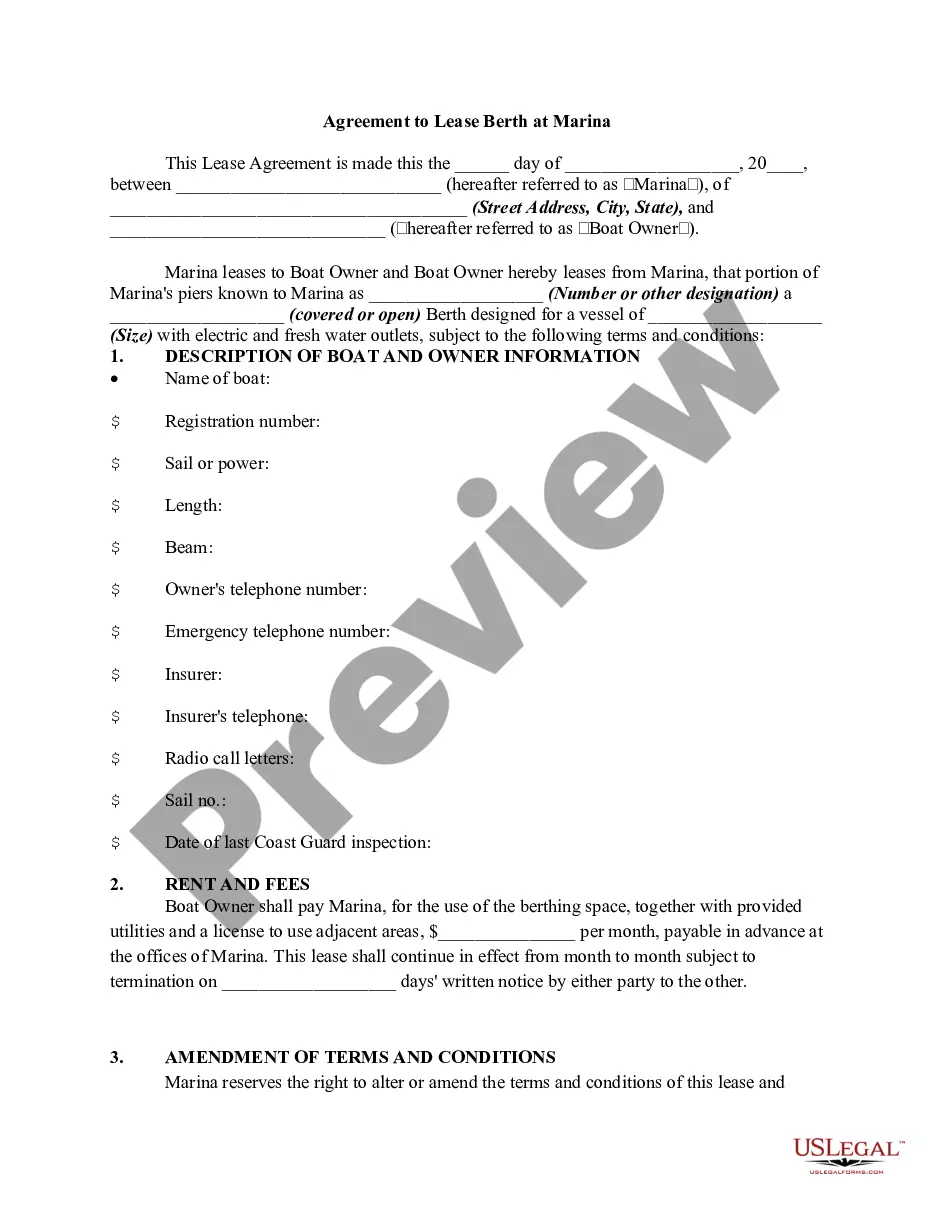
Looking for another form?








Form popularity
FAQ
Certificates of Representation. In any criminal case, a lawyer representing a client, other than a public defender, shall file with the court administrator on the first appearance a "certificate of representation," in such form and substance as a majority of judges in the district specifies.
After a lawyer has appeared for a party in any action, withdrawal will be effective only if written notice of withdrawal is served on all parties who have appeared, or their lawyers if represented by counsel, and is filed with the court administrator if any other document in the action has been filed.
Currently, the monetary jurisdictional limit is $15,000 ($4,000 if the claim involves a consumer credit transaction). You cannot file a claim involving title to real estate, slander, class actions, or medical malpractice in Conciliation Court.
A losing party pays attorney fees only if the winner is specifically given the right to recover legal fees in a contract between the parties or through a state or federal law. Learn about preparing a defense in Disputing a Small Claims Court Case: Fight Back.
No. Court procedures are simplified to allow you to represent yourself. You may have an attorney only if the judge lets you. Also, the judge can decide how the attorney participates.
