Chattel Form Paper With Axis In Minnesota
Description

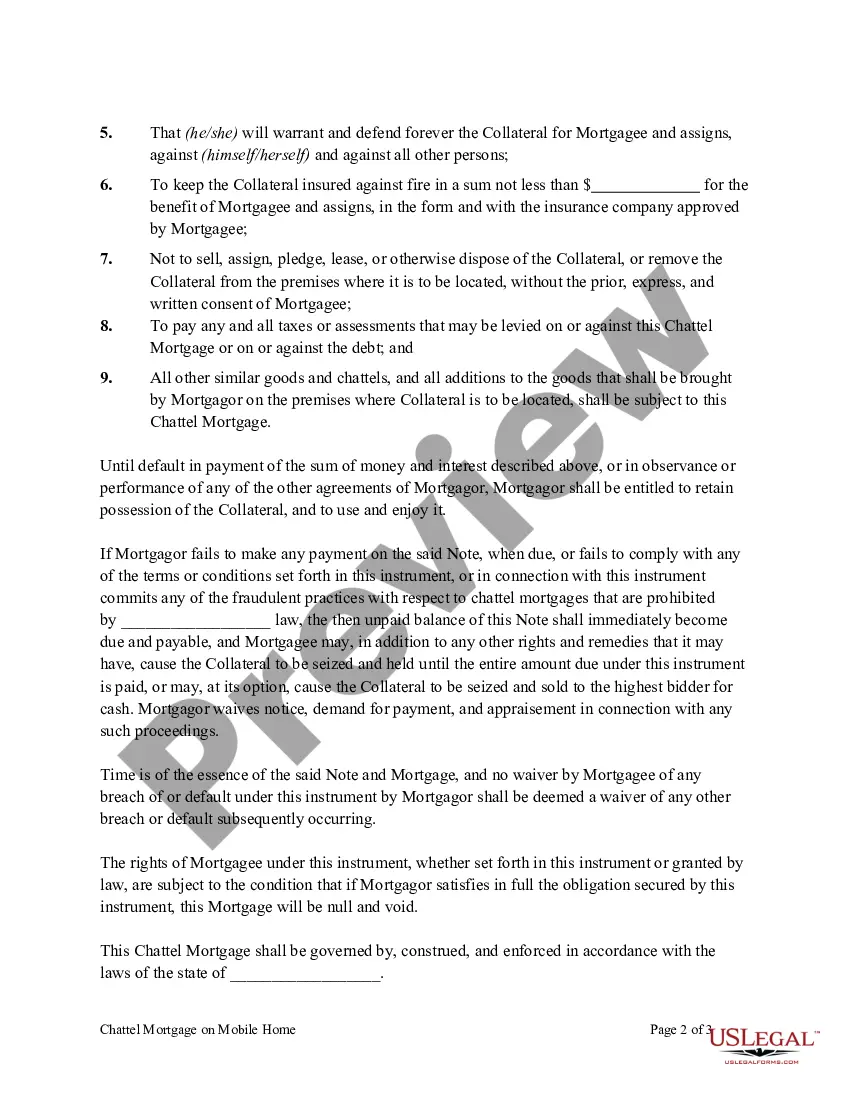
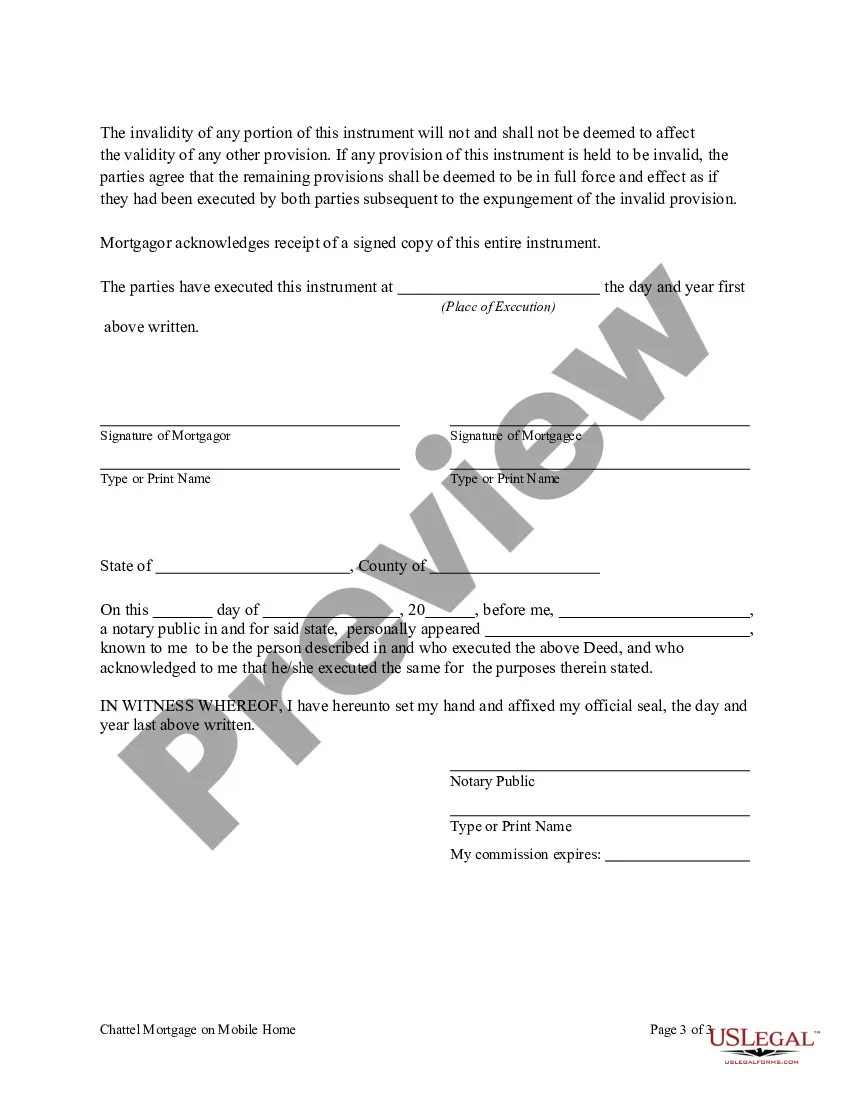
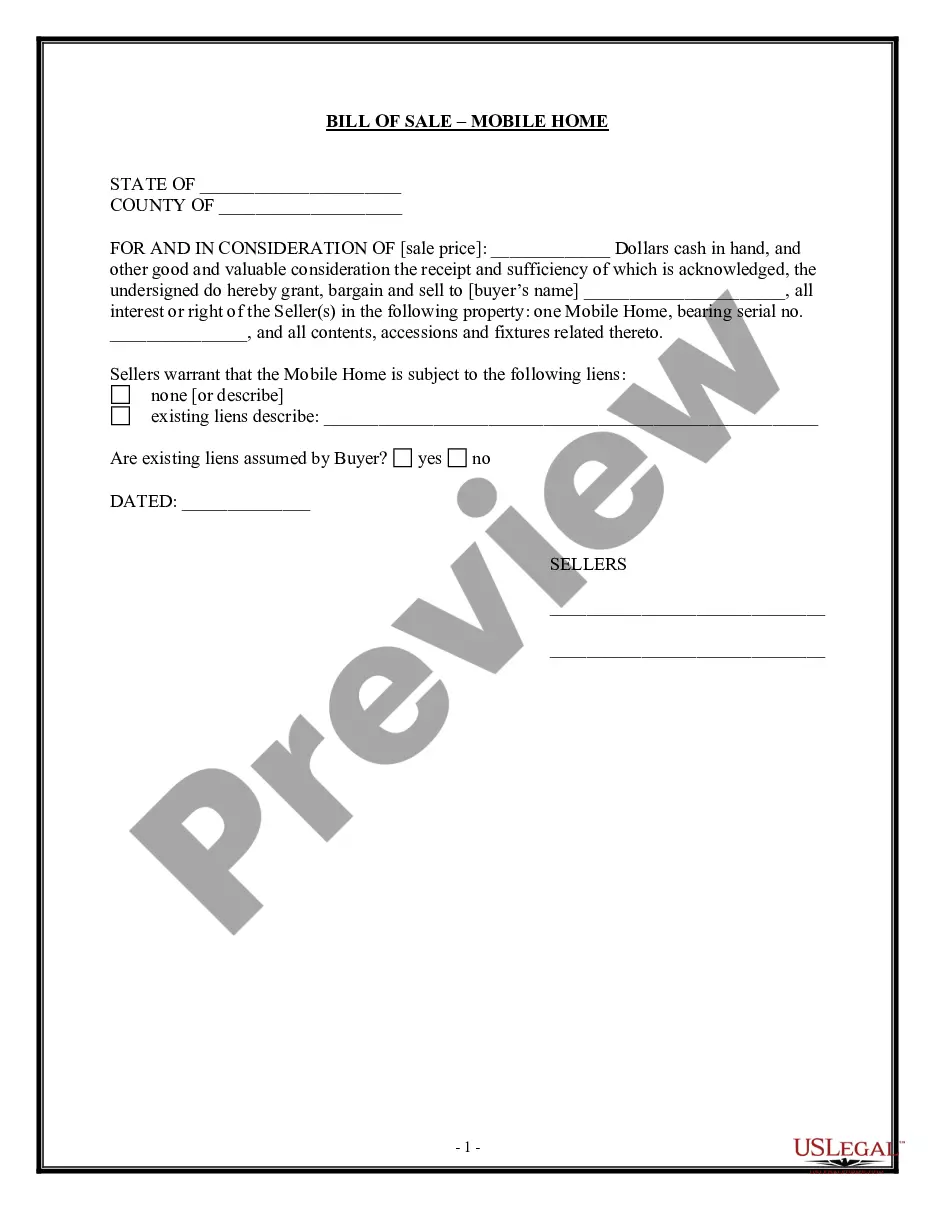
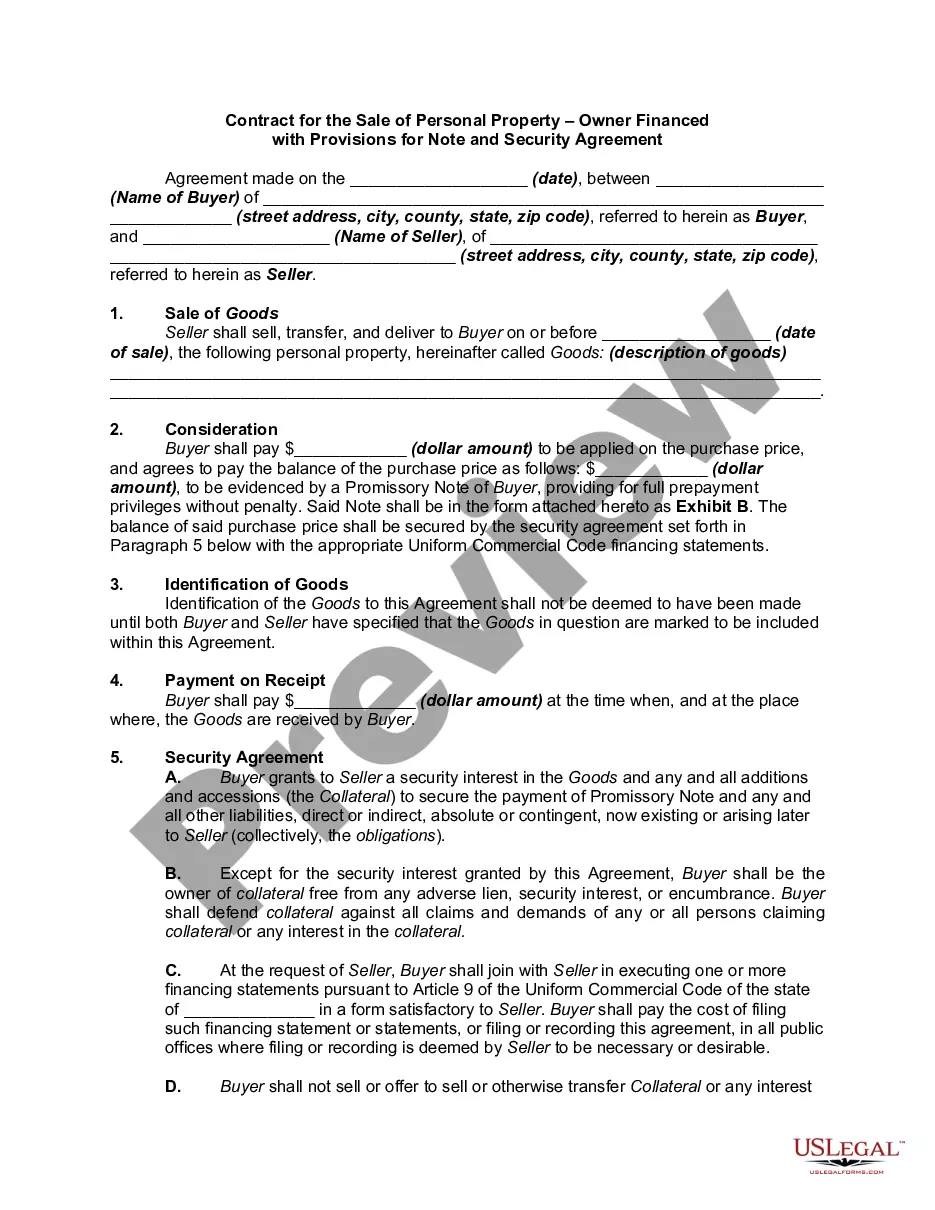
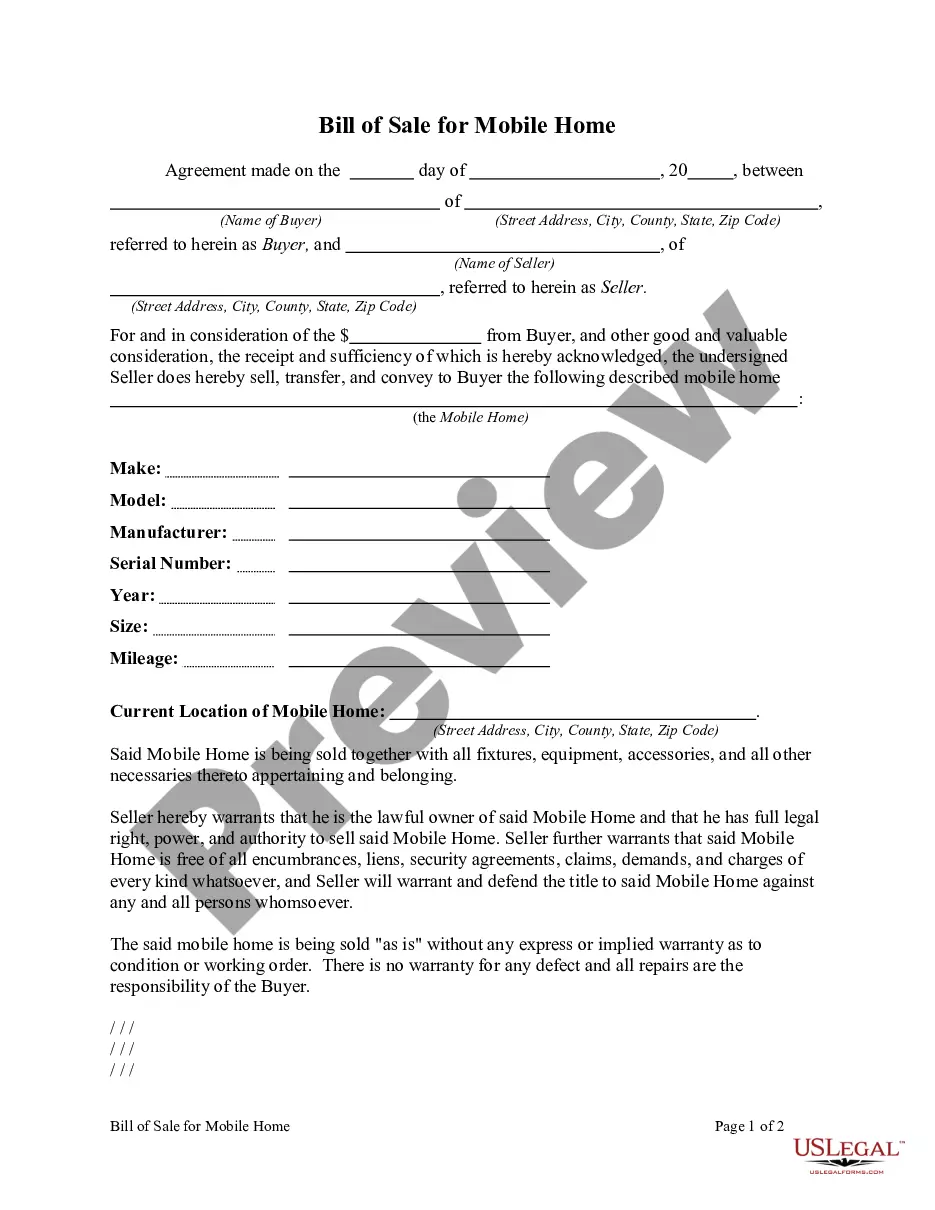
Get your form ready online
Our built-in tools help you complete, sign, share, and store your documents in one place.
Make edits, fill in missing information, and update formatting in US Legal Forms—just like you would in MS Word.
Download a copy, print it, send it by email, or mail it via USPS—whatever works best for your next step.
Sign and collect signatures with our SignNow integration. Send to multiple recipients, set reminders, and more. Go Premium to unlock E-Sign.
If this form requires notarization, complete it online through a secure video call—no need to meet a notary in person or wait for an appointment.
We protect your documents and personal data by following strict security and privacy standards.

Make edits, fill in missing information, and update formatting in US Legal Forms—just like you would in MS Word.

Download a copy, print it, send it by email, or mail it via USPS—whatever works best for your next step.

Sign and collect signatures with our SignNow integration. Send to multiple recipients, set reminders, and more. Go Premium to unlock E-Sign.

If this form requires notarization, complete it online through a secure video call—no need to meet a notary in person or wait for an appointment.

We protect your documents and personal data by following strict security and privacy standards.
Looking for another form?










Form popularity
FAQ
Rule 404. Notice in Formal Proceedings Where mailed notice is required, proof of mailing the notice of hearing shall be filed with the court administrator before any formal order will issue. Mailed notice shall be given to any interested person as defined by the code or to the person's lawyer.
No. Court procedures are simplified to allow you to represent yourself. You may have an attorney only if the judge lets you. Also, the judge can decide how the attorney participates.
Instructions for filing a. Motion. in the Minnesota Court of Appeals. Step 1: Fill out the Motion form. Step 2: Fill out the Affidavit in Support of Motion form. Step 3: Serve your Motion and Affidavit on the opposing parties. Step 4: Proof of Service. Step 5: File the Motion, Affidavit, and Certificate of Service by Mail.
The public can also access court documents from public access computer terminals at any Minnesota district (county) courthouse or at the Minnesota State Law Library. The availability of court records is governed by the Minnesota Rules of Public Access to Records of the Judicial Branch.
