Chattel Mortgage Form With Balloon In Miami-Dade
Description

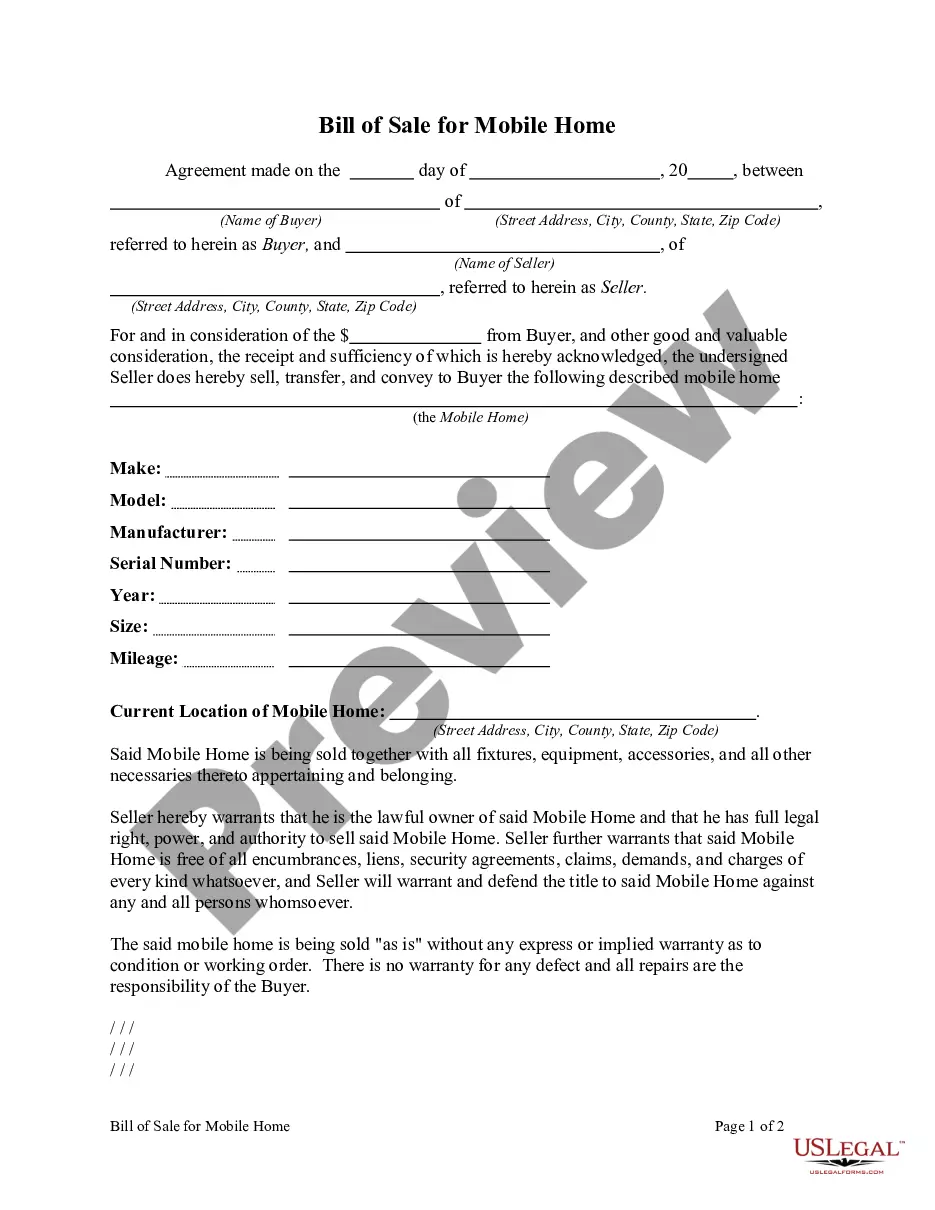
Get your form ready online
Our built-in tools help you complete, sign, share, and store your documents in one place.
Make edits, fill in missing information, and update formatting in US Legal Forms—just like you would in MS Word.
Download a copy, print it, send it by email, or mail it via USPS—whatever works best for your next step.
Sign and collect signatures with our SignNow integration. Send to multiple recipients, set reminders, and more. Go Premium to unlock E-Sign.
If this form requires notarization, complete it online through a secure video call—no need to meet a notary in person or wait for an appointment.
We protect your documents and personal data by following strict security and privacy standards.

Make edits, fill in missing information, and update formatting in US Legal Forms—just like you would in MS Word.

Download a copy, print it, send it by email, or mail it via USPS—whatever works best for your next step.

Sign and collect signatures with our SignNow integration. Send to multiple recipients, set reminders, and more. Go Premium to unlock E-Sign.

If this form requires notarization, complete it online through a secure video call—no need to meet a notary in person or wait for an appointment.

We protect your documents and personal data by following strict security and privacy standards.
Looking for another form?





Form popularity
FAQ
Borrowers make no payments during the initial term. While this might be compelling to potential homebuyers with tighter budgets, it poses the highest risk. At the term's end, borrowers repay the interest and principal balance in a single balloon payment. This option is rarely offered today due to its significant risk.
Such lump sum payment are called “balloon payments” in the industry and if secured with a Deed of Trust, California law imposes strict requirements on the lender who plans to receive a balloon payment on a California note and enforce lack of payment by foreclosure on the Deed of Trust.
Potential Downsides of Balloon Mortgages for Homebuyers Foreclosure can result in the loss of the home, emotional distress, and impact the borrower's credit negatively, generally for seven years. The first balloon mortgage payments primarily cover the interest rather than the principal.
Balloon mortgages are short-term loans that begin with a series of fixed payments and end with a final, lump-sum payment. That one-time payment is called a balloon payment because it's often at least twice as much as the previous ones, leaving many borrowers with a final bill for tens of thousands of dollars (or more).
However, the larger balloon payment at the end represents a substantial financial obligation that needs to be carefully planned and managed. Accounting Treatment: The balloon payment is usually recorded as a liability in the financial statements until it becomes due.
To make a request contact the Clerk's office by mail or in person at Miami-Dade County Courthouse or by email at cocoffrec@miamidade.
Section 713.08 of the Florida Statutes, provides the proper form and specific requirements to complete the claim of lien document such as: name and address of lienor, statement of labor and materials provided, description of the property, name of property owner, lien amount, proof of service and the proper warning to ...
After you have redeemed your property, you will receive a “Clerk's Certificate of Satisfaction of Final Judgment of Foreclosure” which will be recorded in the Public Records at the County Recorder's Office – 22 NW 1st Street, Miami, Florida, 33128, phone # (305) 275-1155.
Steps to file a mechanics lien in Miami-Dade County Step 1: Get The Right Form & Meet Margin Requirements. Step 2: Calculating Your Miami-Dade County Filing Fees. Step 3: Serve the Mechanics Lien. Step 4: File your lien with the Miami-Dade County Clerk.
