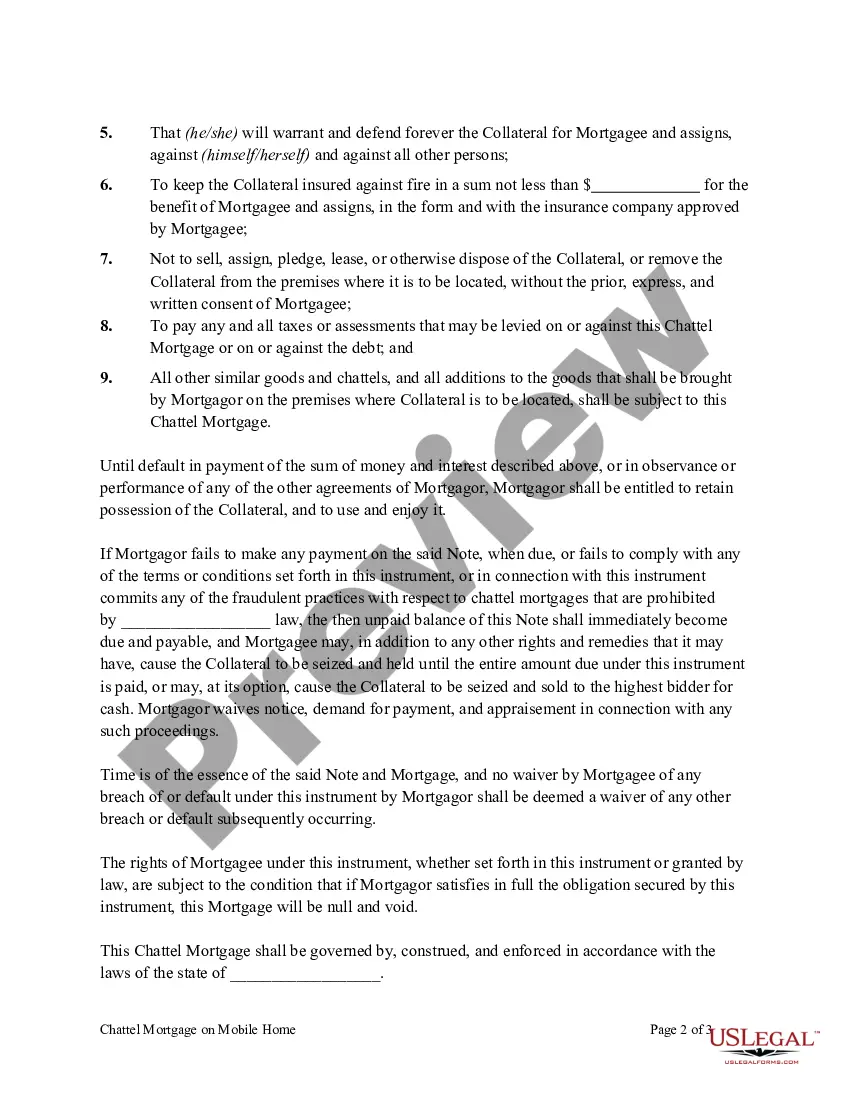
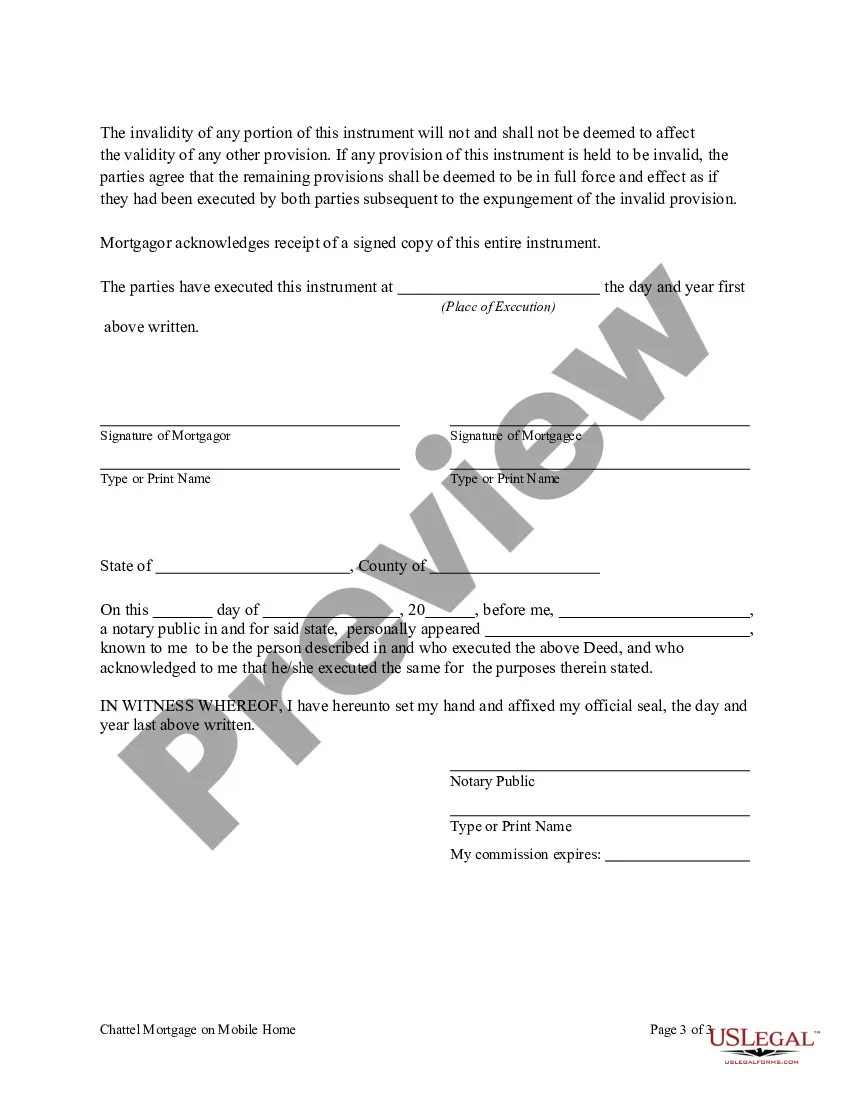
Chattel Mortgage Form Foreclosure In Massachusetts
Description

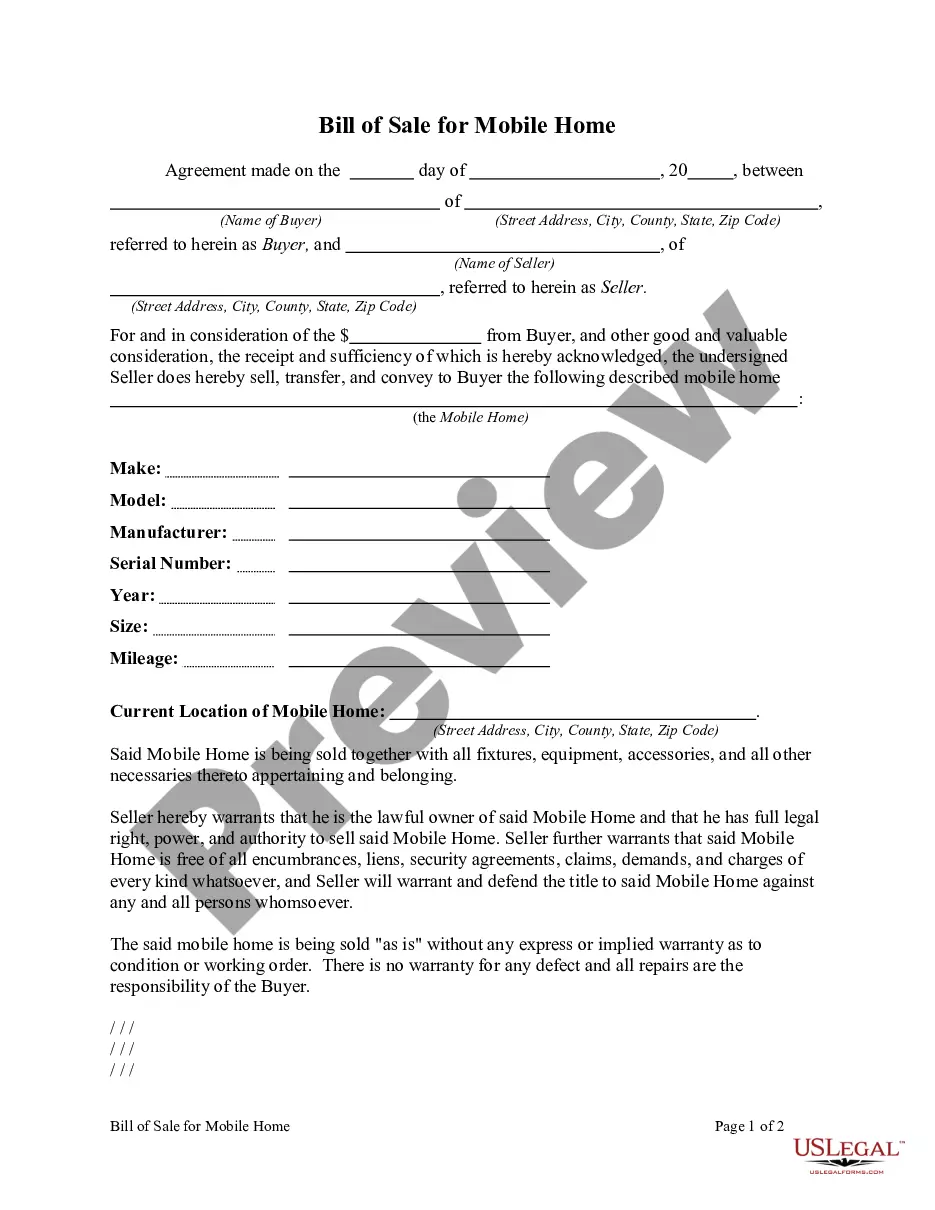
Get your form ready online
Our built-in tools help you complete, sign, share, and store your documents in one place.
Make edits, fill in missing information, and update formatting in US Legal Forms—just like you would in MS Word.
Download a copy, print it, send it by email, or mail it via USPS—whatever works best for your next step.
Sign and collect signatures with our SignNow integration. Send to multiple recipients, set reminders, and more. Go Premium to unlock E-Sign.
If this form requires notarization, complete it online through a secure video call—no need to meet a notary in person or wait for an appointment.
We protect your documents and personal data by following strict security and privacy standards.

Make edits, fill in missing information, and update formatting in US Legal Forms—just like you would in MS Word.

Download a copy, print it, send it by email, or mail it via USPS—whatever works best for your next step.

Sign and collect signatures with our SignNow integration. Send to multiple recipients, set reminders, and more. Go Premium to unlock E-Sign.

If this form requires notarization, complete it online through a secure video call—no need to meet a notary in person or wait for an appointment.

We protect your documents and personal data by following strict security and privacy standards.
Looking for another form?








Form popularity
FAQ
Lenders must first send a notice of a foreclosure to the homeowner. The notice must be sent at least 14 days prior to the foreclosure sale date. A foreclosure sale will take place at the date, time, and place specified in the foreclosure notice. The foreclosure sale will be conducted by a licensed auctioneer.
Under federal law, the servicer usually can't officially begin a foreclosure until you're more than 120 days past due on payments, subject to a couple of exceptions. (12 C.F.R. § 1024.41 (2025).)
By the fifth missed payment, foreclosure proceedings are usually underway.” In California, you may get a notice of trustee's sale, which puts your property on the auction block.
Pursuant to the new law, a lender can opt to send a 90-day notice instead of a 150-day notice if it can certify that it has engaged in a good faith effort to negotiate a commercially reasonable alternative to foreclosure.
Timelines for distressed borrowers Borrowers have the most protections if a complete application for mortgage assistance is submitted within 120 days of the first missed payment because the servicer is not allowed to start a foreclosure process during those 120 days.
No, after a foreclosure is complete the buyer has no right of redemption. However, it is important to note that in Massachusetts a lender can foreclose upon a property by getting a court order and taking possession of the property.
Does Massachusetts Law Allow for a Redemption Period After a Foreclosure? No, after a foreclosure is complete the buyer has no right of redemption. However, it is important to note that in Massachusetts a lender can foreclose upon a property by getting a court order and taking possession of the property.
Pursuant to the new law, a lender can opt to send a 90-day notice instead of a 150-day notice if it can certify that it has engaged in a good faith effort to negotiate a commercially reasonable alternative to foreclosure.
If a new owner purchases the property after foreclosure, they cannot force you out, lock you out, or shut off your utilities. The new owner must file an eviction case in court and get a court order for eviction. You will have a chance to tell a judge why you should not be evicted.
