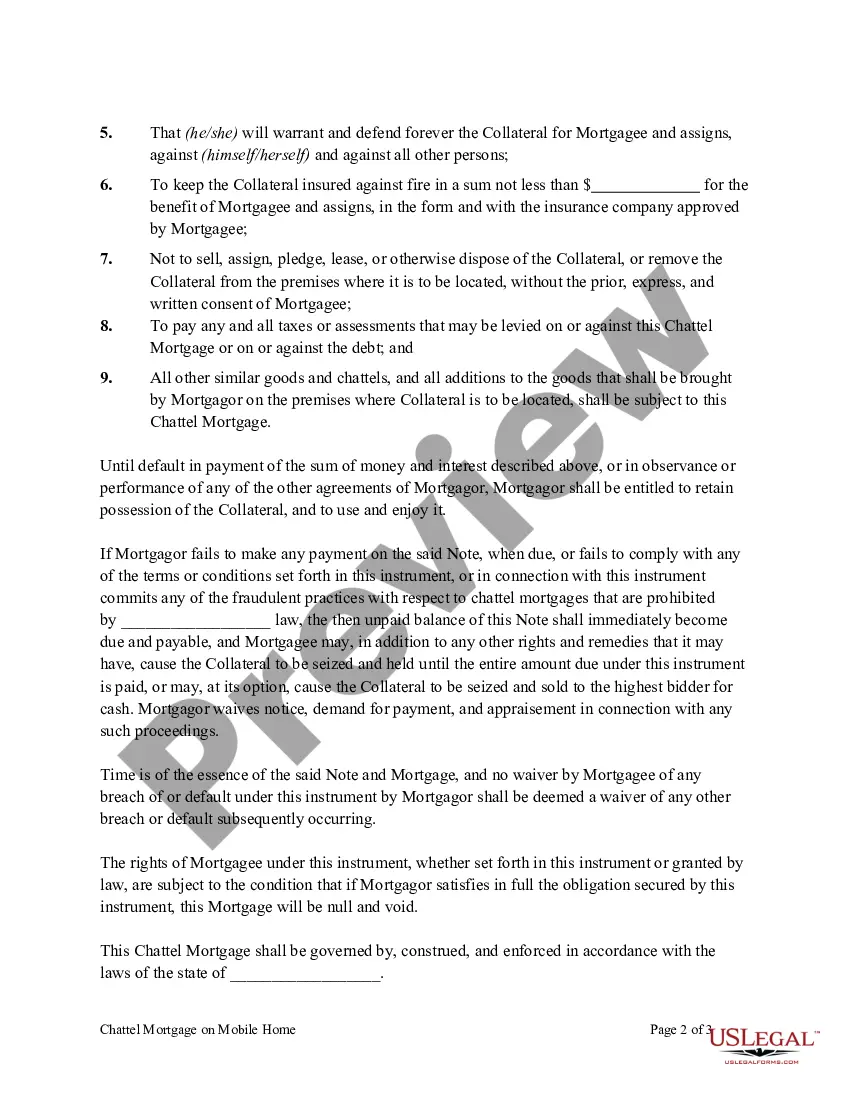
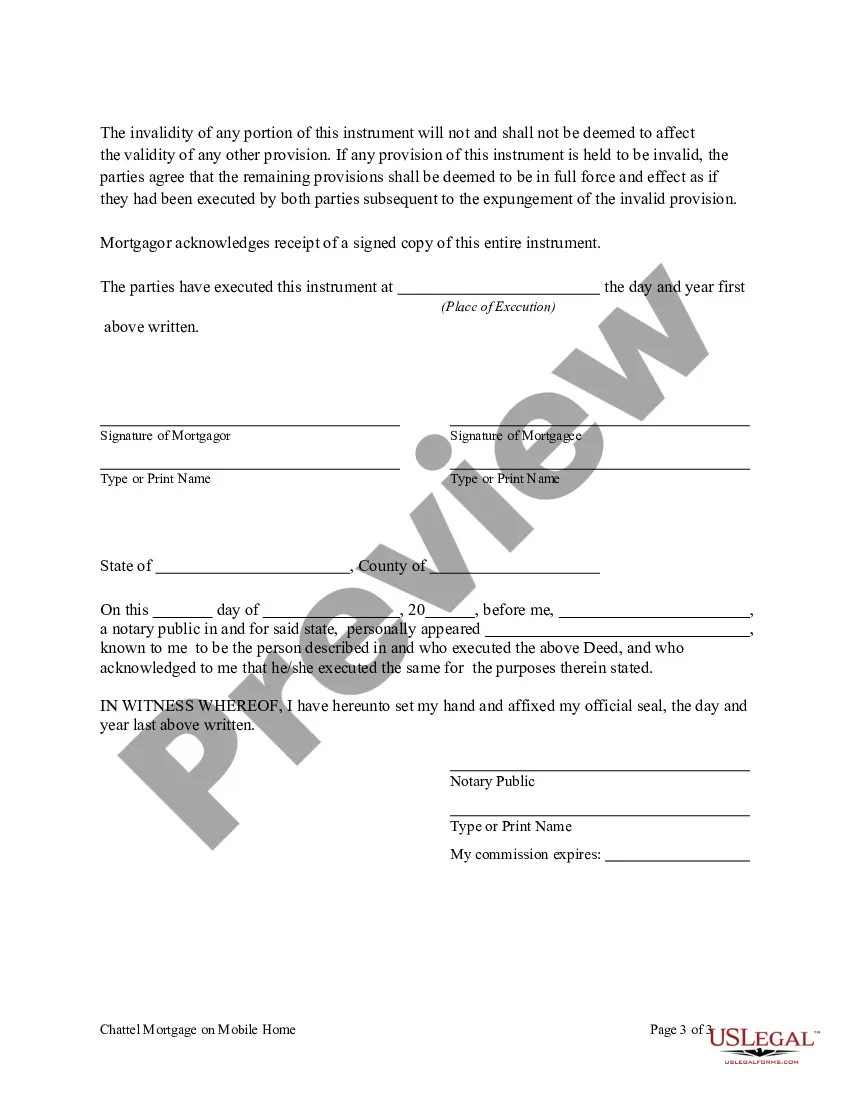
Chattel Mortgage Form Foreclosure In Maricopa
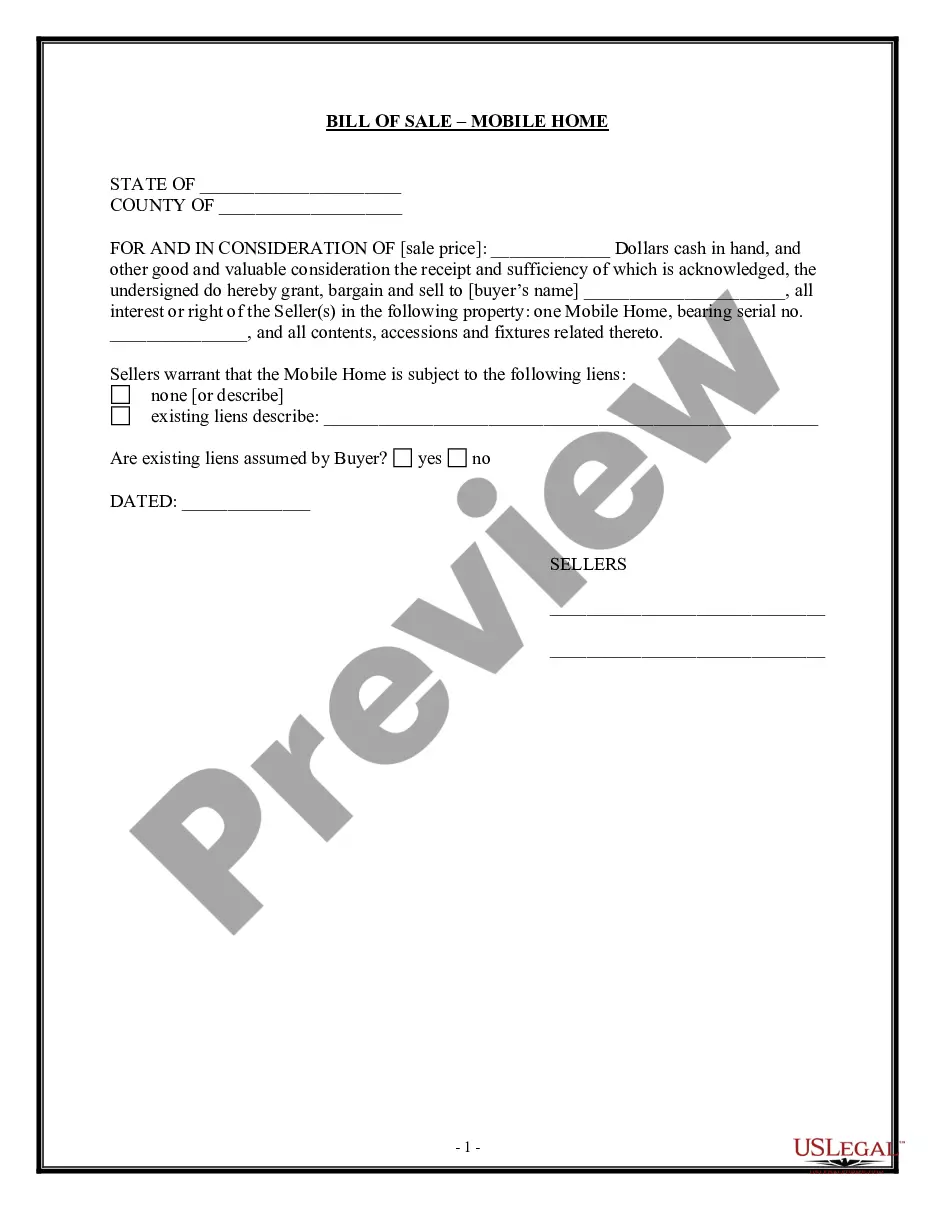
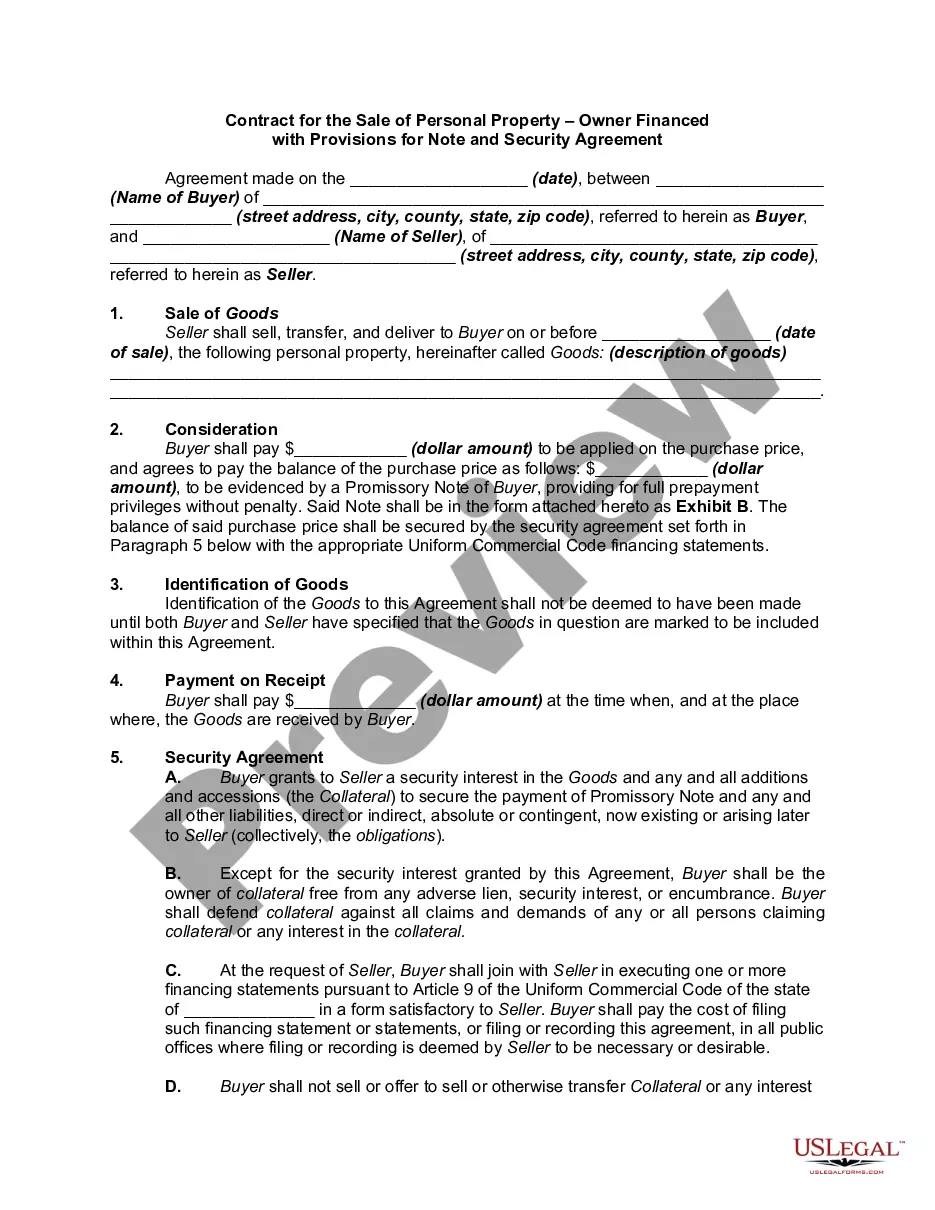
Description

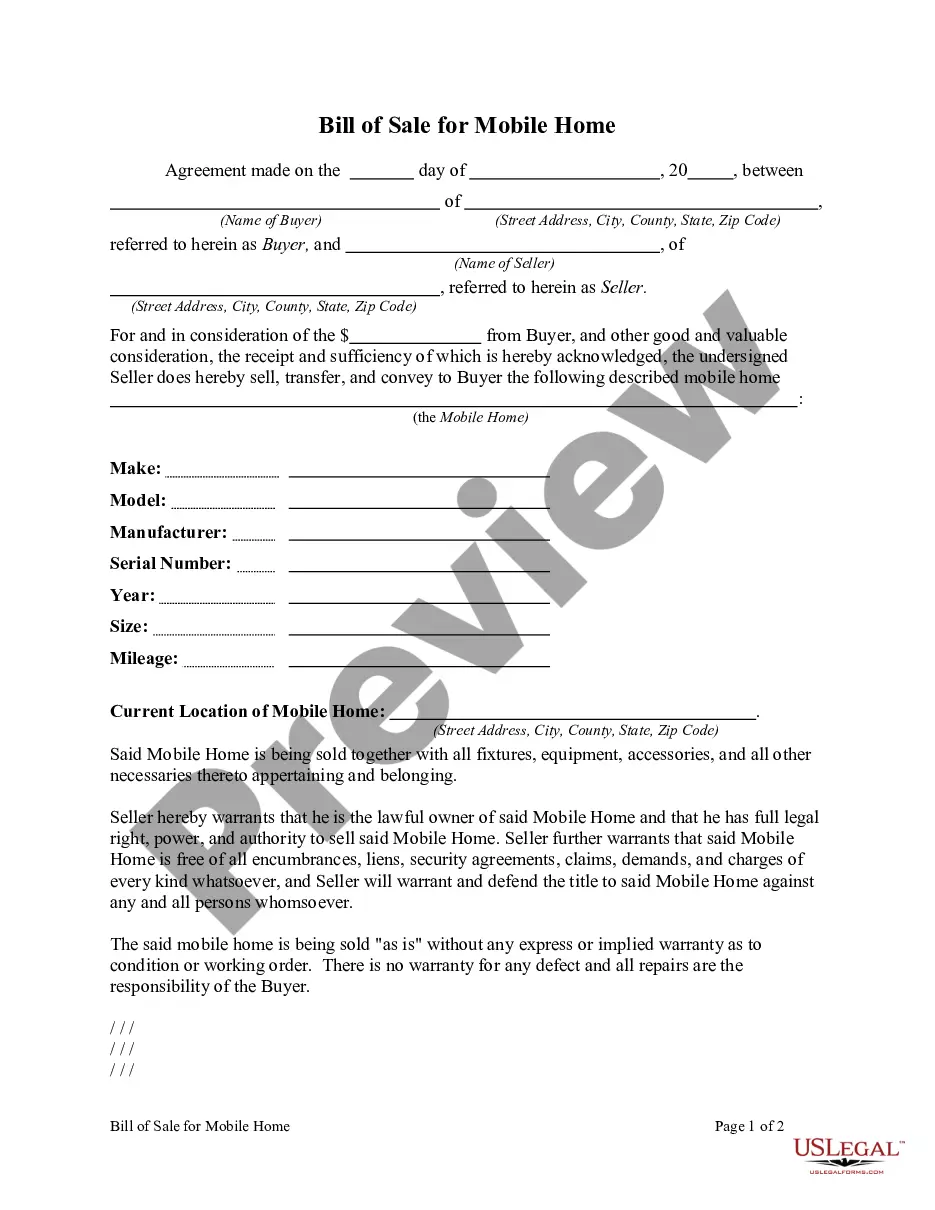
Get your form ready online
Our built-in tools help you complete, sign, share, and store your documents in one place.
Make edits, fill in missing information, and update formatting in US Legal Forms—just like you would in MS Word.
Download a copy, print it, send it by email, or mail it via USPS—whatever works best for your next step.
Sign and collect signatures with our SignNow integration. Send to multiple recipients, set reminders, and more. Go Premium to unlock E-Sign.
If this form requires notarization, complete it online through a secure video call—no need to meet a notary in person or wait for an appointment.
We protect your documents and personal data by following strict security and privacy standards.

Make edits, fill in missing information, and update formatting in US Legal Forms—just like you would in MS Word.

Download a copy, print it, send it by email, or mail it via USPS—whatever works best for your next step.

Sign and collect signatures with our SignNow integration. Send to multiple recipients, set reminders, and more. Go Premium to unlock E-Sign.

If this form requires notarization, complete it online through a secure video call—no need to meet a notary in person or wait for an appointment.

We protect your documents and personal data by following strict security and privacy standards.
Looking for another form?





Form popularity
FAQ
Foreclosure Laws in Arizona A notice of sale must be published in a newspaper located in the county where the property is located. The notice must be placed on the property 20 days before the sale date and it must be recorded in the recorder's office in the county where the property is located.
The traditional mortgage is only for stationary property. It's suited for long-term real estate investments. Chattel loans are for property that can be easily moved. They're also an option for borrowers who want their loans approved faster and with shorter repayment times.
Federal law states that a bank may initiate foreclosure after 120 days of missed payments.
Answer: Renters are permitted to stay for the duration of the lease providing that the following requirements are met: There is a valid lease (not the end of the lease term), The lease was signed before receiving notice of foreclosure (whether judicial foreclosure or trustee sale), and The new owner does not intend to ...
Arizona lenders typically need between 90 and 120 days to foreclose on a property in a non judicial foreclosure process that is uncontested by the borrower.
How do I get a copy of my deed? Documents recorded with the Maricopa County Recorder's Office are available and searchable through the Maricopa County Recorded Document Search. To locate a copy of your deed, search using your last name and first name.
Loss in Ownership, Title, and Equity: The most obvious drawback of a deed in lieu is the loss of ownership, title, and equity in the property. A borrower will also lose any improvements that were done on the property, rental income, and other profits related to the property.
If the borrower's outstanding debt exceeds the property's current market value, the lender may refuse to proceed with a deed in lieu of foreclosure.
