Joint Tenants Force Sale In Ohio
Description

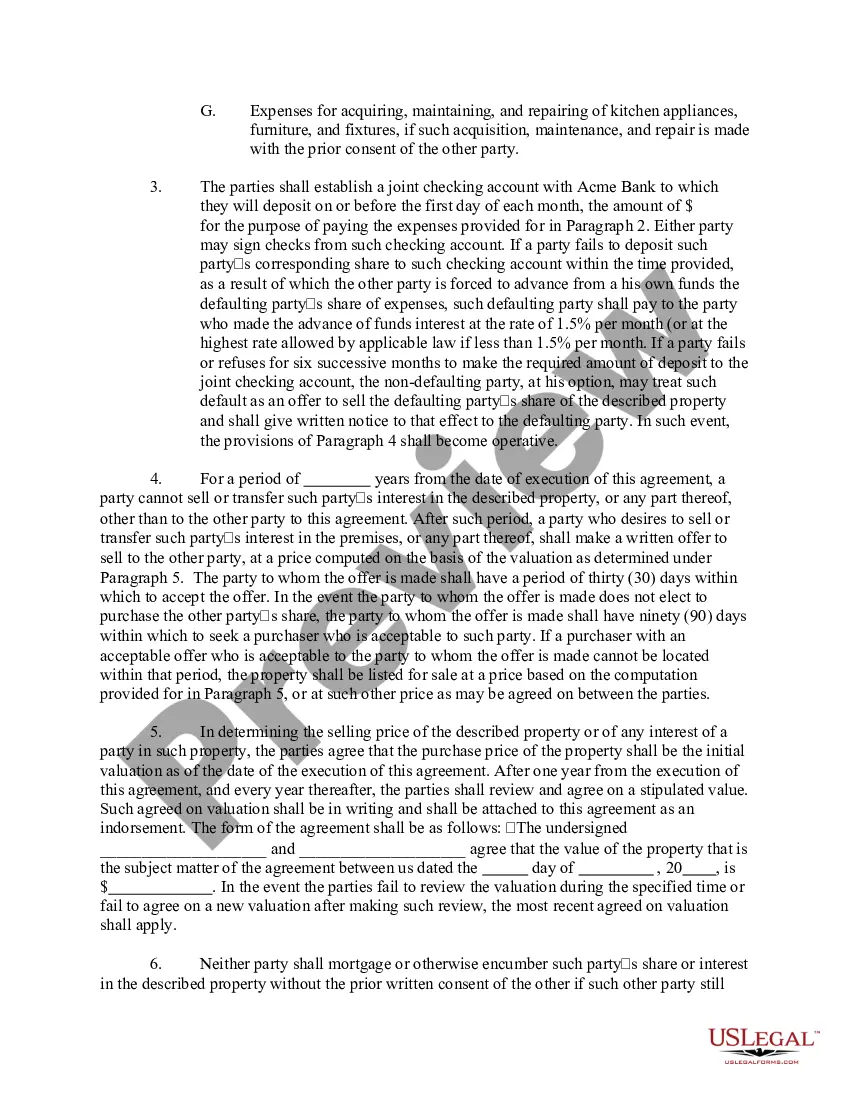
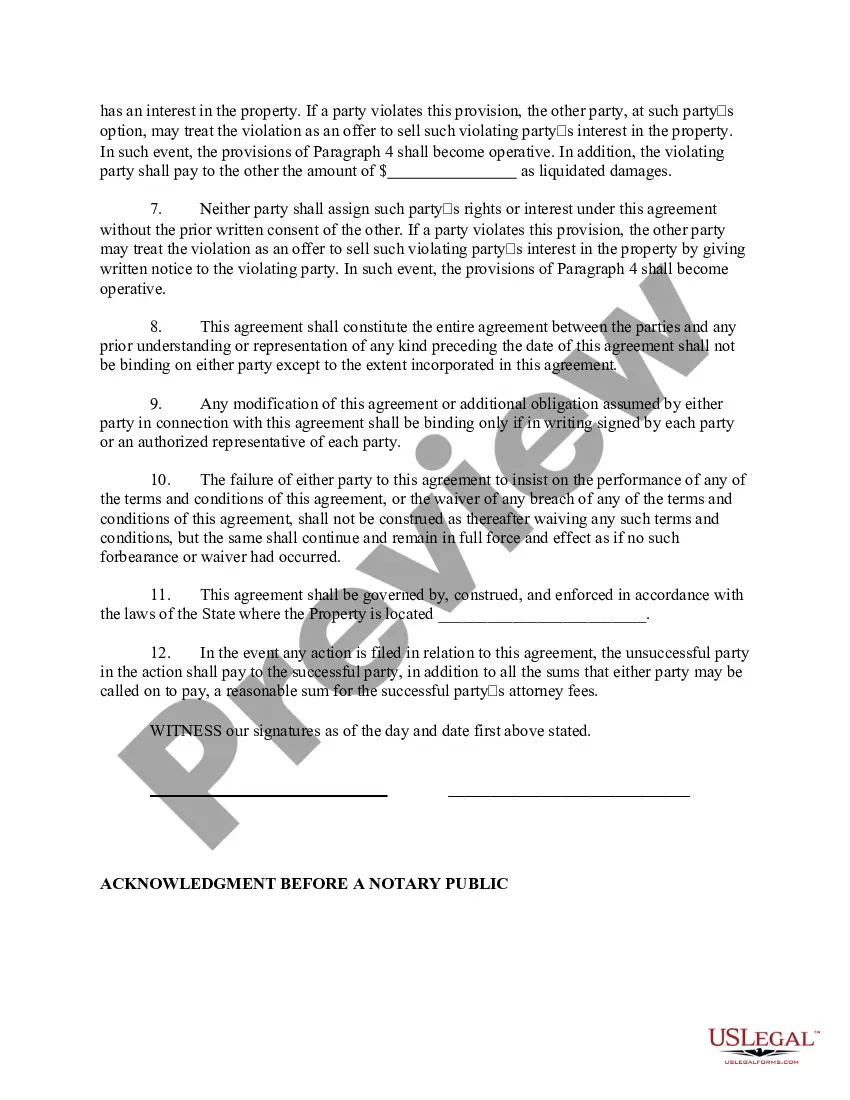
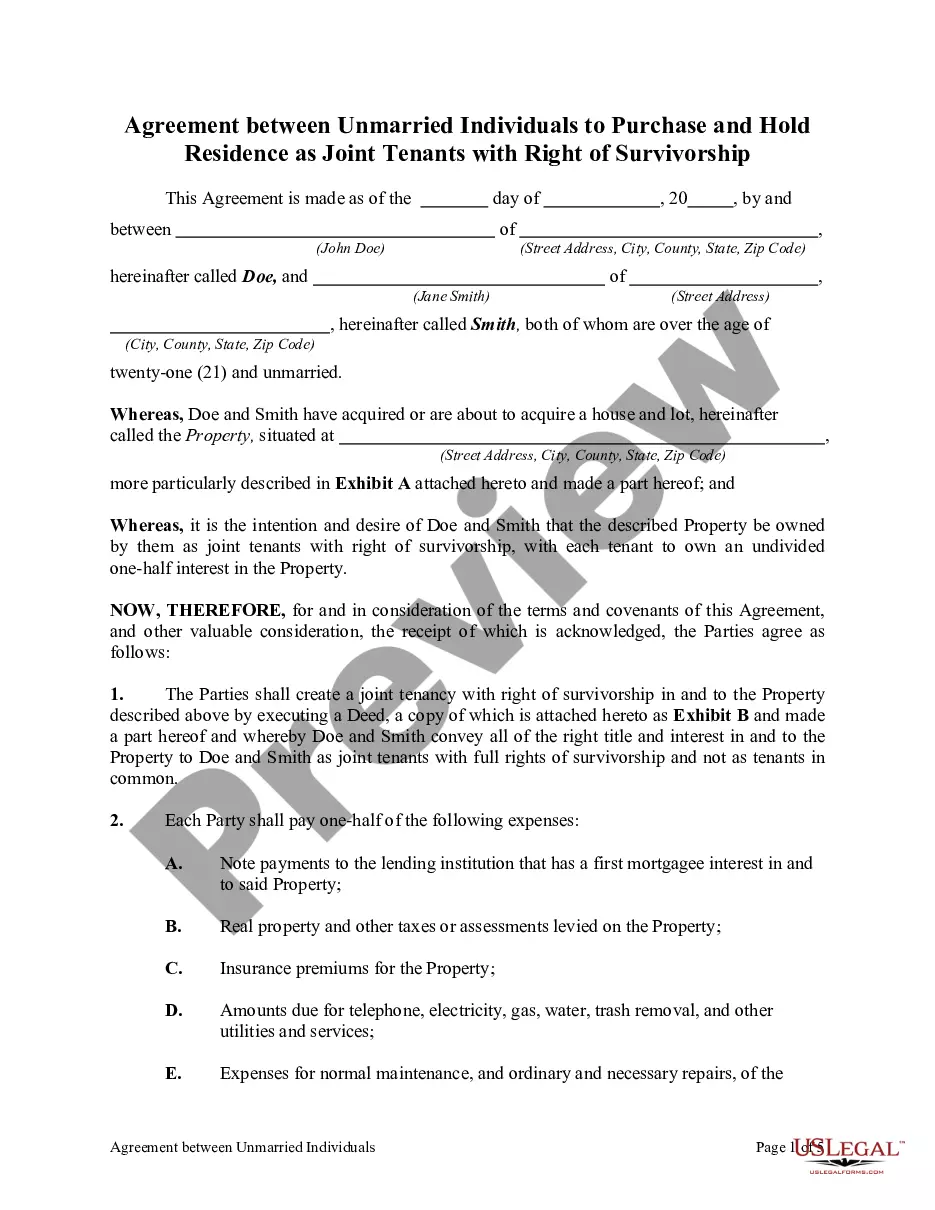
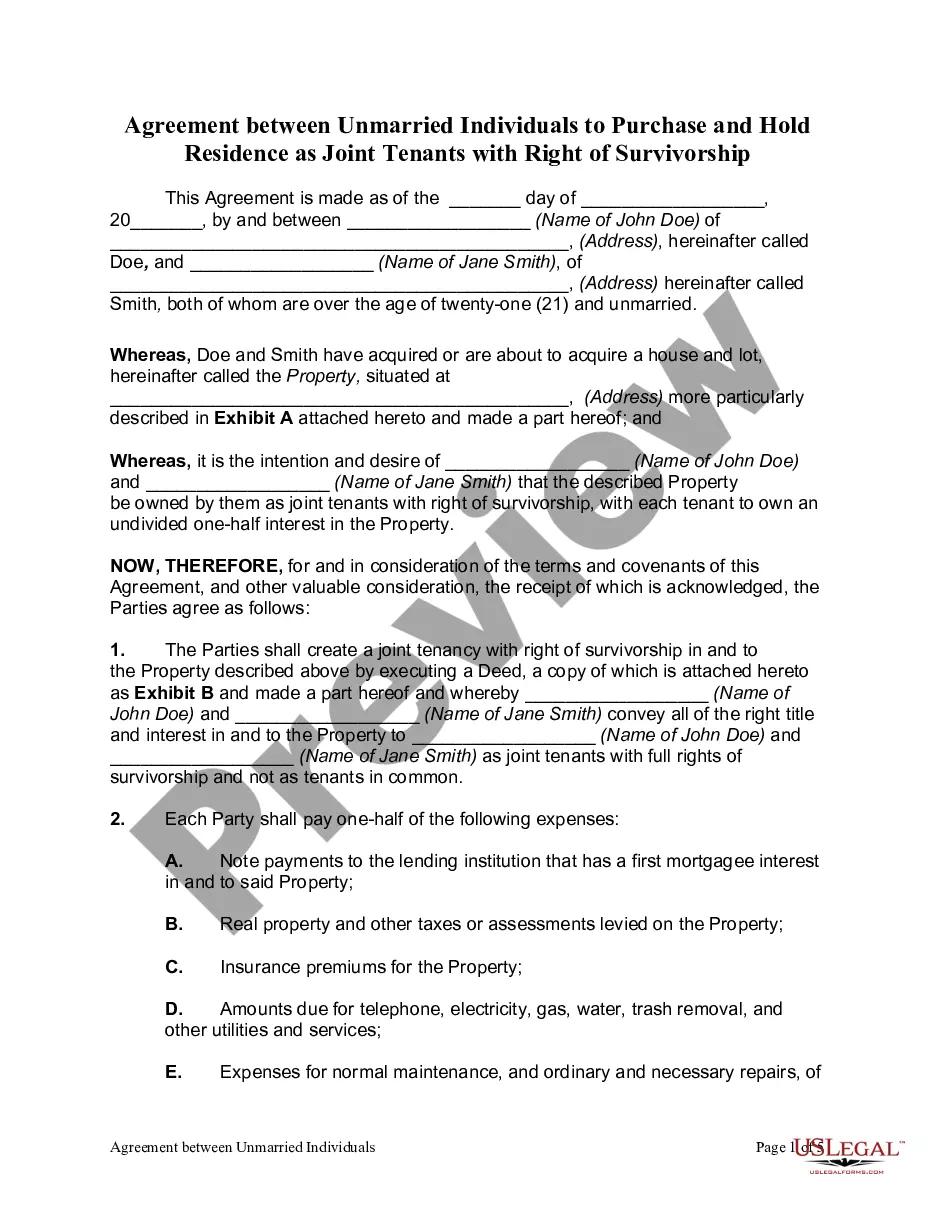
Get your form ready online
Our built-in tools help you complete, sign, share, and store your documents in one place.
Make edits, fill in missing information, and update formatting in US Legal Forms—just like you would in MS Word.
Download a copy, print it, send it by email, or mail it via USPS—whatever works best for your next step.
Sign and collect signatures with our SignNow integration. Send to multiple recipients, set reminders, and more. Go Premium to unlock E-Sign.
If this form requires notarization, complete it online through a secure video call—no need to meet a notary in person or wait for an appointment.
We protect your documents and personal data by following strict security and privacy standards.

Make edits, fill in missing information, and update formatting in US Legal Forms—just like you would in MS Word.

Download a copy, print it, send it by email, or mail it via USPS—whatever works best for your next step.

Sign and collect signatures with our SignNow integration. Send to multiple recipients, set reminders, and more. Go Premium to unlock E-Sign.

If this form requires notarization, complete it online through a secure video call—no need to meet a notary in person or wait for an appointment.

We protect your documents and personal data by following strict security and privacy standards.
Looking for another form?

Form popularity
FAQ
Ohio's Senate Bill 313, which became law on August 29, 2000, provides a simple way for citizens to transfer real estate outside of probate. The transfer on death provision will afford some advantages over other forms of transfer.
As a married couple, most of the property and assets you have are jointly owned. That means that when one of you dies, the other simply becomes the sole owner of the assets. This does not require any legal action or court involvement.
Ohio recognizes joint tenancy as a common form of joint ownership for non-spouses.
A person entitled to partition of an estate may file his petition therefor in the court of common pleas, setting forth the nature of his title, a pertinent description of the lands, tenements, or hereditaments of which partition is demanded, and naming each tenant in common, coparcener, or other person interested ...
(B) If two or more persons hold an interest in the title to real property as survivorship tenants, each survivorship tenant holds an equal share of the title during their joint lives unless otherwise provided in the instrument creating the survivorship tenancy.
Real Estate can be titled in survivorship to avoid Probate; bank accounts can be joint accounts or POD/TOD, which stands for Payable on death or Transfer on death; vehicles can have survivorship beneficiaries or a TOD designation.
Generally, the most efficient way for the transfer to happen is at death via a trust. The deed is titled within your family trust or transfer on death deed. The trust transfers the assets to the children at passing. Skips probate.
In short, to force the sale of jointly owned property, you must first confirm title, then attempt a voluntary sale or buyout, file and serve a partition lawsuit, get an appraisal, sell the property, and finally divide the sale proceeds fairly.
If one owner wants to sell a jointly owned property but the other owner(s) refuse, the party seeking to sell can file a partition action. This legal procedure allows a court to intervene and force the sale of the property, dividing the proceeds among the owners ing to their ownership interests.