Mobile Home Form For Rent In King
Description

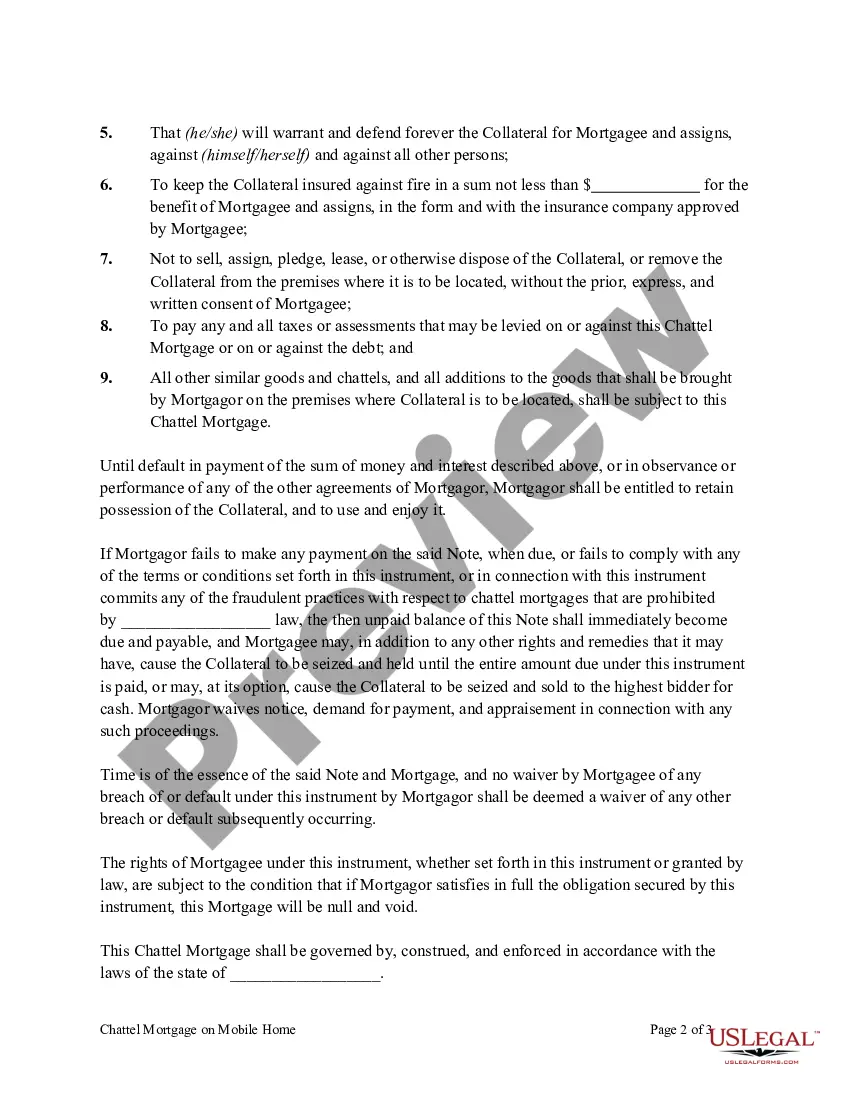
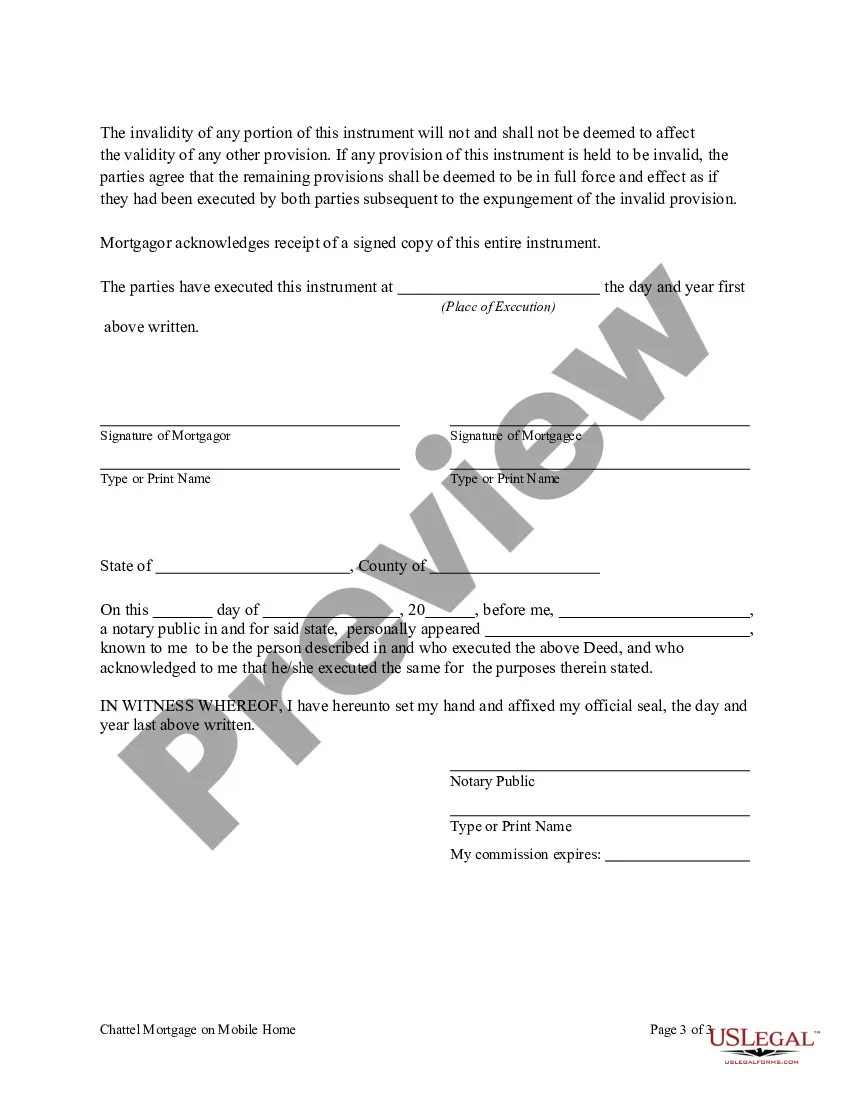
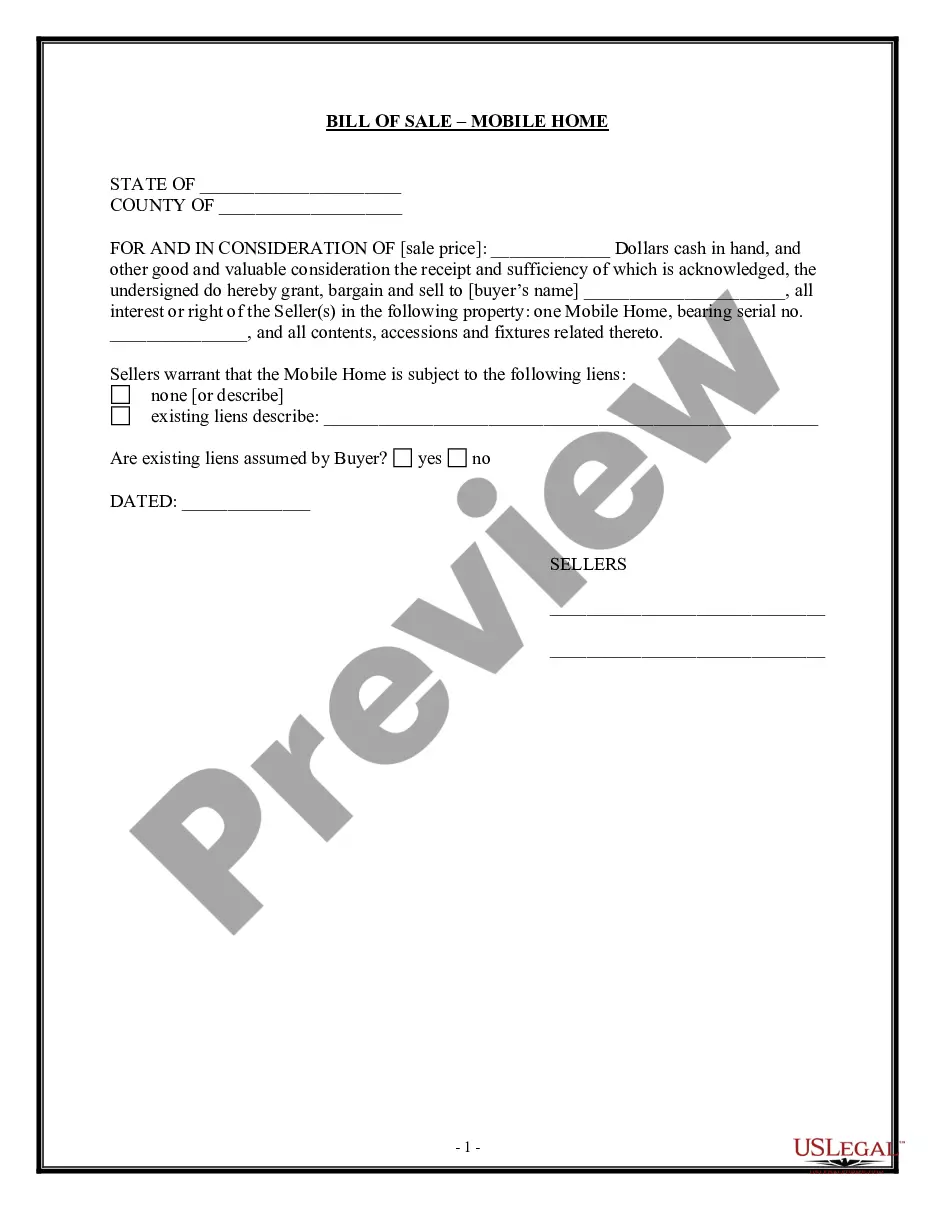
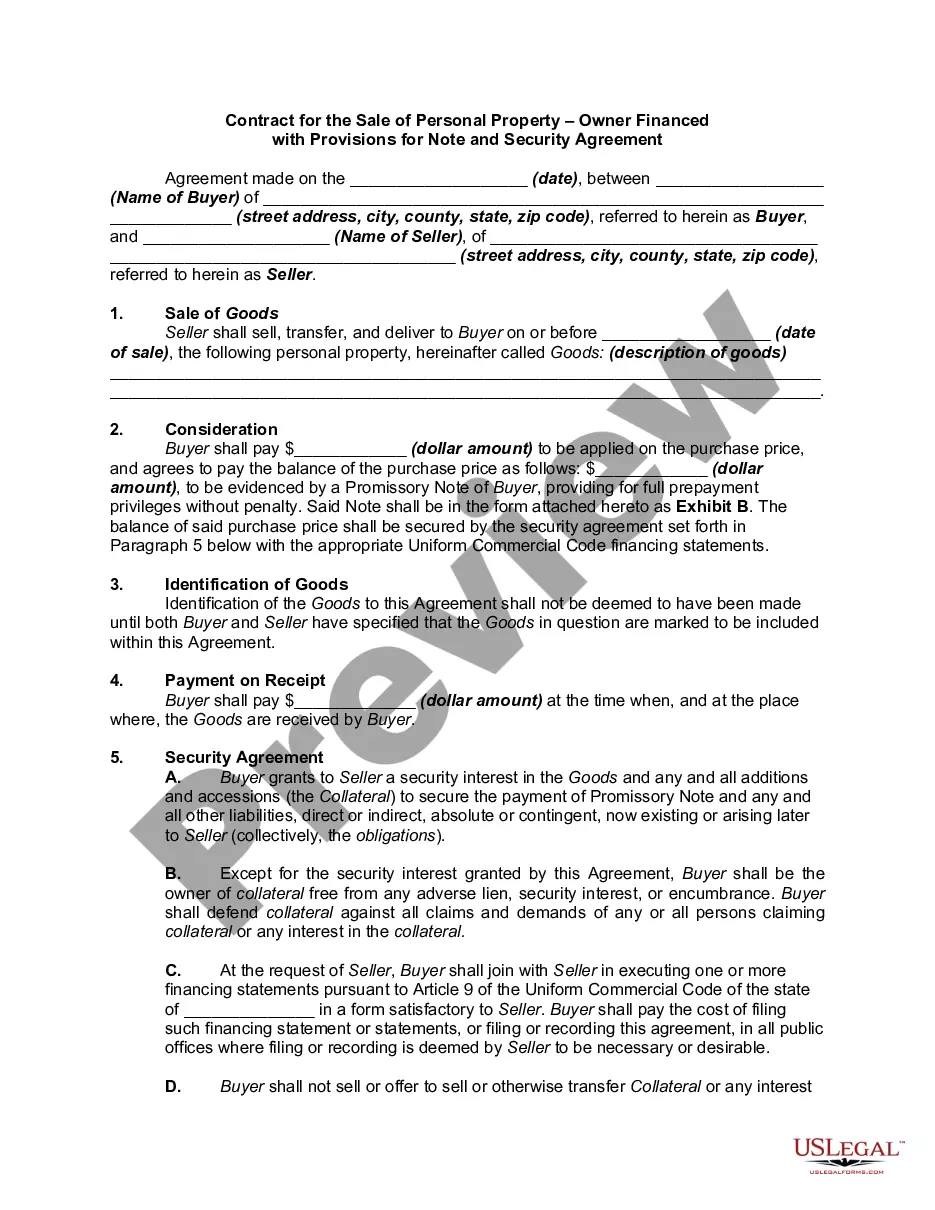
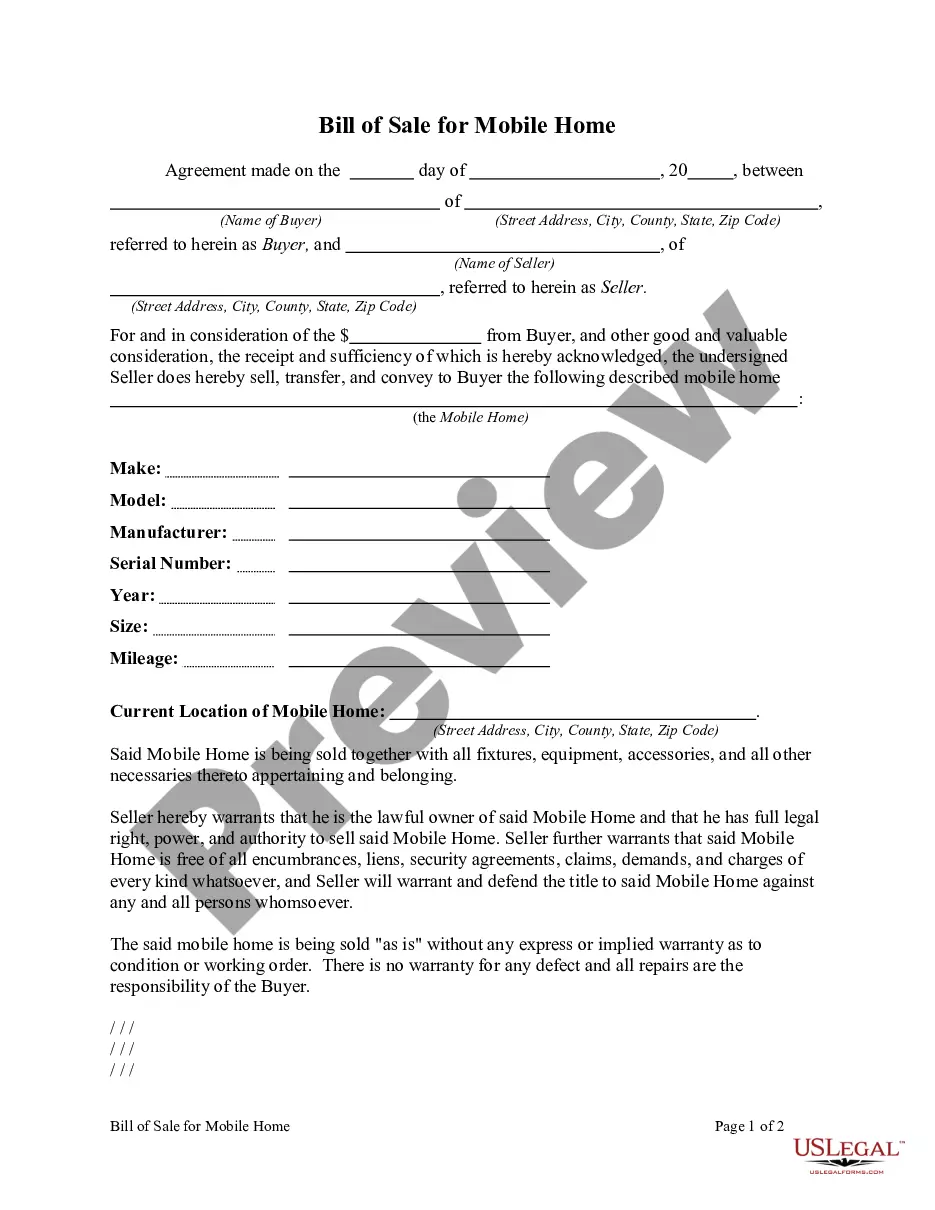
Get your form ready online
Our built-in tools help you complete, sign, share, and store your documents in one place.
Make edits, fill in missing information, and update formatting in US Legal Forms—just like you would in MS Word.
Download a copy, print it, send it by email, or mail it via USPS—whatever works best for your next step.
Sign and collect signatures with our SignNow integration. Send to multiple recipients, set reminders, and more. Go Premium to unlock E-Sign.
If this form requires notarization, complete it online through a secure video call—no need to meet a notary in person or wait for an appointment.
We protect your documents and personal data by following strict security and privacy standards.

Make edits, fill in missing information, and update formatting in US Legal Forms—just like you would in MS Word.

Download a copy, print it, send it by email, or mail it via USPS—whatever works best for your next step.

Sign and collect signatures with our SignNow integration. Send to multiple recipients, set reminders, and more. Go Premium to unlock E-Sign.

If this form requires notarization, complete it online through a secure video call—no need to meet a notary in person or wait for an appointment.

We protect your documents and personal data by following strict security and privacy standards.
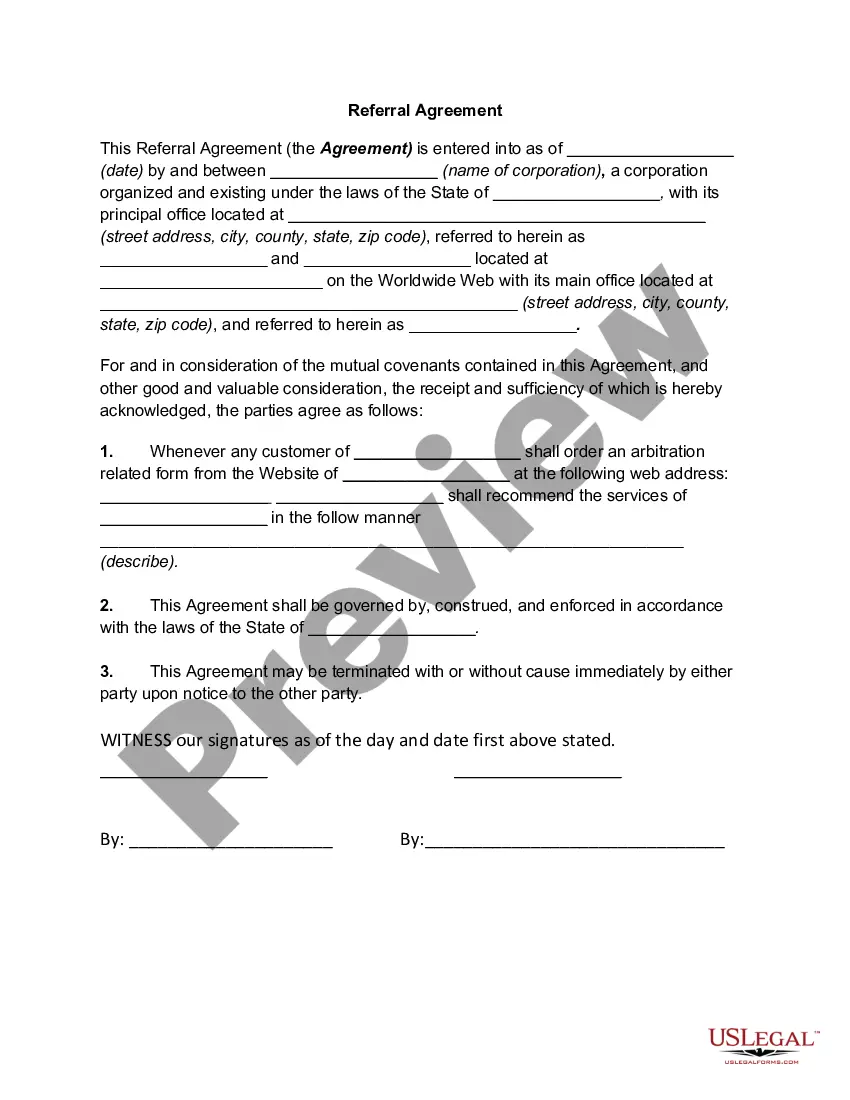
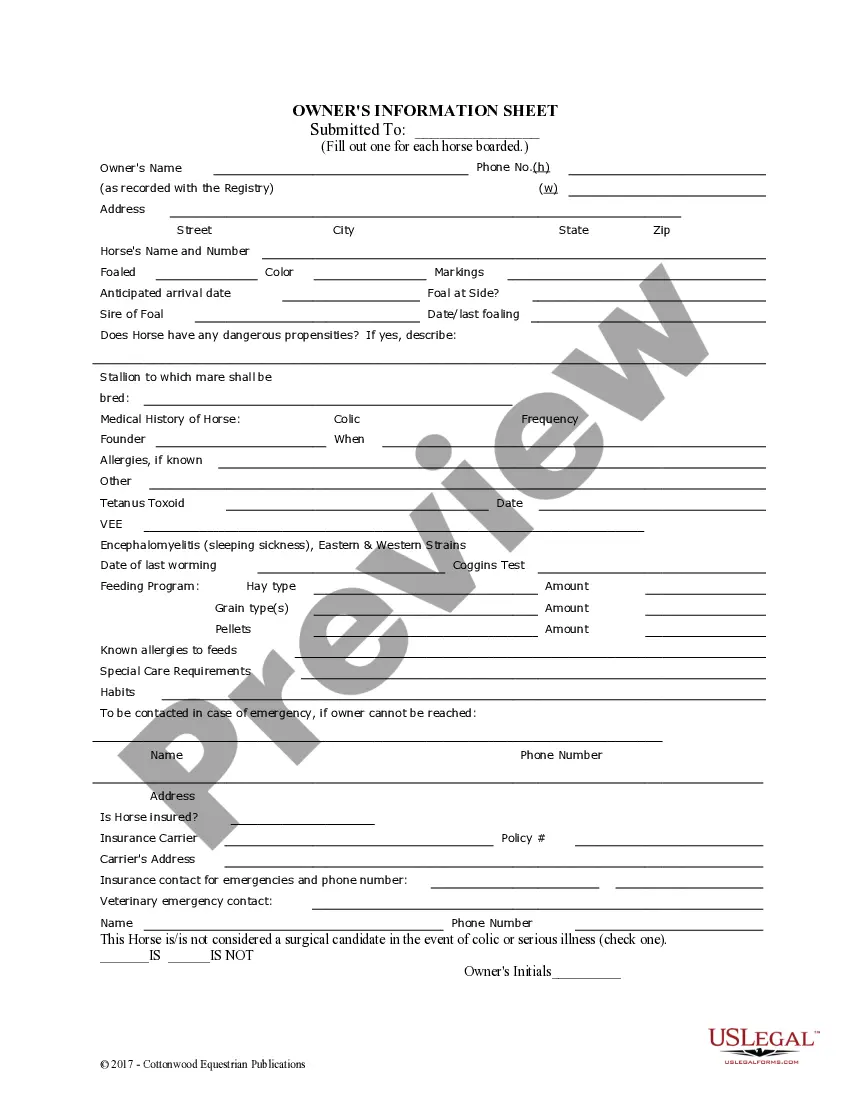
Looking for another form?








Form popularity
FAQ
The monthly rent of mobile homes in the U.S. has gradually increased since 2010, peaking in 2023. In the final quarter of that year, the average monthly rent for manufactured homes was 679 U.S. dollars, an increase of 46 U.S. dollars from the same period of the previous year.
The monthly rent of mobile homes in the U.S. has gradually increased since 2010, peaking in 2023. In the final quarter of that year, the average monthly rent for manufactured homes was 679 U.S. dollars, an increase of 46 U.S. dollars from the same period of the previous year.
Most people don't know that mobile homes have a title, and you must have one to prove you own them. A title, also known as a certificate of title, is a legal document proving ownership of your manufactured home. When you buy a new mobile home, you will almost always need to obtain the title.
The New York State funded Mobile and Manufactured Home Replacement (MMHR) Program was developed to assist low- and moderate-income homeowners to replace dilapidated mobile or manufactured homes that are sited on land owned by the homeowner with a new manufactured, modular or site-built home.
The HO-7 policy is an insurance policy for mobile home owners. It covers the dwelling and other structures, personal property, personal liability, loss of use, and medical expenses of others for mobile homes, RVs, sectional homes, modular homes, and trailers while stationary.
For regular homeowners, HO-1 and HO-2 are named-peril policies, while the HO-3 is the all-perils policy. The HO-4 covers apartment renters, but condo owners are best served by an HO-6. Mobile homes are covered under the HO-7, but only when they're stationary; motor homes aren't covered.
Targeted for manufactured homes that are 20 years old or newer, our HO-3 Homeowners policy includes dwelling coverage, personal liability, personal property, additional living expense, other structures, and third-party medical payments.
For HO3 policies, it's common to see open perils coverage for your home itself and named perils for your personal property. HO5 policies feature open perils coverage for both. If you're a condo owner with an HO6 policy, you're covered for everything inside the walls of your place for named perils.
There are 192,890 manufactured housing units in New York State – making up 2.4% of the state's total housing stock. In rural areas of the state, that percentage jumps to 10.3% of housing stock with 100,802 manufactured housing units.
Mobile home form: HO-7 A typical mobile home insurance policy is an HO-7 form. It helps protect the personal property and physical structure of the home. This type of policy form is a modified version of an HO-2. The perils covered by an HO-7 may be different than those covered by a standard HO-2.
