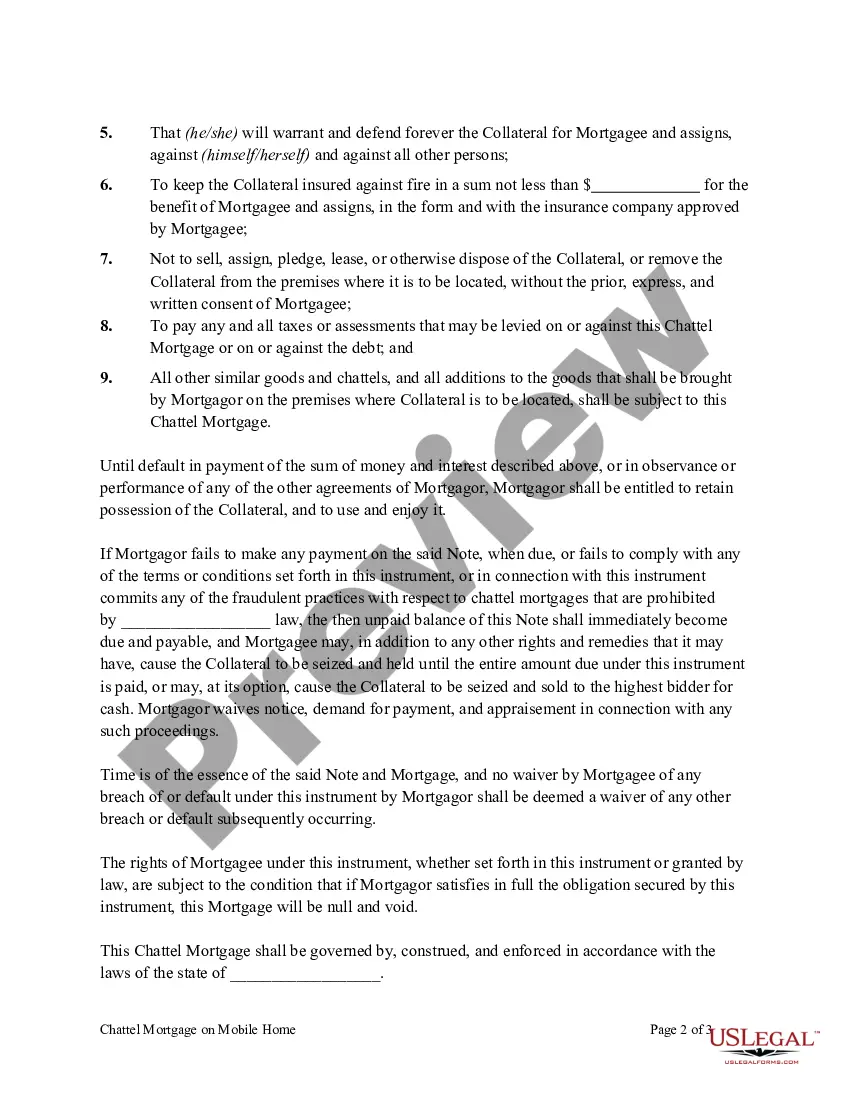
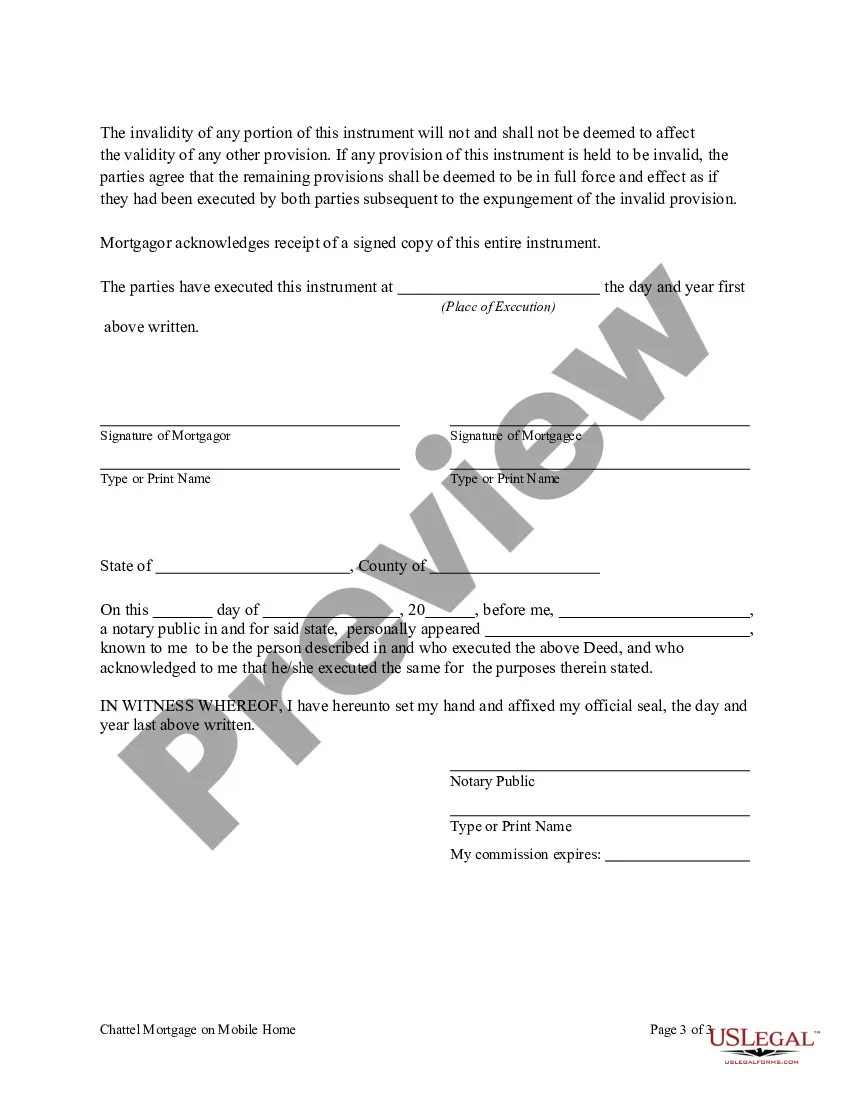
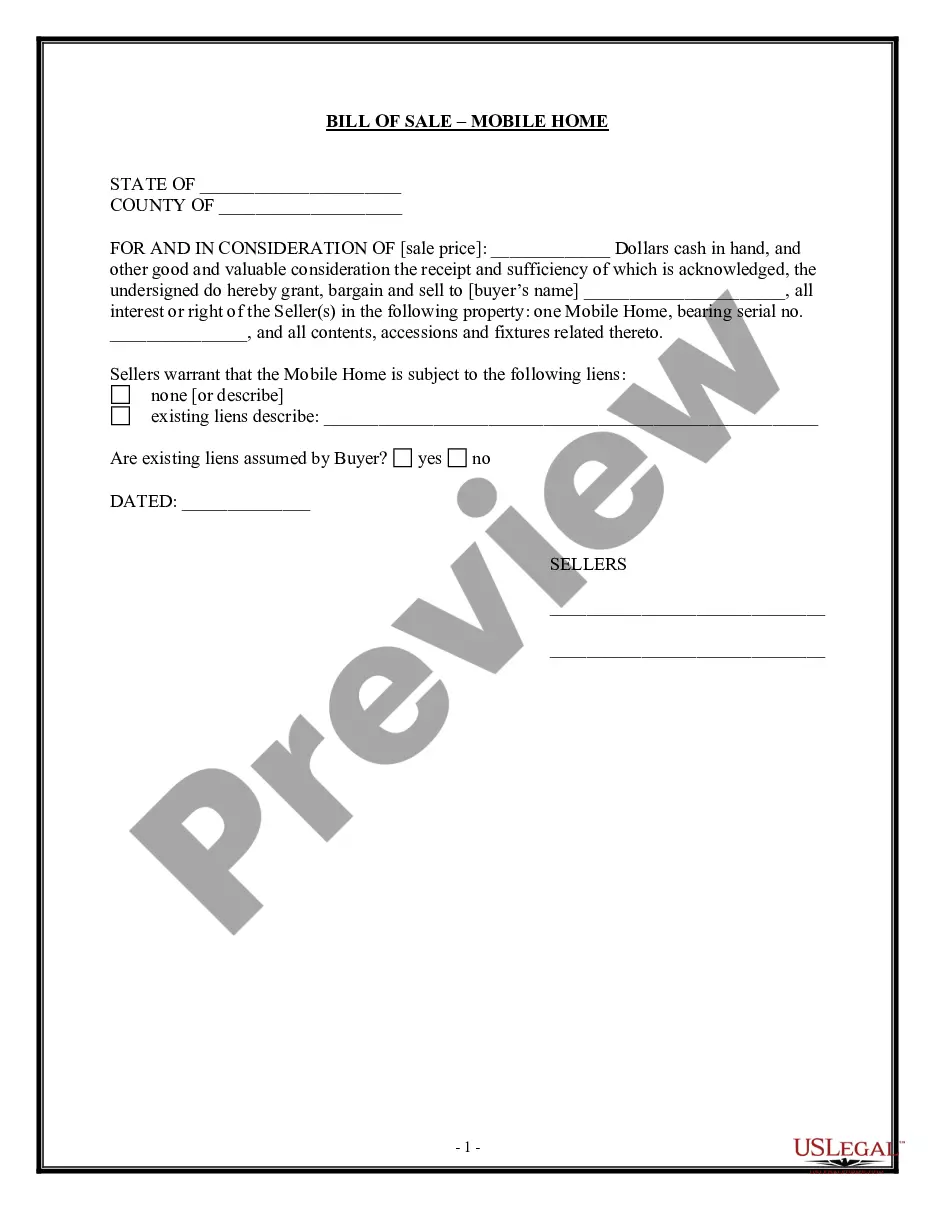
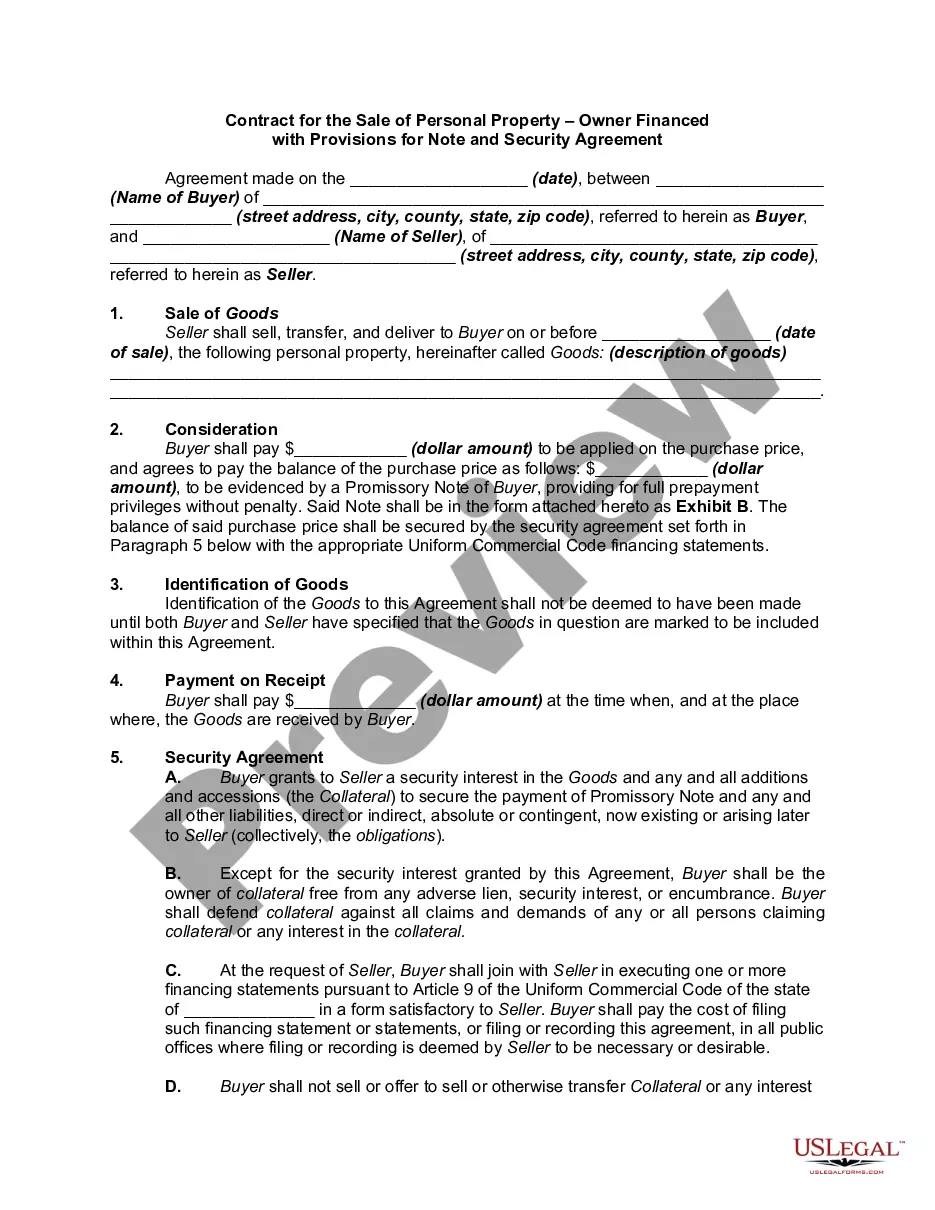
Chattel Mortgage Form With Extra Judicial Foreclosure In Houston
Description

Get your form ready online
Our built-in tools help you complete, sign, share, and store your documents in one place.
Make edits, fill in missing information, and update formatting in US Legal Forms—just like you would in MS Word.
Download a copy, print it, send it by email, or mail it via USPS—whatever works best for your next step.
Sign and collect signatures with our SignNow integration. Send to multiple recipients, set reminders, and more. Go Premium to unlock E-Sign.
If this form requires notarization, complete it online through a secure video call—no need to meet a notary in person or wait for an appointment.
We protect your documents and personal data by following strict security and privacy standards.

Make edits, fill in missing information, and update formatting in US Legal Forms—just like you would in MS Word.

Download a copy, print it, send it by email, or mail it via USPS—whatever works best for your next step.

Sign and collect signatures with our SignNow integration. Send to multiple recipients, set reminders, and more. Go Premium to unlock E-Sign.

If this form requires notarization, complete it online through a secure video call—no need to meet a notary in person or wait for an appointment.

We protect your documents and personal data by following strict security and privacy standards.
Looking for another form?









Form popularity
FAQ
Timelines for distressed borrowers Borrowers have the most protections if a complete application for mortgage assistance is submitted within 120 days of the first missed payment because the servicer is not allowed to start a foreclosure process during those 120 days.
In nonjudicial foreclosures, a lawsuit must be filed in order to obtain a judgment to collect the deficiency. In judicial foreclosures, a second lawsuit needs to be filed. These lawsuits must be filed within two years of the sale.
In nonjudicial foreclosures, a lawsuit must be filed in order to obtain a judgment to collect the deficiency. In judicial foreclosures, a second lawsuit needs to be filed. These lawsuits must be filed within two years of the sale.
Judicial foreclosure is required in certain situations such as foreclosures involving home equity loans, reverse mortgages, or property owners' association assessments.
In order to qualify for a non-judicial foreclosure, the lienholder must have a deed of trust with a "power of sale" clause, giving them the authority to sell the property. These foreclosures are governed by Section 51.002 of the Texas Property Code as well as the contractual documents.
It is important to note that Texas is primarily a non-judicial foreclosure state, meaning most foreclosures occur without court supervision. ³⁷ However, you always have the right to challenge an improper foreclosure in court.
Judicial foreclosure refers to foreclosure proceedings that take place through the court system. This foreclosure process occurs when a mortgage lacks a power of sale clause, which would legally authorize the mortgage lender to sell the property if a default occurred.
Mortgage Foreclosure Surplus Recovery in Texas Generally, a borrower will have to submit a claim to the trustee administrator for their surplus funds. The administrator usually sends a notice about the available funds to the borrower sometime after the foreclosure sale asking if the borrower wants to make a claim.
Once the property is sold at a foreclosure sale, the borrower generally loses ownership rights. However, in some cases, the borrower may have a redemption period to reclaim the property by paying off the debt in full.
