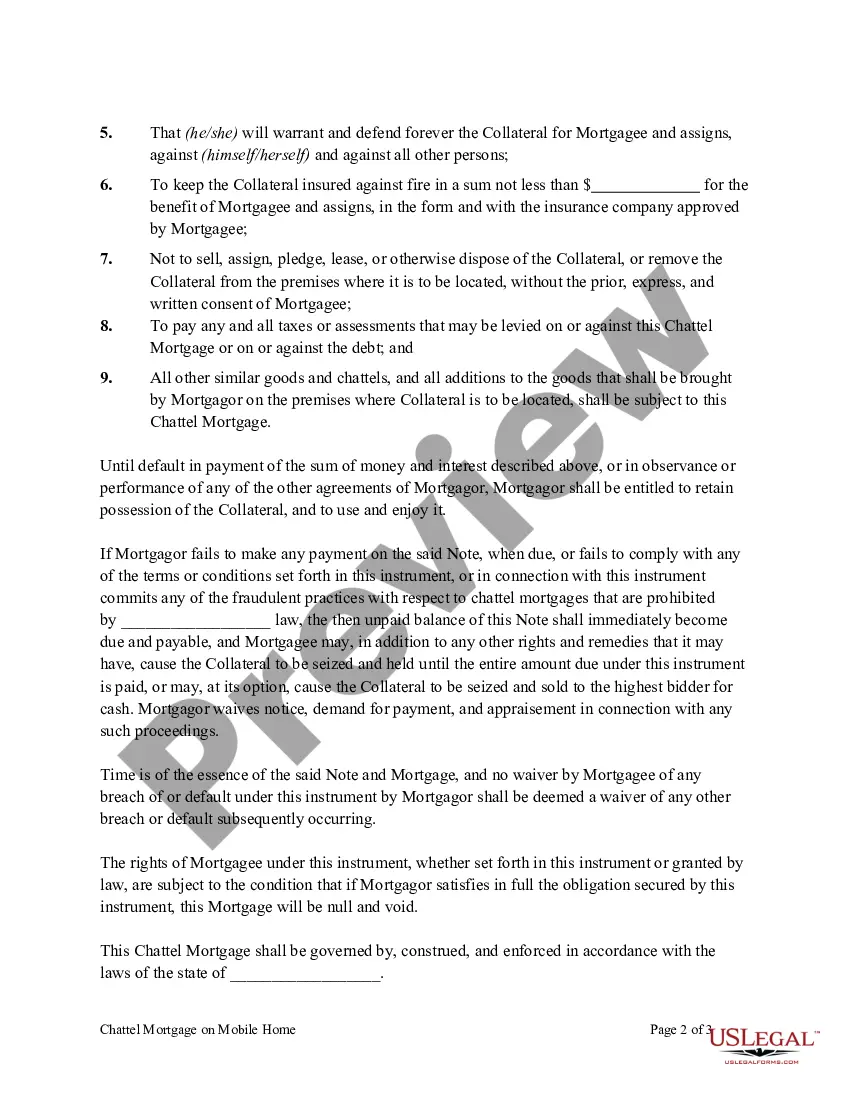
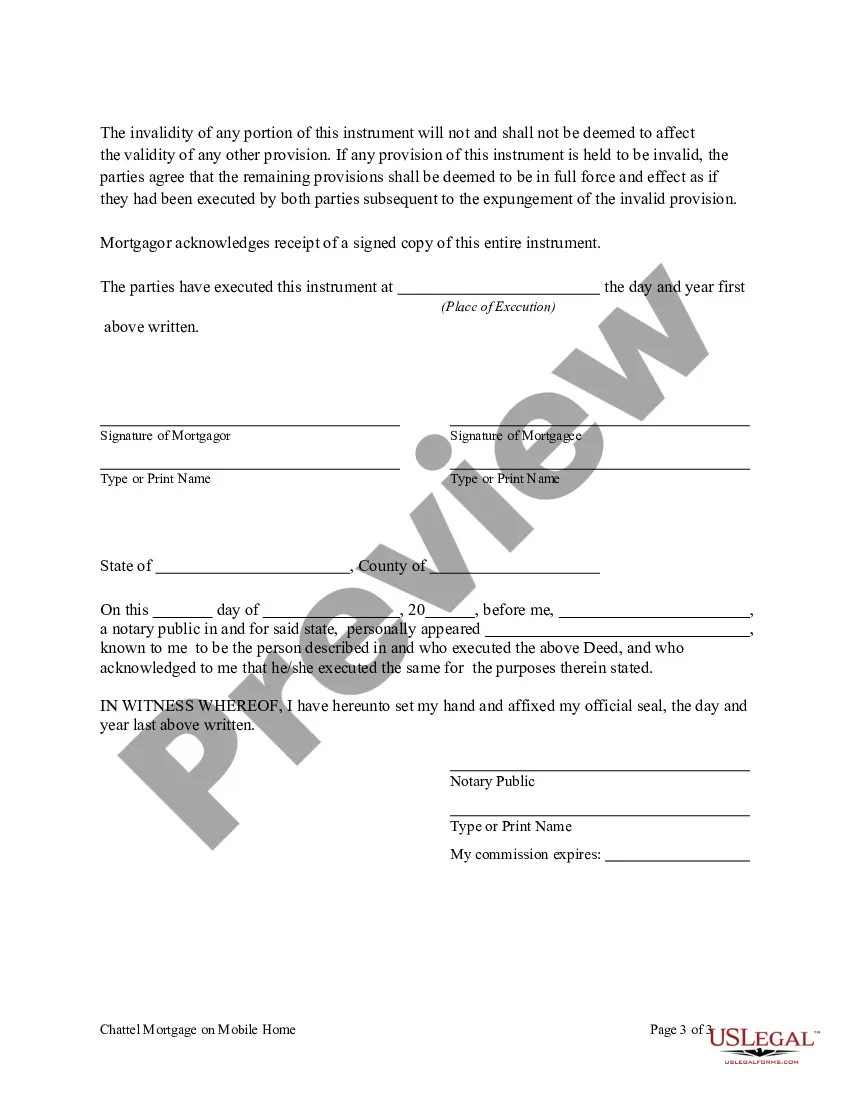
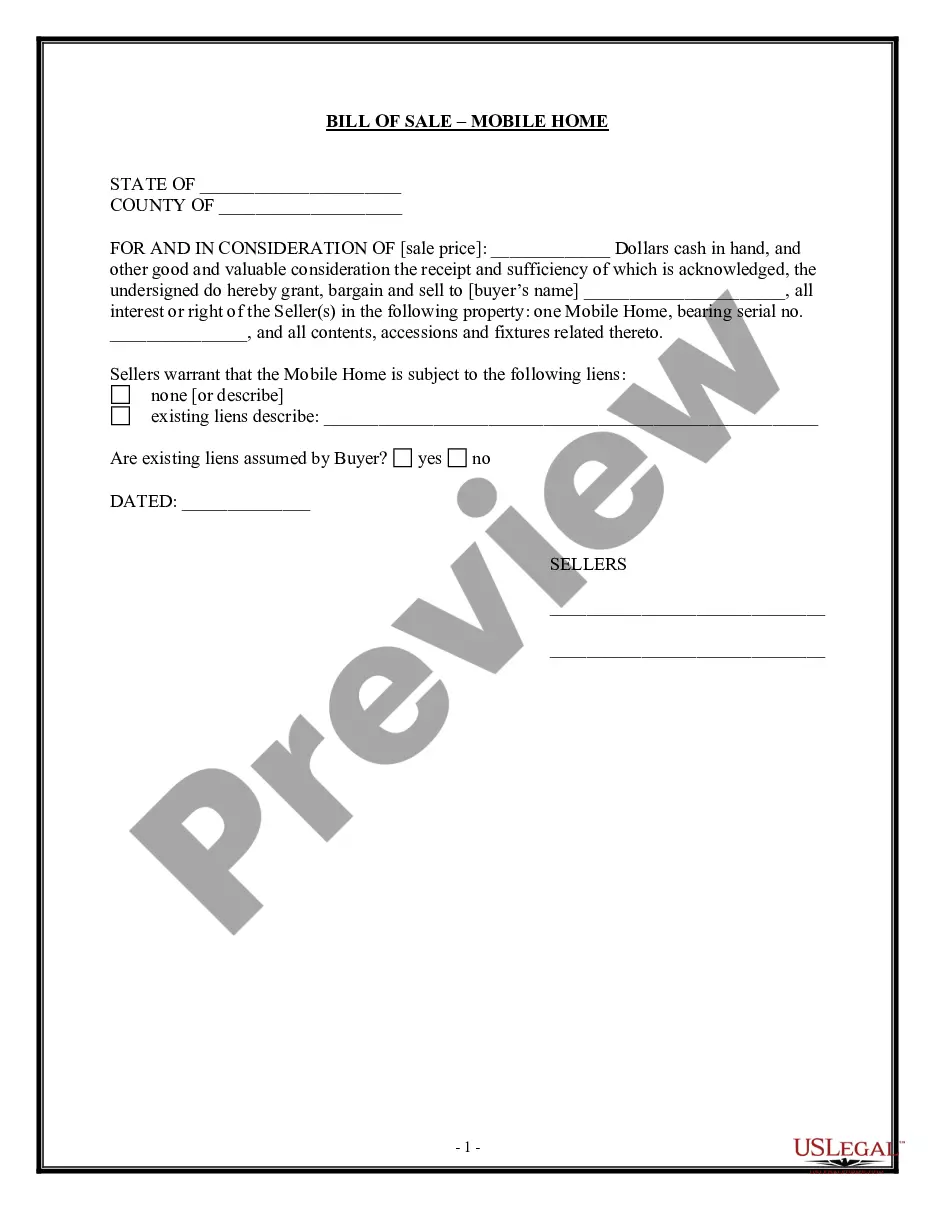
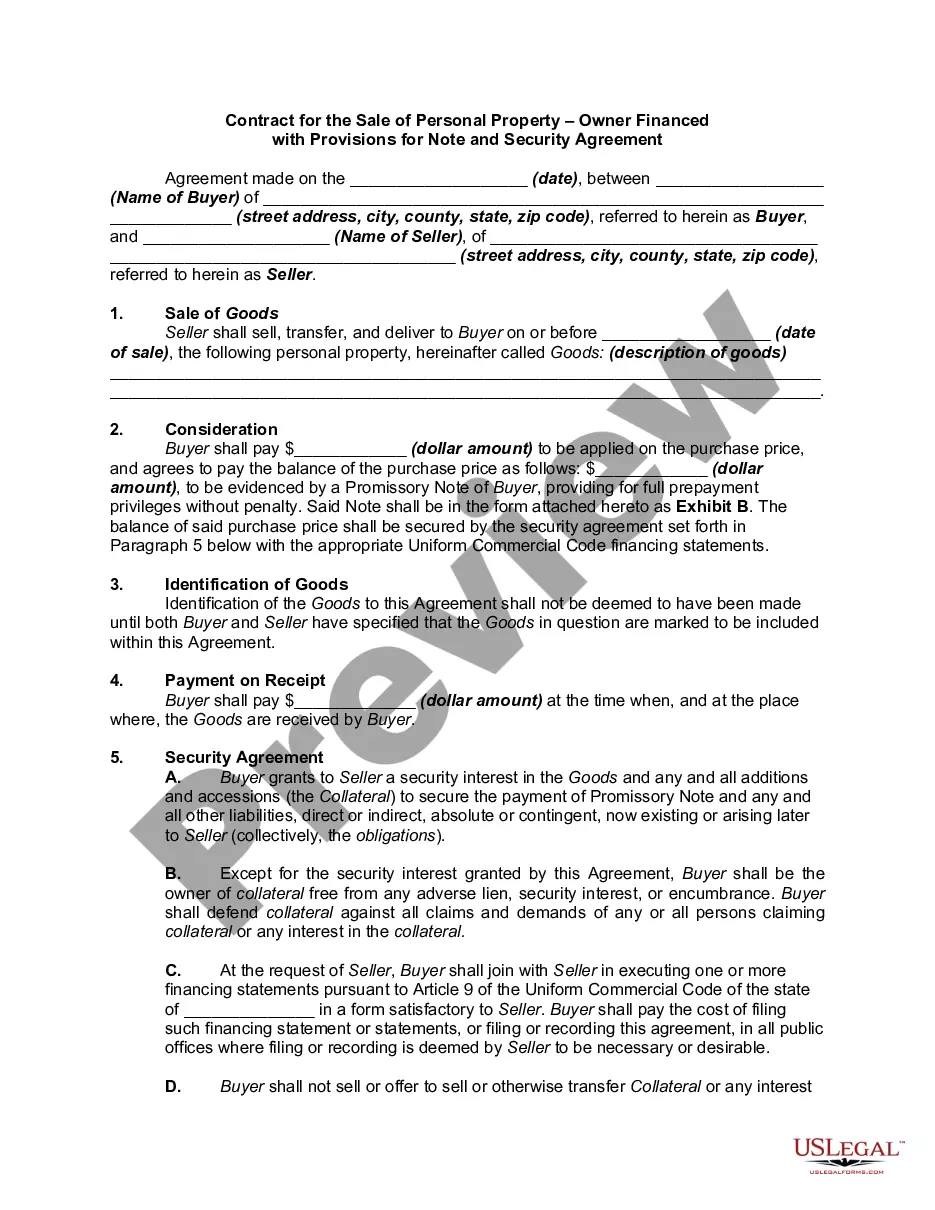
Chattel Mortgage Form With Extra Judicial Foreclosure In Collin
Description

Get your form ready online
Our built-in tools help you complete, sign, share, and store your documents in one place.
Make edits, fill in missing information, and update formatting in US Legal Forms—just like you would in MS Word.
Download a copy, print it, send it by email, or mail it via USPS—whatever works best for your next step.
Sign and collect signatures with our SignNow integration. Send to multiple recipients, set reminders, and more. Go Premium to unlock E-Sign.
If this form requires notarization, complete it online through a secure video call—no need to meet a notary in person or wait for an appointment.
We protect your documents and personal data by following strict security and privacy standards.

Make edits, fill in missing information, and update formatting in US Legal Forms—just like you would in MS Word.

Download a copy, print it, send it by email, or mail it via USPS—whatever works best for your next step.

Sign and collect signatures with our SignNow integration. Send to multiple recipients, set reminders, and more. Go Premium to unlock E-Sign.

If this form requires notarization, complete it online through a secure video call—no need to meet a notary in person or wait for an appointment.

We protect your documents and personal data by following strict security and privacy standards.
Looking for another form?






Form popularity
FAQ
Only junior liens (those recorded after the mortgage) are wiped out by the foreclosure process.
Deed in Lieu of Foreclosure Potential for Relocation Assistance: Sometimes, lenders may offer relocation assistance or additional time to stay in the home as part of the deal. Faster Resolution: The deed in lieu process is generally quicker than foreclosure, providing faster relief from mortgage obligations.
If the lender is pursuing a foreclosure outside court, you can challenge a non-judicial foreclosure by initiating a lawsuit to stop the process until a court reviews the foreclosure. A successful defense may take several different forms, ranging from procedural issues to substantive errors or abuses.
Loss in Ownership, Title, and Equity: The most obvious drawback of a deed in lieu is the loss of ownership, title, and equity in the property. A borrower will also lose any improvements that were done on the property, rental income, and other profits related to the property.
What is provision is required in a mortgage to allow a non-judicial foreclosure to force a sale without a foreclosure suit? A power of sale clause.
The acquisition of ownership of the mortgaged property via judicial foreclosure is a long process. Extra-judicial foreclosure is simpler and faster. The property shall be sold and if the mortgagor fails to redeem the property within the period provided by law, the mortgagee becomes the absolute owner thereof.
There are two types of foreclosure processes: judicial and non-judicial foreclosure. The state of Texas is unique in that it allows for both of them. The process that applies to your home will depend on your particular financial and lending situation.
The "right of redemption" refers to one's ability to reclaim the property even after the foreclosure sale takes place. In Texas, the "right of redemption" is only available for specific kinds of foreclosure actions such as foreclosures of certain tax liens and property owners association assessment liens.
Foreclosures are generally judicial in the following states: Connecticut, Delaware, District of Columbia (sometimes), Florida, Hawaii, Illinois, Indiana, Iowa, Kansas, Kentucky, Louisiana (executory proceeding), Maine, Nebraska (sometimes), New Jersey, New Mexico, New York, North Dakota, Ohio, Oklahoma (if the ...
What Types of Foreclosure Are Available in Texas? If you default on your mortgage payments in Texas, the lender may foreclose using a judicial or nonjudicial method.
