Chattel Mortgage Form With 2 Points In Alameda
Description

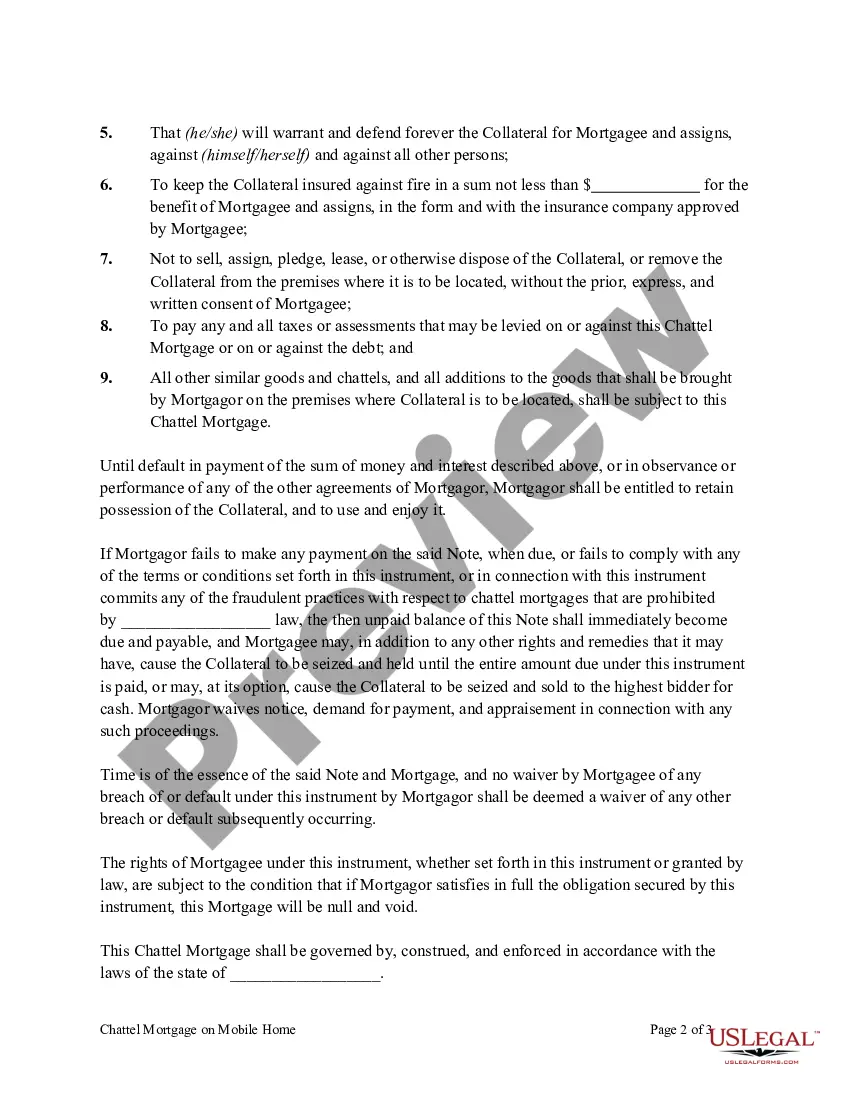
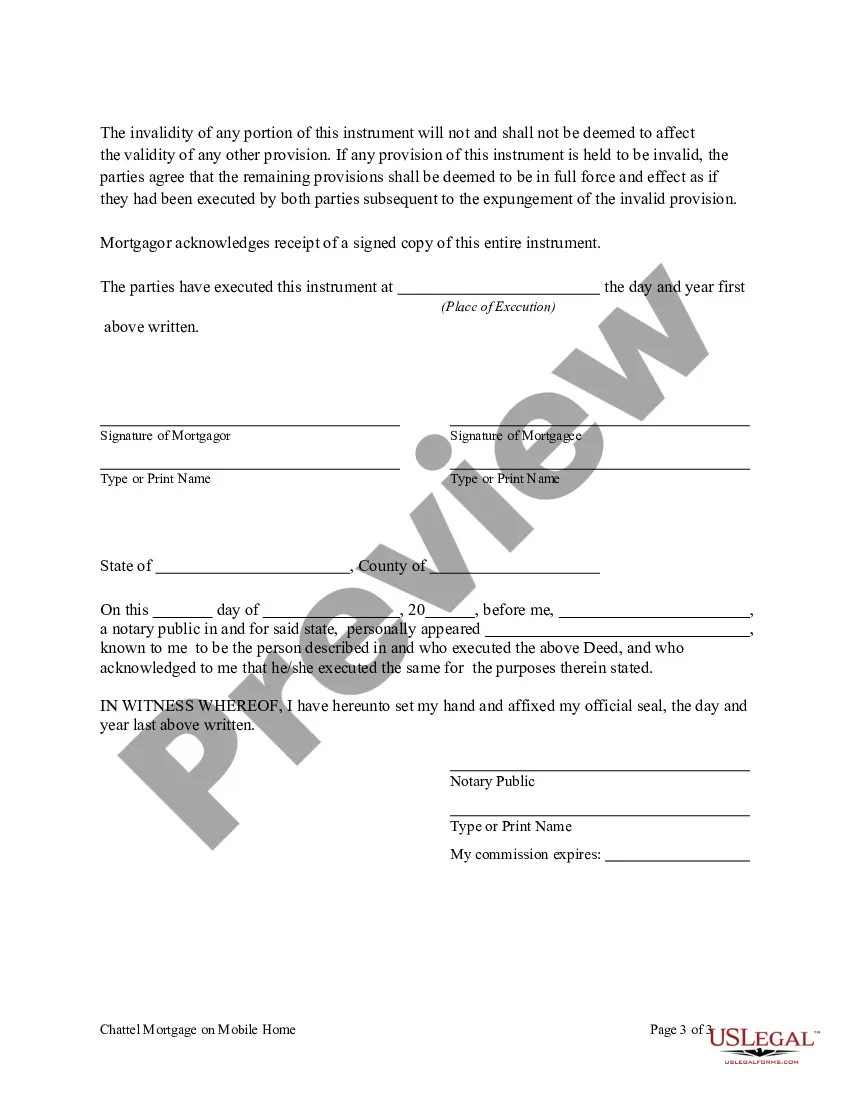
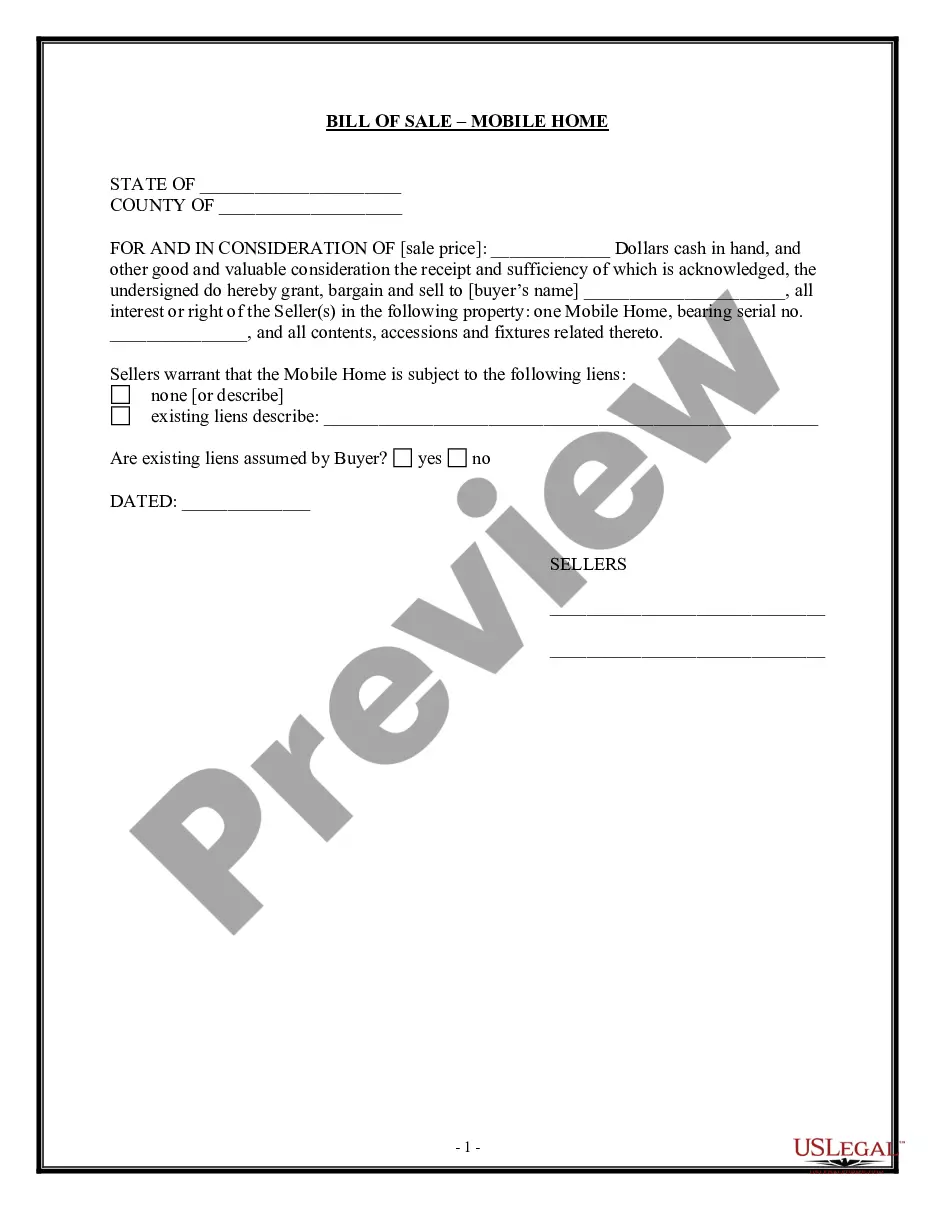
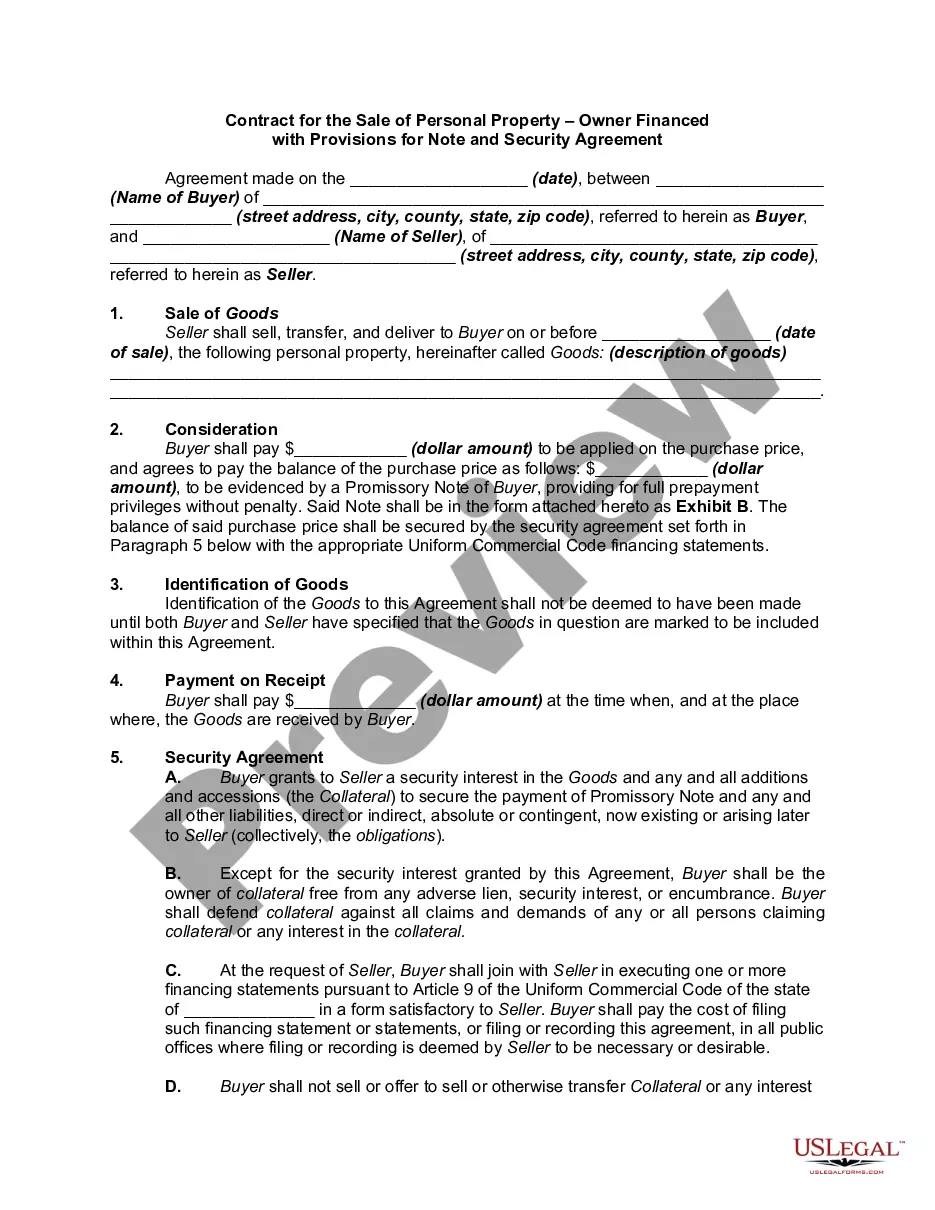
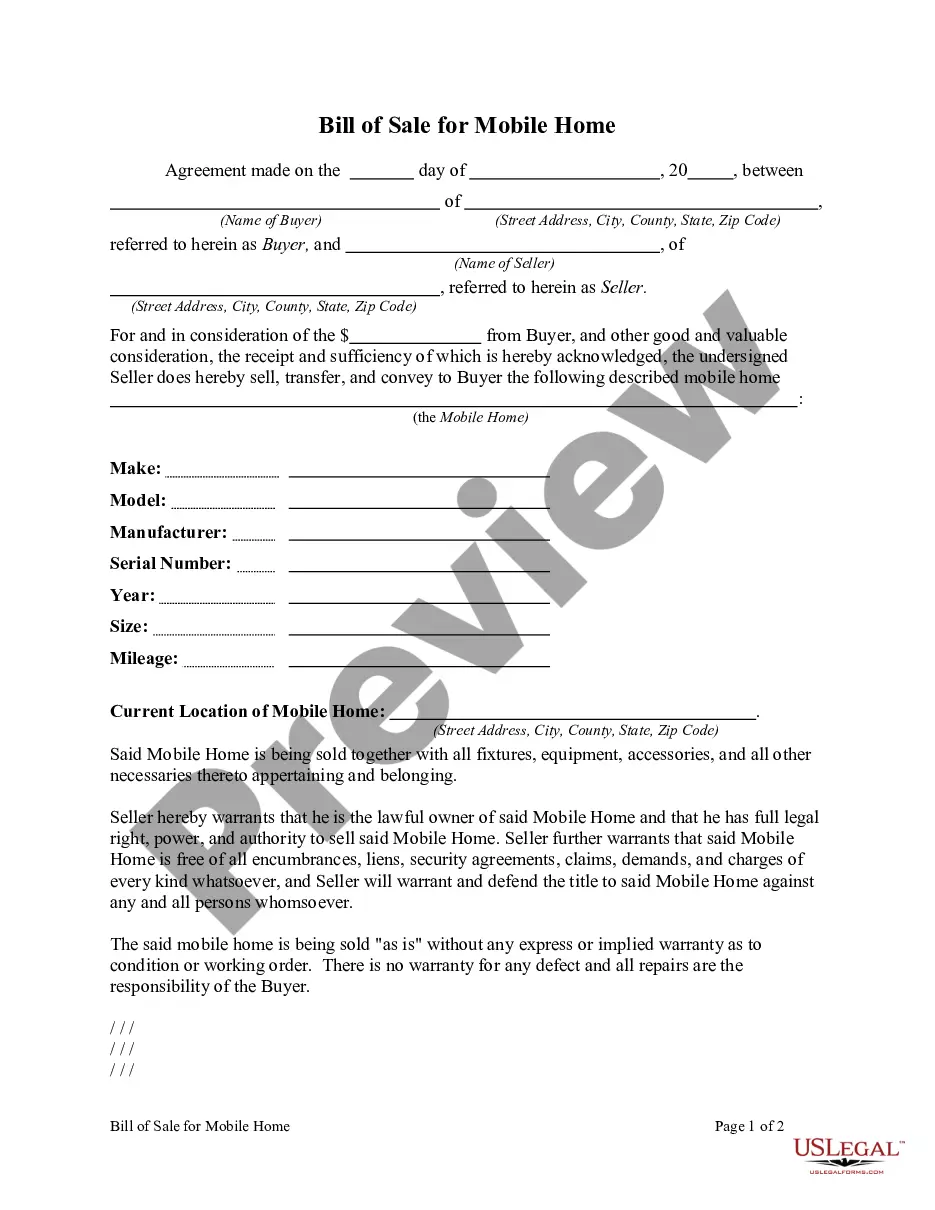
Get your form ready online
Our built-in tools help you complete, sign, share, and store your documents in one place.
Make edits, fill in missing information, and update formatting in US Legal Forms—just like you would in MS Word.
Download a copy, print it, send it by email, or mail it via USPS—whatever works best for your next step.
Sign and collect signatures with our SignNow integration. Send to multiple recipients, set reminders, and more. Go Premium to unlock E-Sign.
If this form requires notarization, complete it online through a secure video call—no need to meet a notary in person or wait for an appointment.
We protect your documents and personal data by following strict security and privacy standards.

Make edits, fill in missing information, and update formatting in US Legal Forms—just like you would in MS Word.

Download a copy, print it, send it by email, or mail it via USPS—whatever works best for your next step.

Sign and collect signatures with our SignNow integration. Send to multiple recipients, set reminders, and more. Go Premium to unlock E-Sign.

If this form requires notarization, complete it online through a secure video call—no need to meet a notary in person or wait for an appointment.

We protect your documents and personal data by following strict security and privacy standards.
Looking for another form?









Form popularity
FAQ
Residents are asked to use the envelopes they received from the Tax Collector's Office with the address of 1221 Oak Street, Room 131, Oakland, CA 94612 or can use their own envelopes with the address Alameda County, Secured Property Tax Payments, P.O. Box 45862, San Francisco, CA 94145-0862.
If you did not receive or misplaced your tax bill, you can request a duplicate online at .
Please contact the Alameda County agencies listed below to obtain information and specific documents for your properties. Contact the Alameda County Clerk. Request a Copy of a Grant Deed. Contact the Alameda County Tax Assessor. Learn More About Your Property Tax Assessment. Contact the Alameda County Treasurer.
Proposition 13 also limits the amount of taxes that can be charged to an owner of locally assessed property to 1 percent of the property's taxable value, plus any voter approved bonded indebtedness, service fees, improvement bonds, and special assessments.
Enter the sale information to report on Form 4797 or Schedule D. Select Real Estate Withholding (Form 593) from the lower-left Sections list. Enter the amount reported on Form 593, box 5 in the Amount withheld from seller field.
In comparison to regular mortgages, chattel mortgages come with shorter terms which means they're repaid within 10-15 years in most cases. With a residential mortgage, the lender can retain a lien on the property which may or may not be the case with a chattel property mortgage.
By chattel mortgage, personal property is recorded in the Chattel Mortgage Register as a security for the performance of an obligation. If the movable, instead of being recorded, is delivered to the creditor or a third person, the contract is a pledge and not a chattel mortgage.
The Bottom Line. If you're looking to buy a modular home or movable piece of equipment, taking out a chattel mortgage could be right for you. These loans come with shorter terms and much lower processing fees. However, the interest rate will be higher than what you'd receive on a conventional mortgage.
