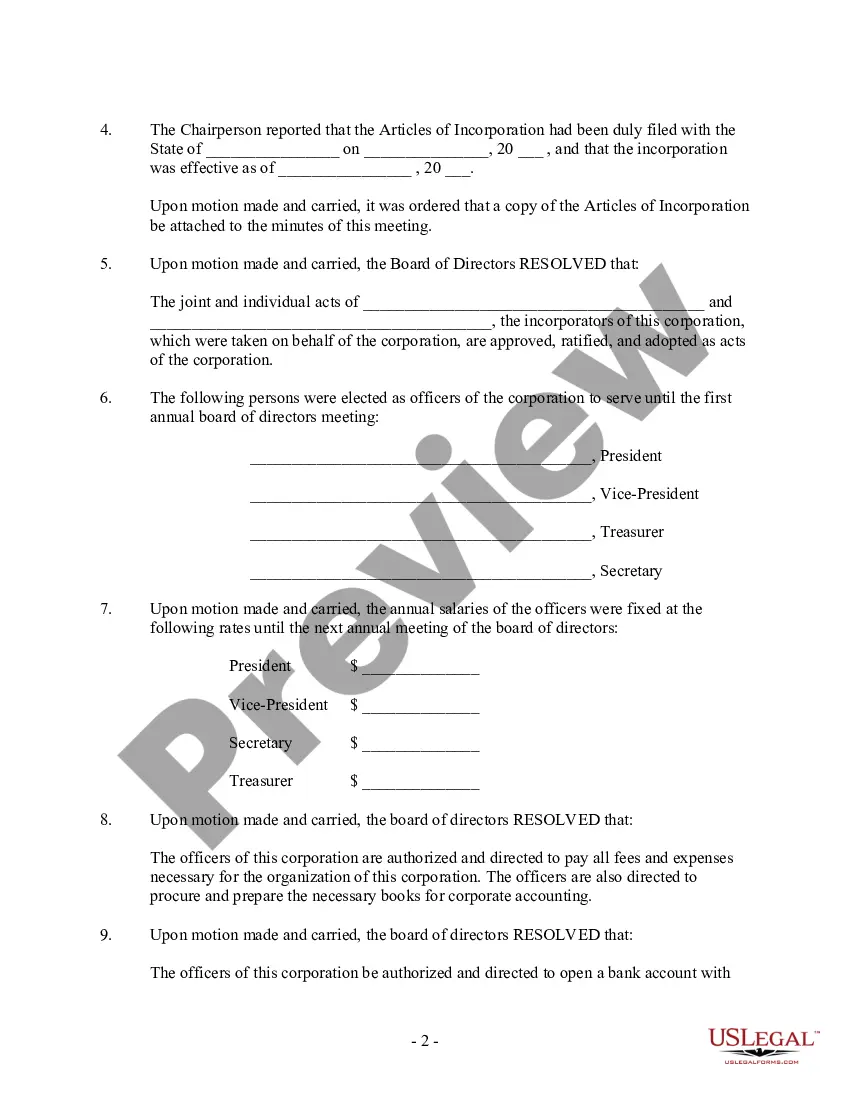
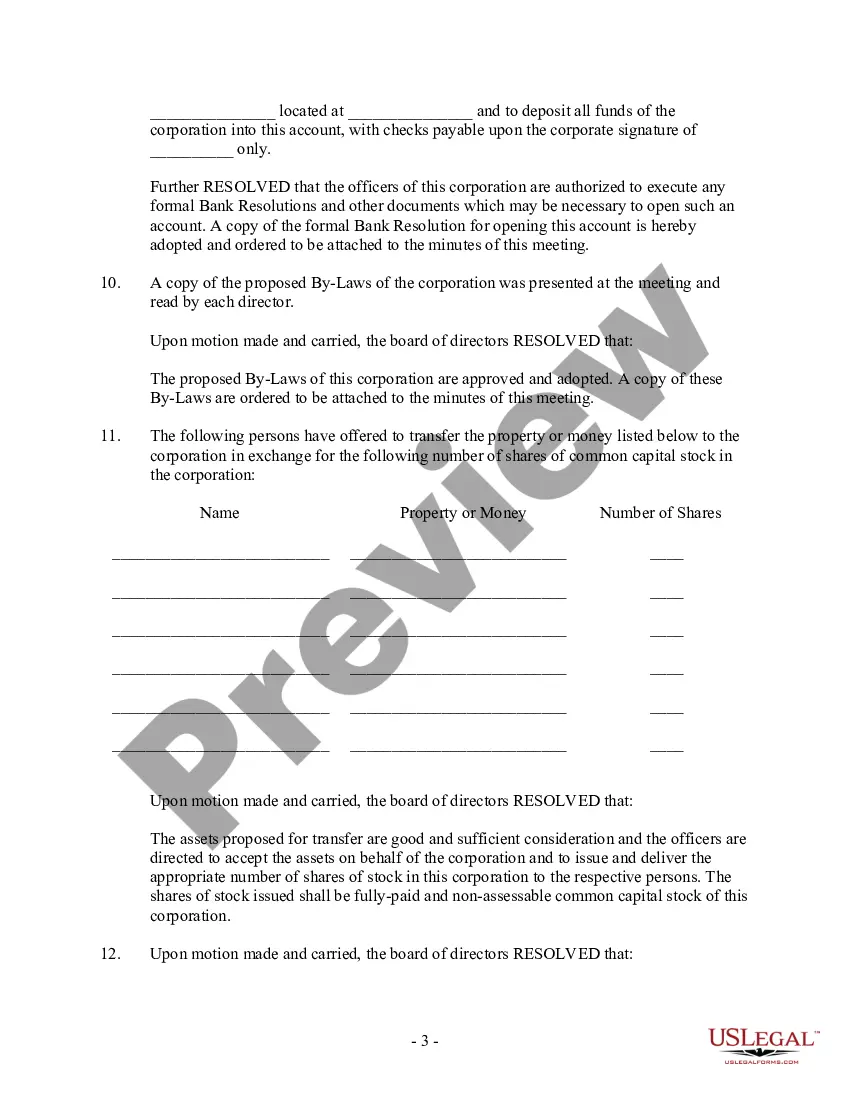
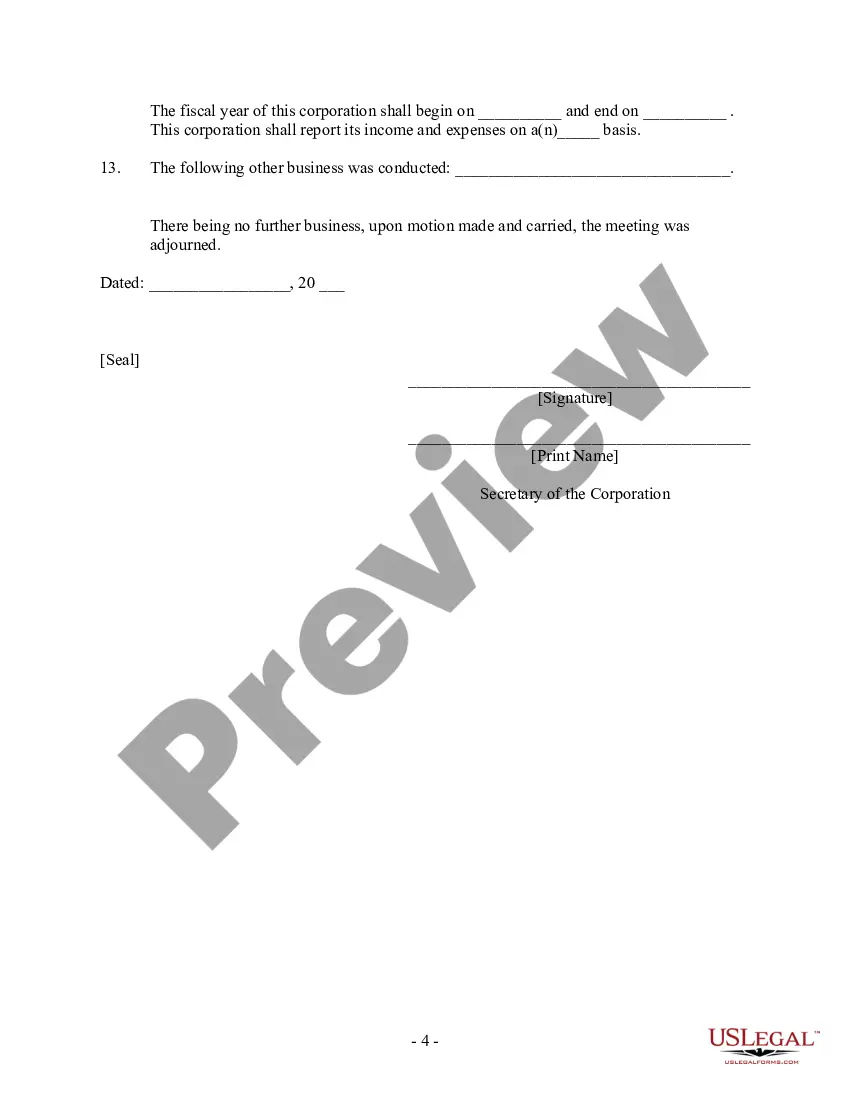
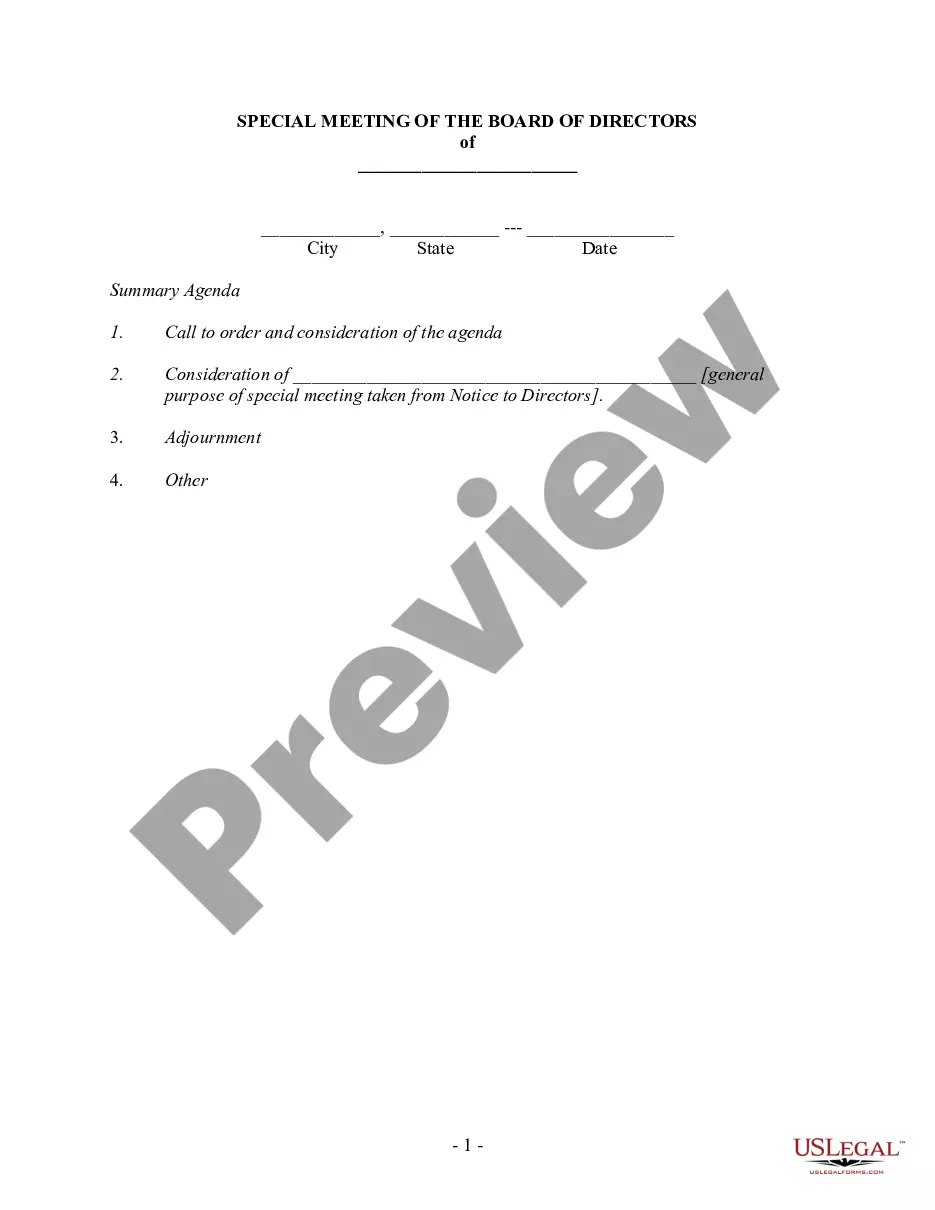
Acta Directorio With Translation In Utah
Description


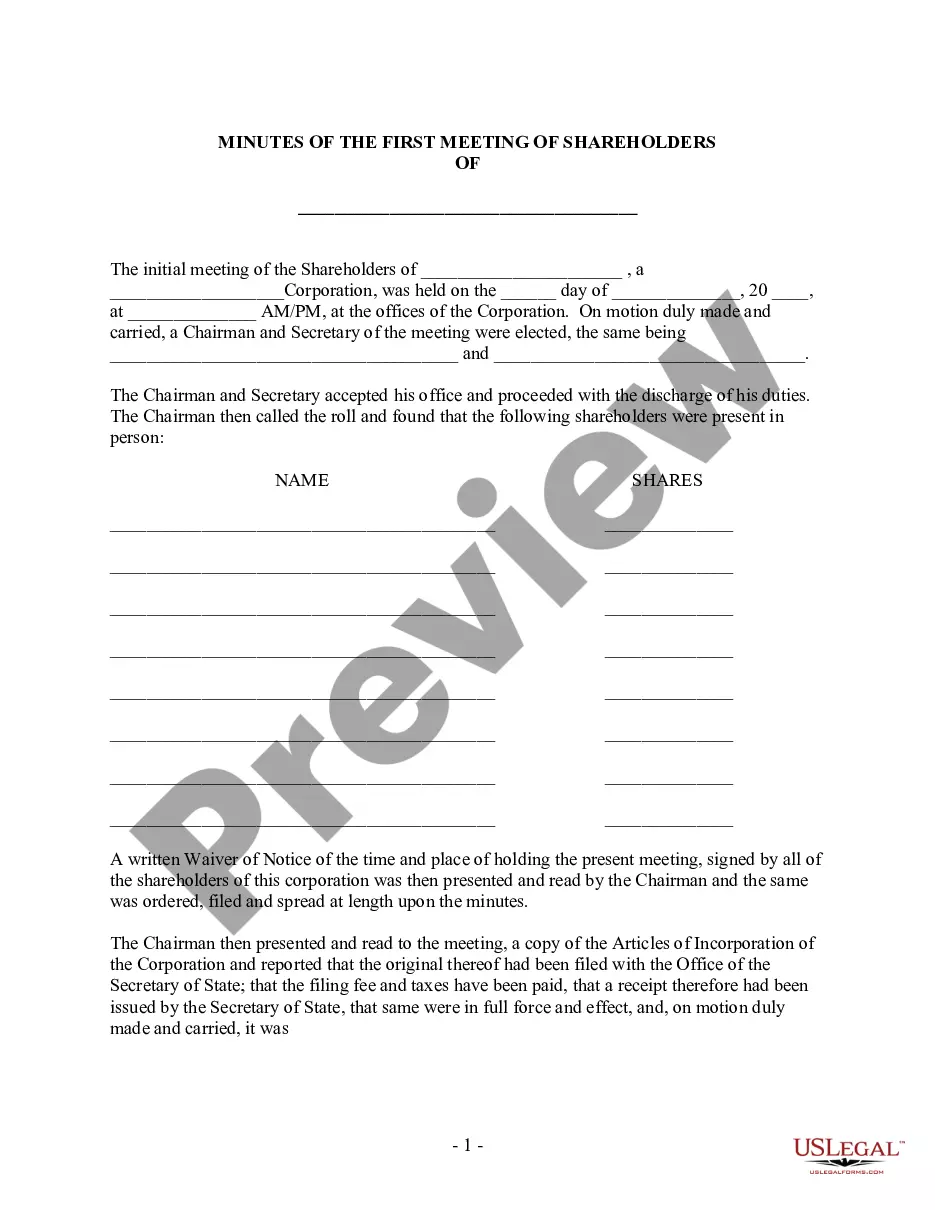
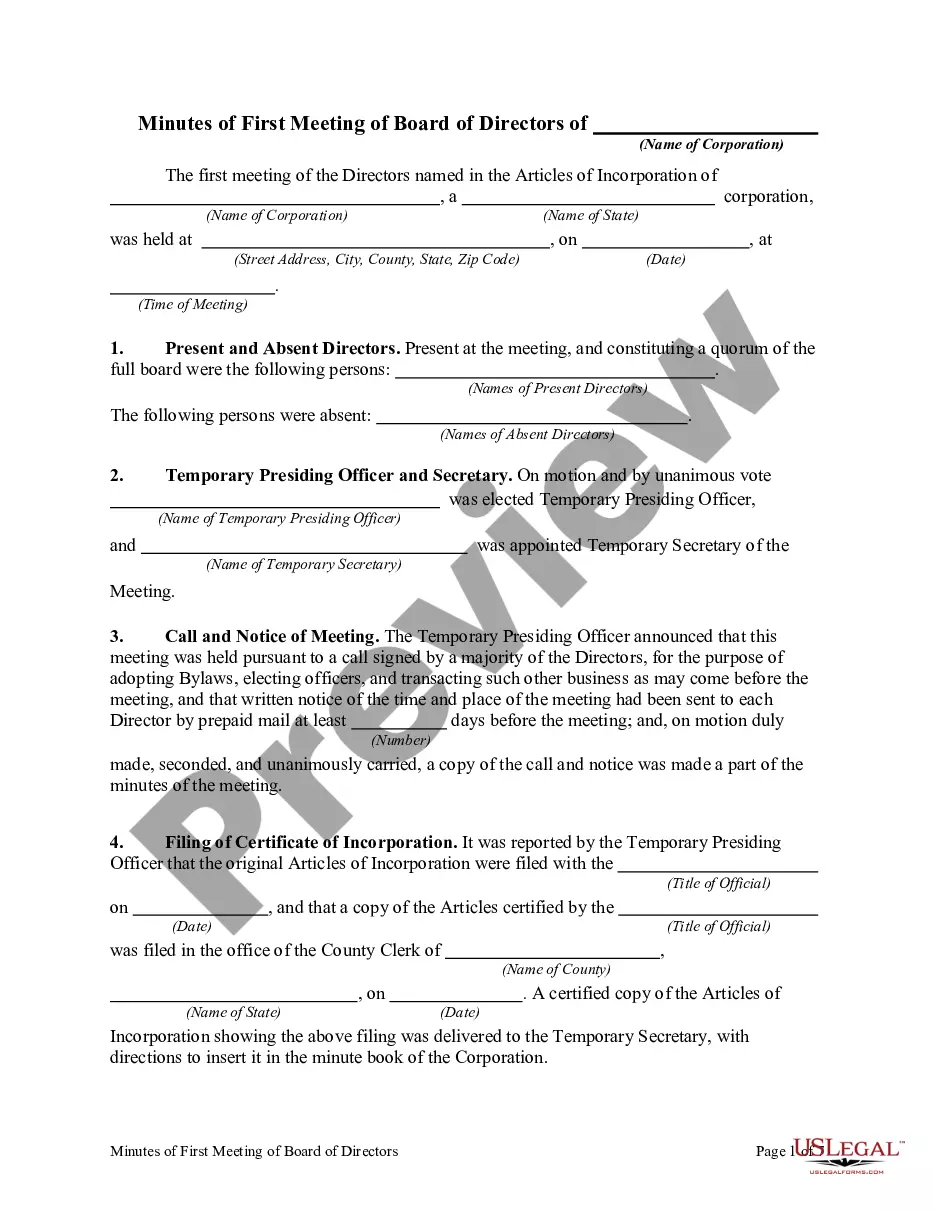
Get your form ready online
Our built-in tools help you complete, sign, share, and store your documents in one place.
Make edits, fill in missing information, and update formatting in US Legal Forms—just like you would in MS Word.
Download a copy, print it, send it by email, or mail it via USPS—whatever works best for your next step.
Sign and collect signatures with our SignNow integration. Send to multiple recipients, set reminders, and more. Go Premium to unlock E-Sign.
If this form requires notarization, complete it online through a secure video call—no need to meet a notary in person or wait for an appointment.
We protect your documents and personal data by following strict security and privacy standards.

Make edits, fill in missing information, and update formatting in US Legal Forms—just like you would in MS Word.

Download a copy, print it, send it by email, or mail it via USPS—whatever works best for your next step.

Sign and collect signatures with our SignNow integration. Send to multiple recipients, set reminders, and more. Go Premium to unlock E-Sign.

If this form requires notarization, complete it online through a secure video call—no need to meet a notary in person or wait for an appointment.

We protect your documents and personal data by following strict security and privacy standards.
Looking for another form?


Form popularity
FAQ
In addition to the basic requirements of an English written test, a test on the Interpreter Code of Professional Responsibility, a 2-Day Orientation, a background check, and 10 hours of observation, a certified interpreter has completed a five-day training course and passed a three-part examination on the modes of ...
The person certifying the translation must that state s/he is fluent or conversant in English and the foreign language, and that the translation is accurate. The certification should include the certifier's name, signature, address, and date of certification.
In the United States, immigration documents do not require a notarized translation. However, USCIS (the United States Citizenship and Immigration Services) does require documents in a foreign language to be submitted with a certified translation.
Notarizing a translated document is relatively straightforward. The translator will sign their translation in front of the notary public, who will then notarize it. The notary usually requests an ID from the translator so they can verify their identity.
Get A Professional Translation Rush Translate specializes in providing certified translations that meet the USCIS guidelines. They even offer a USCIS acceptance guarantee to give you total peace of mind that their translation will be accepted.