Board Minutes For Directors Loan In Travis
Description

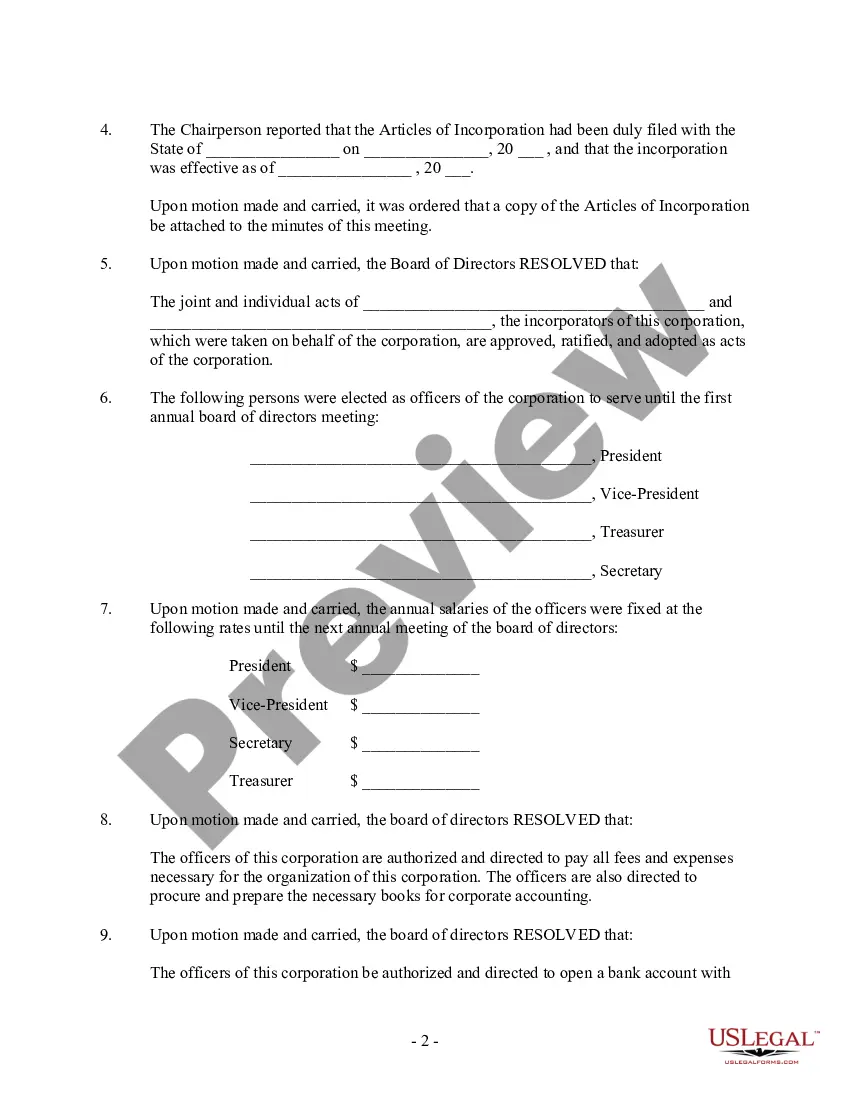
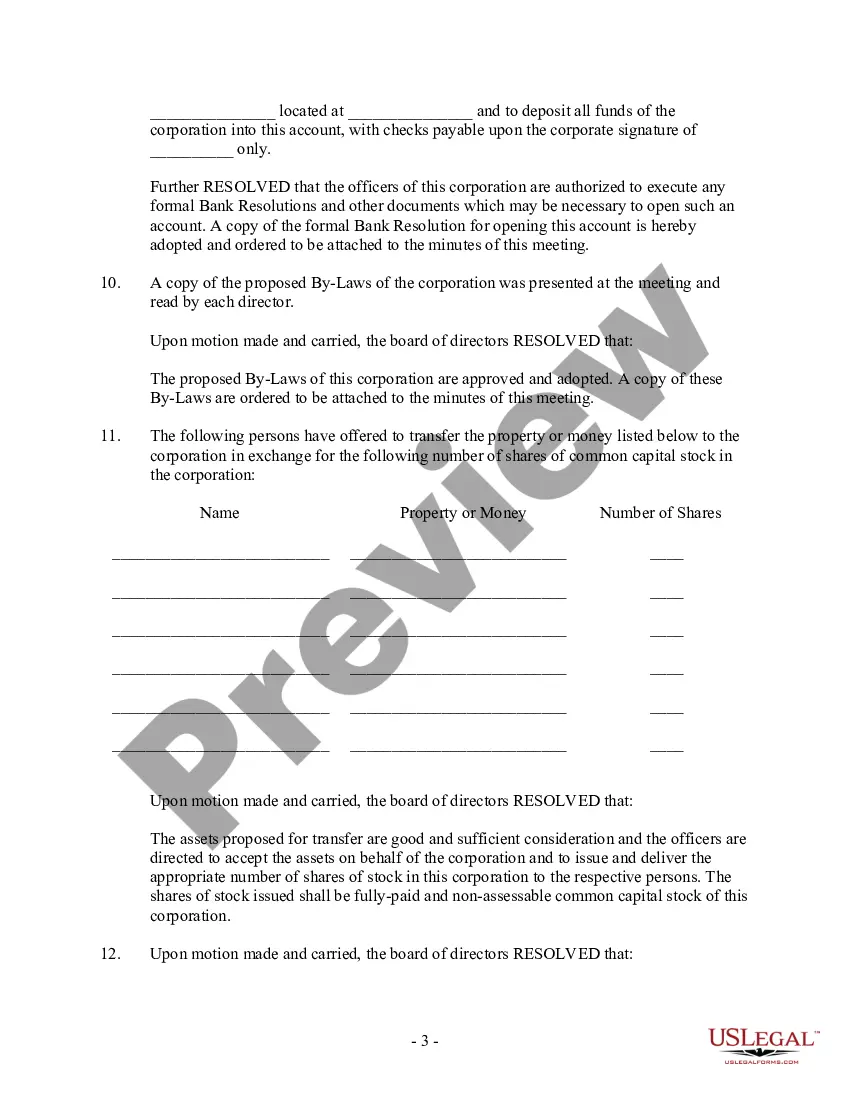
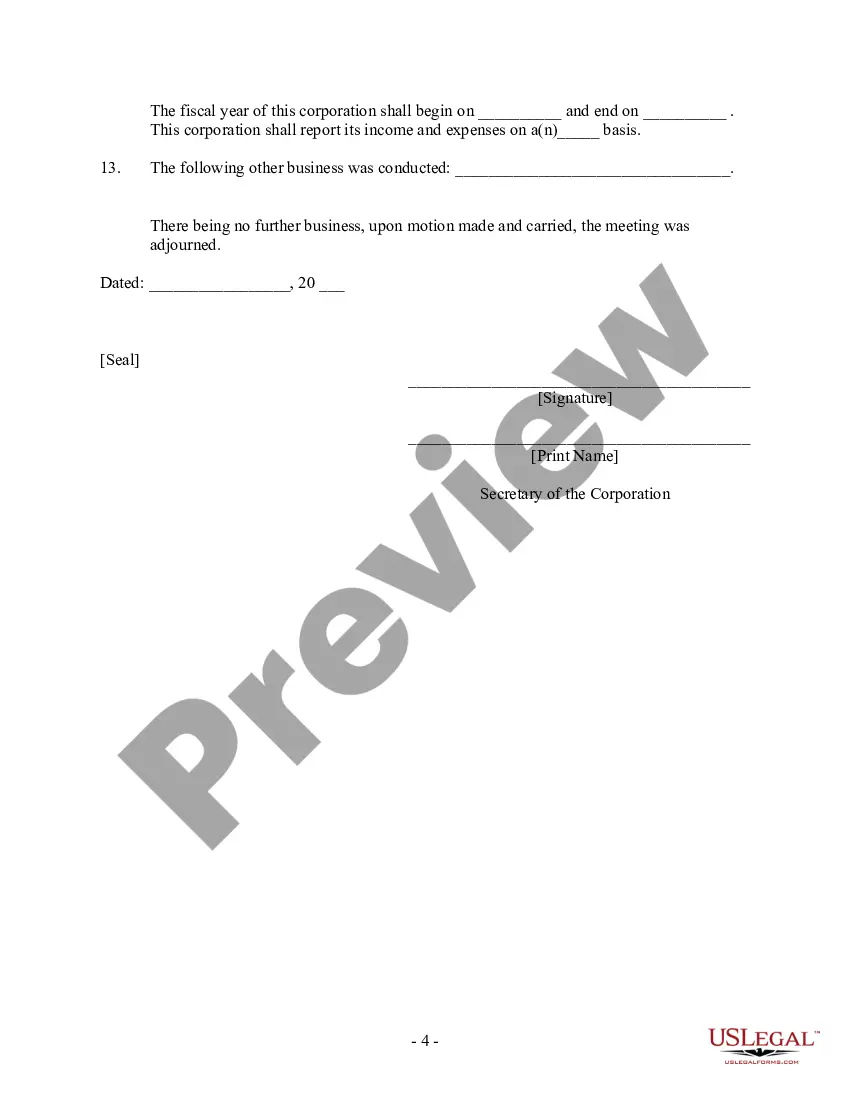

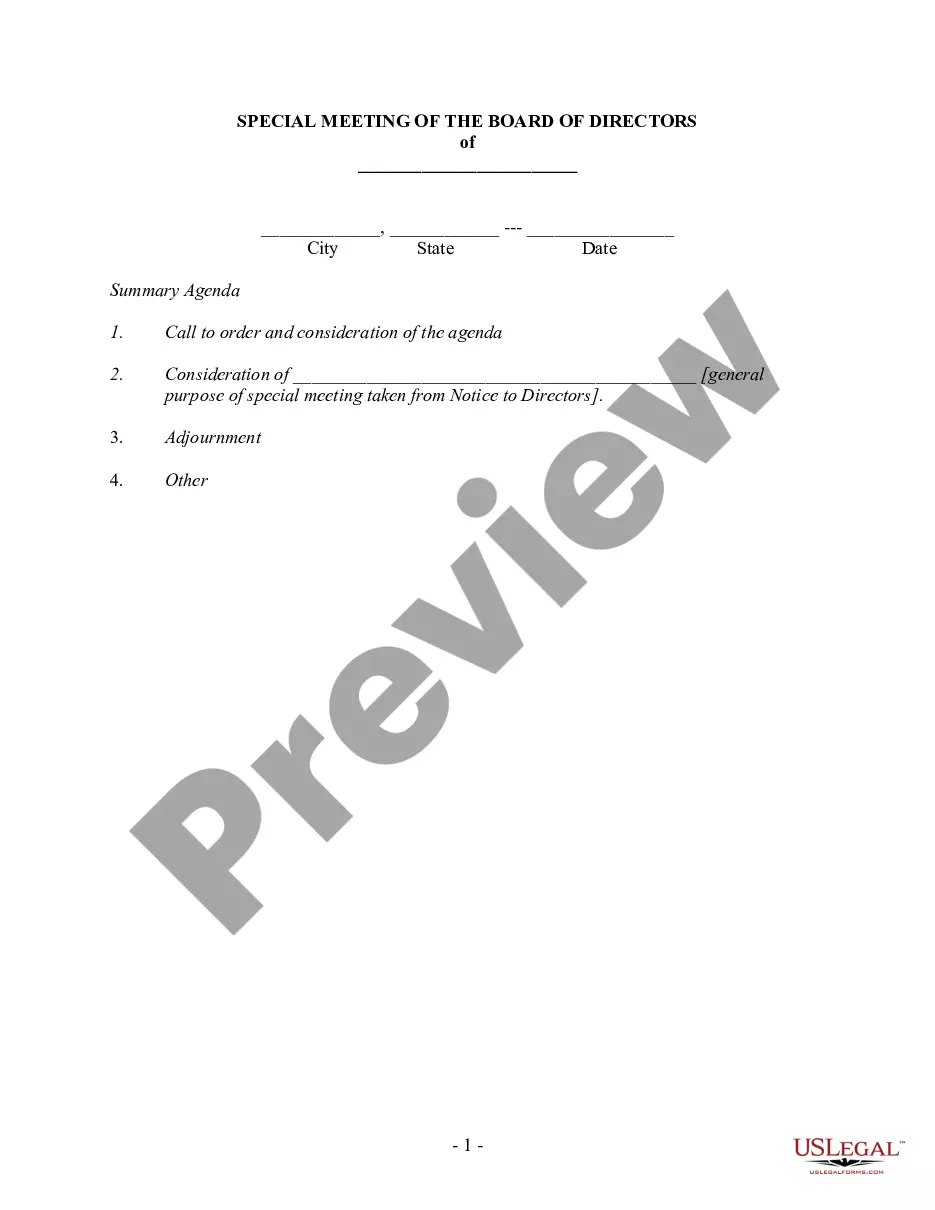
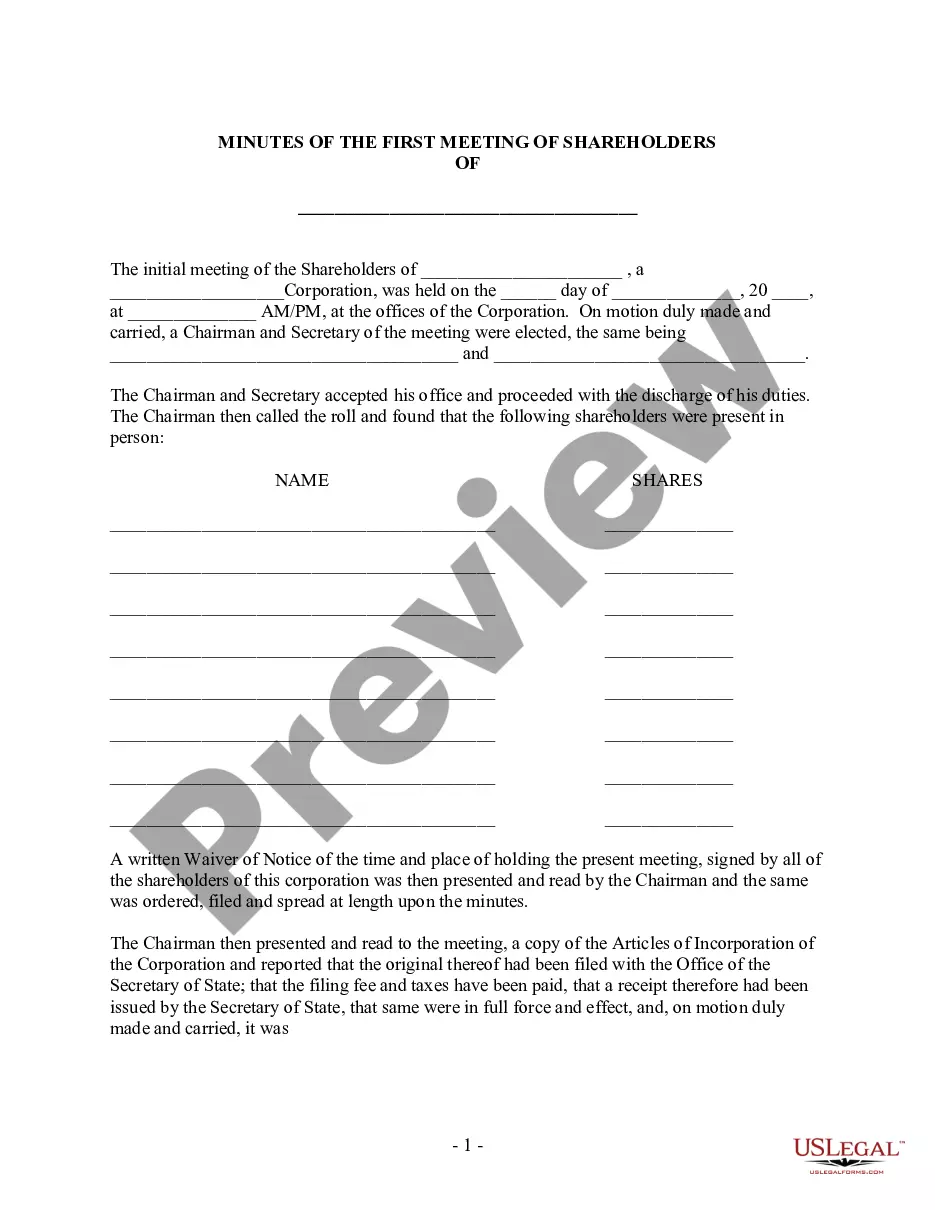
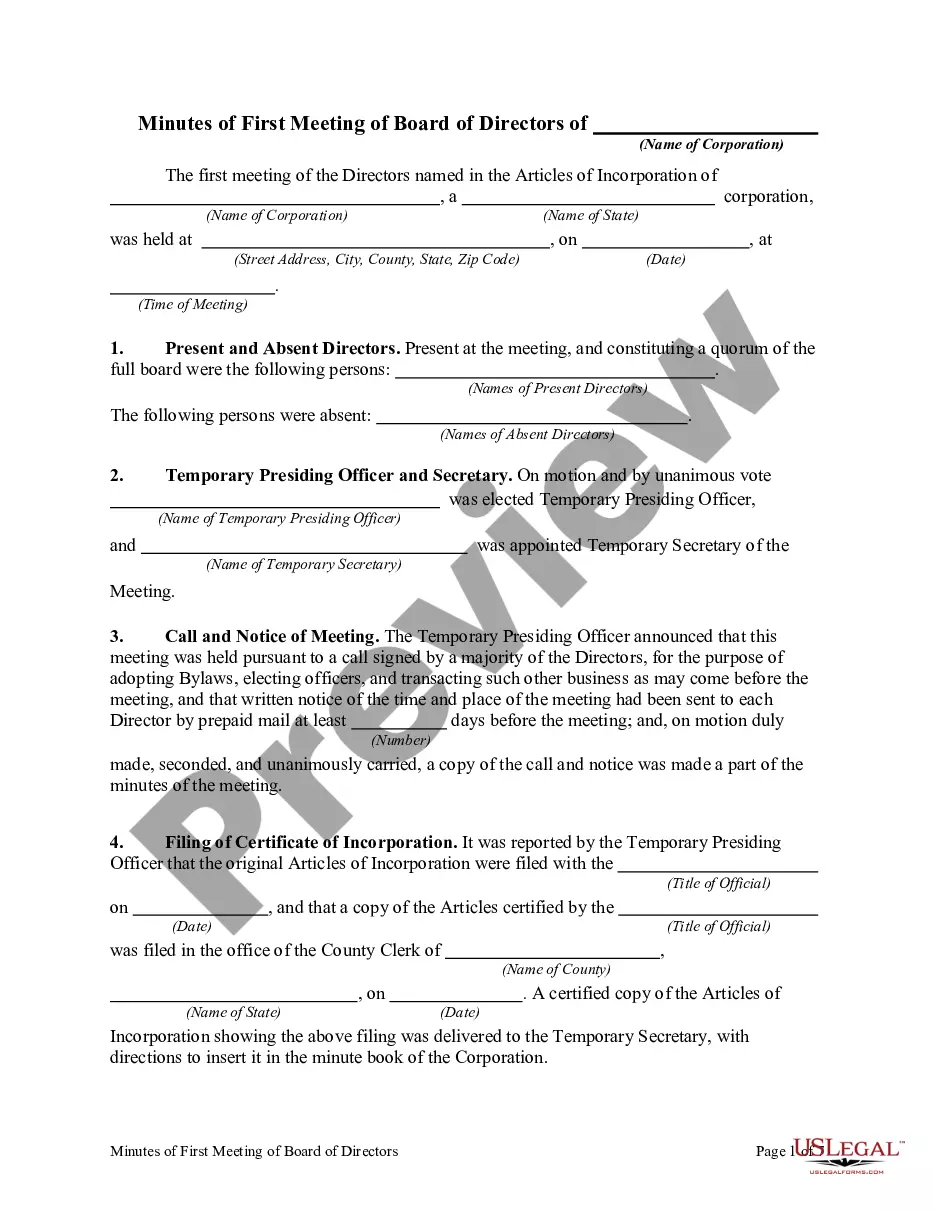
Get your form ready online
Our built-in tools help you complete, sign, share, and store your documents in one place.
Make edits, fill in missing information, and update formatting in US Legal Forms—just like you would in MS Word.
Download a copy, print it, send it by email, or mail it via USPS—whatever works best for your next step.
Sign and collect signatures with our SignNow integration. Send to multiple recipients, set reminders, and more. Go Premium to unlock E-Sign.
If this form requires notarization, complete it online through a secure video call—no need to meet a notary in person or wait for an appointment.
We protect your documents and personal data by following strict security and privacy standards.

Make edits, fill in missing information, and update formatting in US Legal Forms—just like you would in MS Word.

Download a copy, print it, send it by email, or mail it via USPS—whatever works best for your next step.

Sign and collect signatures with our SignNow integration. Send to multiple recipients, set reminders, and more. Go Premium to unlock E-Sign.

If this form requires notarization, complete it online through a secure video call—no need to meet a notary in person or wait for an appointment.

We protect your documents and personal data by following strict security and privacy standards.
Looking for another form?

Form popularity
FAQ
In reality, though, one of the most essential things any board will do with minutes is approve them. The approval of meeting minutes certifies that the minutes are a complete and accurate reflection of the discussions, actions and decisions that occurred during a board meeting.
They are legally required to include these details: Date, time, and location of the meeting. Record of notice of board meeting provision and acknowledgment. Names of attendees and absentees, including guests. Approval of previous meeting minutes.
There is no general requirement that board minutes be public – though some countries have laws that they must be available to members. However, not-for-profit organisations earn trust by being open about how they handle the public trust that has been granted to them.
The minutes are a factual record of business. Do not include: Opinions or judgments: Leave out statements like "a well done report" or "a heated discussion." Criticism or accolades: Criticism of members, good or bad, should not be included unless it takes the form of an official motion.
It is important to have a designated minutes-taker for a meeting, but there is no one person who specifically must take meeting minutes. In some situations it is the company secretary, in others it is the executive assistant or the administrative assistant, for example.
Board meeting minutes serve as a record for actions and resolutions. One of the most important tasks for minute taking is to make it clear what assignments, delegations, and deadlines have come out of the meeting to hold board members accountable.
In most cases, the meeting secretary will sign the approved copy of the minutes, while some boards require all present board members to sign the approved minutes.
What information do board meeting minutes contain? Meeting date, time and location. Type of meeting. Names and titles of attendees and guests. Any absent board directors. Quorum. Notes about directors who left early or re-entered the meeting. Board approvals, resolutions and acceptance of reports. Overview of discussions.
Board meeting minutes are an objective record of what took place during a board meeting. The minutes are typically used for internal purposes like record-keeping and for posterity. Minutes can serve to inform future meetings and recall what was discussed, agreed upon or dismissed by a company's board members.
Boards turn to meeting minutes as an official record of the discussions, decisions and actions agreed upon during a meeting. Likewise, minutes are essential in defending the board during legal action or regulatory scrutiny.
