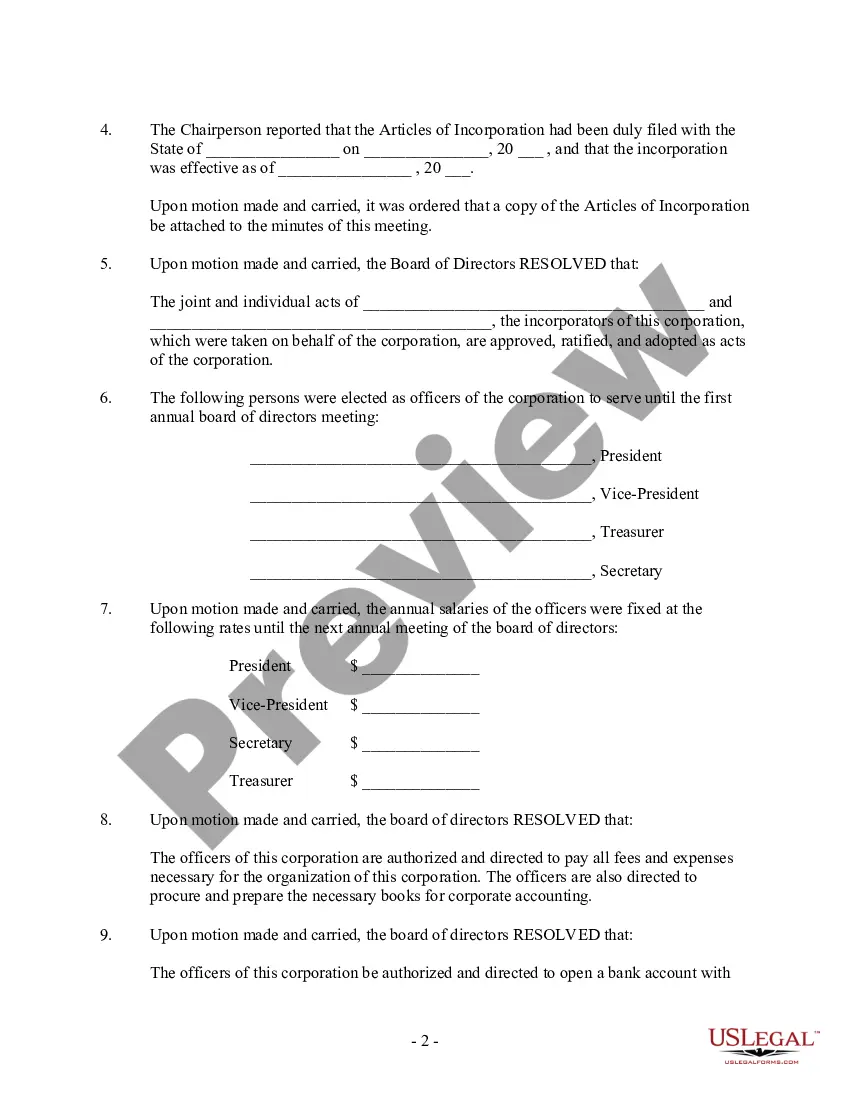
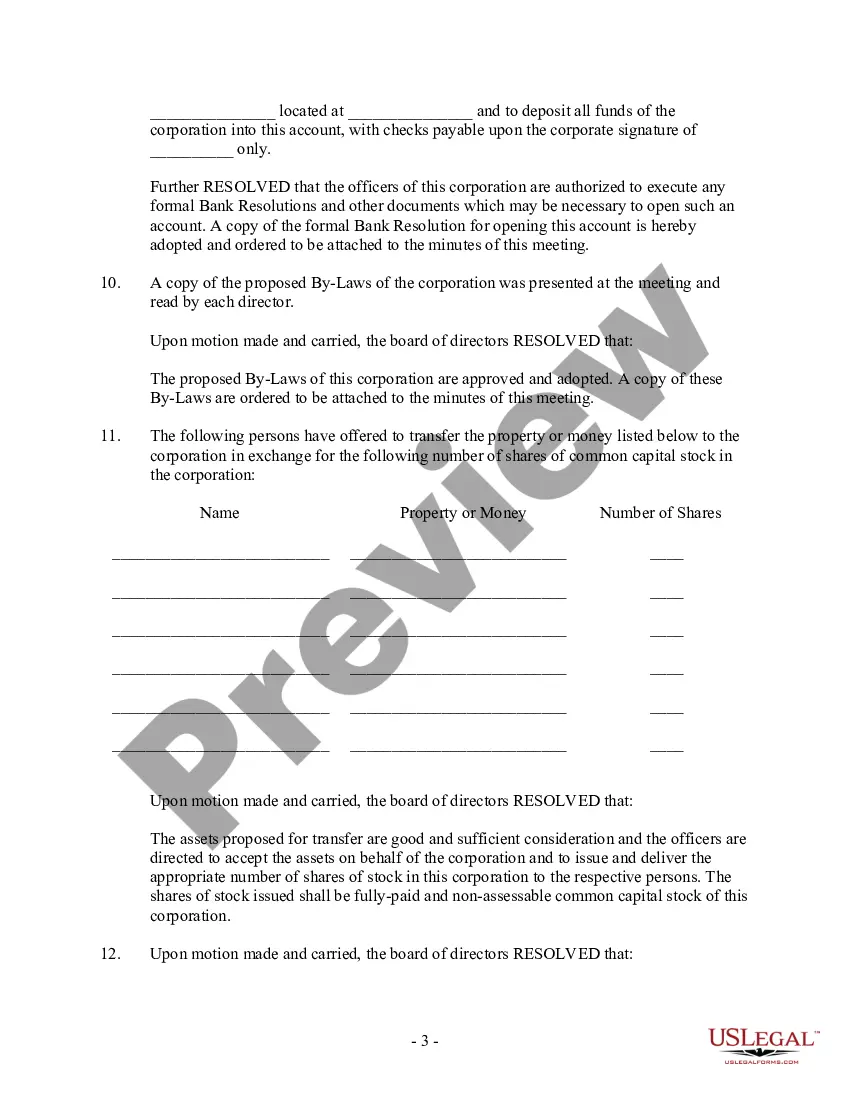
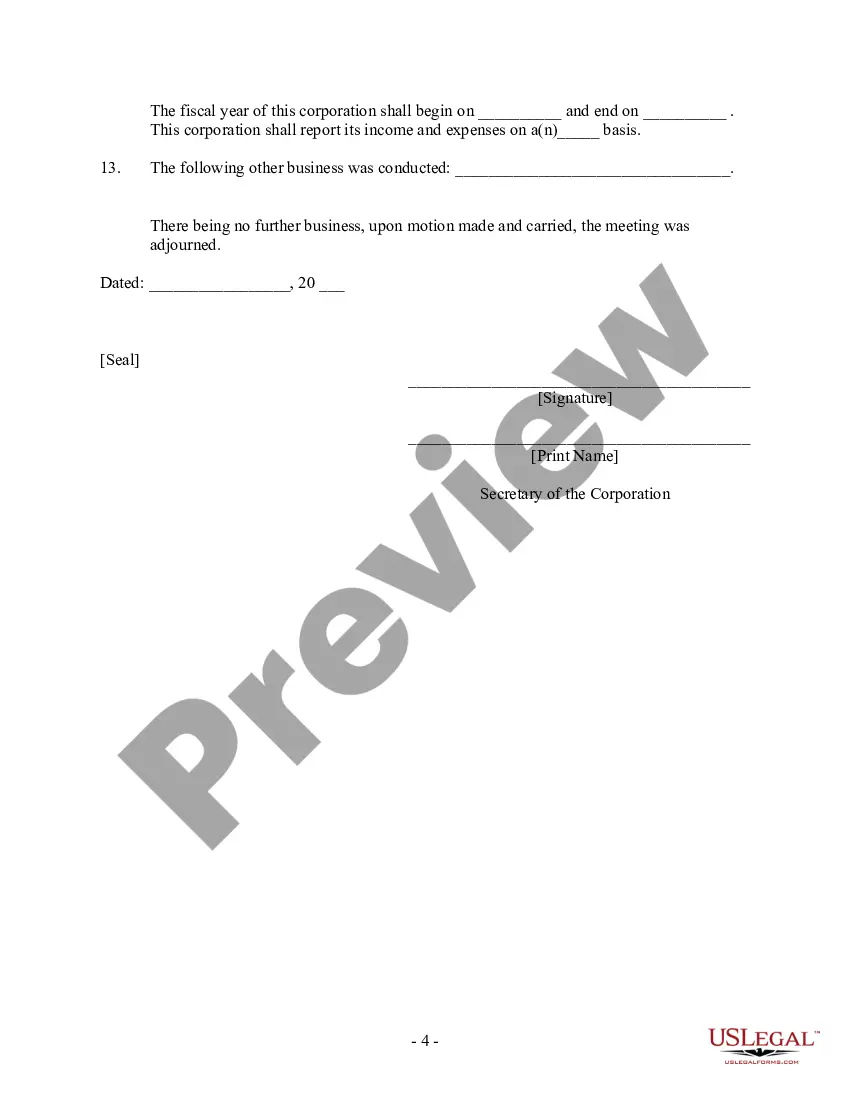
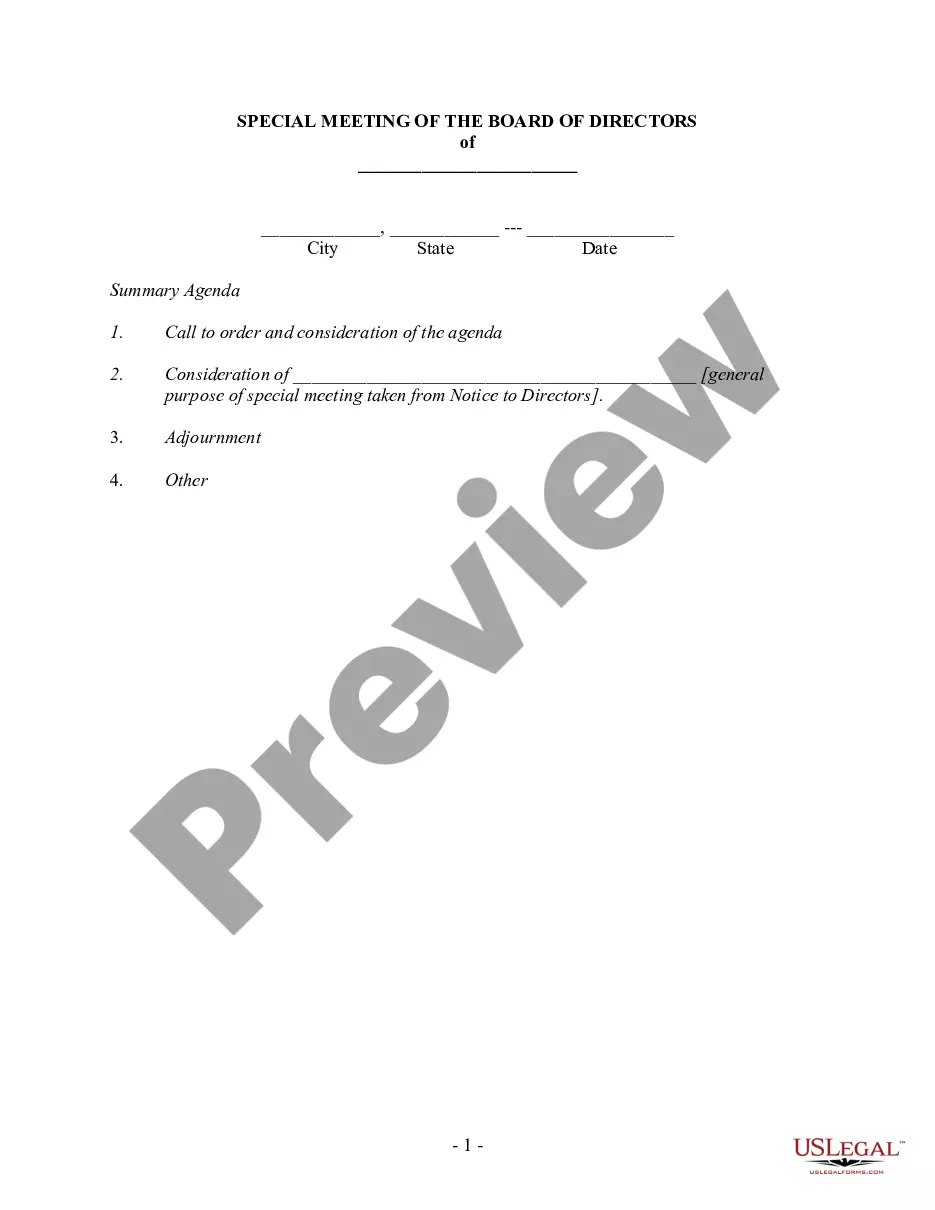
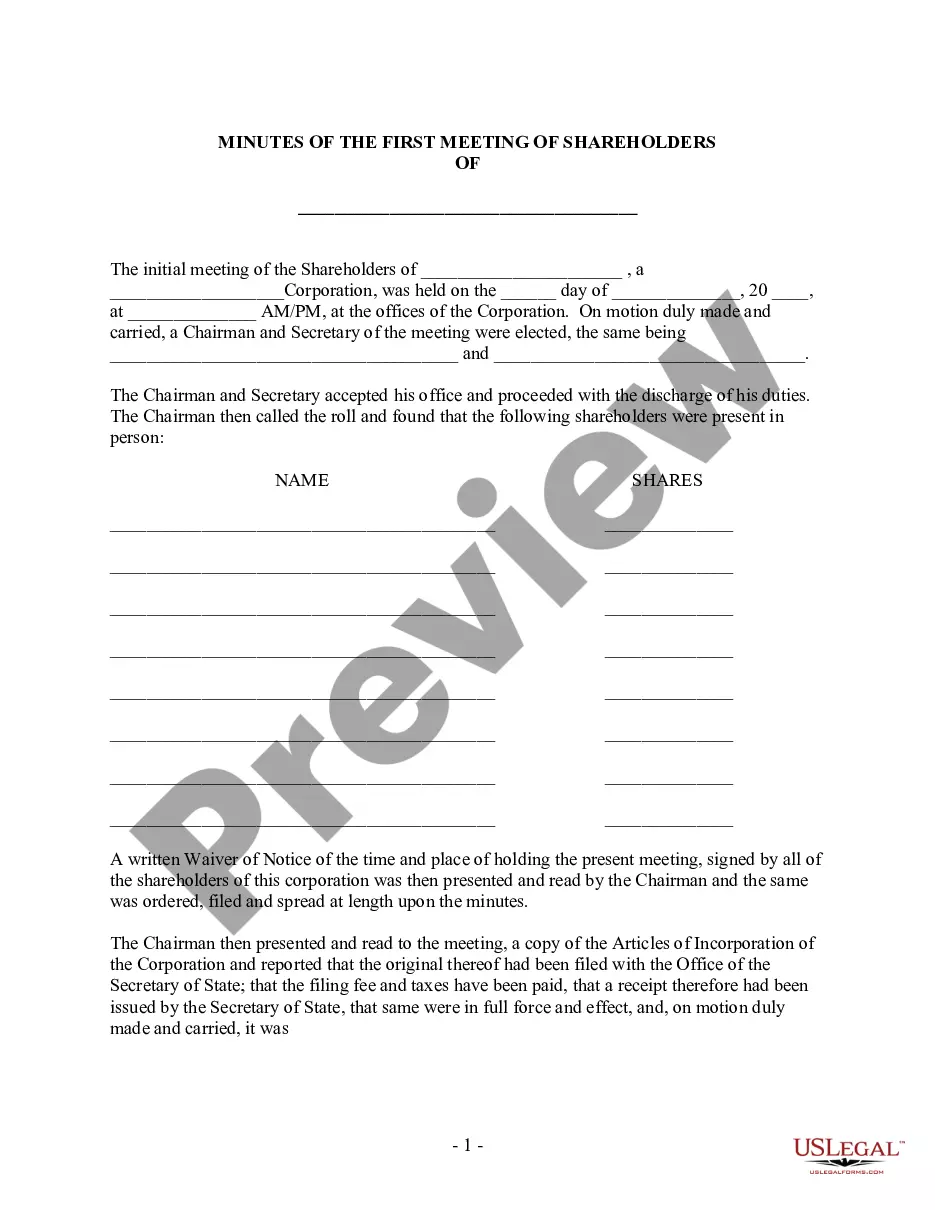
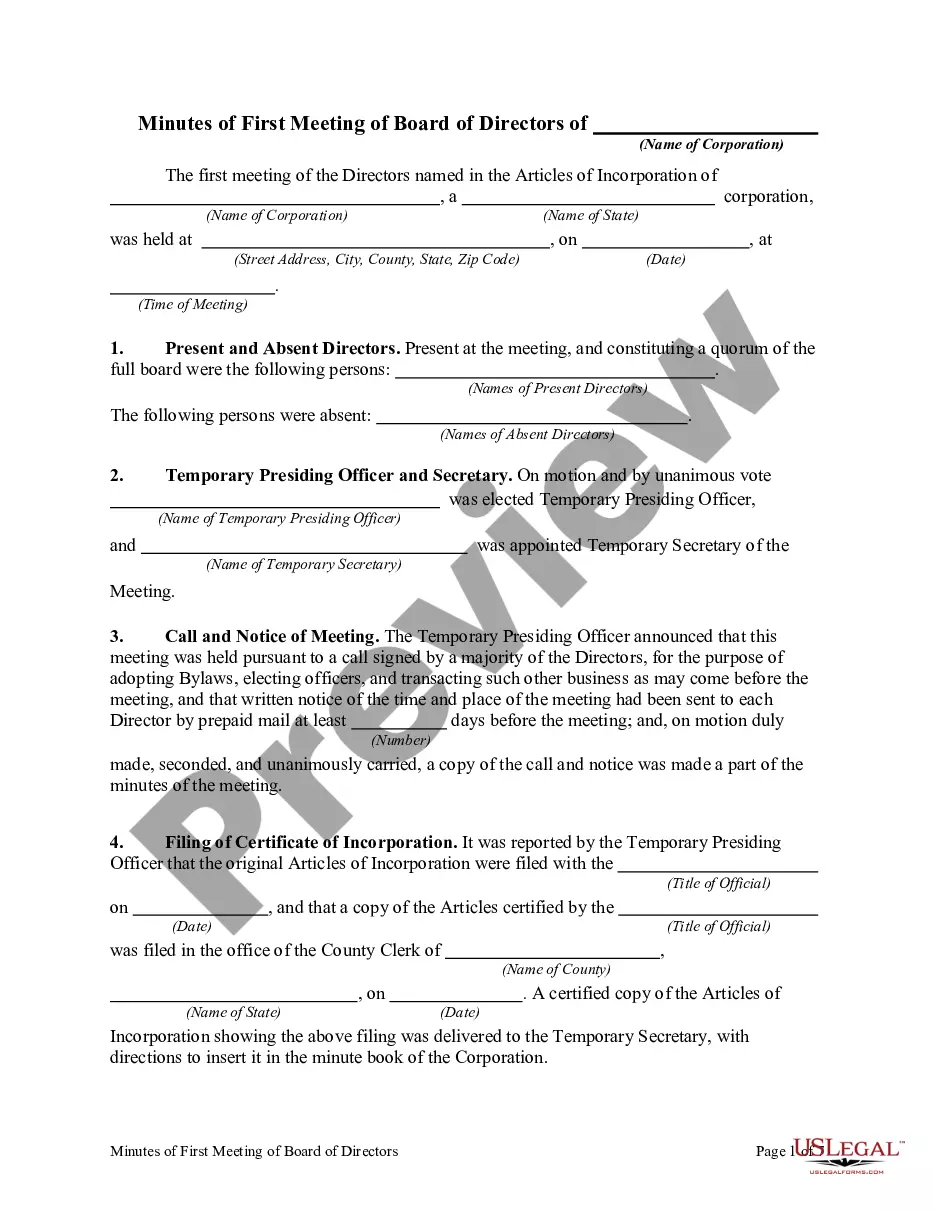
Acta Directorio With English Translation In Travis
Description


Get your form ready online
Our built-in tools help you complete, sign, share, and store your documents in one place.
Make edits, fill in missing information, and update formatting in US Legal Forms—just like you would in MS Word.
Download a copy, print it, send it by email, or mail it via USPS—whatever works best for your next step.
Sign and collect signatures with our SignNow integration. Send to multiple recipients, set reminders, and more. Go Premium to unlock E-Sign.
If this form requires notarization, complete it online through a secure video call—no need to meet a notary in person or wait for an appointment.
We protect your documents and personal data by following strict security and privacy standards.

Make edits, fill in missing information, and update formatting in US Legal Forms—just like you would in MS Word.

Download a copy, print it, send it by email, or mail it via USPS—whatever works best for your next step.

Sign and collect signatures with our SignNow integration. Send to multiple recipients, set reminders, and more. Go Premium to unlock E-Sign.

If this form requires notarization, complete it online through a secure video call—no need to meet a notary in person or wait for an appointment.

We protect your documents and personal data by following strict security and privacy standards.
Looking for another form?






Form popularity
FAQ
Acta noun, feminine (plural: actas f) The minutes record what is being discussed in the meeting.
Origin of acta1. From Latin, neuter plural of āctus “done,” past participle of agere “to do, drive”; act.
1. : recorded proceedings : official acts : transactions. the acta of the conference. 2. : narratives of deeds.
The Anti-Counterfeiting Trade Agreement (ACTA) is an agreement to create new global intellectual property (IP) enforcement standards that go beyond current international law, shifting the discussion from more democratic multilateral forums, such as the World Trade Organization (WTO) and the World Intellectual Property ...
The minutes record what is being discussed in the meeting. record n. · memorandum n. · protocol n. · journal n.
But it was the work of the scholar William Tyndale, who from 1525 to 1535 translated the New Testament and part of the Old Testament, that became the model for a series of subsequent English translations.
