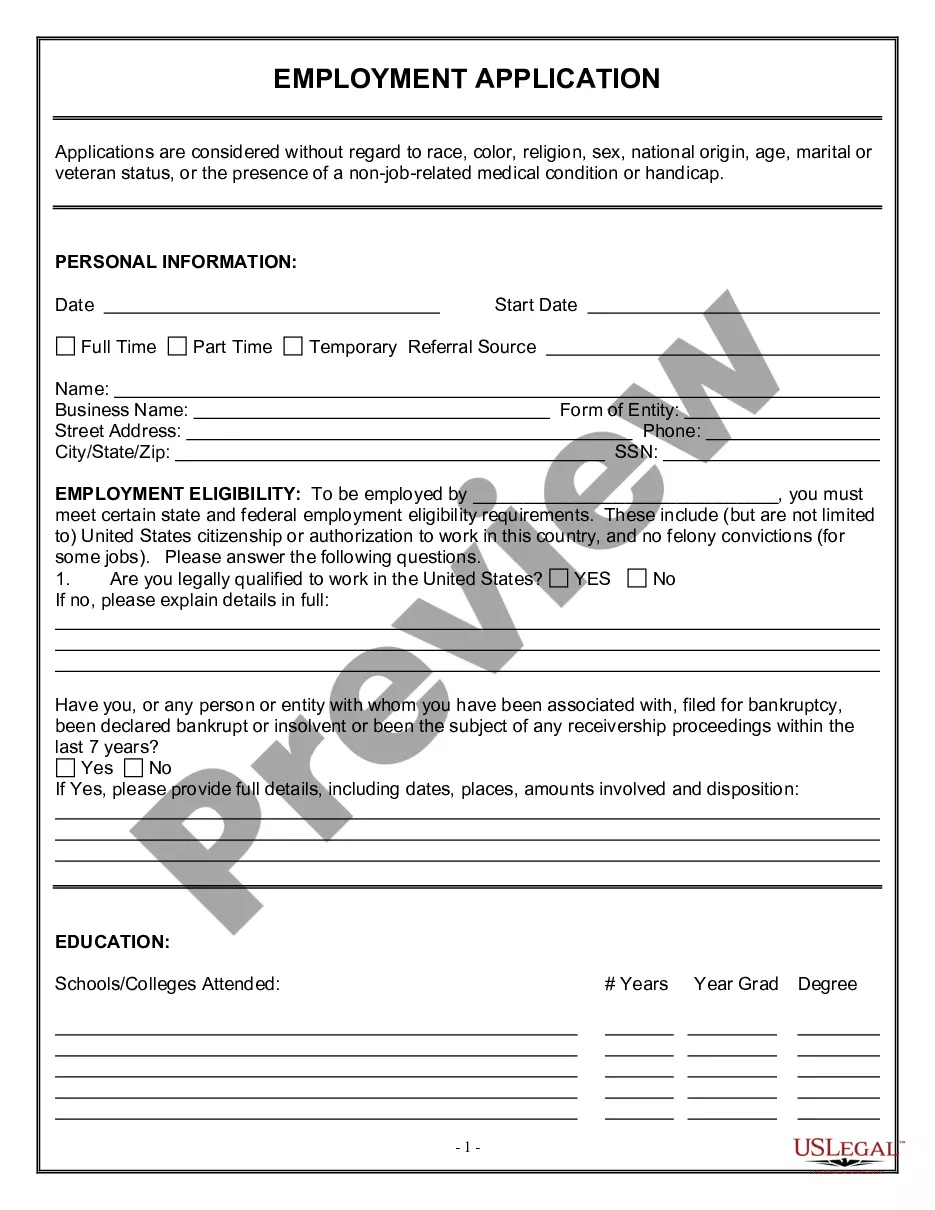
Acta Directorio With Translation In Santa Clara
Description

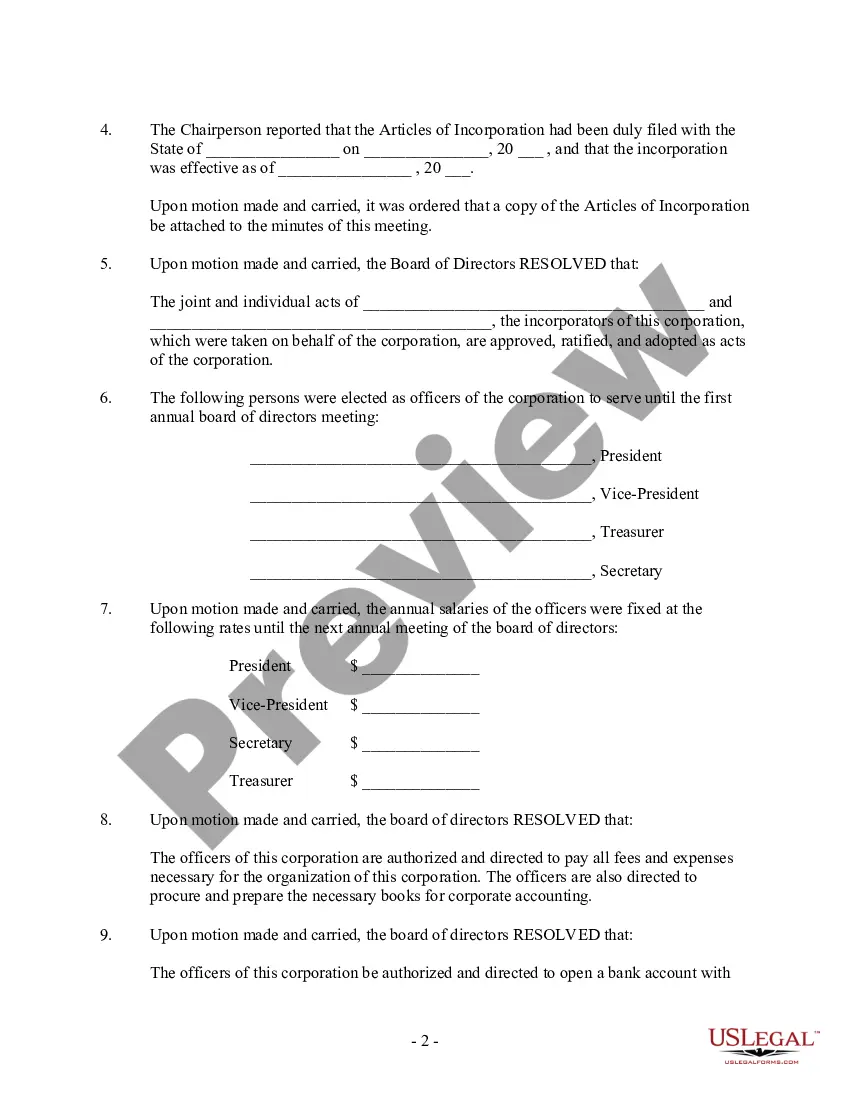
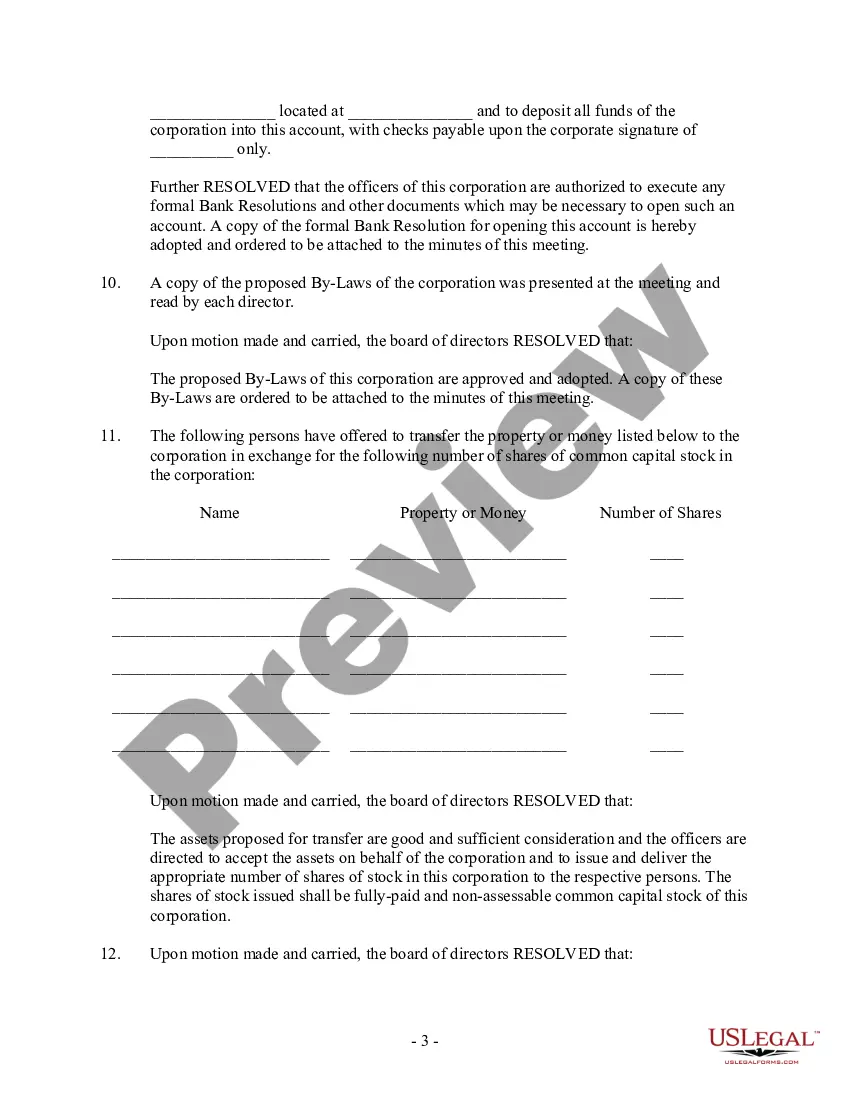
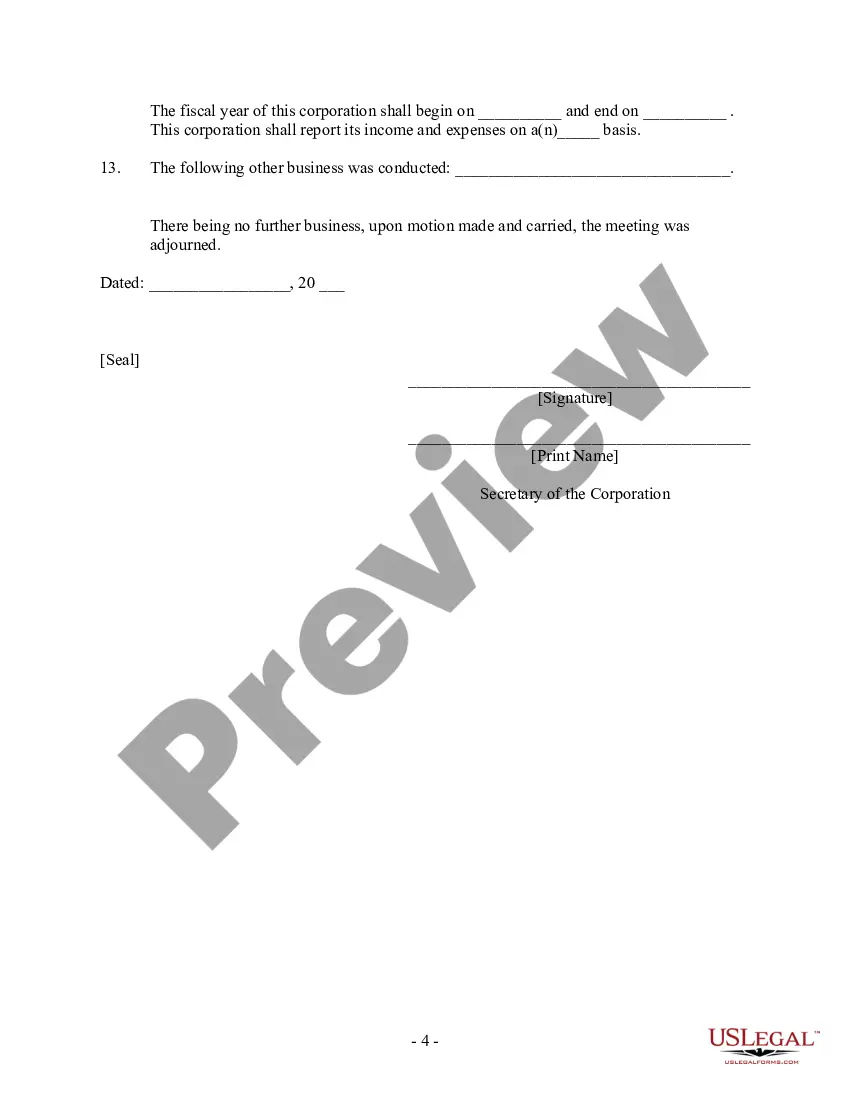

Get your form ready online
Our built-in tools help you complete, sign, share, and store your documents in one place.
Make edits, fill in missing information, and update formatting in US Legal Forms—just like you would in MS Word.
Download a copy, print it, send it by email, or mail it via USPS—whatever works best for your next step.
Sign and collect signatures with our SignNow integration. Send to multiple recipients, set reminders, and more. Go Premium to unlock E-Sign.
If this form requires notarization, complete it online through a secure video call—no need to meet a notary in person or wait for an appointment.
We protect your documents and personal data by following strict security and privacy standards.

Make edits, fill in missing information, and update formatting in US Legal Forms—just like you would in MS Word.

Download a copy, print it, send it by email, or mail it via USPS—whatever works best for your next step.

Sign and collect signatures with our SignNow integration. Send to multiple recipients, set reminders, and more. Go Premium to unlock E-Sign.

If this form requires notarization, complete it online through a secure video call—no need to meet a notary in person or wait for an appointment.

We protect your documents and personal data by following strict security and privacy standards.
Looking for another form?






Form popularity
FAQ
What do you need to certify a translation? A statement of the translator's qualifications. A statement that confirms the translation is complete and accurate. A reference to the translated document and the language it is in. The date of issue. The translator's full name and signature.
A certified translation is accompanied by a signed statement from the translator attesting to the completeness and accuracy of the document. Legal and official documents often require this certification to ensure their acceptance by governmental and other authoritative bodies.
In your browser, go to Google Translate. At the top, click Documents. Choose the languages to translate to and from. To automatically set the original language of a document, click Detect language.
A certification statement should include the following information at a minimum. A statement of the translator's qualifications. A statement affirming the completeness and accuracy of the document. Identification of the translated document and language. The translator's name, signature, and date.
THE ATA TEST The ATA exam was designed to test your translation abilities at a professional level. The three-hour exam for certified translation features three different passages, each 225-275 words in length. Throughout the proctored exam, you must translate two of the three passages to the best of your ability.
A certified translation consists of the source-language text, the target-language text, and a statement signed by the translator or translation company representative that the translator or translation company representative believes the target-language text to be an accurate and complete translation of the source- ...
In the United States, any individual or company can certify a translation. The translator does not need to be certified or accredited by an organization such as the American Translators Association. This means that you or a family member could certify your translations.
You'll need to be fluent in at least one second language, as well as English. You'll need a good understanding of the culture of the country or communities that use that language, usually gained by living or working abroad. You'll also need excellent writing skills.
Here are your options: Immigration Lawyers and Law Firms: Many immigration lawyers work closely with experienced translators familiar with official documents. Certified Translation Services with Immigration Expertise: Some agencies specialize in translating documents specifically for immigration purposes. At home.
How to certify a translation Find an appropriate translator or translation company. Ask for a quote and delivery time. Submit an electronic copy of your documents to your translation provider. Receive your certified translation.