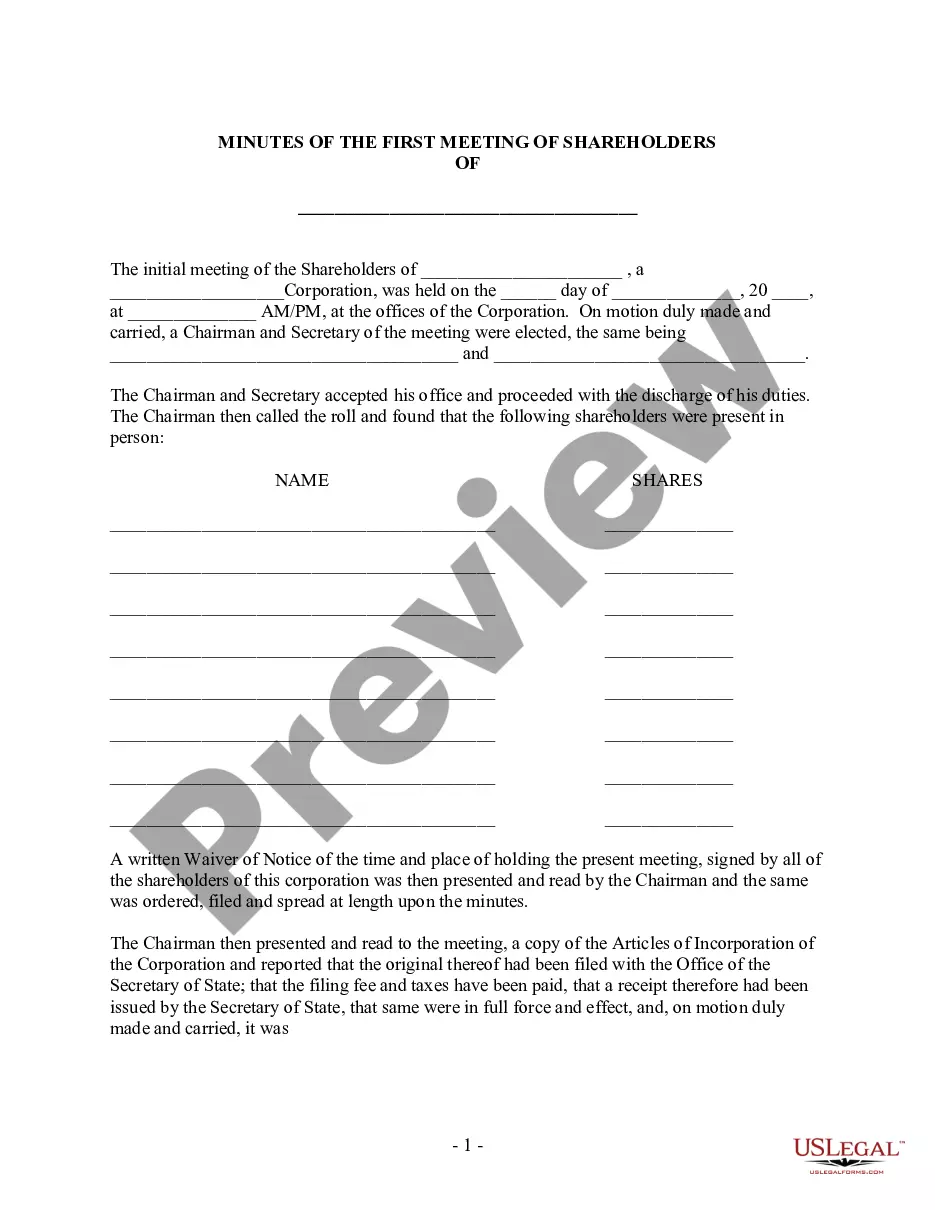
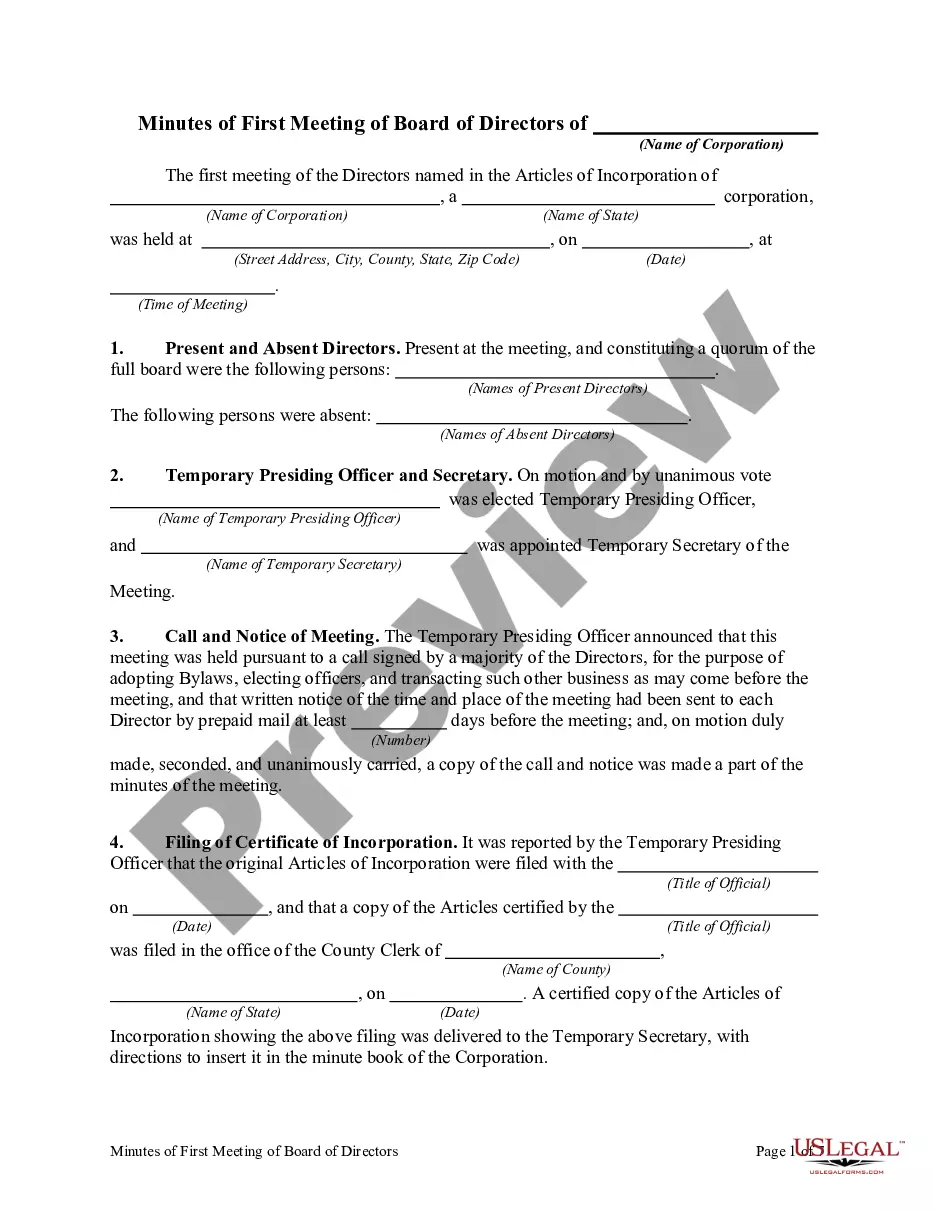
Acta Directorio Formato In Sacramento
Description

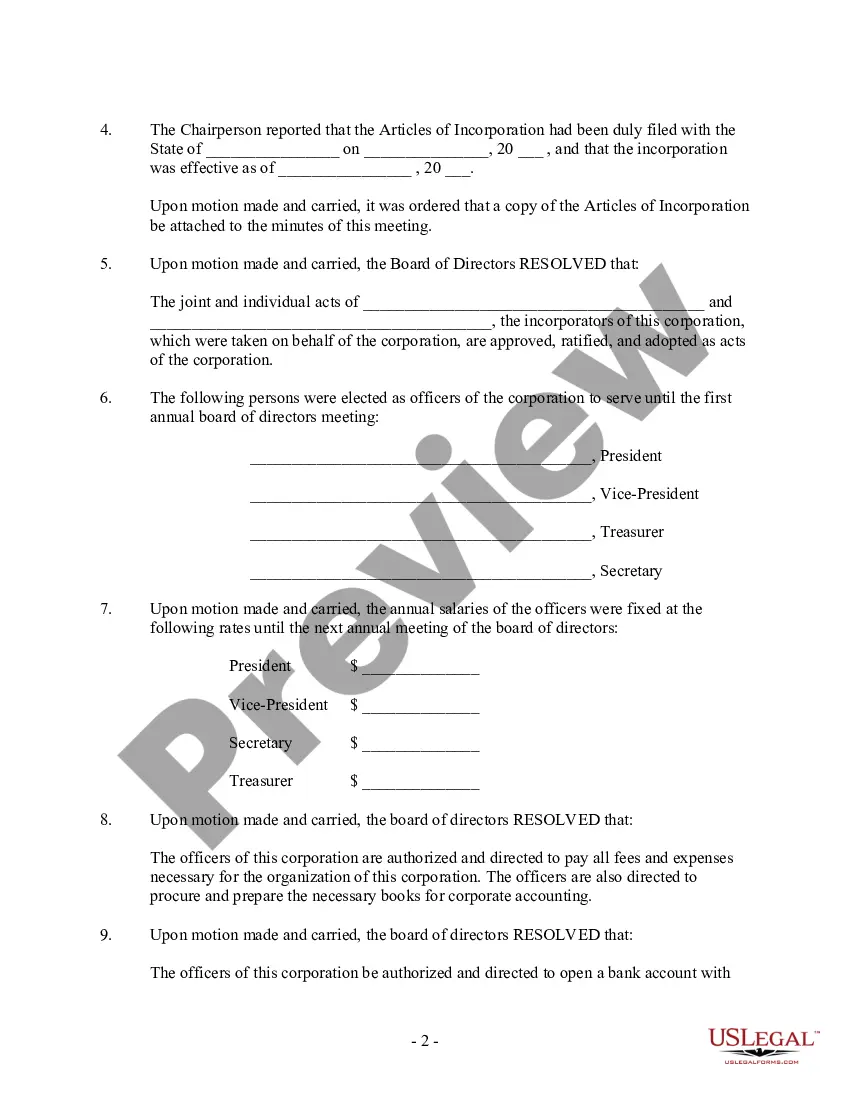
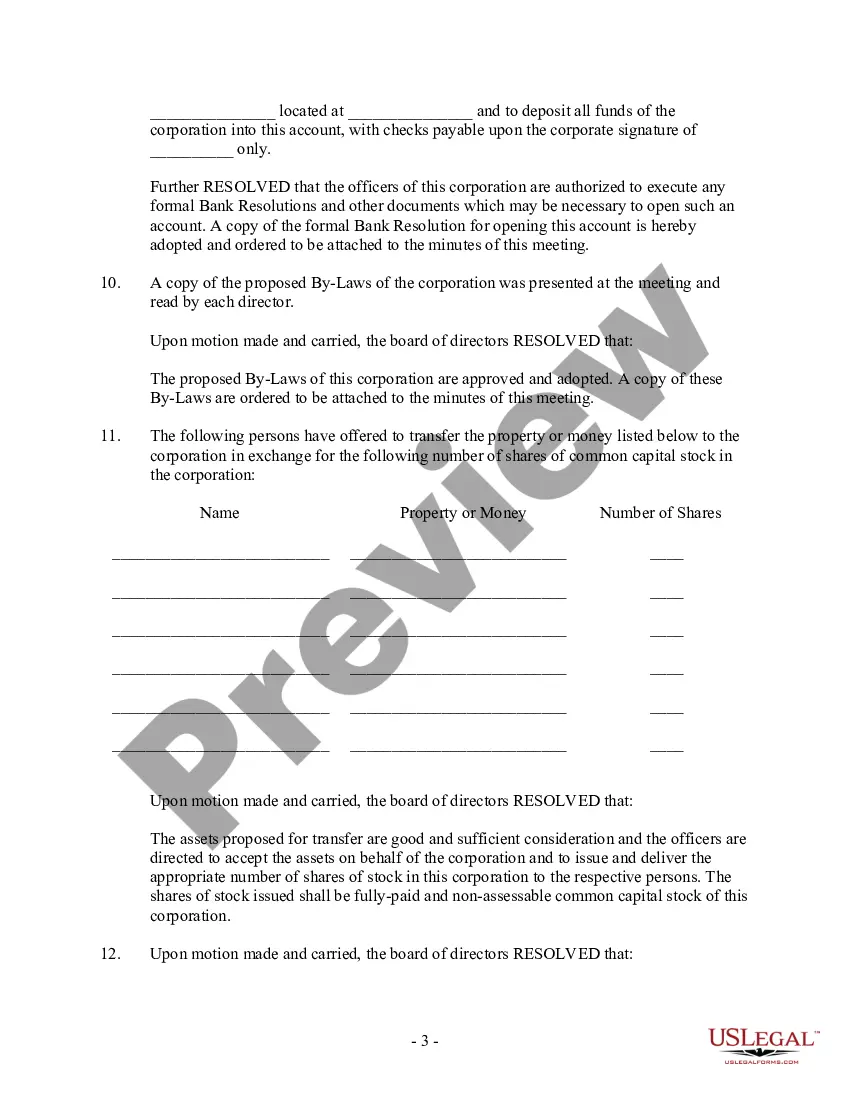
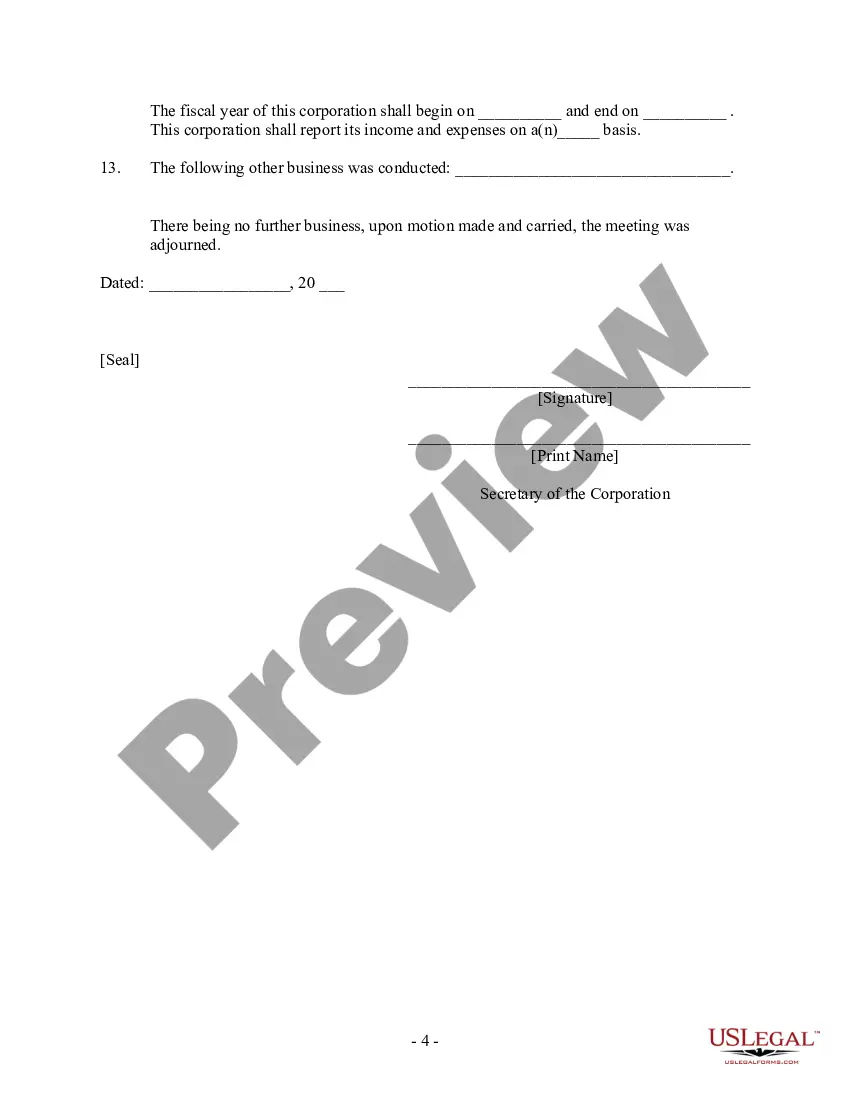

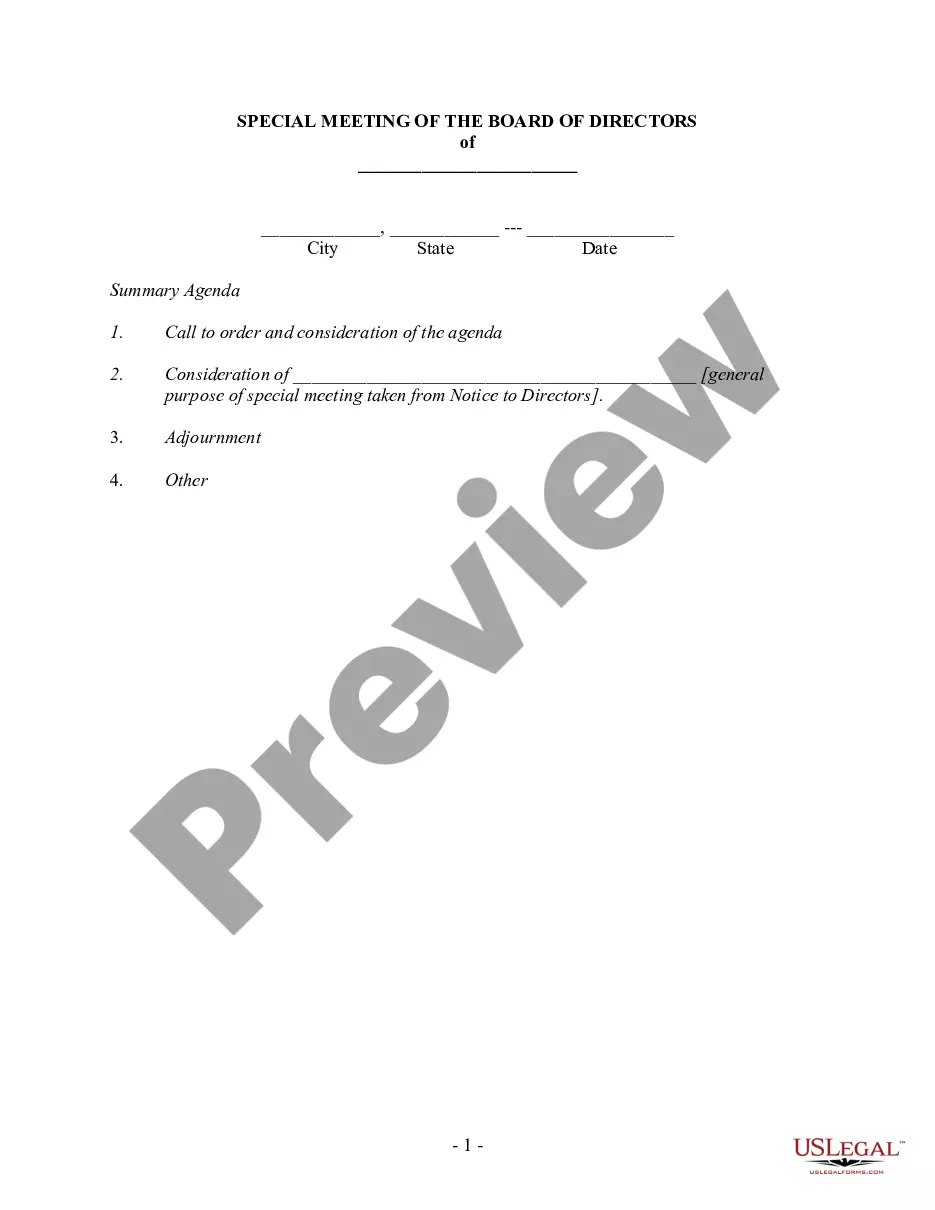
Get your form ready online
Our built-in tools help you complete, sign, share, and store your documents in one place.
Make edits, fill in missing information, and update formatting in US Legal Forms—just like you would in MS Word.
Download a copy, print it, send it by email, or mail it via USPS—whatever works best for your next step.
Sign and collect signatures with our SignNow integration. Send to multiple recipients, set reminders, and more. Go Premium to unlock E-Sign.
If this form requires notarization, complete it online through a secure video call—no need to meet a notary in person or wait for an appointment.
We protect your documents and personal data by following strict security and privacy standards.

Make edits, fill in missing information, and update formatting in US Legal Forms—just like you would in MS Word.

Download a copy, print it, send it by email, or mail it via USPS—whatever works best for your next step.

Sign and collect signatures with our SignNow integration. Send to multiple recipients, set reminders, and more. Go Premium to unlock E-Sign.

If this form requires notarization, complete it online through a secure video call—no need to meet a notary in person or wait for an appointment.

We protect your documents and personal data by following strict security and privacy standards.
Looking for another form?








Form popularity
FAQ
Personal Service: Pursuant to FRCP Rule 45(b)(1) a subpoena must be personally delivered to the person whose attendance is required by the subpoena. A person who serves the subpoena must be at least 18 years of age. A person who serves the subpoena cannot be a party to the proceeding under which the subpoena is issued.
Unlike the typical process for serving court papers, anyone over 18 - even you - can serve your subpoena. You can also serve by mail, but only if the other side has already filed papers with the court.
Subpoenas must be properly served. In general, personal service is required for a subpoena that requires someone to testify. Personal service means handing the subpoena to the person.
In California, a subpoena does not always have to be served in person, although personal service is the most common and preferred method. The California Code of Civil Procedure provides various rules for serving subpoenas, depending on the circumstances and the type of subpoena issued.
Perhaps the most important requirement is objecting in a timely manner. A motion to quash must be submitted within the timeframe specified in the subpoena notice. This is usually 20 days.
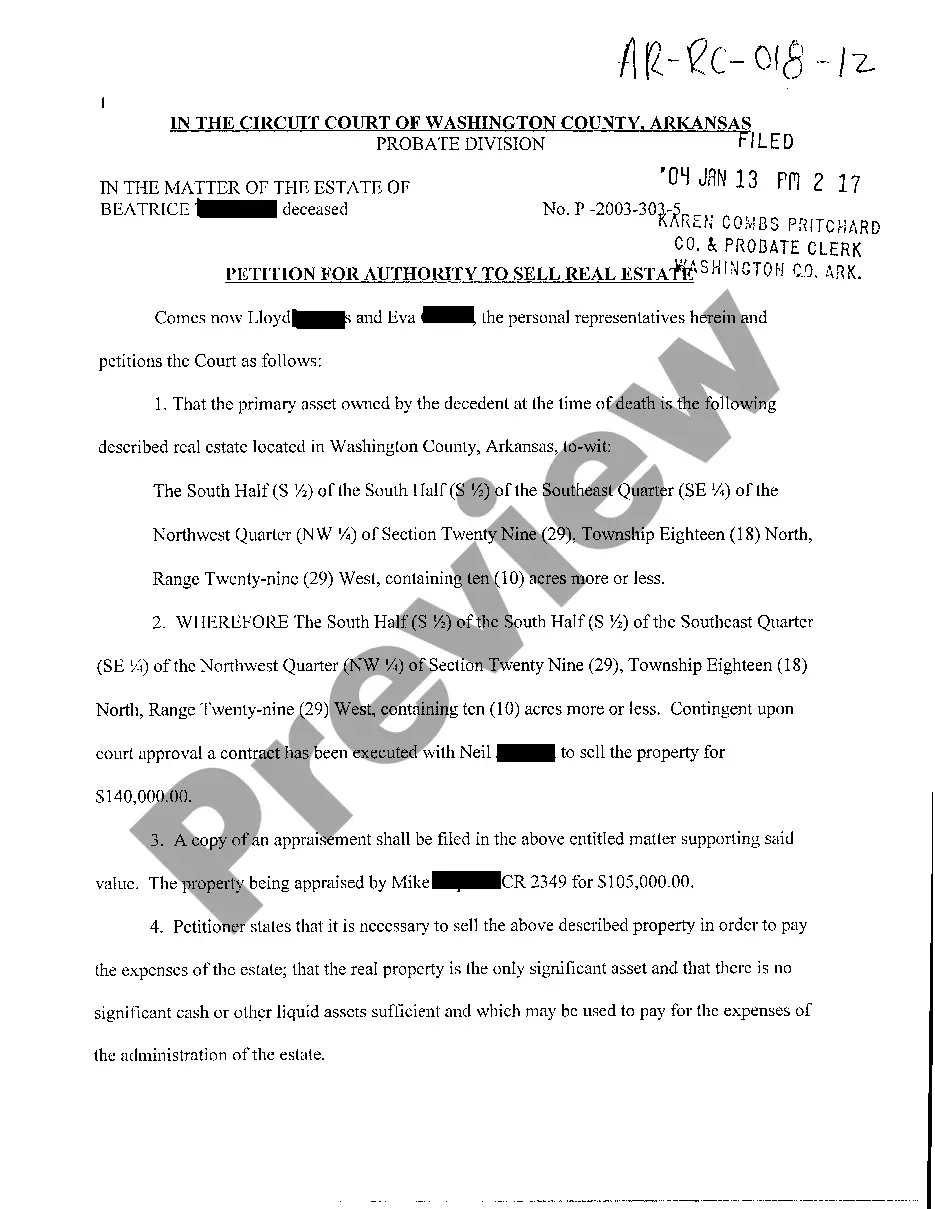
Fill out your subpoena Complete the case information in the caption. Just below the caption, write the name, address and phone number of the witness you want ordered to appear. In section 1, complete the information about your trial or hearing date. In section 2, write in your name and phone number.
