Board Meeting Corporate For Opc In Riverside
Description

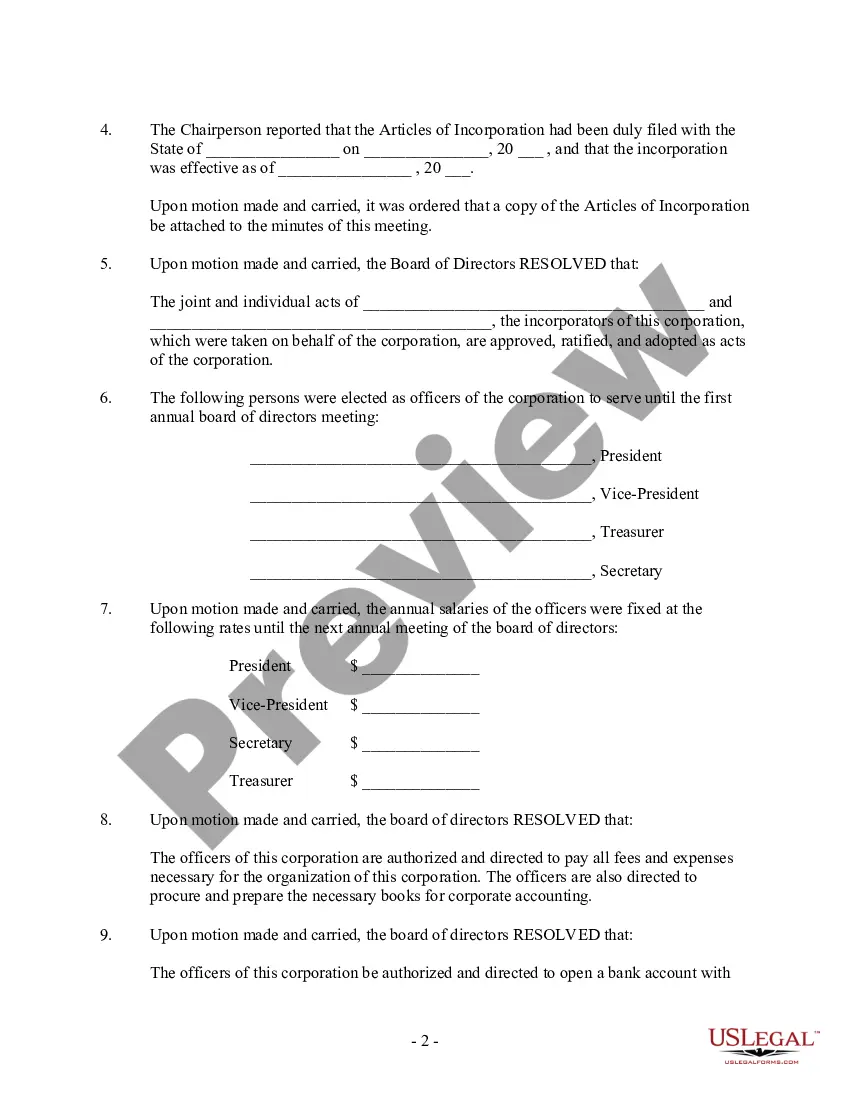
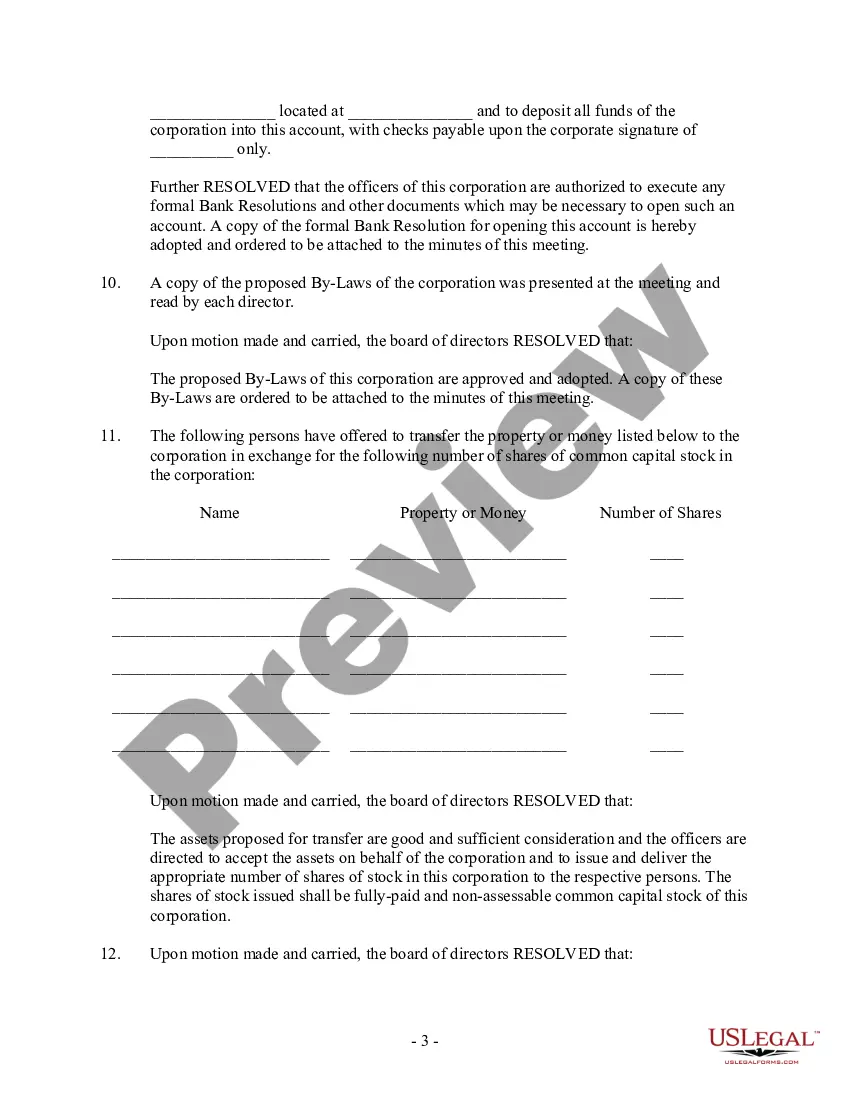


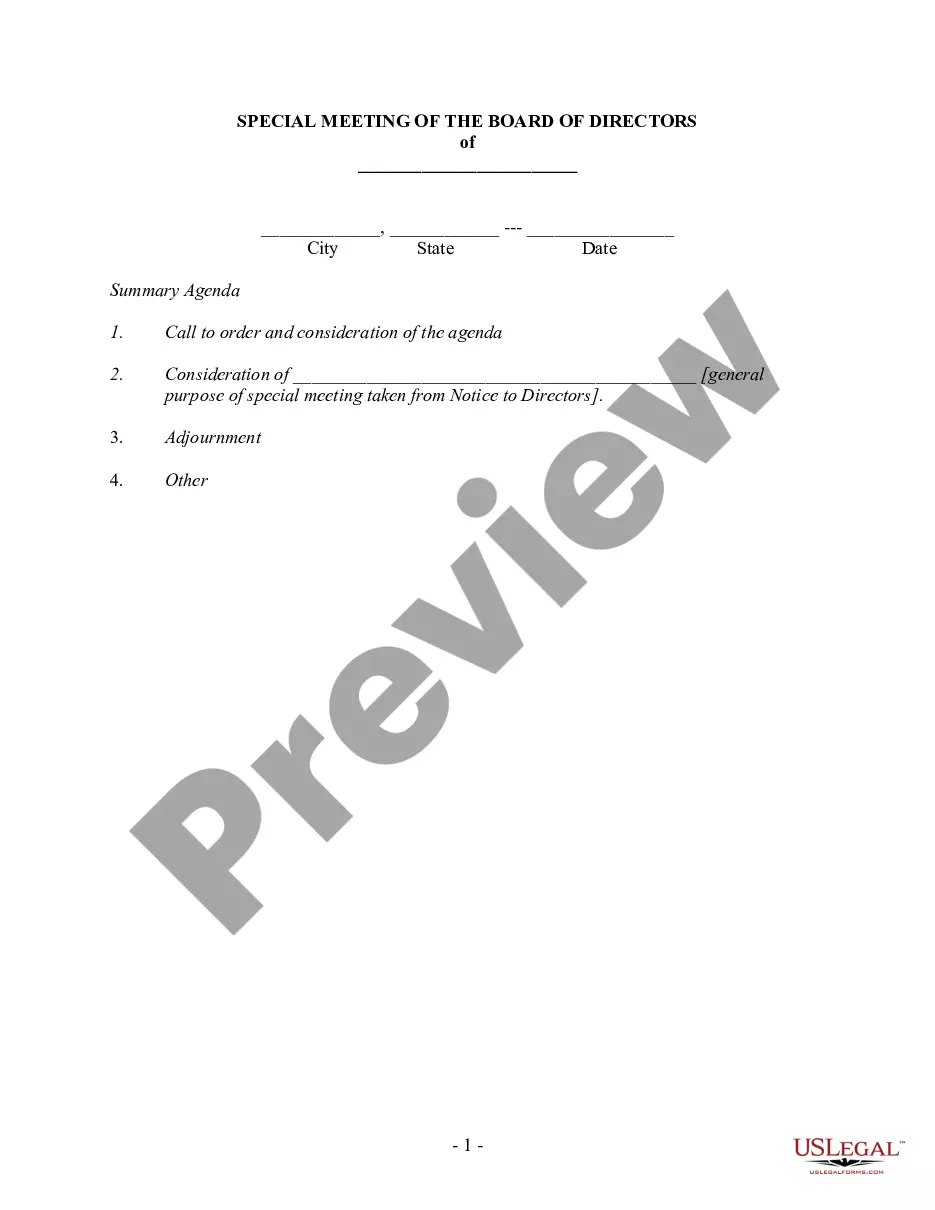
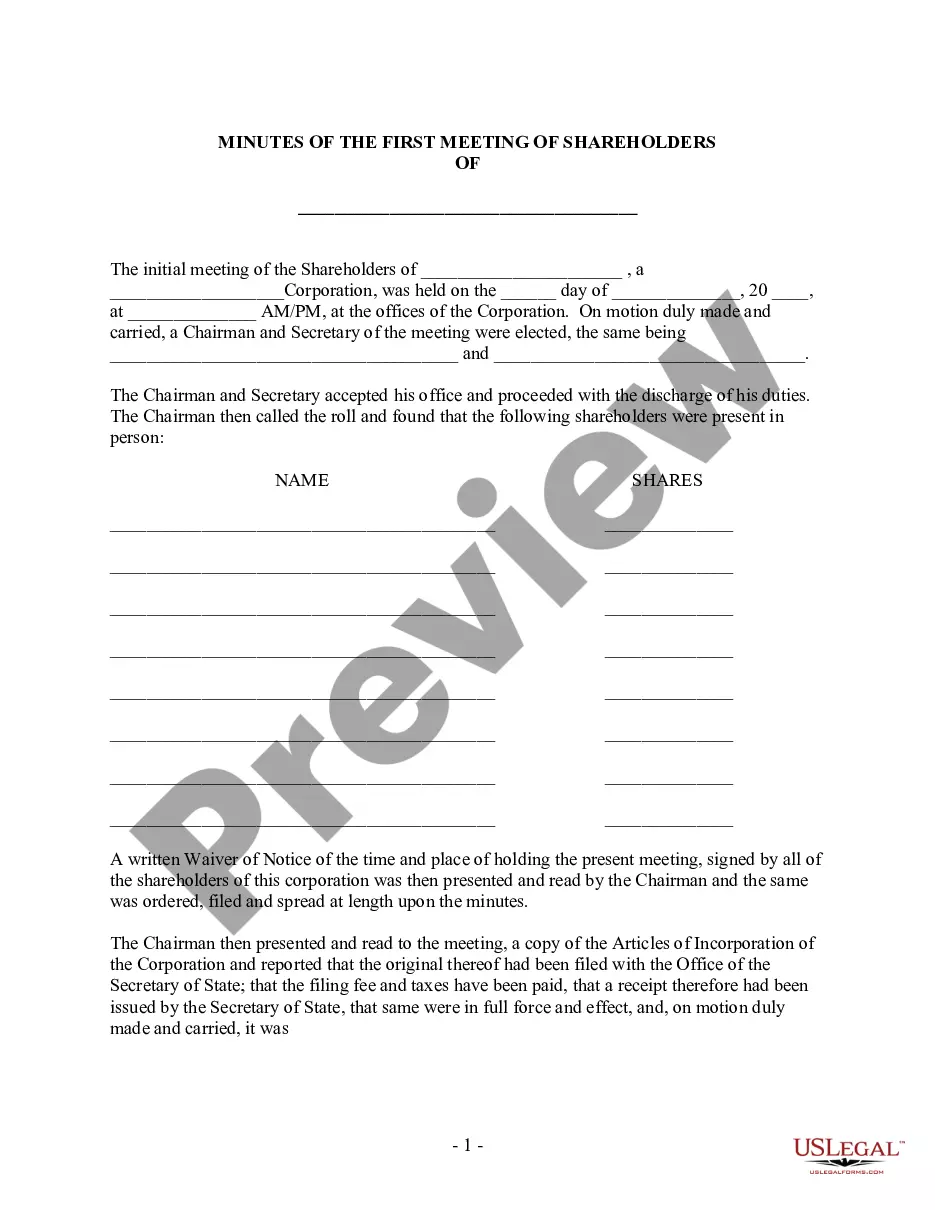
Get your form ready online
Our built-in tools help you complete, sign, share, and store your documents in one place.
Make edits, fill in missing information, and update formatting in US Legal Forms—just like you would in MS Word.
Download a copy, print it, send it by email, or mail it via USPS—whatever works best for your next step.
Sign and collect signatures with our SignNow integration. Send to multiple recipients, set reminders, and more. Go Premium to unlock E-Sign.
If this form requires notarization, complete it online through a secure video call—no need to meet a notary in person or wait for an appointment.
We protect your documents and personal data by following strict security and privacy standards.

Make edits, fill in missing information, and update formatting in US Legal Forms—just like you would in MS Word.

Download a copy, print it, send it by email, or mail it via USPS—whatever works best for your next step.

Sign and collect signatures with our SignNow integration. Send to multiple recipients, set reminders, and more. Go Premium to unlock E-Sign.

If this form requires notarization, complete it online through a secure video call—no need to meet a notary in person or wait for an appointment.

We protect your documents and personal data by following strict security and privacy standards.
Looking for another form?






Form popularity
FAQ
Most board meeting agendas follow a classic meeting structure: Calling meeting to order – ensure you have quorum. Approve the agenda and prior board meeting minutes. Executive and committee reports – allow 25% of time here for key topic discussion. Old/new/other business. Close the meeting and adjourn.
Yes, non-board members can often sit in on board meetings, depending on the organization's policies and state regulations. Many nonprofits encourage community members, donors, and volunteers to attend these meetings to foster transparency and collaboration.
The basic mandatory compliance comprises: At least one Board Meeting in each half of the calendar year and the time gap between the two Board Meetings should not be less than 90 days.
Yes, non-board members can often sit in on board meetings, depending on the organization's policies and state regulations. Many nonprofits encourage community members, donors, and volunteers to attend these meetings to foster transparency and collaboration.
In some states there are laws known as “Sunshine laws” that require groups to open their meetings to the public, however, these laws generally only apply to governmental or quasi-governmental groups. Unless the nonprofit is a governmental entity, there is no obligation to open board meetings to the public.
State-specific sunshine laws and public disclosure Local government meetings must be public; exceptions include litigation, labor negotiations, and real estate discussions. All public board meetings are open; exceptions include discussions on security and pending litigation.
The Directors shall attend Board Meetings in person. If unable to attend, a Director may appoint another Director to attend on his behalf by proxy which specifies the scope of authorization; any appointee shall not act as proxy for more than one Director.
The organization's board of directors in public companies follows strict confidentiality rules, disclosing key information to shareholders while keeping sensitive matters private. Sensitive topics typically include strategy, legal matters, or personnel issues.
Jeff Van Wagenen - County Executive Officer - County of Riverside | LinkedIn.
The 41st District stretches across Riverside County including the cities of Corona, Norco, Lake Elsinore, Wildomar, Canyon Lake, Menifee, Calimesa, Palm Springs, Palm Desert, Rancho Mirage, La Quinta, Indian Wells, and portions of Eastvale and Riverside.
