Board Meeting Without Company Secretary In Ohio
Description
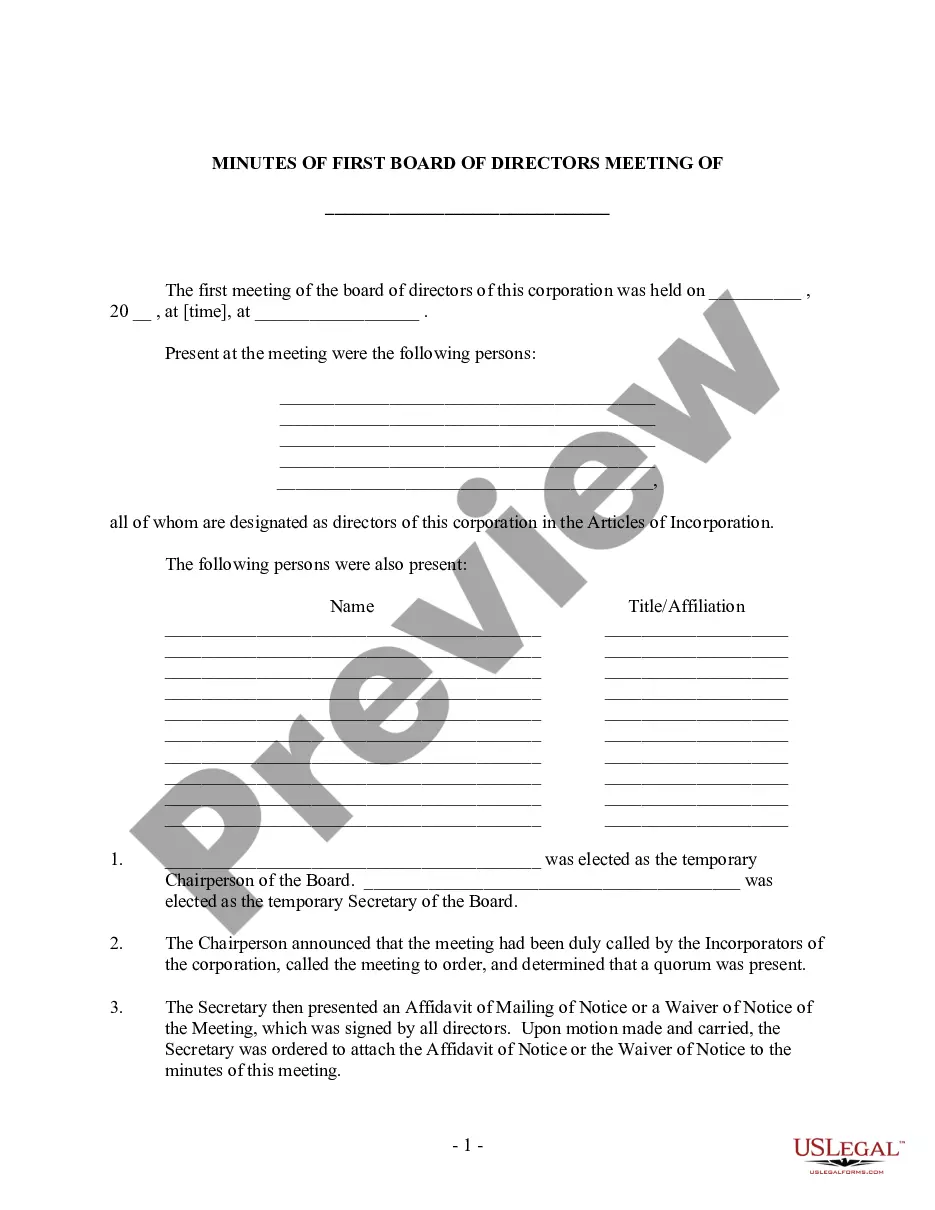
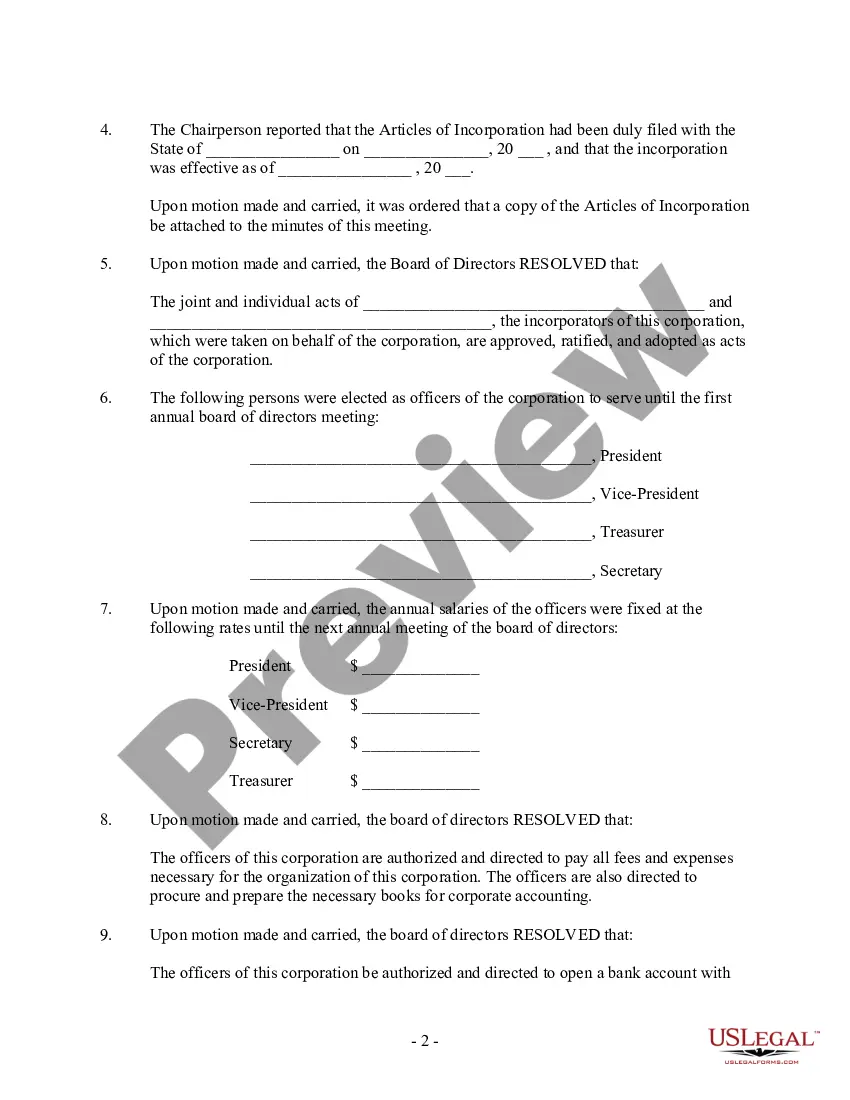
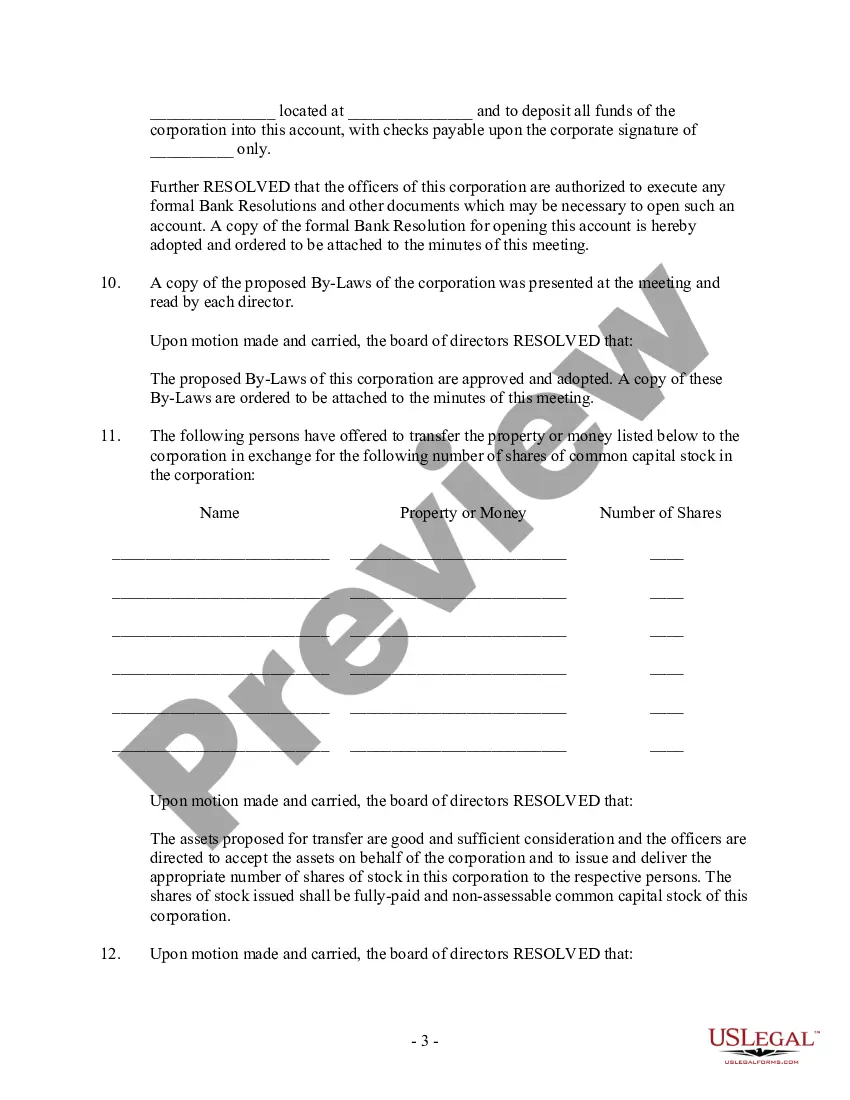
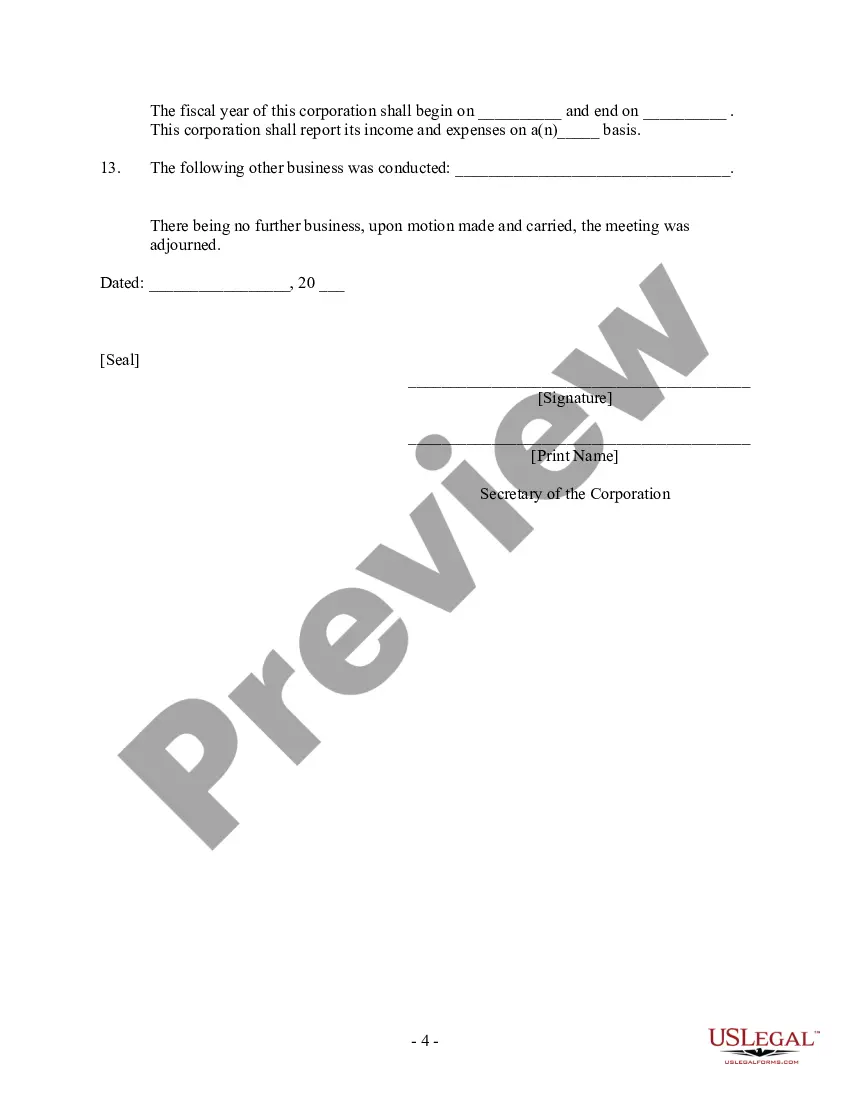
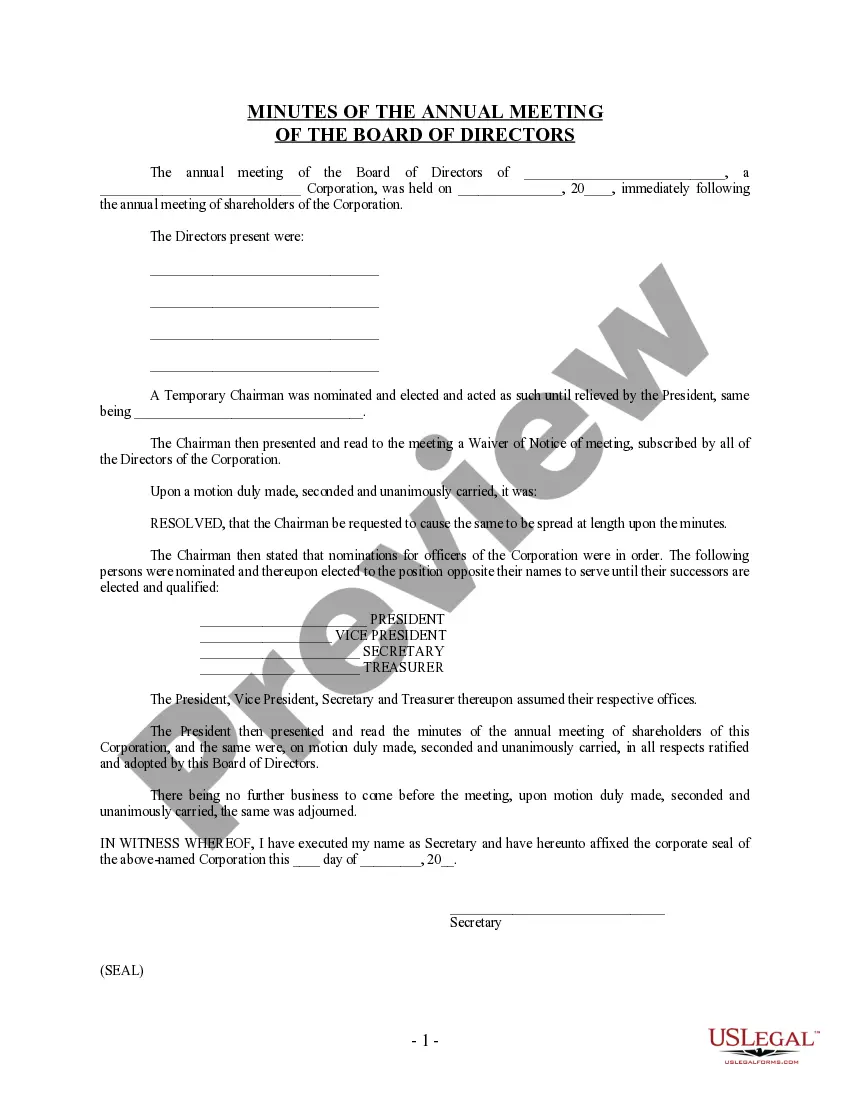
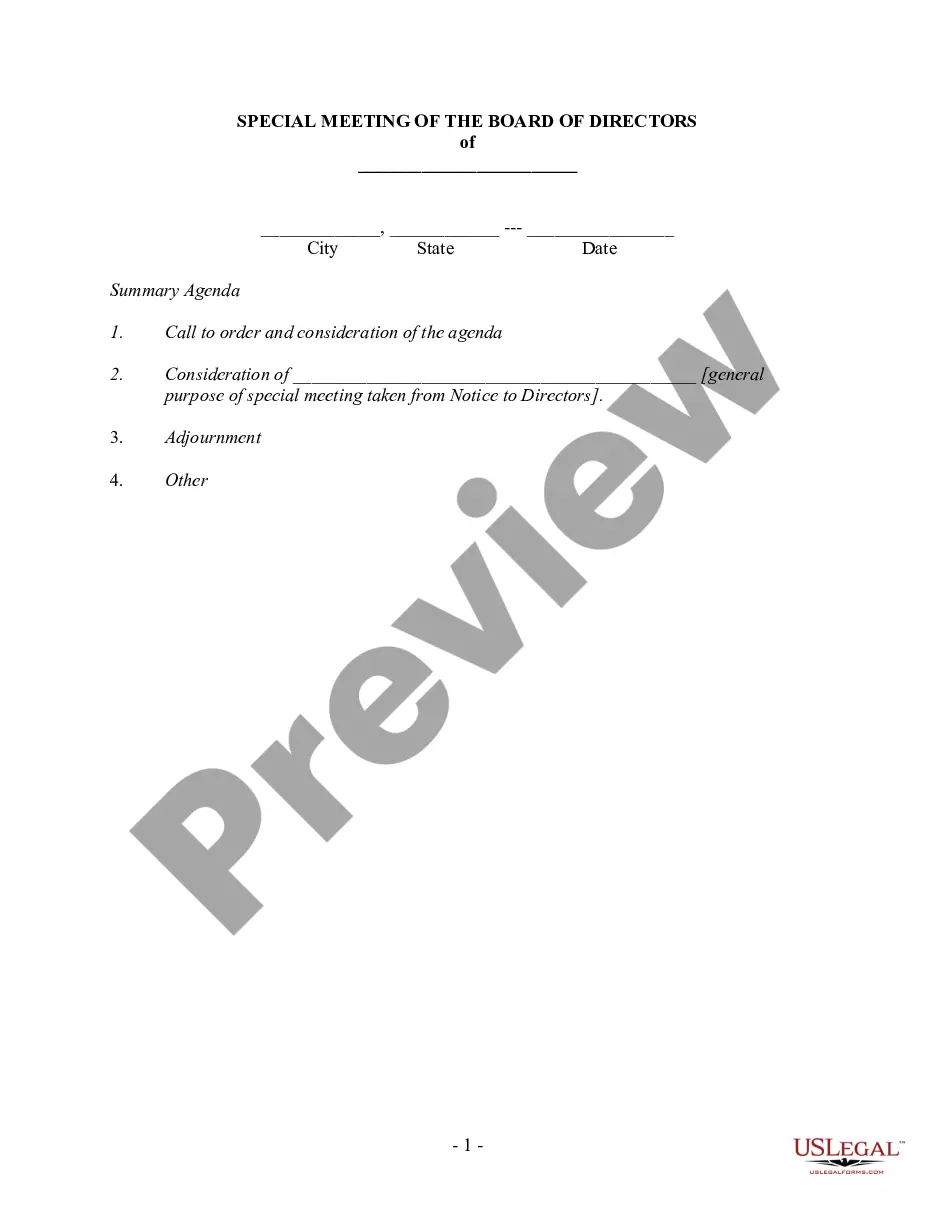
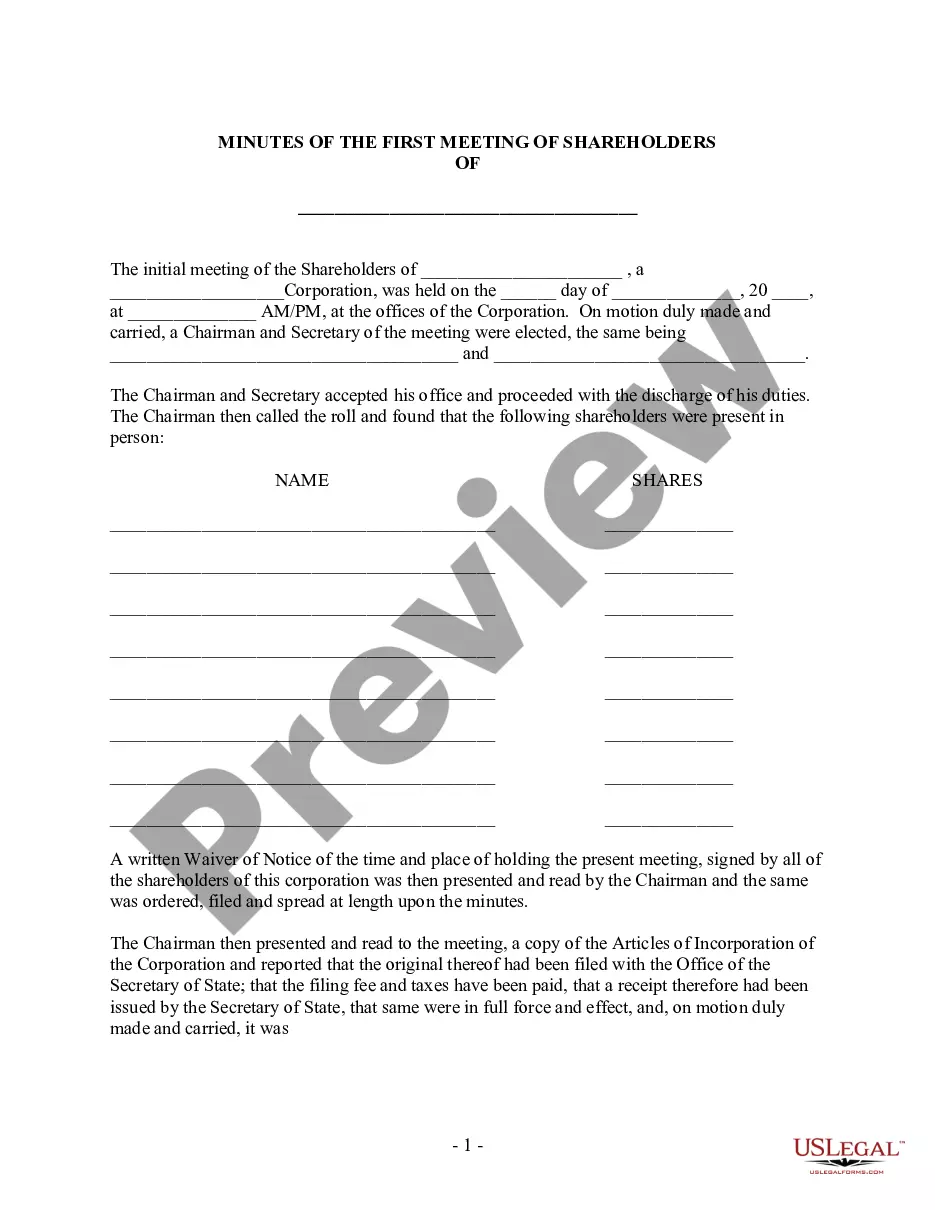
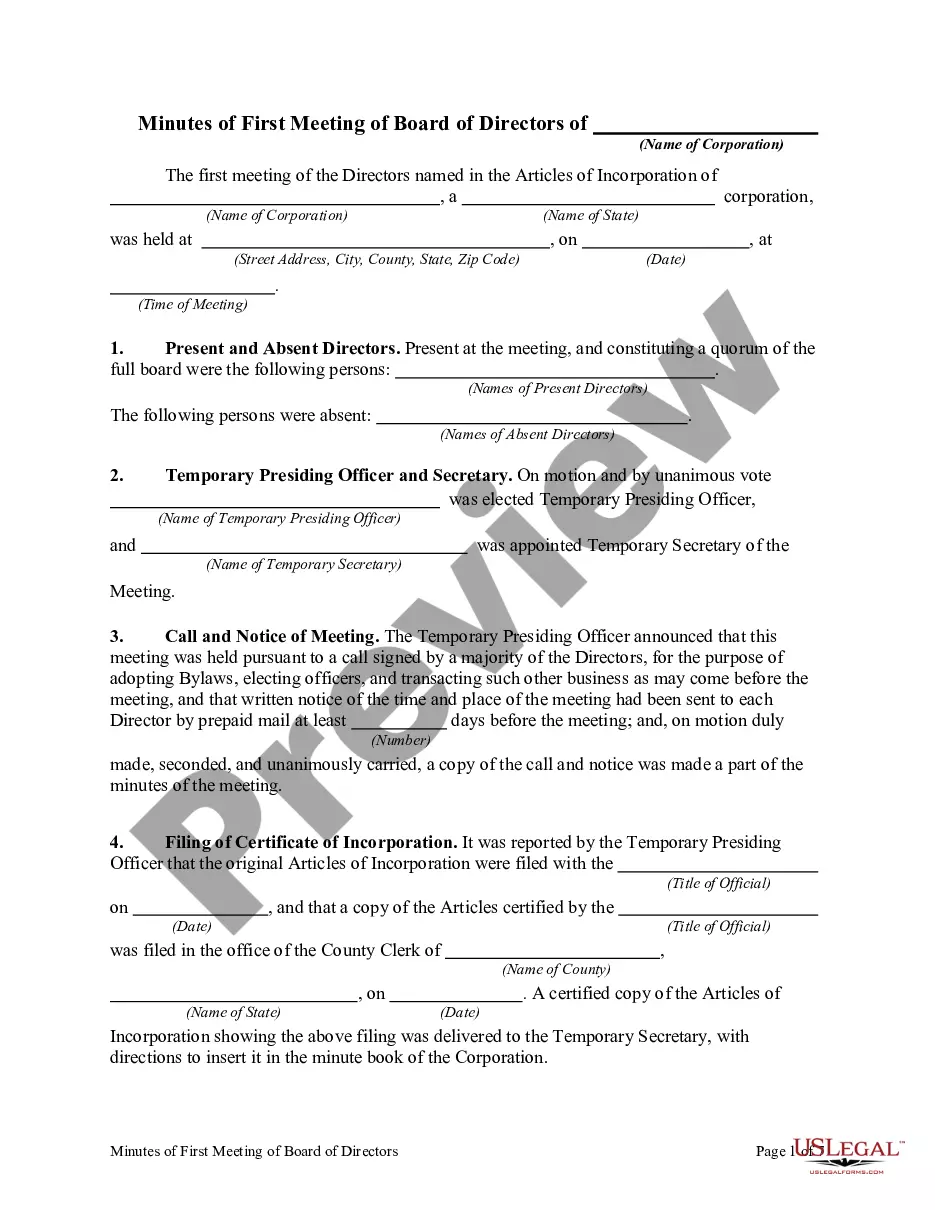
Get your form ready online
Our built-in tools help you complete, sign, share, and store your documents in one place.
Make edits, fill in missing information, and update formatting in US Legal Forms—just like you would in MS Word.
Download a copy, print it, send it by email, or mail it via USPS—whatever works best for your next step.
Sign and collect signatures with our SignNow integration. Send to multiple recipients, set reminders, and more. Go Premium to unlock E-Sign.
If this form requires notarization, complete it online through a secure video call—no need to meet a notary in person or wait for an appointment.
We protect your documents and personal data by following strict security and privacy standards.

Make edits, fill in missing information, and update formatting in US Legal Forms—just like you would in MS Word.

Download a copy, print it, send it by email, or mail it via USPS—whatever works best for your next step.

Sign and collect signatures with our SignNow integration. Send to multiple recipients, set reminders, and more. Go Premium to unlock E-Sign.

If this form requires notarization, complete it online through a secure video call—no need to meet a notary in person or wait for an appointment.

We protect your documents and personal data by following strict security and privacy standards.
Looking for another form?

Form popularity
FAQ
(A) Unless the articles or the regulations prohibit the authorization or taking of any action of the incorporators, the members, or the directors without a meeting, any action that may be authorized or taken at a meeting of the incorporators, the members, or the directors, as the case may be, may be authorized or taken ...
A written consent of the board of directors is a formal document that allows the company, such as the board of directors or members of an LLC, to take action without needing a physical meeting.
A Shareholders' Consent to Action Without Meeting, or a consent resolution, is a written statement that describes and validates a course of action taken by the shareholders of a particular corporation without a meeting having to take place between directors and/or shareholders.
Code §§ 2933.51, Ohio is a one-party consent state. This means that under Ohio law, only one person involved in a conversation needs to consent to its recording. If you participate in a conversation, you can legally record it without notifying the other party.
This involves setting a date and time, informing board members, and distributing notes from past meetings. Once everyone is informed, the secretary must prepare the venue and materials. This includes ensuring all necessary reports and documents are ready for attendees and confirming the venue to avoid any confusion.
Any action required or permitted to be taken by the members may be taken without a meeting, if all members shall individually or collectively consent in writing to the action. The written consent or consents shall be filed with the minutes of the proceedings of the members.
No. Most states require nonprofit boards to have three board members, which are usually the president, secretary, and treasurer.
Traditionally, nonprofits chose the most well-connected and often wealthy individuals to serve on the board, believing that those connections and wealth would translate into more connections and resources for the organization.
Unless a company's articles of association say otherwise, having a company secretary is optional for a private company, provided they were formed before 2008. Even if your articles say you must have one, your shareholders can always vote to remove this provision if you feel you no longer need one.
If the CEO is not also a board member, it is normal for them to attend most board meetings to report on progress, however from time to time it may be appropriate for board meetings to be held without the CEO.