Board Meeting Corporate For Opc In Ohio
Description

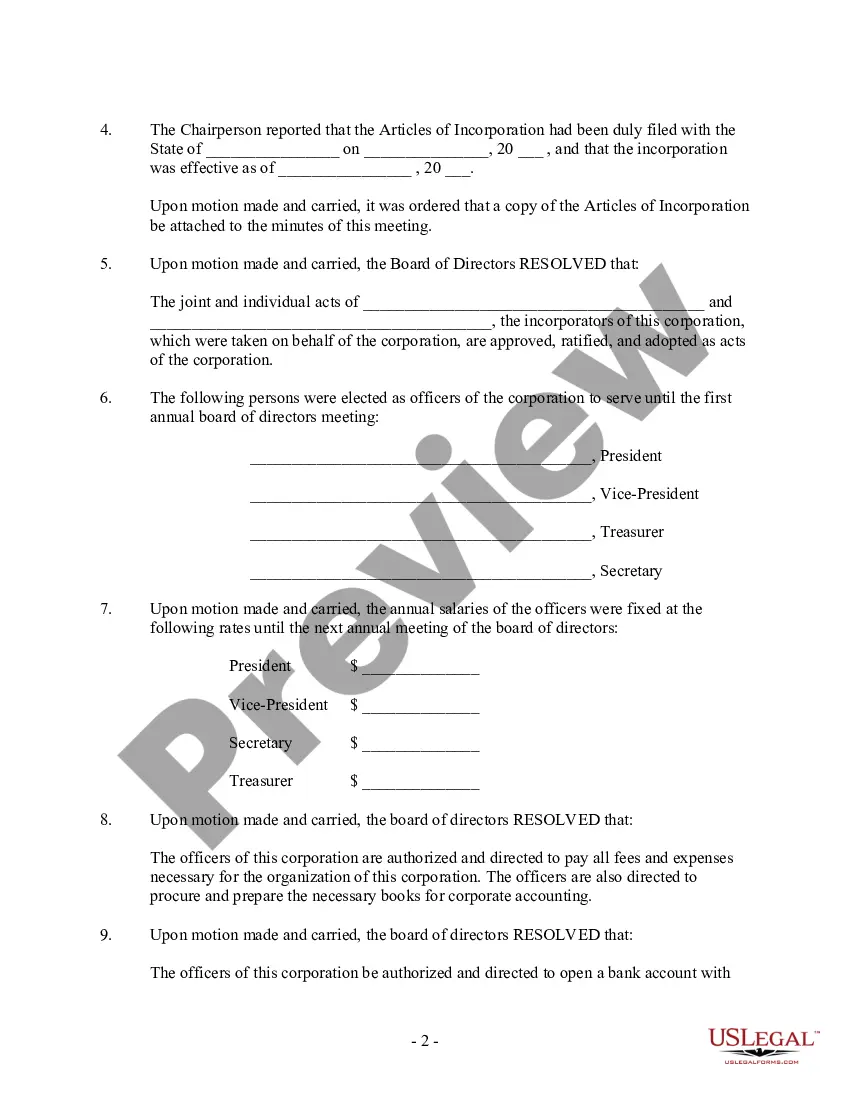
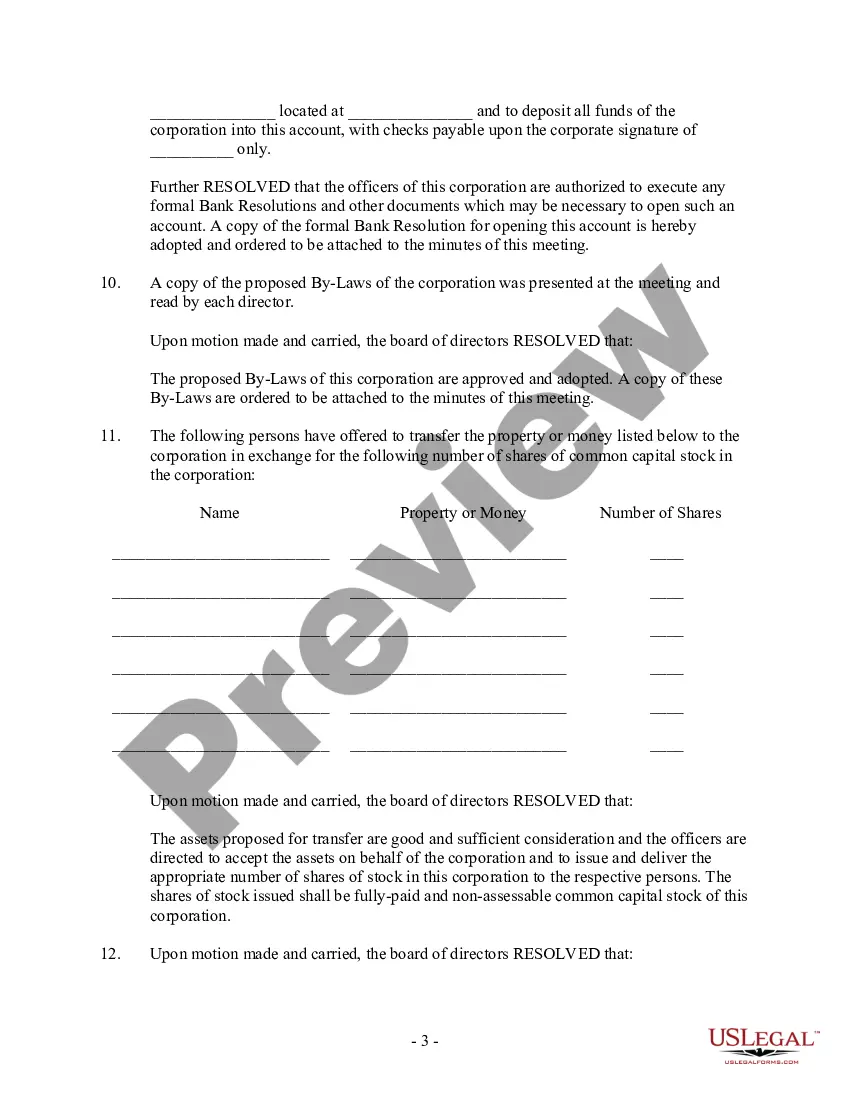
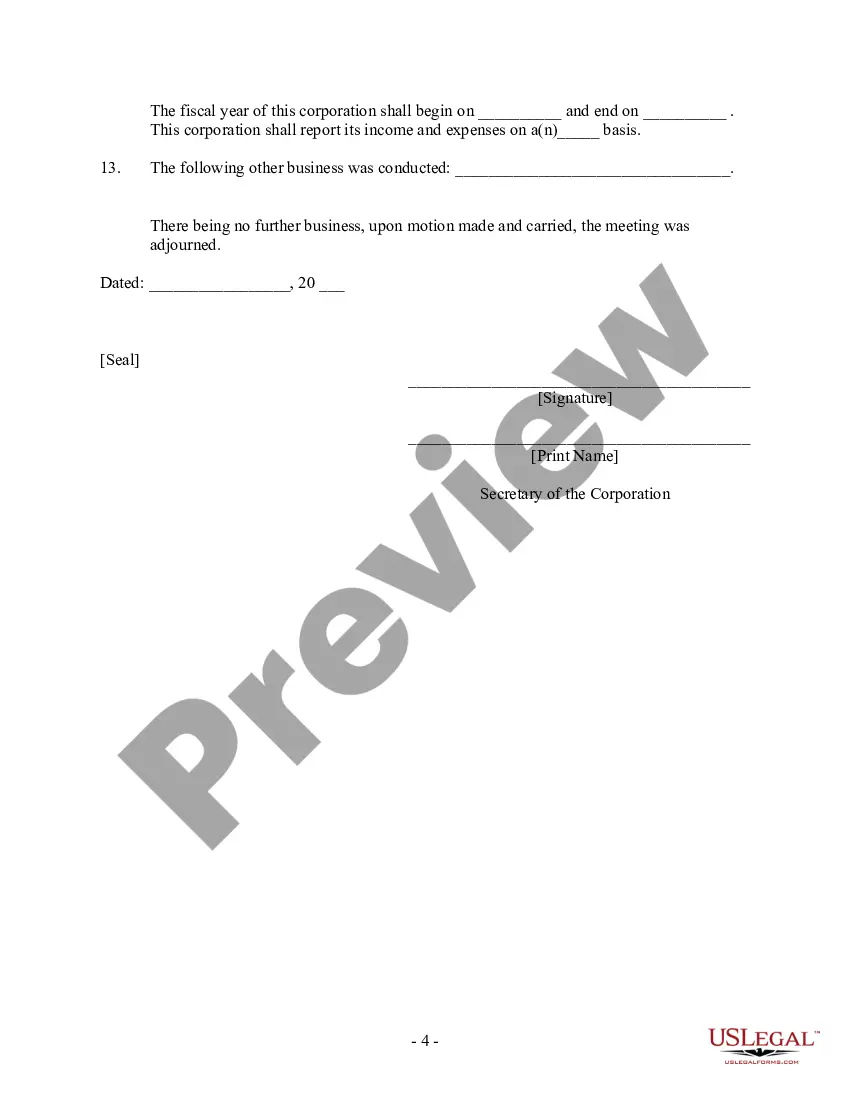

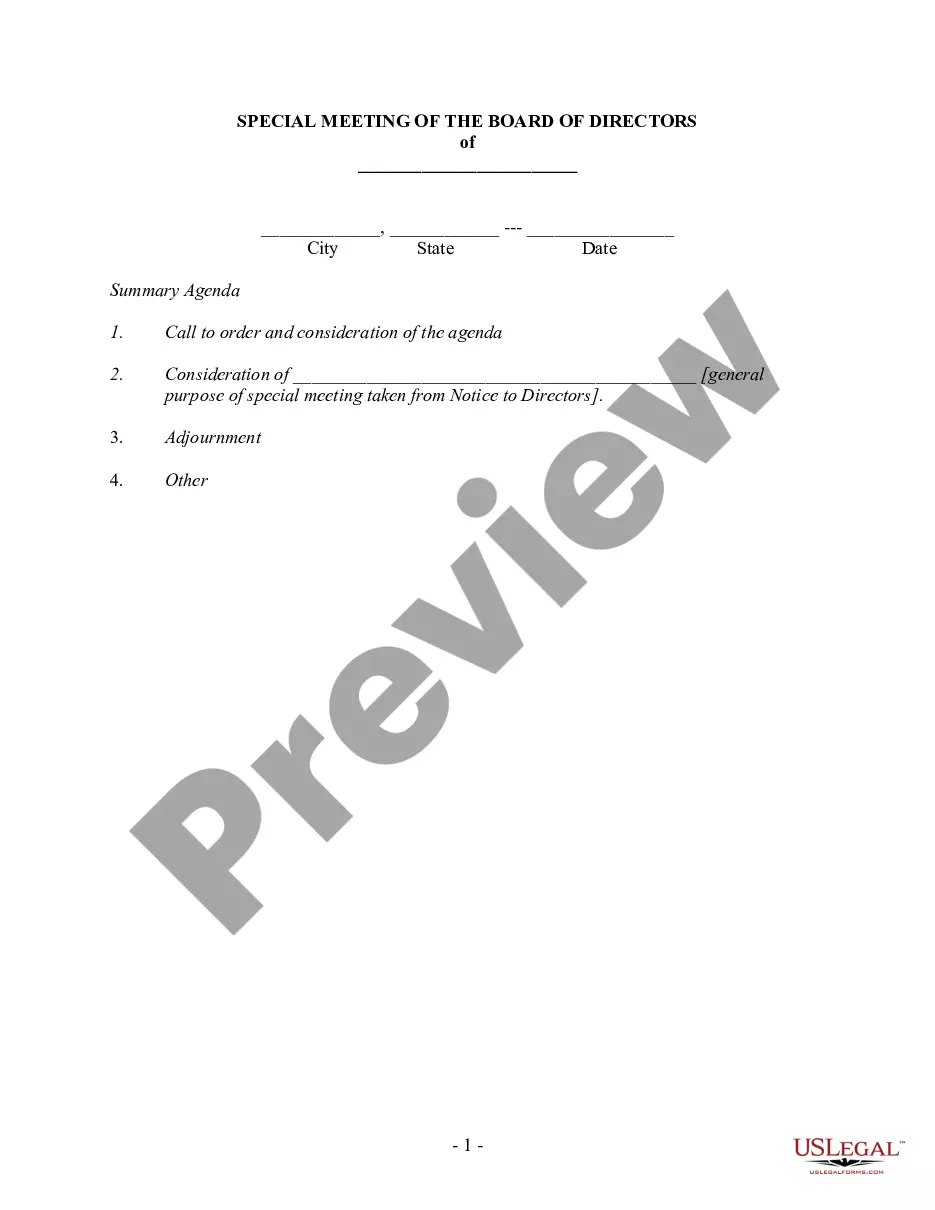
Get your form ready online
Our built-in tools help you complete, sign, share, and store your documents in one place.
Make edits, fill in missing information, and update formatting in US Legal Forms—just like you would in MS Word.
Download a copy, print it, send it by email, or mail it via USPS—whatever works best for your next step.
Sign and collect signatures with our SignNow integration. Send to multiple recipients, set reminders, and more. Go Premium to unlock E-Sign.
If this form requires notarization, complete it online through a secure video call—no need to meet a notary in person or wait for an appointment.
We protect your documents and personal data by following strict security and privacy standards.

Make edits, fill in missing information, and update formatting in US Legal Forms—just like you would in MS Word.

Download a copy, print it, send it by email, or mail it via USPS—whatever works best for your next step.

Sign and collect signatures with our SignNow integration. Send to multiple recipients, set reminders, and more. Go Premium to unlock E-Sign.

If this form requires notarization, complete it online through a secure video call—no need to meet a notary in person or wait for an appointment.

We protect your documents and personal data by following strict security and privacy standards.
Looking for another form?
Form popularity
FAQ
Do bylaws supersede articles of incorporation? The answer is no. Articles of incorporation, also called the charter in some states, are part of the organizing documents to create your company. The bylaws are related to the day-to-day operation of the business; they are the "meat and potatoes" of your company.
Specifically, corporations must: hold annual shareholders' and directors' meetings. keep minutes of shareholders' and directors' major decisions. make sure that corporate officers and directors sign documents in the name of the corporation. maintain separate bank accounts from their owners.
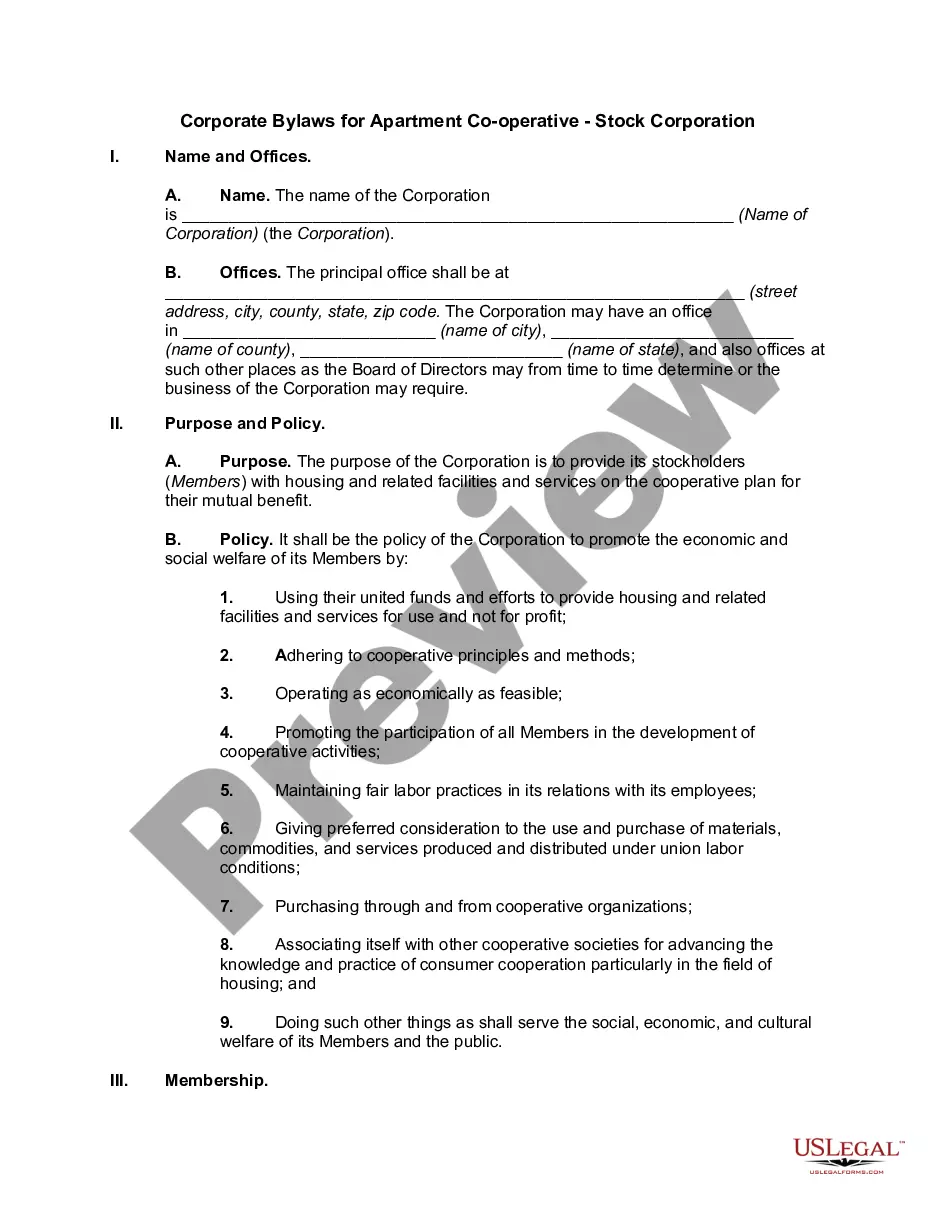
Ohio corporate bylaws are a set of rules presented in a written document to govern a corporation's structure and management. While certain statutes of Ohio regulate how corporations conduct business, the company bylaws are internal regulations that officers, directors, and shareholders must follow.
Bylaws generally define things like the group's official name, purpose, requirements for membership, officers' titles and responsibilities, how offices are to be assigned, how meetings should be conducted, and how often meetings will be held.
What should corporate bylaws include? Corporate bylaws are the internal rules of your corporation. Bylaws should include information about your policies and procedures for topics such as meetings, voting, stocks, dividends, financial records, directors, officers, amendments, and emergencies.
State Board of Education meetings generally occur on the second Monday of each month. Ohio Sunshine Law requires that these meetings be open to the public, except executive session and quasi-judicial discussion.
The Open Meetings Act requires public bodies in Ohio to conduct all public business in open meetings that the public may attend and observe. This means that if a public body is meeting to discuss and vote on or otherwise decide public business, the meeting must be open to the public. ORC 121.22.
A public body shall not hold a special meeting unless it gives at least twenty-four hours' advance notice to the news media that have requested notification, except in the event of an emergency requiring immediate official action.
Open meeting laws require publicly-funded entities to hold public meetings. However, school boards can hold closed sessions for disciplinary hearings, contract negotiations, employment issues.
The Directors shall attend Board Meetings in person. If unable to attend, a Director may appoint another Director to attend on his behalf by proxy which specifies the scope of authorization; any appointee shall not act as proxy for more than one Director.