Acta Directorio Withdrawn In Oakland
Description


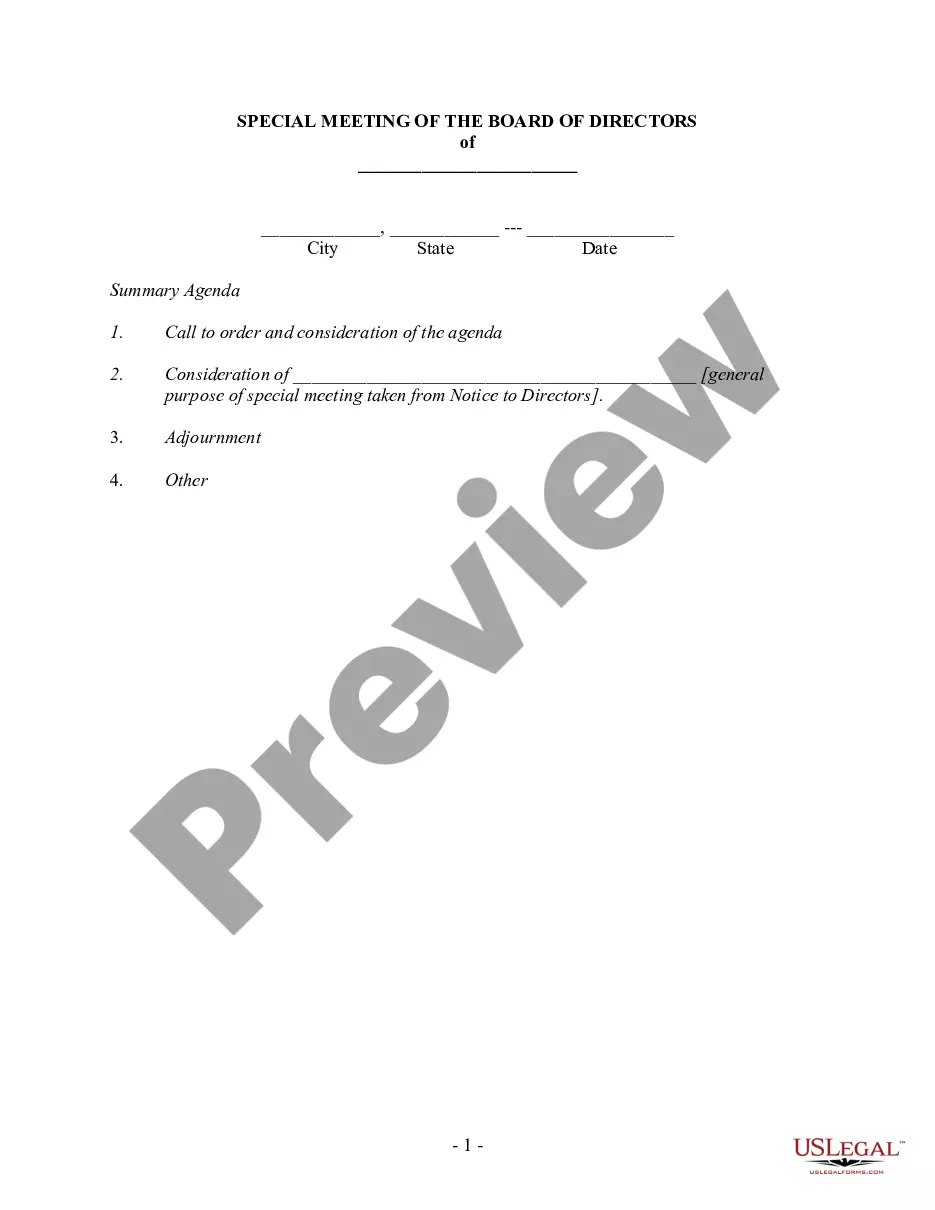
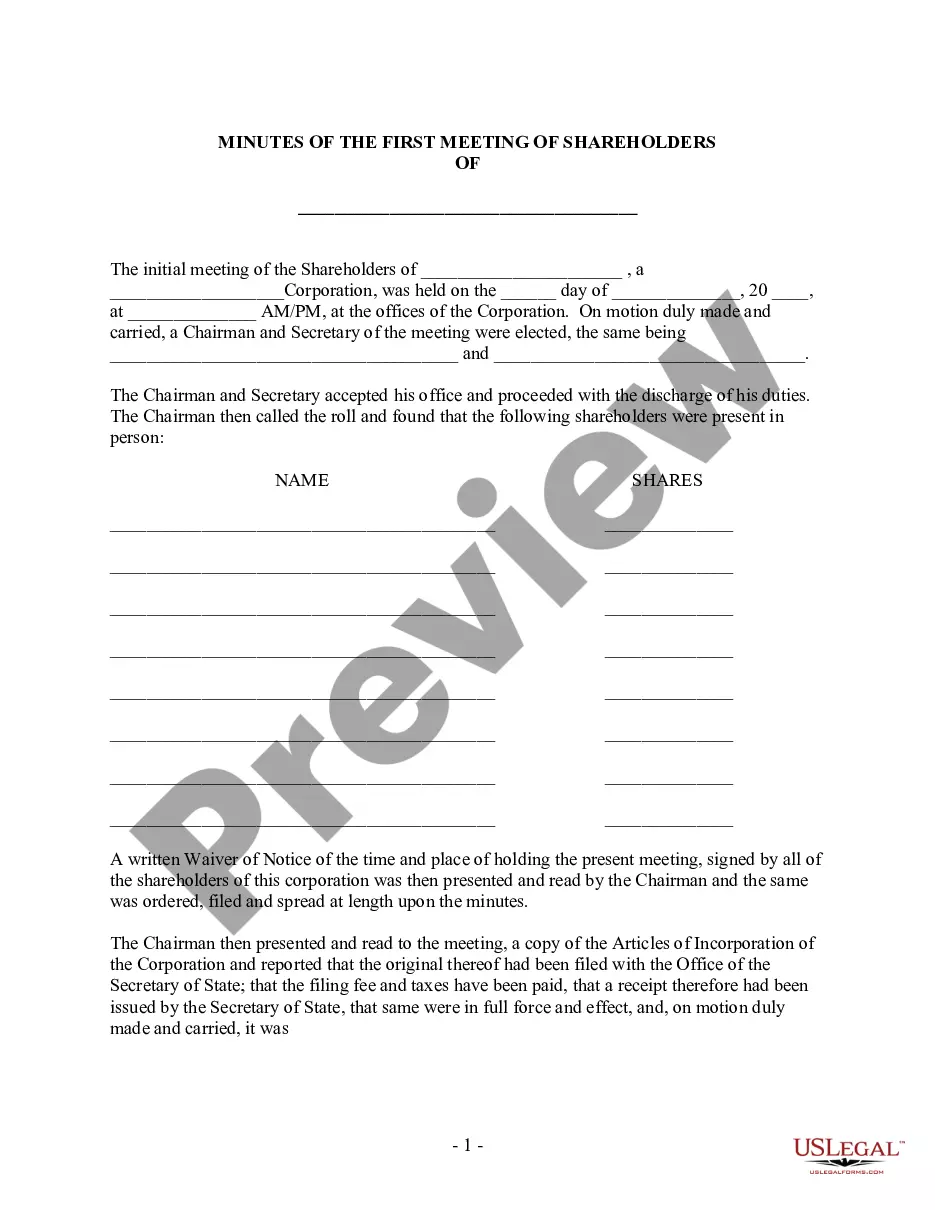
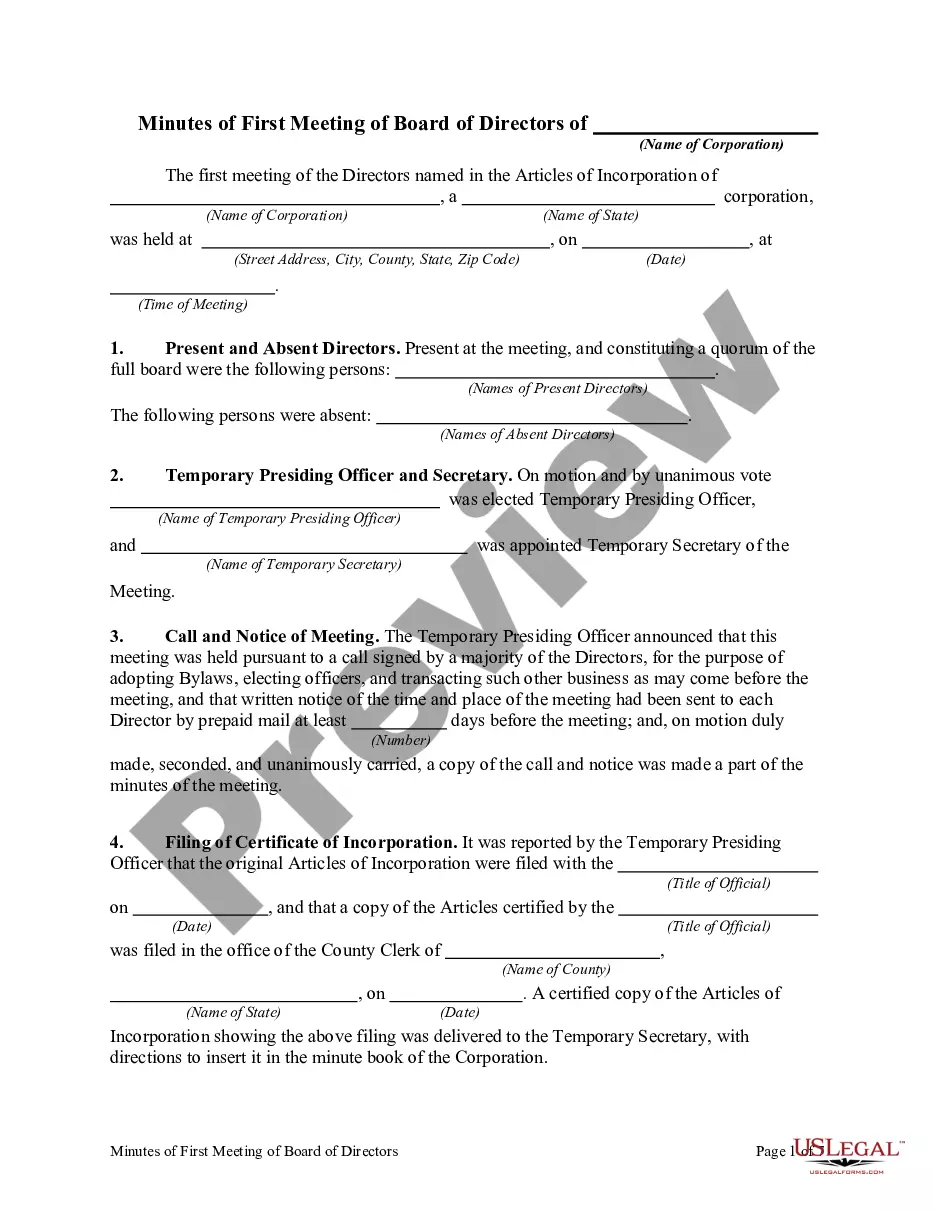
Get your form ready online
Our built-in tools help you complete, sign, share, and store your documents in one place.
Make edits, fill in missing information, and update formatting in US Legal Forms—just like you would in MS Word.
Download a copy, print it, send it by email, or mail it via USPS—whatever works best for your next step.
Sign and collect signatures with our SignNow integration. Send to multiple recipients, set reminders, and more. Go Premium to unlock E-Sign.
If this form requires notarization, complete it online through a secure video call—no need to meet a notary in person or wait for an appointment.
We protect your documents and personal data by following strict security and privacy standards.

Make edits, fill in missing information, and update formatting in US Legal Forms—just like you would in MS Word.

Download a copy, print it, send it by email, or mail it via USPS—whatever works best for your next step.

Sign and collect signatures with our SignNow integration. Send to multiple recipients, set reminders, and more. Go Premium to unlock E-Sign.

If this form requires notarization, complete it online through a secure video call—no need to meet a notary in person or wait for an appointment.

We protect your documents and personal data by following strict security and privacy standards.
Looking for another form?






Form popularity
FAQ
The Ellis Act is a provision in California Law that provides landlords in California with a legal way to "go out of business" short of selling the property to another landlord.
The Ellis Act is a state law (Government Code Section 7060 et. seq.) designed to allow landlords to get “out of the rental business.” In order for Ellis evictions to be approved, landlords must remove all units within a building from the rental market for five years. It cannot be applied to just a single unit.
The city has long limited rent increases to 60% of CPI, and starting in 2022, Oakland passed an ordinance capping rent increases at 3% if the CPI increase exceeds that rate. Landlords can't raise rent more than once a year, and they need to inform tenants in writing 30 days prior to any increase going into effect.
As of 2019, it was $6,985.23 per tenant, with an additional $4656.81 per disabled or elderly tenant, capped at $20,955.68 per unit.