Board Meeting Corporate For Small Companies Act 2013 In Maryland
Description

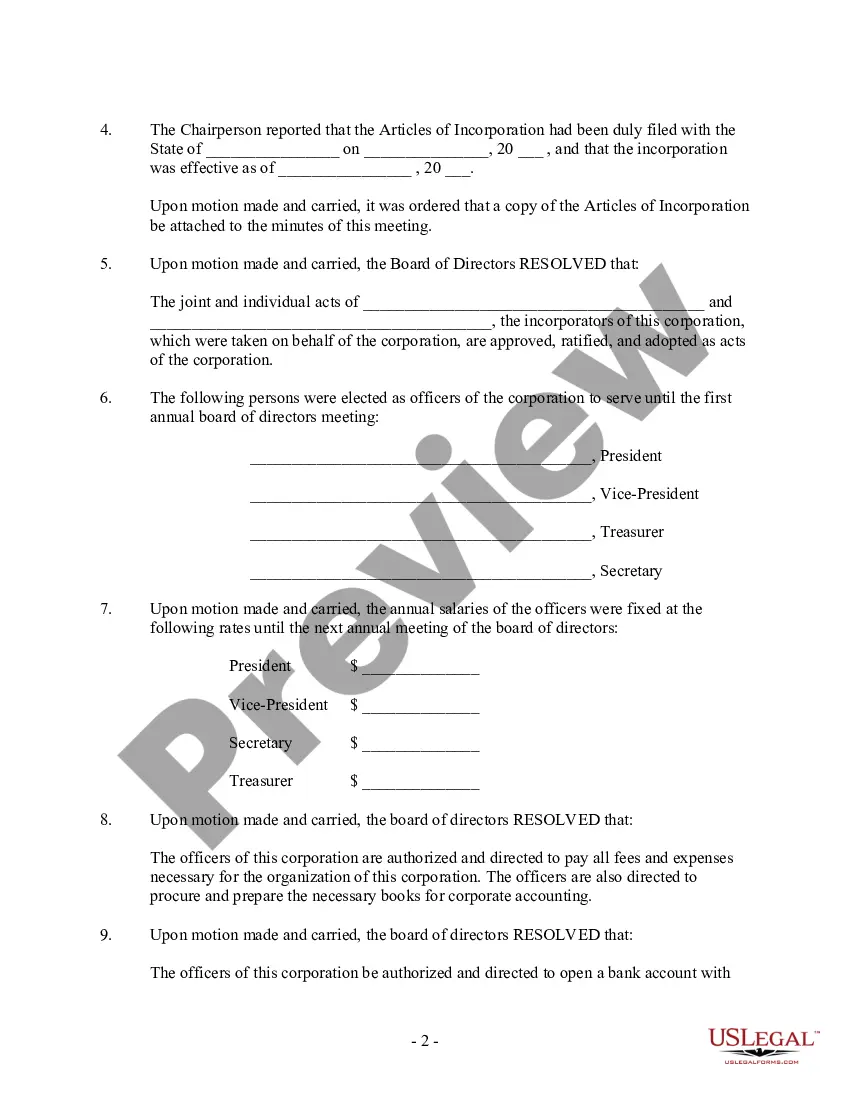
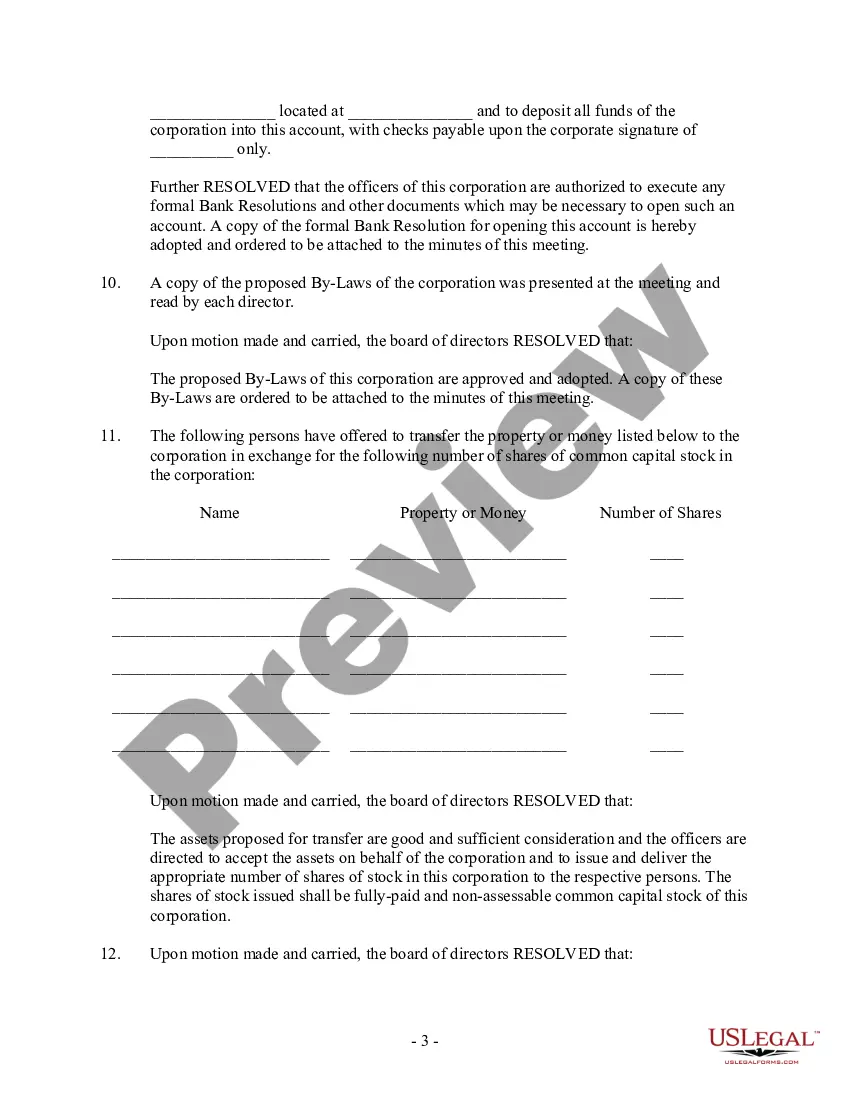
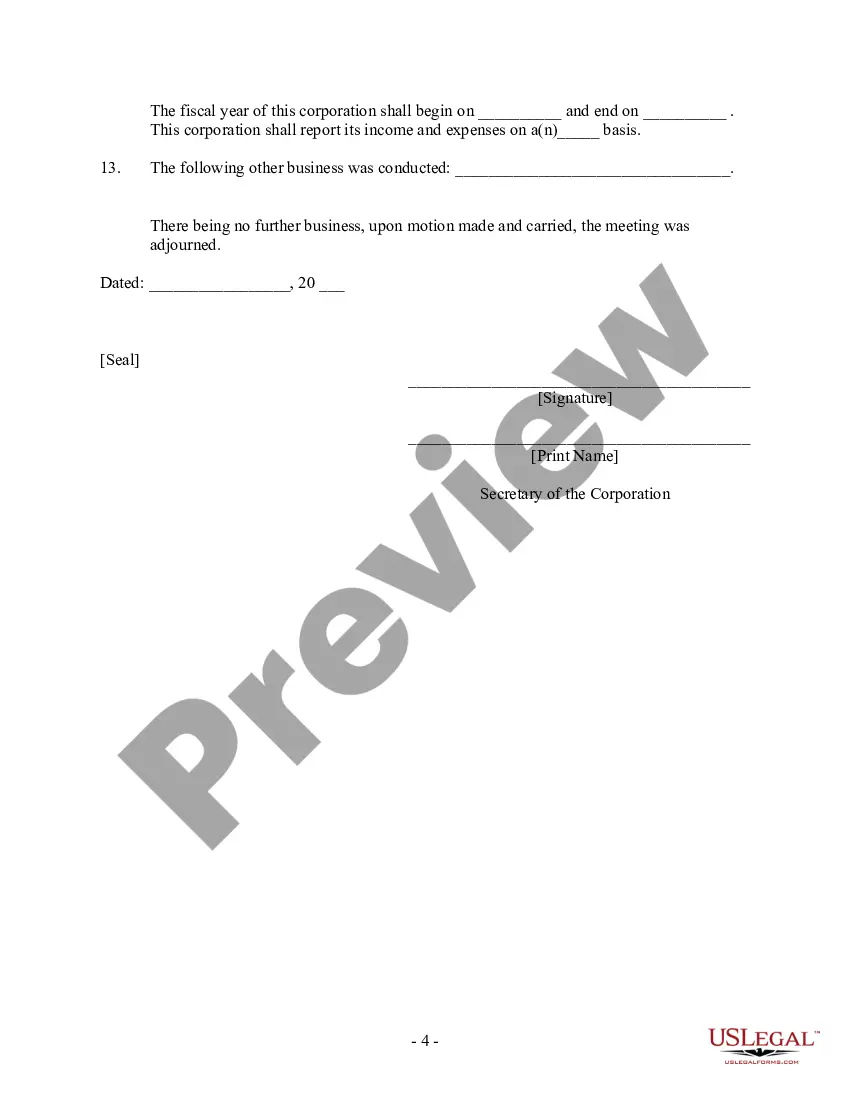

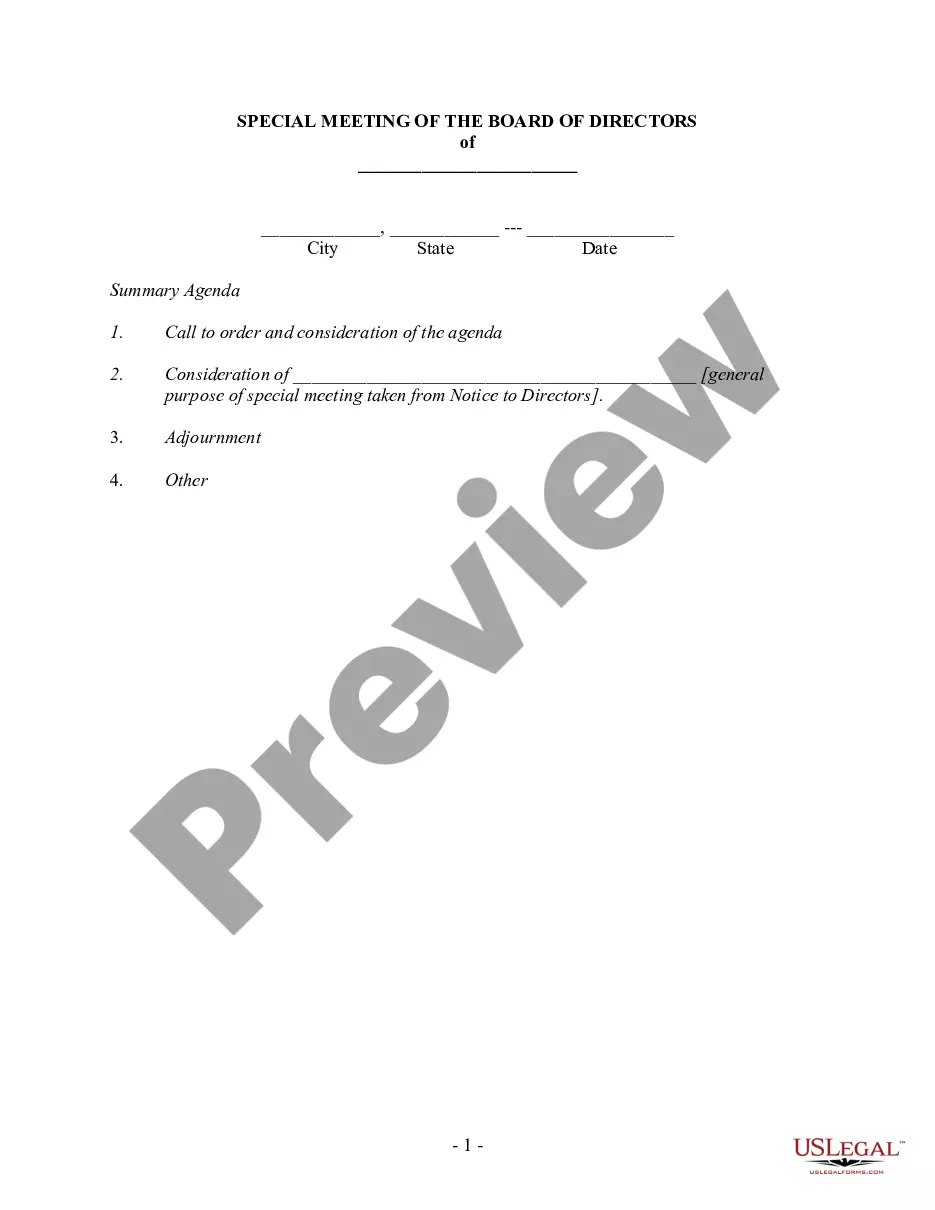
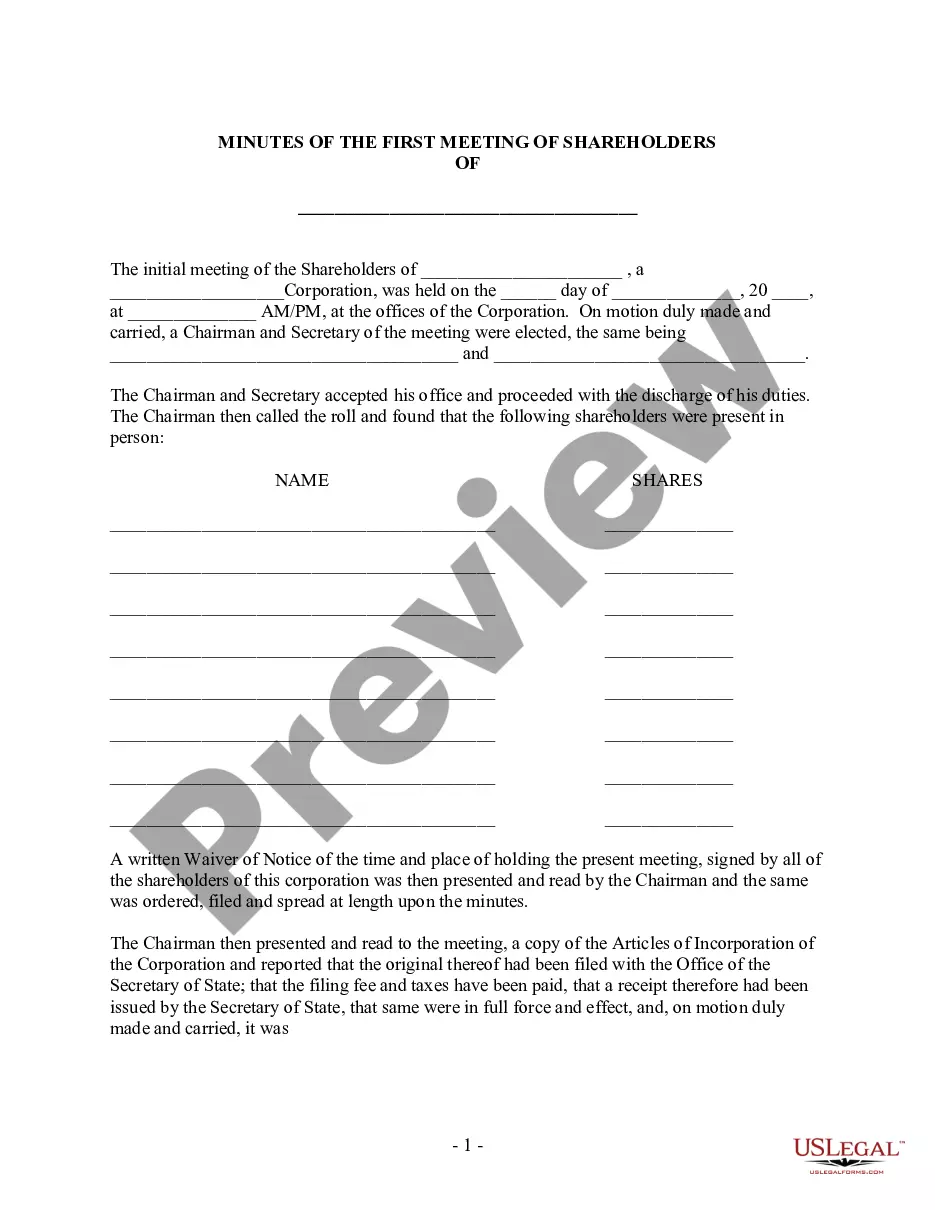
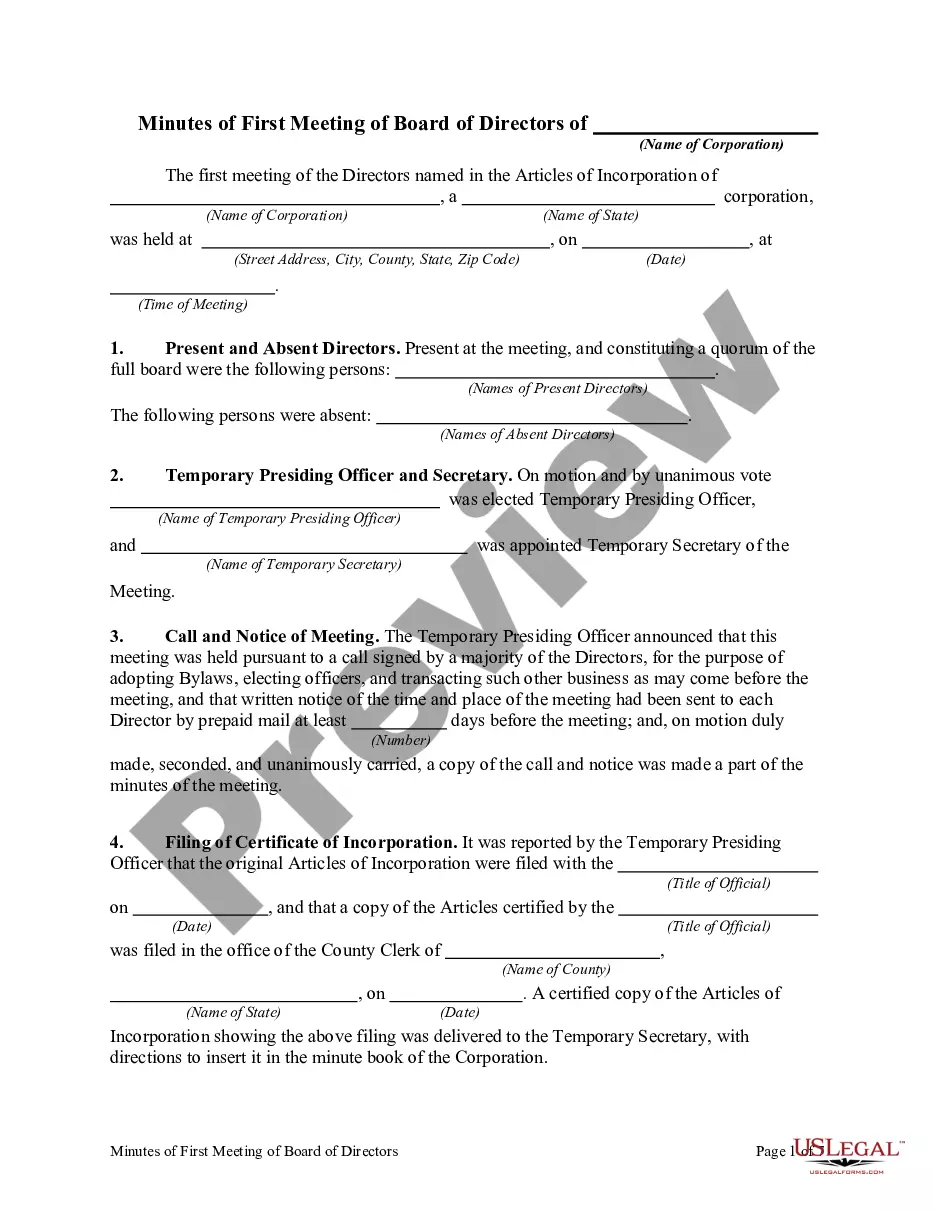
Get your form ready online
Our built-in tools help you complete, sign, share, and store your documents in one place.
Make edits, fill in missing information, and update formatting in US Legal Forms—just like you would in MS Word.
Download a copy, print it, send it by email, or mail it via USPS—whatever works best for your next step.
Sign and collect signatures with our SignNow integration. Send to multiple recipients, set reminders, and more. Go Premium to unlock E-Sign.
If this form requires notarization, complete it online through a secure video call—no need to meet a notary in person or wait for an appointment.
We protect your documents and personal data by following strict security and privacy standards.

Make edits, fill in missing information, and update formatting in US Legal Forms—just like you would in MS Word.

Download a copy, print it, send it by email, or mail it via USPS—whatever works best for your next step.

Sign and collect signatures with our SignNow integration. Send to multiple recipients, set reminders, and more. Go Premium to unlock E-Sign.

If this form requires notarization, complete it online through a secure video call—no need to meet a notary in person or wait for an appointment.

We protect your documents and personal data by following strict security and privacy standards.
Looking for another form?

Form popularity
FAQ
1 Decide if a meeting is necessary. 2 Only include people that are actually needed. 3 Create and share a meeting agenda before the meeting. 4 Set up technology before the meeting starts. 5 Start and end the meeting on time. 6 Stay on topic. 7 Have clear action items.
What Are the Steps to Conduct a Board Meeting? Call the meeting to order. The presiding officer kicks off the meeting at the designated start time. Call roll. Approve the agenda and previous meeting's minutes. Officer and committee reports. Old Business. New Business. Adjourn the meeting.
What should be included in a meeting protocol template? An effective meeting protocol template should include sections for the date and time of the meeting, participants, agenda items, main discussions, decisions made, tasks assigned with responsibilities and deadlines, and details of the next scheduled meeting.
Essentially, the meeting protocol is a template workflow from calling the meeting to signing off the minutes from the previous meeting. The technical details that must be met to ensure the board can make its decisions. This could be the minimum number of members required for a quorum or the type of majority needed.
Ing to Section 174 of Companies Act, 2013, the minimum number of members of the board required for a meeting is 1/3rd of a total number of directors. At any rate, a minimum of two directors must be present. However, in the case of One Person Company, the rules of Section 174, do not apply.
Most board meeting agendas follow a classic meeting structure: Calling meeting to order – ensure you have quorum. Approve the agenda and prior board meeting minutes. Executive and committee reports – allow 25% of time here for key topic discussion. Old/new/other business. Close the meeting and adjourn.
The company must give a clear 21 days' notice to its members for calling the AGM. The notice should mention the place, the date and day of the meeting, and the hour at which the meeting is scheduled. The notice should also mention the business to be conducted at the AGM.
At the start of the meeting Organise someone to welcome people as they arrive. Make sure everyone has the agenda and any papers – put them on chairs, or give them to people at the door. Introduce yourself and other speakers at the start of the meeting. If it is a small meeting, ask everyone to introduce themselves.
(2) The continuing directors may act notwithstanding any vacancy in the Board; but, if and so long as their number is reduced below the quorum fixed by the Act for a meeting of the Board, the continuing directors or director may act for the purpose of increasing the number of directors to that fixed for the quorum, or ...
Section 118 of the Companies acts 2013 deals with the Minutes of the meetings of the company. The term 'Minutes' means the official record of the meetings of a company. These are the summary of business transacted, decisions, and the resolutions arrived at the meeting.