Acta Directorio Formal In Kings
Description

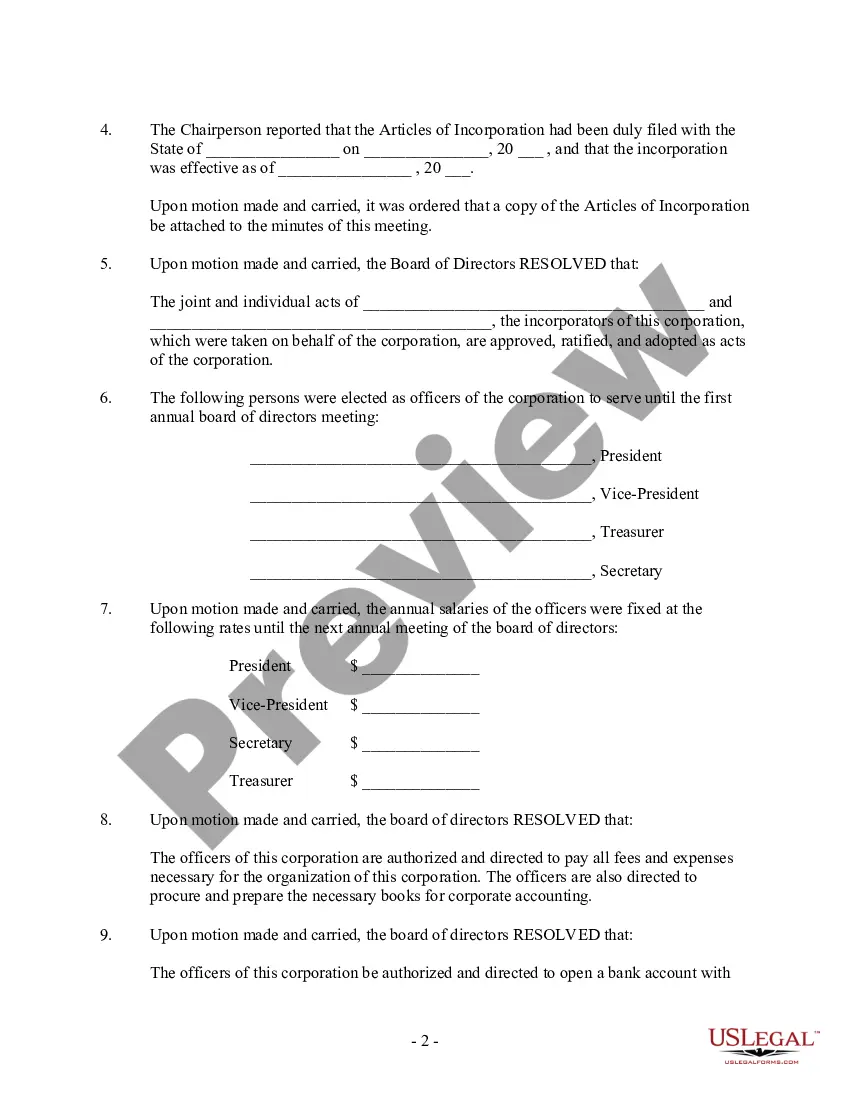
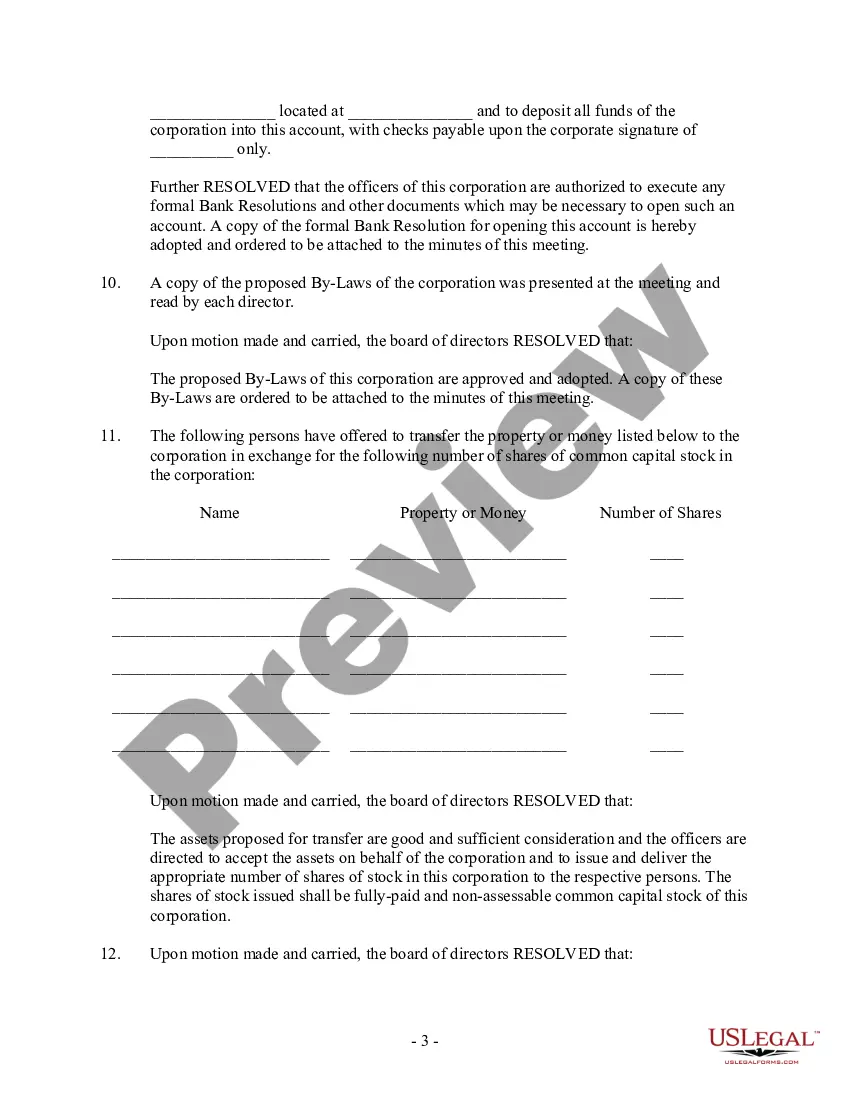

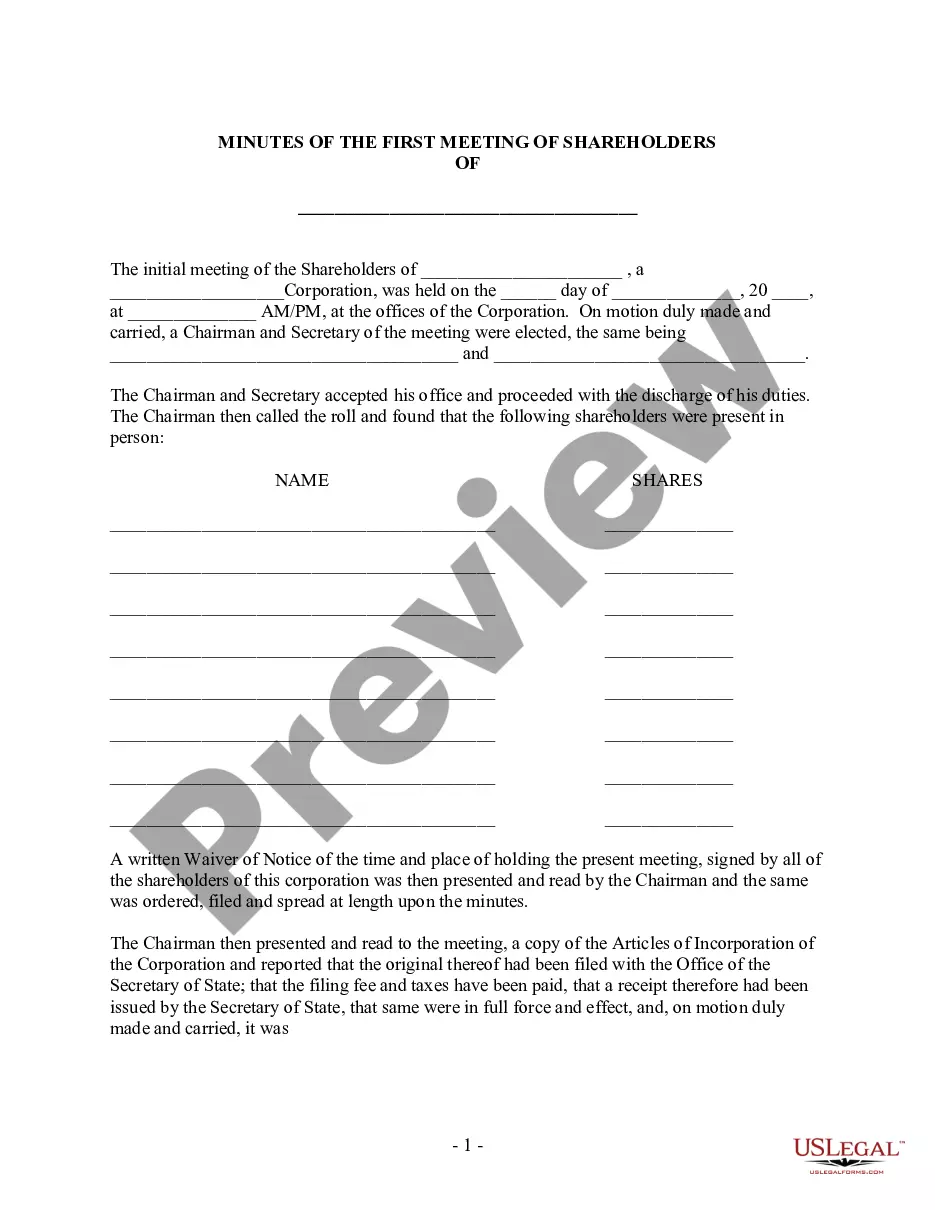
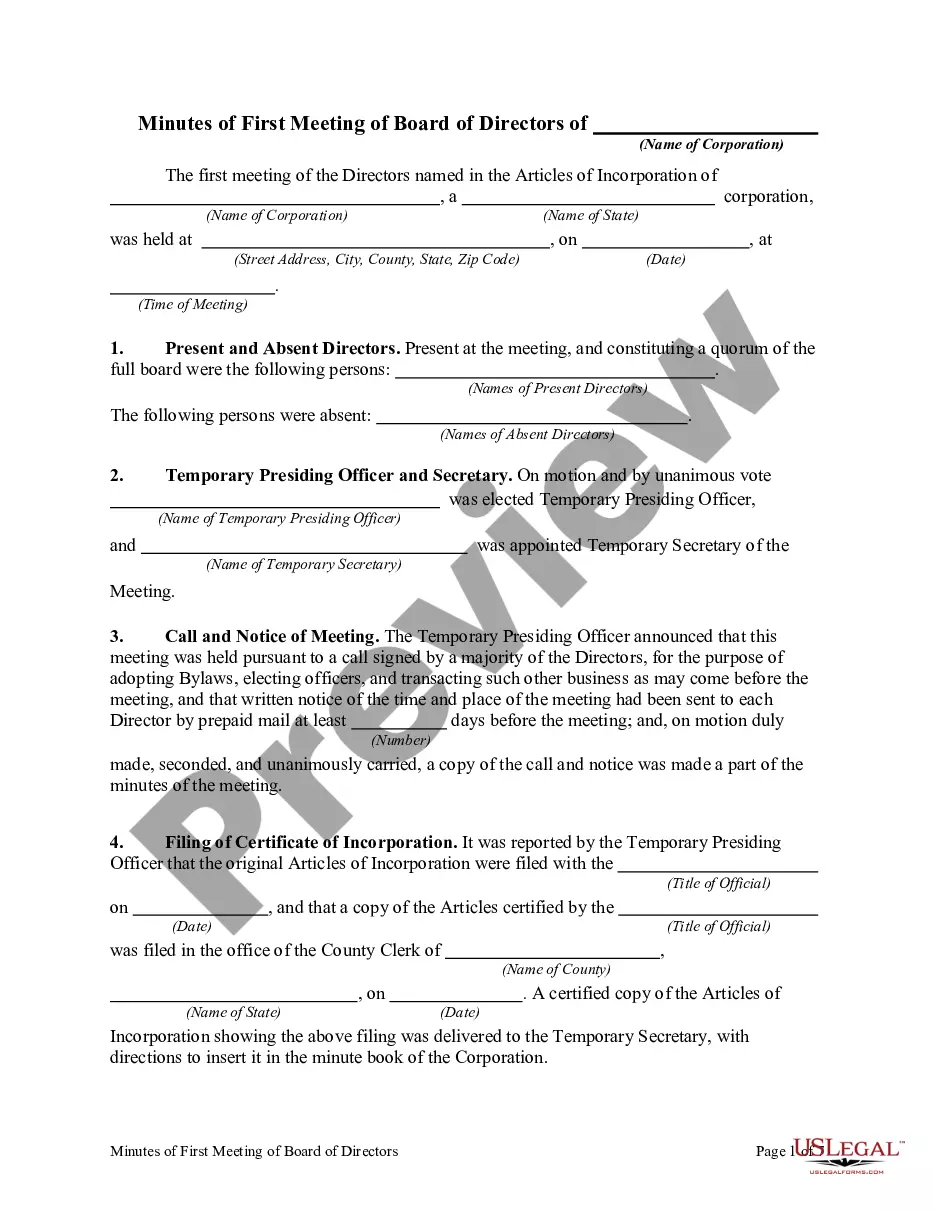
Get your form ready online
Our built-in tools help you complete, sign, share, and store your documents in one place.
Make edits, fill in missing information, and update formatting in US Legal Forms—just like you would in MS Word.
Download a copy, print it, send it by email, or mail it via USPS—whatever works best for your next step.
Sign and collect signatures with our SignNow integration. Send to multiple recipients, set reminders, and more. Go Premium to unlock E-Sign.
If this form requires notarization, complete it online through a secure video call—no need to meet a notary in person or wait for an appointment.
We protect your documents and personal data by following strict security and privacy standards.

Make edits, fill in missing information, and update formatting in US Legal Forms—just like you would in MS Word.

Download a copy, print it, send it by email, or mail it via USPS—whatever works best for your next step.

Sign and collect signatures with our SignNow integration. Send to multiple recipients, set reminders, and more. Go Premium to unlock E-Sign.

If this form requires notarization, complete it online through a secure video call—no need to meet a notary in person or wait for an appointment.

We protect your documents and personal data by following strict security and privacy standards.
Looking for another form?


Form popularity
FAQ
Popular piety is another name for it. examples of this would be the rosary, Eucharistic adoration,Stations of the cross.
Such authentic expressions of popular piety are not at odds with the centrality of the Sacred Liturgy. Rather, in promoting the faith of the people, who regard popular piety as a natural religious expression, they predispose the people for the celebration of the Sacred Mysteries.
The religious sense of the Christian people has always found expression in various forms of piety surrounding the Church's sacramental life, such as the venerations of relics, visits to sanctuaries, pilgrimages, processions, the stations of the cross, religious dance, the rosary, medals, etc.
Popular piety, most often called devotions, refers to those prayers and rituals that may well enjoy great popularity, but are not a part of the official liturgy of the Church. Popular piety would include devotions to Christ,to the mother of God and the saints, and the recitation of the Rosary.
The religious sense of the Christian people has always found expression in various forms of piety surrounding the Church's sacramental life, such as the venerations of relics, visits to sanctuaries, pilgrimages, processions, the stations of the cross, religious dance, the rosary, medals, etc.
They can be personal, such as reading, prayer, and meditation; or communal, such as sharing in the sacraments or Bible study.
3 Third, the liturgy is formulated as a cultic rite performed by an assembly normally presided by an ordained minister; its roles or ministries are clearly defined and hierarchically assigned. 3 Instead, a popular religious ritual makes use of procession, drama, poetry, and dances.