Acta Directorio With Translation In Illinois
Description


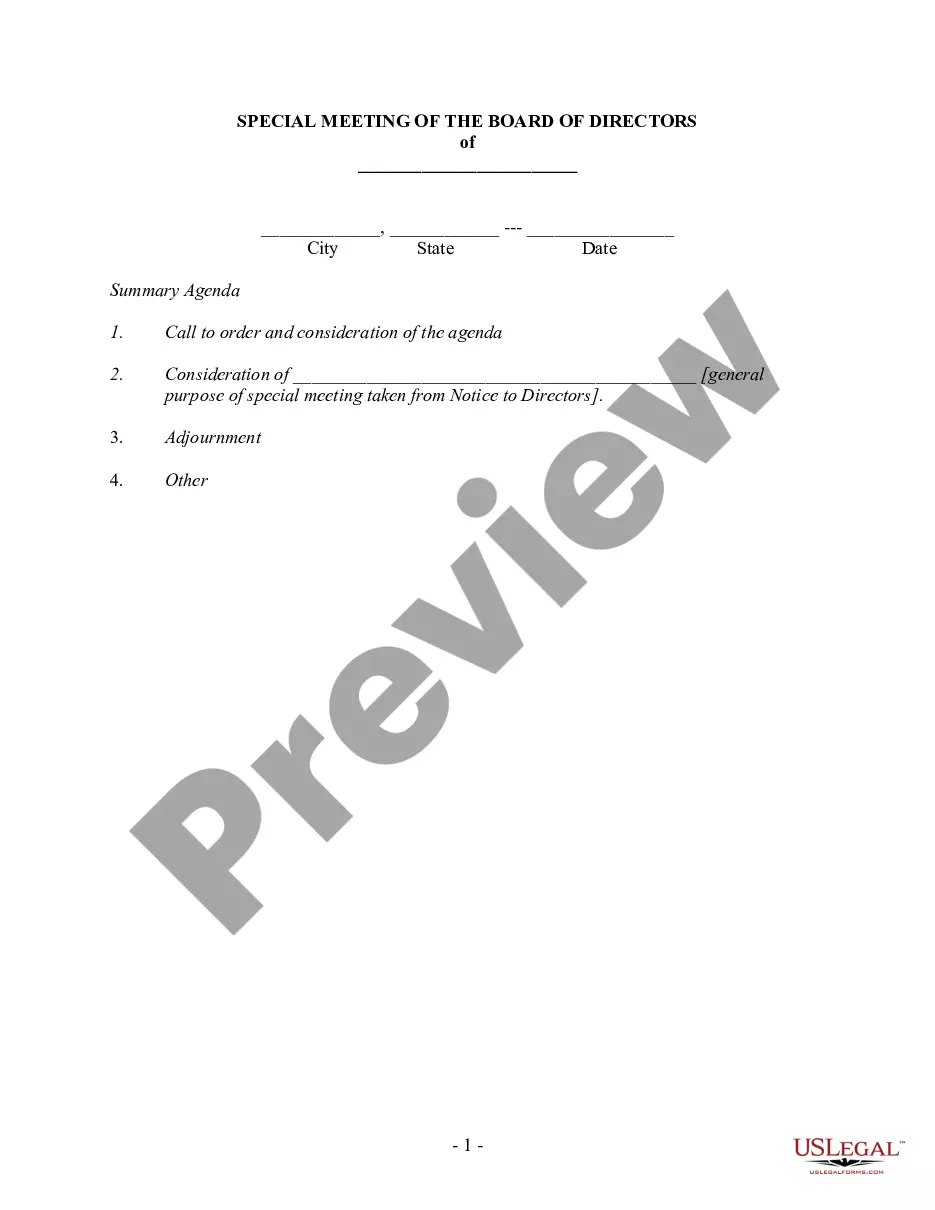
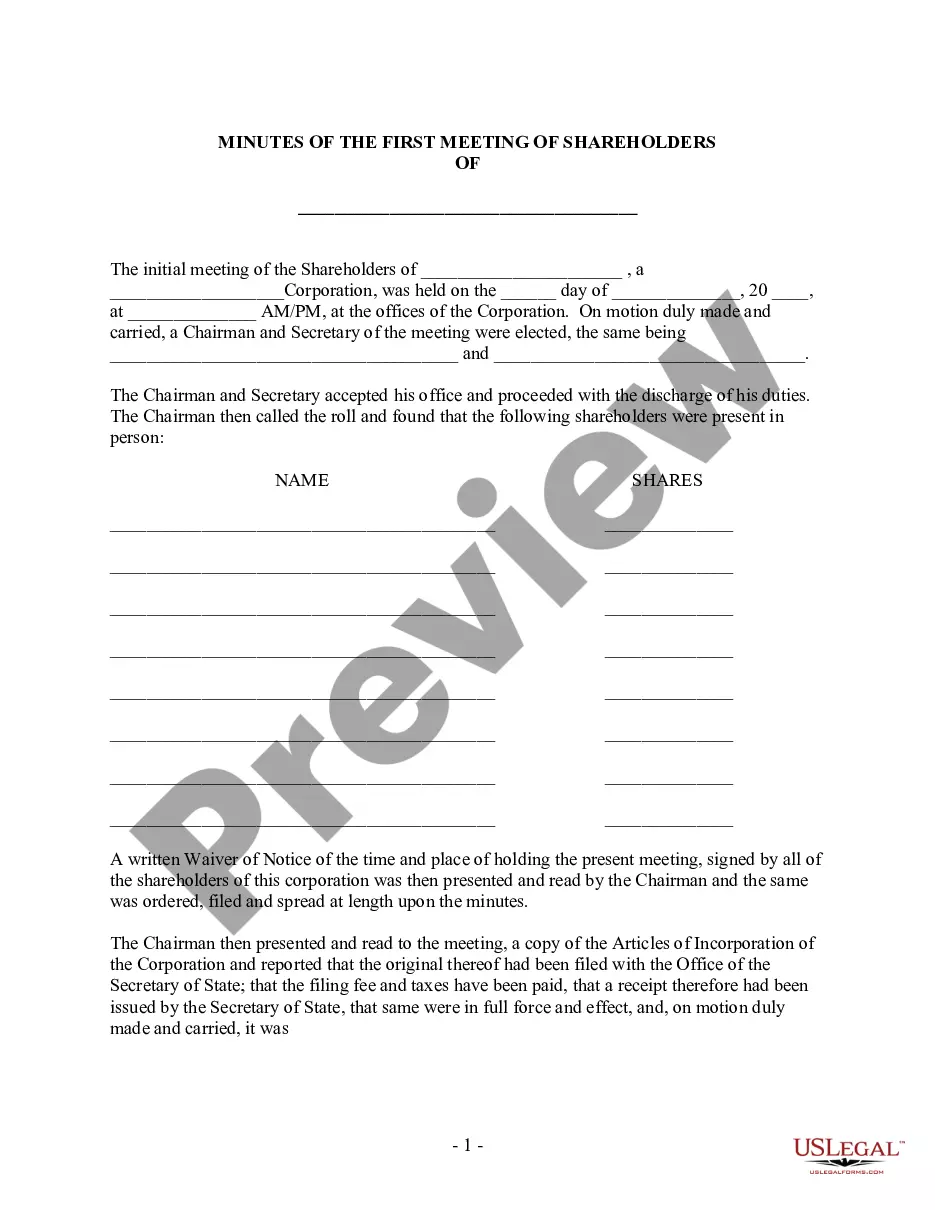
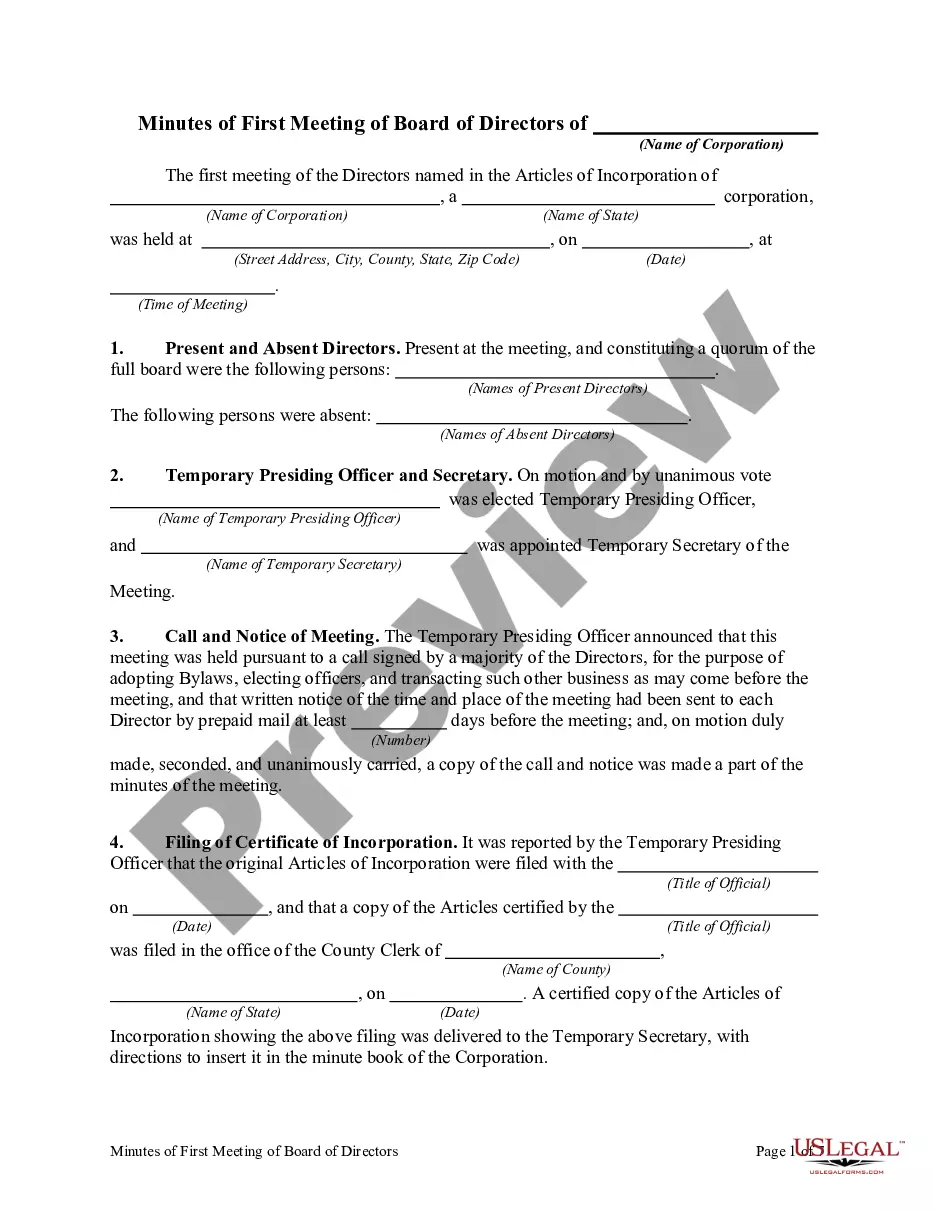
Get your form ready online
Our built-in tools help you complete, sign, share, and store your documents in one place.
Make edits, fill in missing information, and update formatting in US Legal Forms—just like you would in MS Word.
Download a copy, print it, send it by email, or mail it via USPS—whatever works best for your next step.
Sign and collect signatures with our SignNow integration. Send to multiple recipients, set reminders, and more. Go Premium to unlock E-Sign.
If this form requires notarization, complete it online through a secure video call—no need to meet a notary in person or wait for an appointment.
We protect your documents and personal data by following strict security and privacy standards.

Make edits, fill in missing information, and update formatting in US Legal Forms—just like you would in MS Word.

Download a copy, print it, send it by email, or mail it via USPS—whatever works best for your next step.

Sign and collect signatures with our SignNow integration. Send to multiple recipients, set reminders, and more. Go Premium to unlock E-Sign.

If this form requires notarization, complete it online through a secure video call—no need to meet a notary in person or wait for an appointment.

We protect your documents and personal data by following strict security and privacy standards.
Looking for another form?










Form popularity
FAQ
USCIS generally requires certified translations for any non-English documents you submit as part of your immigration application. This can include: Birth, marriage, and divorce certificates. Academic transcripts and diplomas.
All stamps and seals on the original document that are not in English or French must also be translated. Your translations cannot be done by yourself, a member of your family, your immigration representative or consultant, or a member of your family who is a lawyer, notary, or translator.
To certify a translation, the translator must attest that the translation is a true, complete and accurate translation of the original document. Each page of the translation should be stamped and/or initialled (by the translator and/or certifying authority), to prevent any tampering or misuse.
Qualified translator means a translator who: (1) adheres to generally accepted translator ethics principles, including client confidentiality; (2) has demonstrated proficiency in both written English and at least one other language; (3) is able to translate effectively, accurately, and impartially to and from such ...
Find a translator for your documents and obtain a quote. If you need a translation of official documents, it's important to work with a qualified professional translator. This will ensure that your translations are accurate and fit for their end use by the requesting authority.
The certification statement must specify whether the signer has translated or reviewed the translation. Note: Although there is no rule expressly prohibiting certifying a translation for yourself or family members, it is generally frowned upon.
To notarize a translation, an official government representative or notary of the public must be present to sign off on the document. In situations involving some government documents, a notary may act as a representative to authenticate a document's translation.
A certification statement should include the following information at a minimum. A statement of the translator's qualifications. A statement affirming the completeness and accuracy of the document. Identification of the translated document and language. The translator's name, signature, and date.
They will produce a signed and dated certificate detailing their qualifications, professional credentials and contact details and declaring that their translation is true and faithful to the original document. This is then attached to a copy of the original document and the translation.