Companies Board Meeting Rules In Fulton
Description

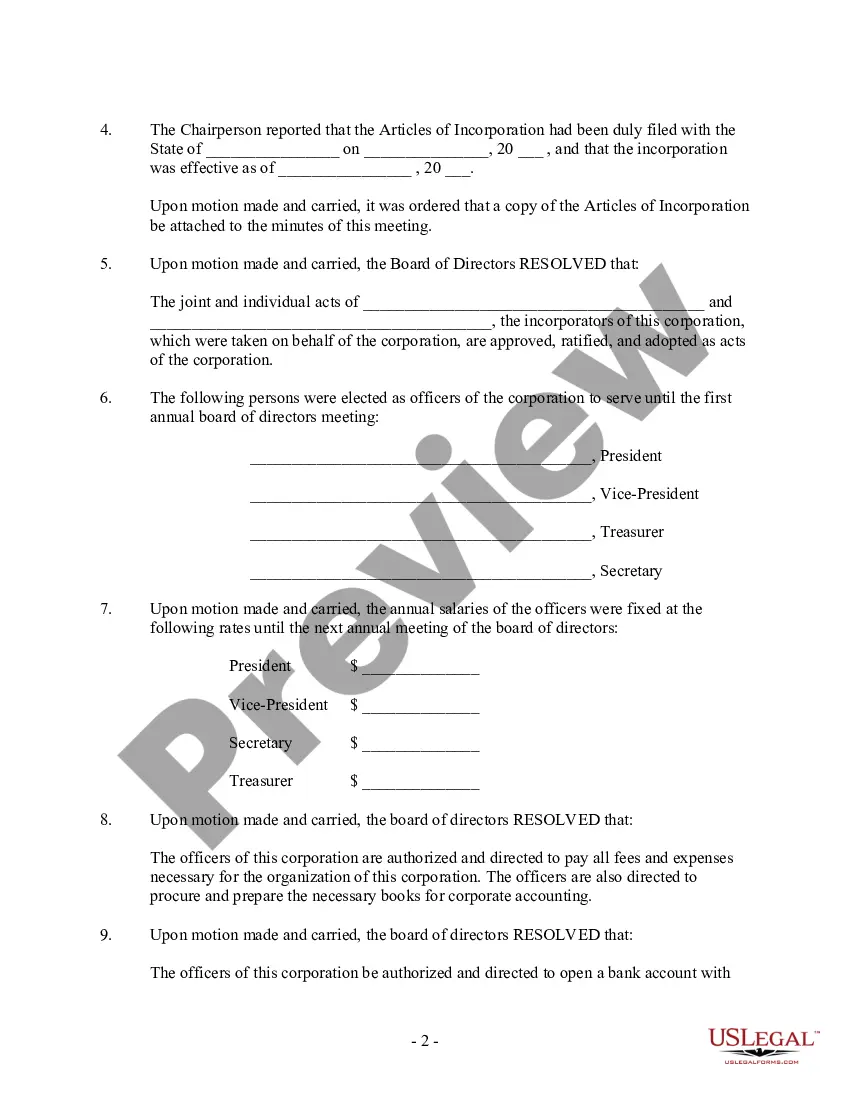
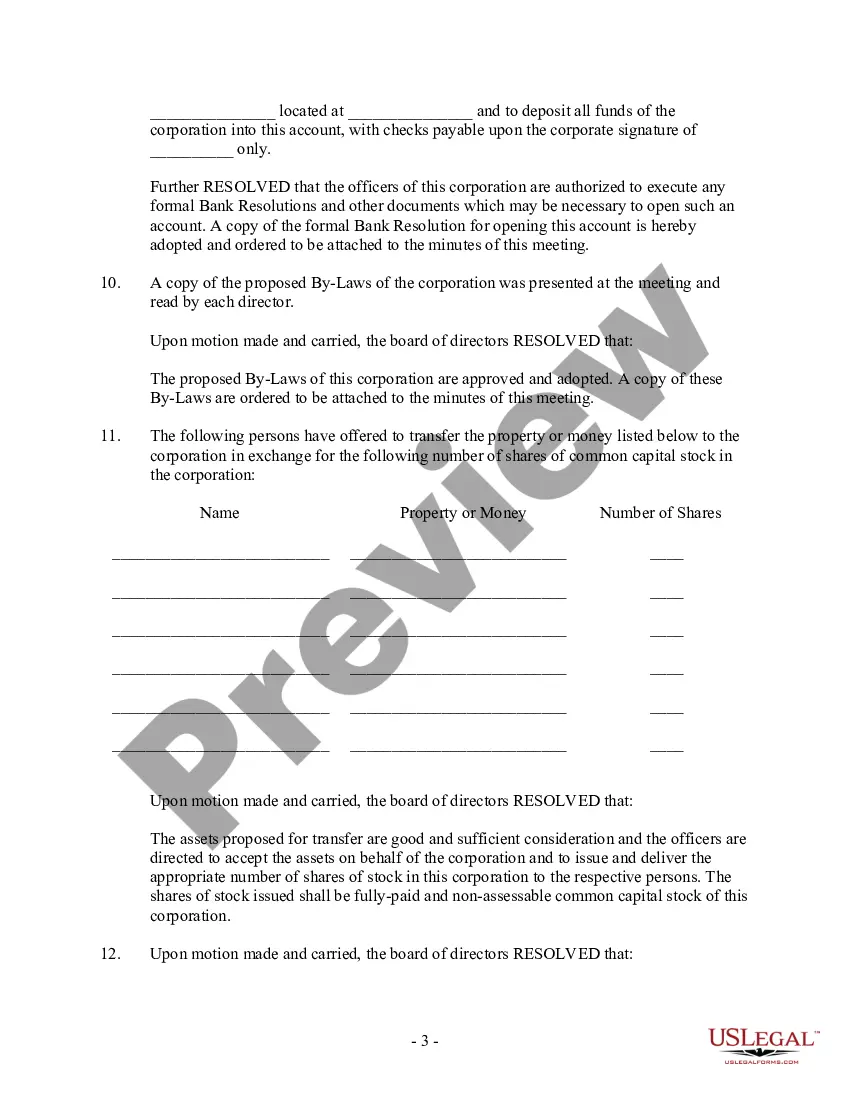
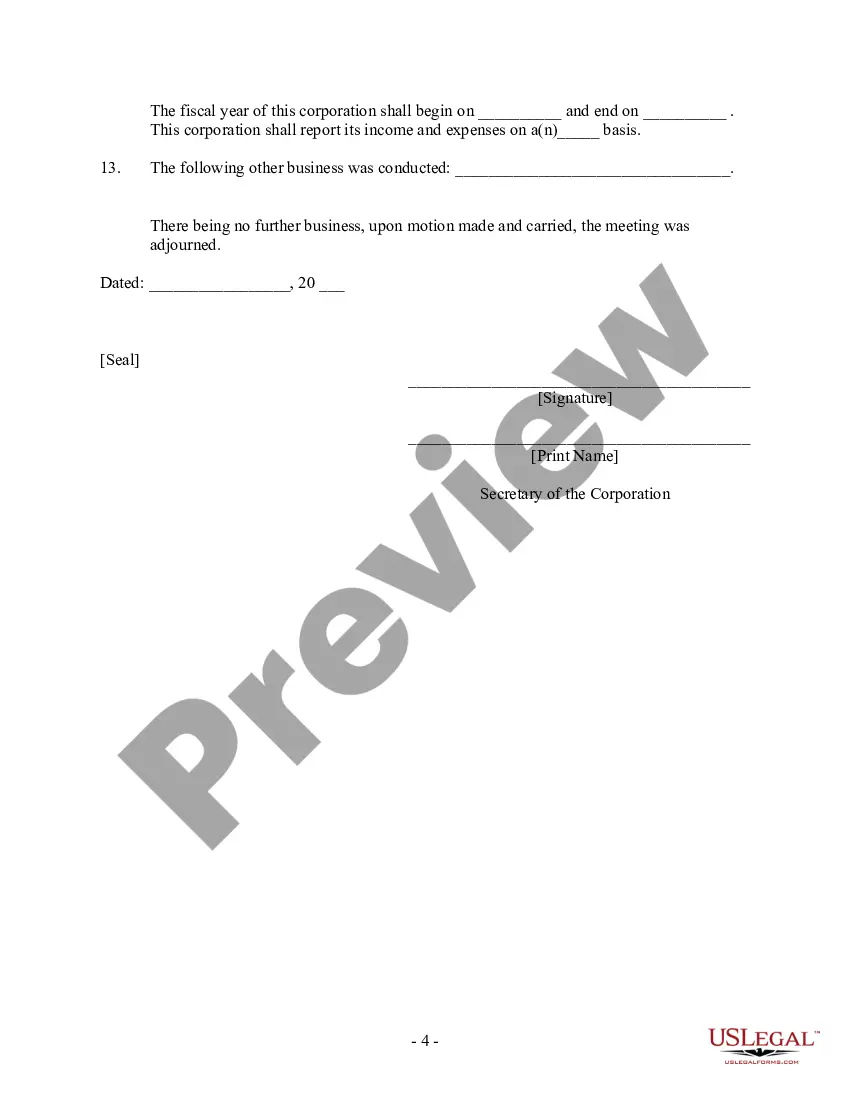

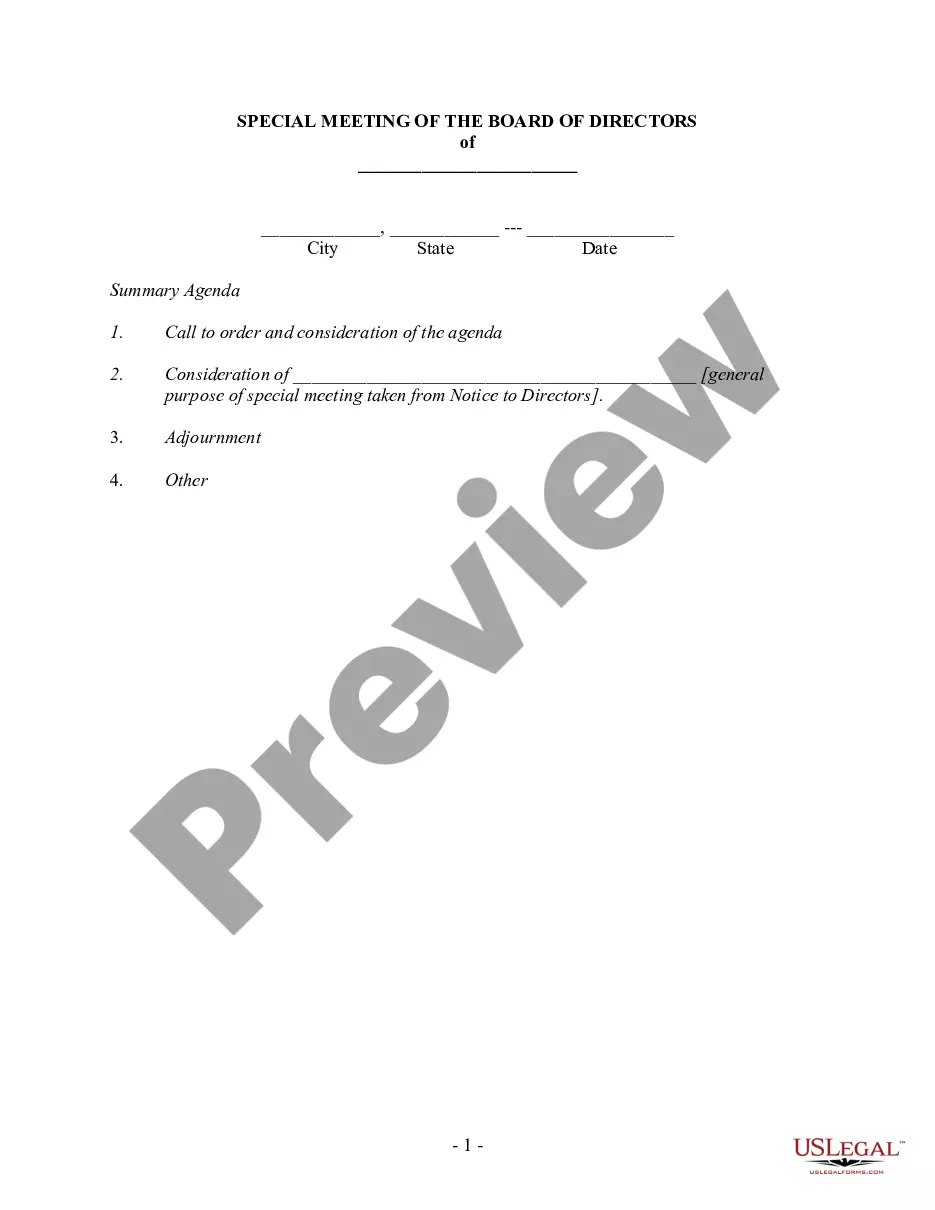
Get your form ready online
Our built-in tools help you complete, sign, share, and store your documents in one place.
Make edits, fill in missing information, and update formatting in US Legal Forms—just like you would in MS Word.
Download a copy, print it, send it by email, or mail it via USPS—whatever works best for your next step.
Sign and collect signatures with our SignNow integration. Send to multiple recipients, set reminders, and more. Go Premium to unlock E-Sign.
If this form requires notarization, complete it online through a secure video call—no need to meet a notary in person or wait for an appointment.
We protect your documents and personal data by following strict security and privacy standards.

Make edits, fill in missing information, and update formatting in US Legal Forms—just like you would in MS Word.

Download a copy, print it, send it by email, or mail it via USPS—whatever works best for your next step.

Sign and collect signatures with our SignNow integration. Send to multiple recipients, set reminders, and more. Go Premium to unlock E-Sign.

If this form requires notarization, complete it online through a secure video call—no need to meet a notary in person or wait for an appointment.

We protect your documents and personal data by following strict security and privacy standards.
Looking for another form?



Form popularity
FAQ
Non-profit organizations typically have board meetings that last between one and two hours when held monthly, and up to eight hours for quarterly meetings.
Connect the Board to the Mission Right from the Start. Share Executive Director Reports in Advance. Avoid Committee Reports That Rehash Past Meetings. Allow Plenty of Time for Strategic Discussions. Executive Sessions are a Great Way to Tackle the “Big” Things. What Happens Between Board Meetings Matters.
Board meetings are where a company's board — made up of the directors — meets with members of the leadership team to discuss the company's progress, goals and performance. They typically kick off once a startup has the first investors on its cap table.
Board meetings are almost always confidential. However, it takes both legally binding nondisclosure agreements and good board policy to ensure confidentiality.
The chair should invite discussion and facilitate debate, drawing out a full range of opinions. If the discussion is lengthy, the chair may limit the discussion for a certain period. At the end of the discussion, the board may agree to vote, amend, table, postpone or move it to a committee for consideration.
What should you discuss during a board meeting? CEO Update. Highlights since last meeting. Lowlights/challenges since last meeting. Where the company needs help (I.e. hiring, partnerships, product, etc) Financial performance and updated forecast (quarterly) Marketing performance vs. Revenue/sales performance vs.
Federal and state-level laws, as well as a company's incorporation documents, require public and private corporations—including C-corps—to have boards of directors (BoDs). Companies that are formed as LLCs (limited liability companies) do not have the same requirements, although some still choose to assemble a board.
profit looking for a better way to schedule board meetings needs to keep in mind only 3 simple steps. Work within a date range that works for the organization's calendar. Work within days/times that works for board members' calendars. Make the final decision quickly and stick with it.
If it's the board of a nonprofit (as opposed to some sort of governmental board), the general public doesn't have to be invited or even allowed in the room. If you decide to allow the general public to attend, they do not have the right to speak.
Rule 4 – Matters NOT to be dealt with in a meeting through video conferencing or other audio visual means. the approval of the matter relating to amalgamation, merger, demerger, acquisition and takeover.
