Board Directors Minutes Without Oxygen In Florida
Description

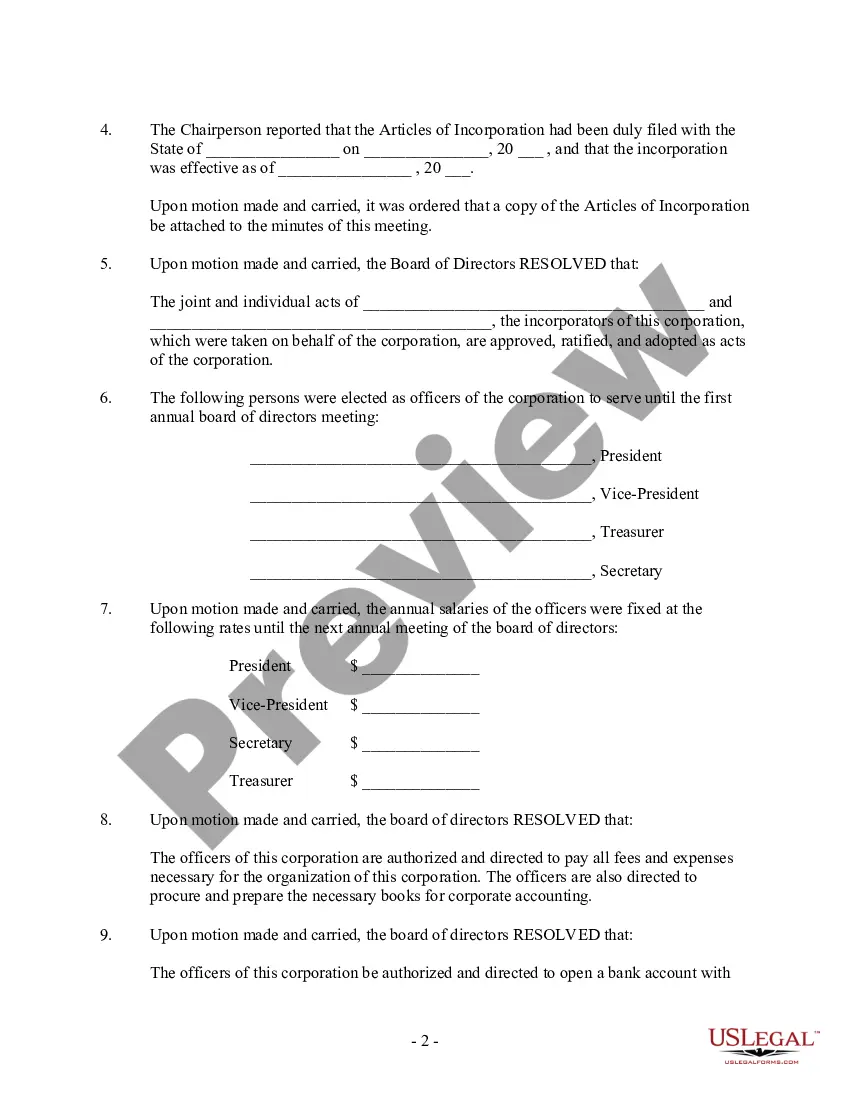
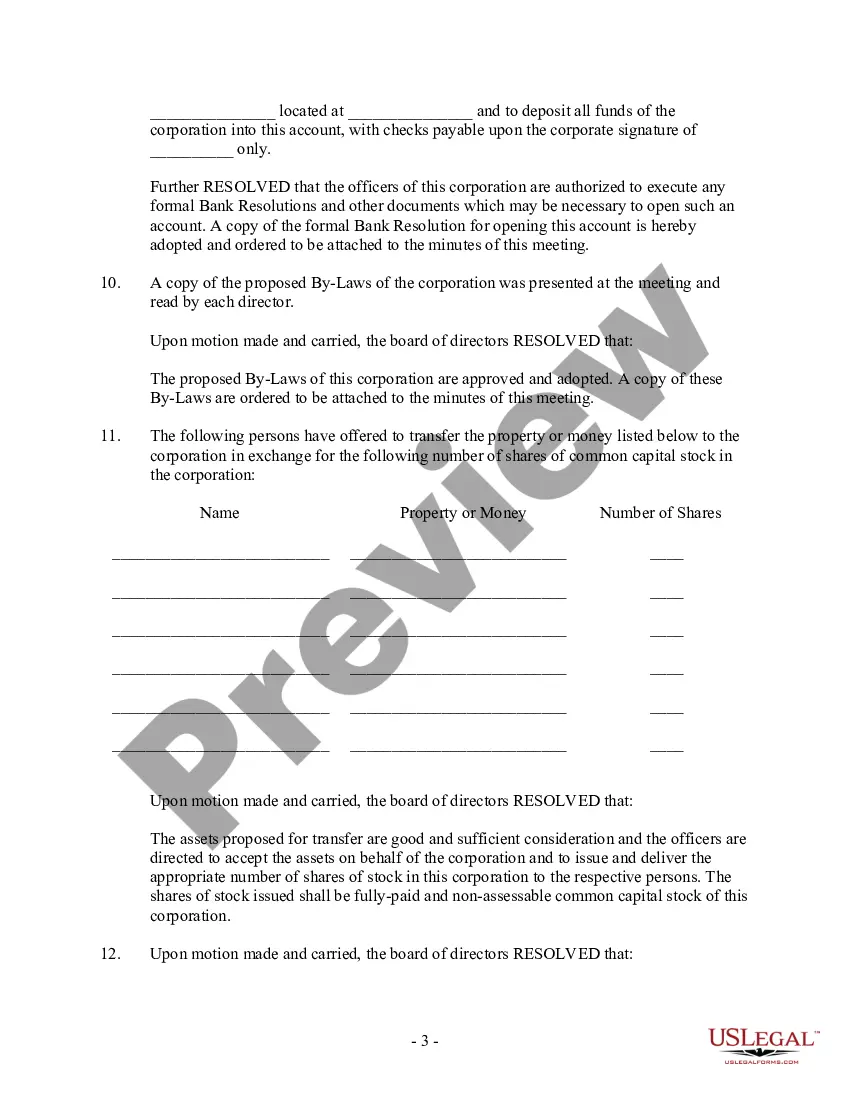
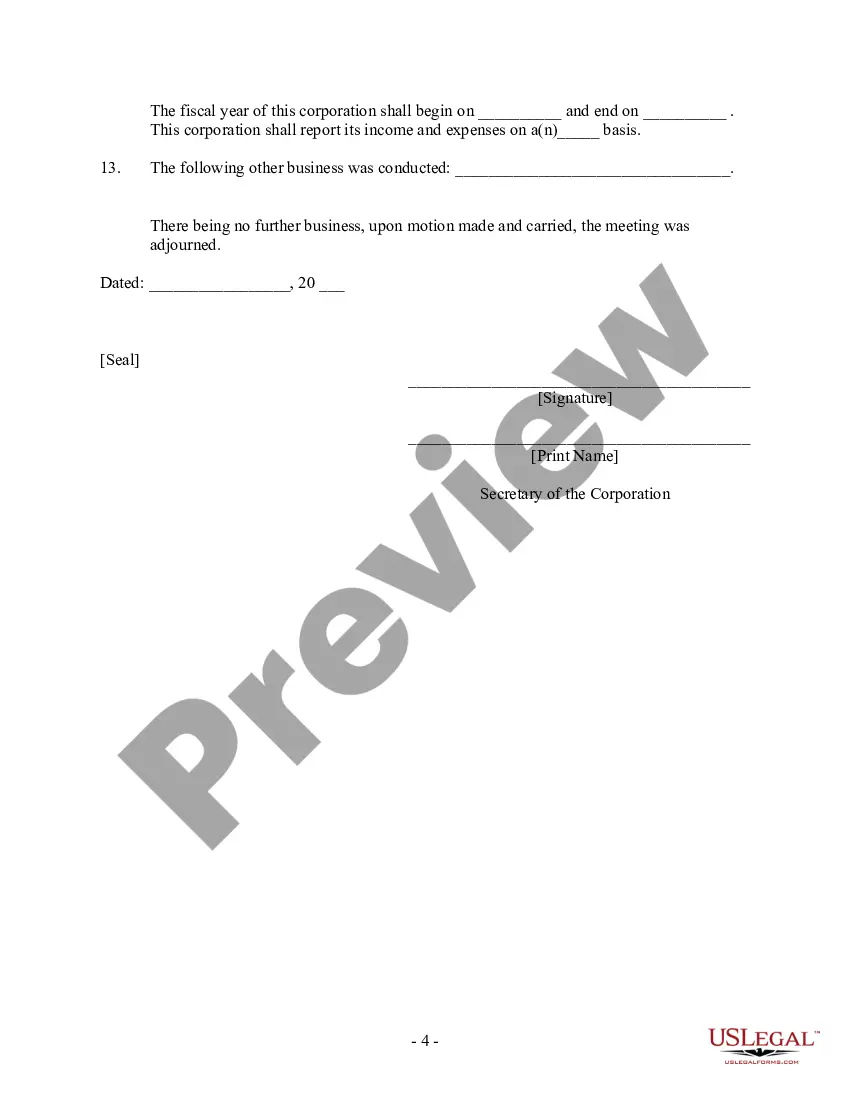

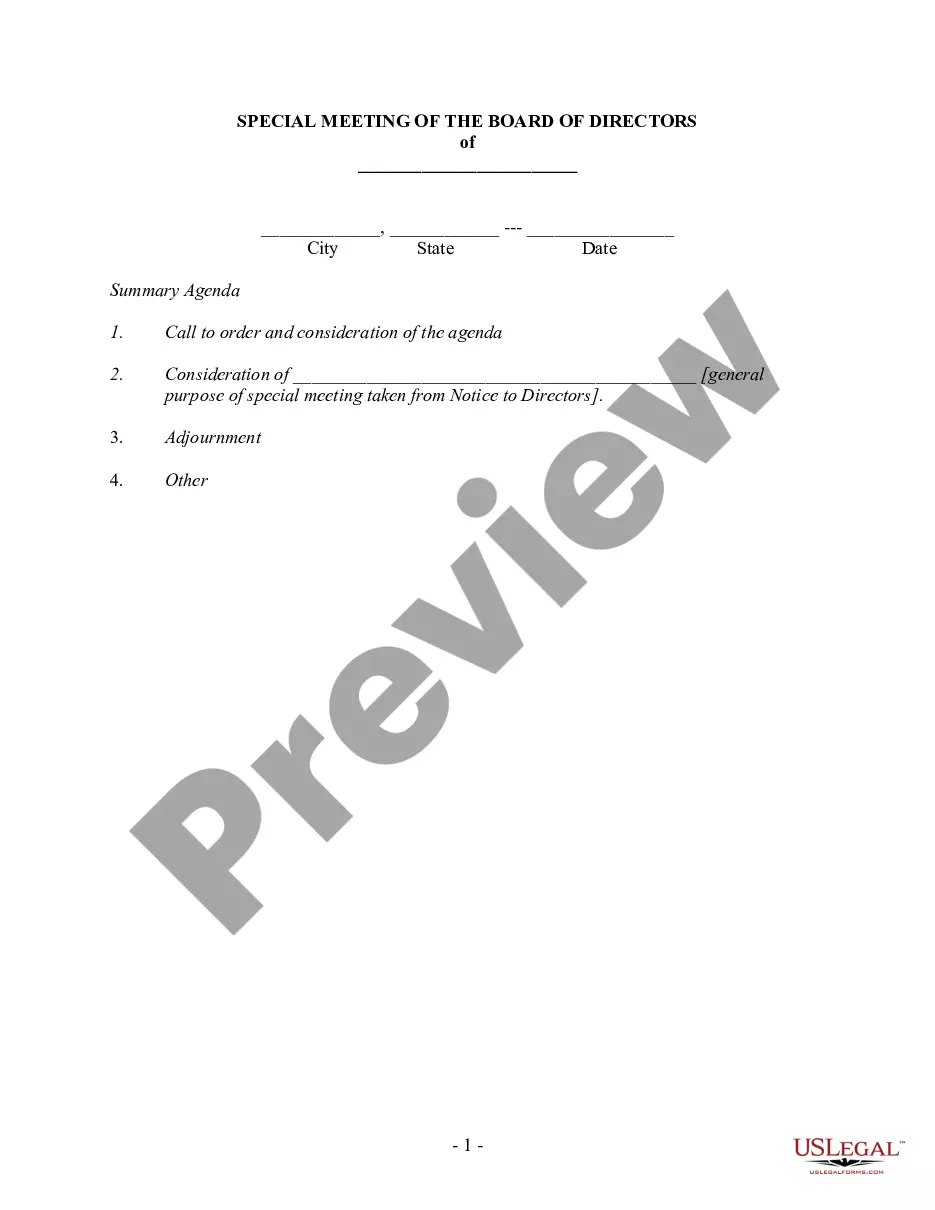
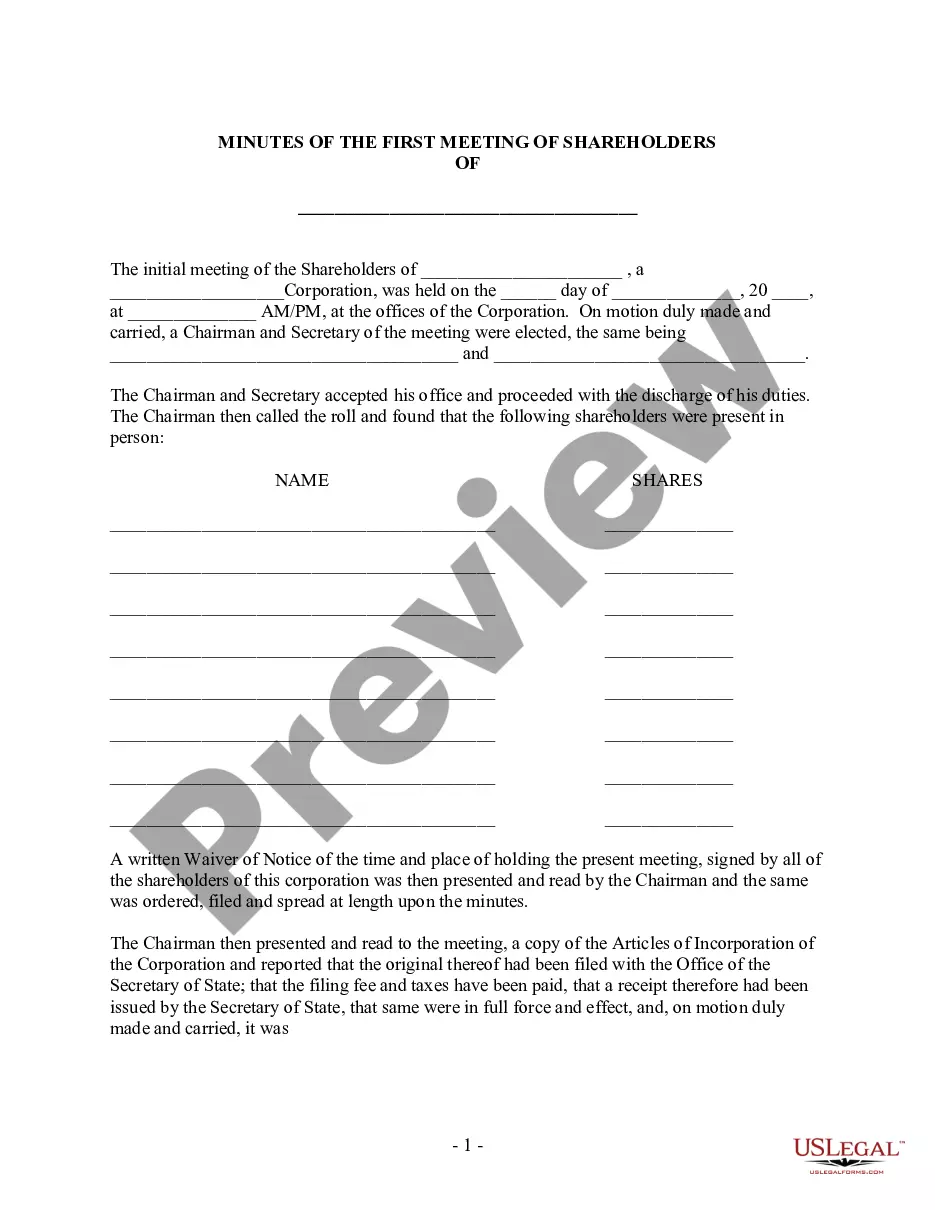
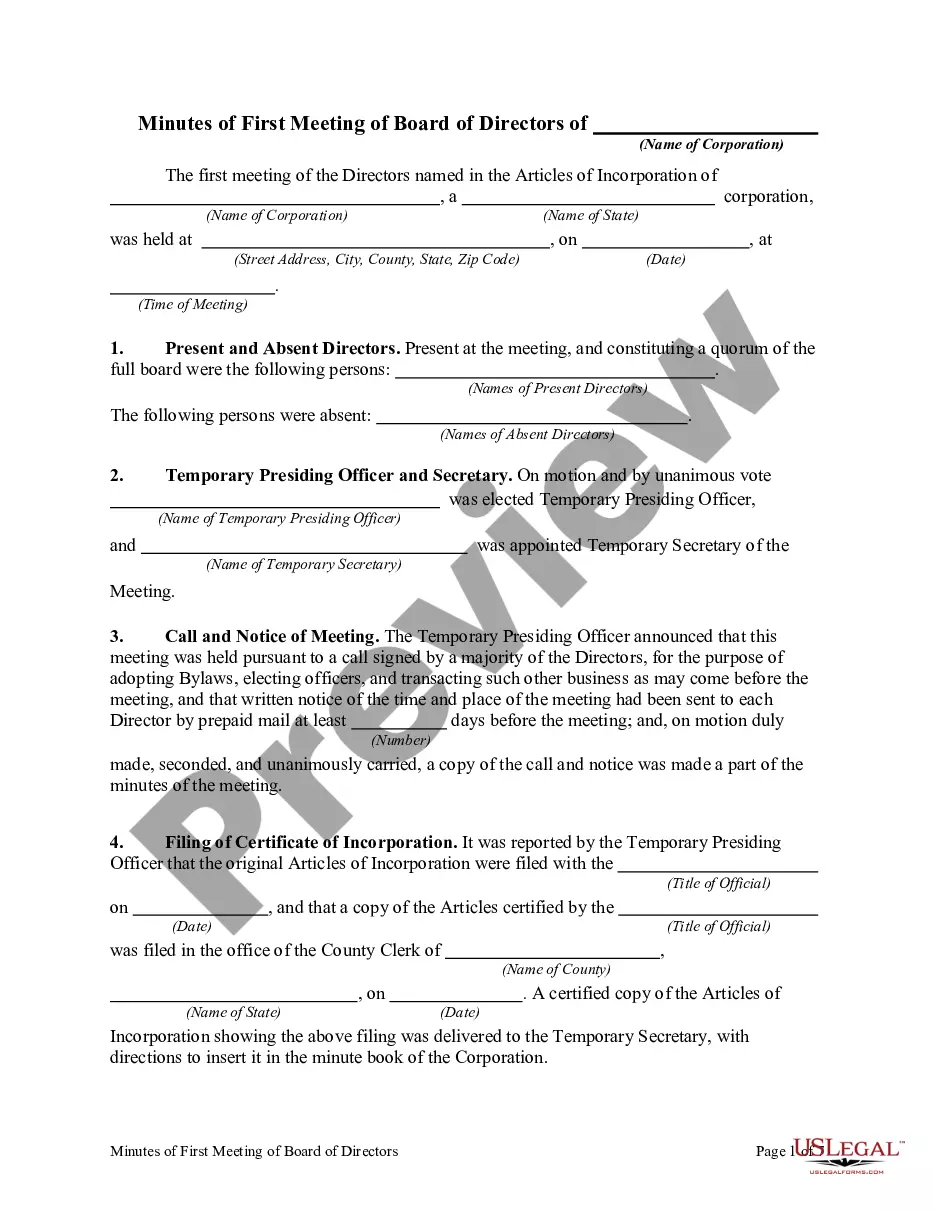
Get your form ready online
Our built-in tools help you complete, sign, share, and store your documents in one place.
Make edits, fill in missing information, and update formatting in US Legal Forms—just like you would in MS Word.
Download a copy, print it, send it by email, or mail it via USPS—whatever works best for your next step.
Sign and collect signatures with our SignNow integration. Send to multiple recipients, set reminders, and more. Go Premium to unlock E-Sign.
If this form requires notarization, complete it online through a secure video call—no need to meet a notary in person or wait for an appointment.
We protect your documents and personal data by following strict security and privacy standards.

Make edits, fill in missing information, and update formatting in US Legal Forms—just like you would in MS Word.

Download a copy, print it, send it by email, or mail it via USPS—whatever works best for your next step.

Sign and collect signatures with our SignNow integration. Send to multiple recipients, set reminders, and more. Go Premium to unlock E-Sign.

If this form requires notarization, complete it online through a secure video call—no need to meet a notary in person or wait for an appointment.

We protect your documents and personal data by following strict security and privacy standards.
Looking for another form?

Form popularity
FAQ
Ron DeSantis recently signed into law House Bill 1203 which adopted broad changes for homeowners associations throughout the state. Effective July 1, 2024, House Bill 1203 provides a comprehensive overhaul of many issues affecting HOAs, including director education, records maintenance, meeting requirements and fines.
The new legal updates are outlined in Chapter 718 for condominium associations and Chapter 720 for homeowners associations. While both community associations may seem extremely similar, because they govern separate property types, they each require their legislature and governing documents.
Chapter 720 of the Florida Statutes governs homeowners' associations (HOAs) in Florida. Unlike condominiums or cooperatives, homeowners' associations typically govern single-family homes in a specific development or community.
The three basic requirements of the Sunshine Law are: (1) meetings of public boards or commissions must be open to the public; (2) reasonable notice of such meetings must be given; and (3) minutes of the meetings must be taken.
Florida House Bill 1203 introduces substantial reforms aimed at increasing transparency and accountability within HOAs. This bill mandates the online posting of governing documents, including covenants, restrictions, and financial records, ensuring that you, as a homeowner, have easy access to critical information.
There is no maximum by law. Annual assessments have a 15% cap by law for condominiums (COAs) but not HOAs.
Chapter 720 - HOMEOWNERS' ASSOCIATIONS.
A: Florida law is clear that owners in a HOA have the right to record meetings of the board or meetings of the members. Specifically, Florida Statutes, Section 720.306(10) provides that “Any parcel owner may tape record or videotape meetings of the board of directors and meetings of the members.
Code § 5200(a)(8).) Board meeting minutes, minutes proposed for adoption (“draft minutes”), or a summary of the minutes, of any board meeting (other than executive session) must be made available to the association's members within thirty (30) days following the board meeting. (Civ.
In order to properly call a shade meeting, section 286.011(8) requires the following: i. Reasonable public notice should be given of the time and place that a shade meeting is to occur, along with the names of the persons who will be in attendance.
