Board Meeting Corporate For Small Companies Act 2013 In Chicago
Description

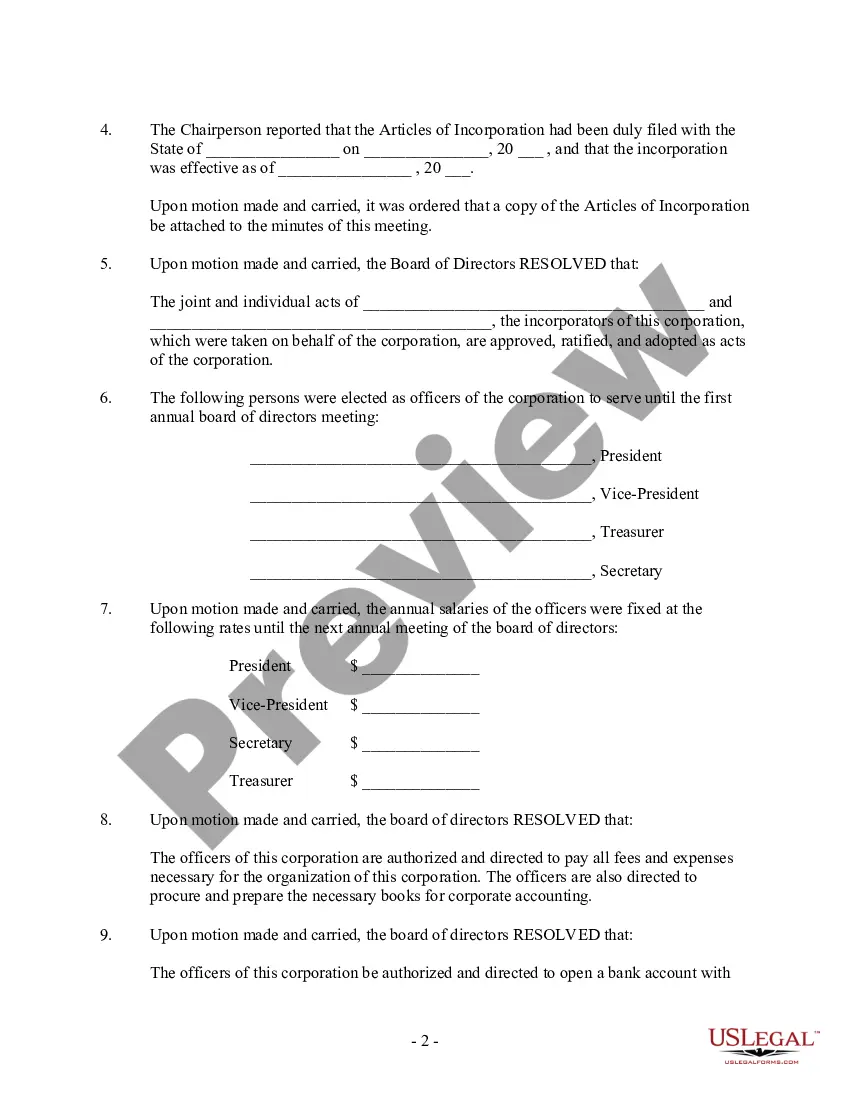
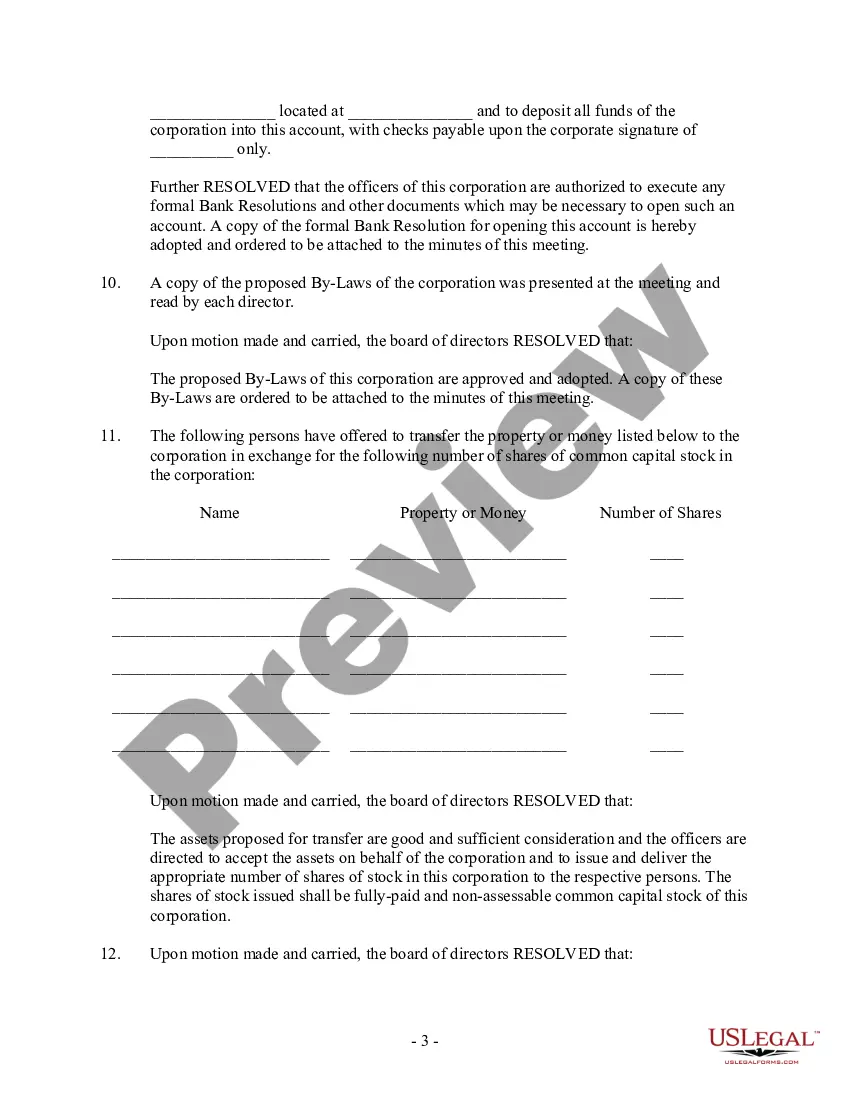
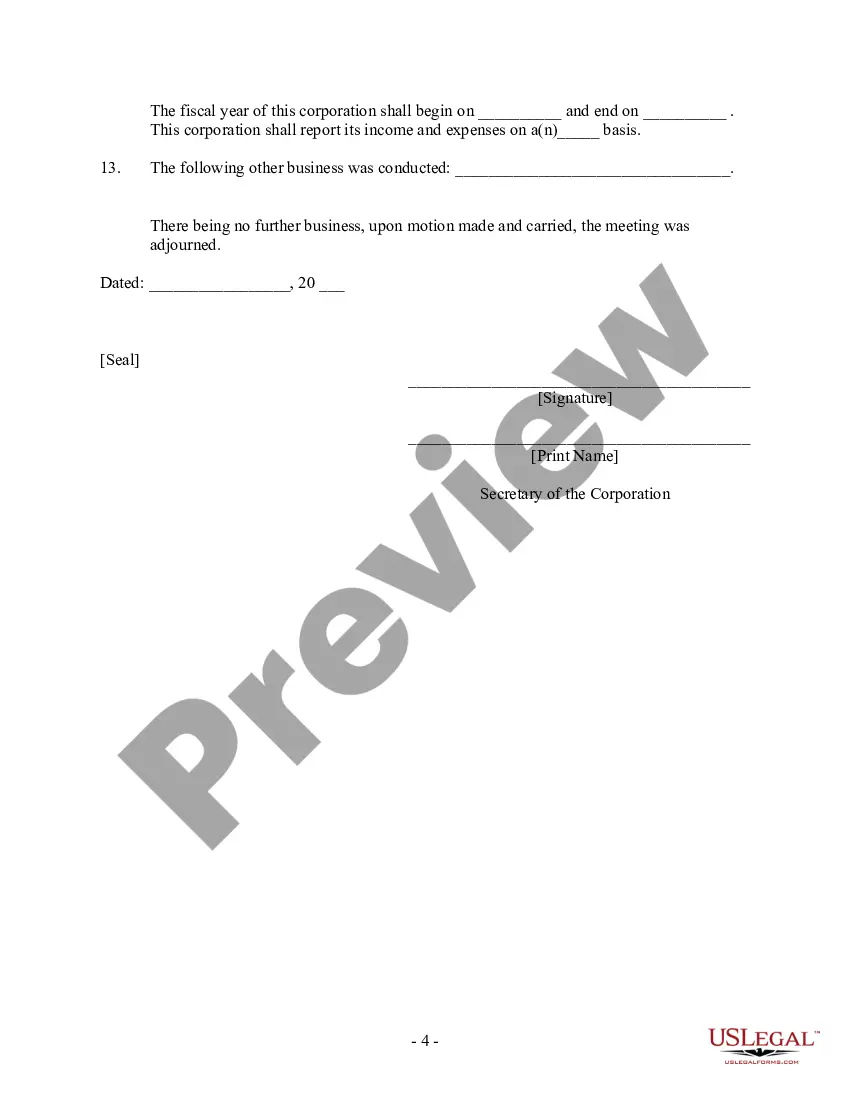

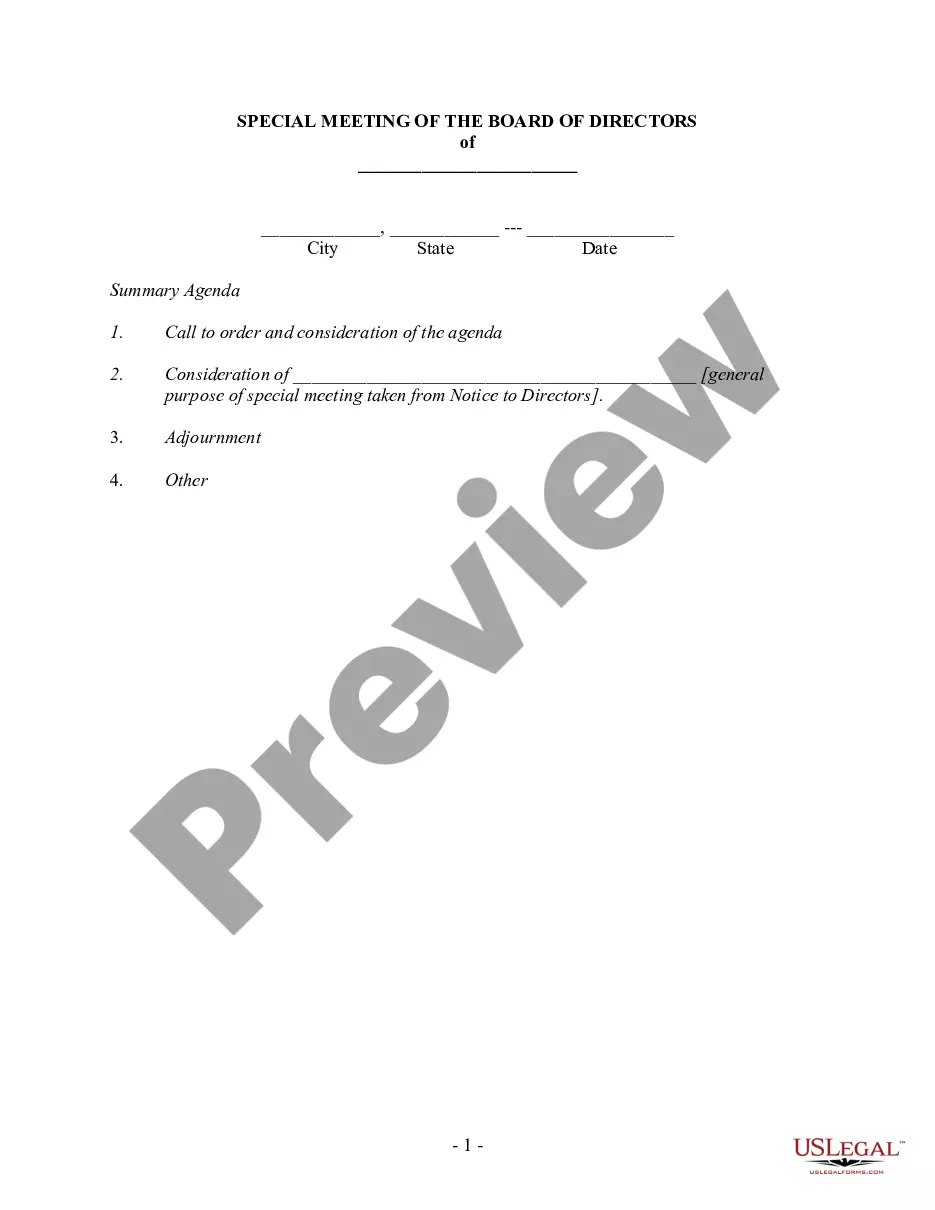
Get your form ready online
Our built-in tools help you complete, sign, share, and store your documents in one place.
Make edits, fill in missing information, and update formatting in US Legal Forms—just like you would in MS Word.
Download a copy, print it, send it by email, or mail it via USPS—whatever works best for your next step.
Sign and collect signatures with our SignNow integration. Send to multiple recipients, set reminders, and more. Go Premium to unlock E-Sign.
If this form requires notarization, complete it online through a secure video call—no need to meet a notary in person or wait for an appointment.
We protect your documents and personal data by following strict security and privacy standards.

Make edits, fill in missing information, and update formatting in US Legal Forms—just like you would in MS Word.

Download a copy, print it, send it by email, or mail it via USPS—whatever works best for your next step.

Sign and collect signatures with our SignNow integration. Send to multiple recipients, set reminders, and more. Go Premium to unlock E-Sign.

If this form requires notarization, complete it online through a secure video call—no need to meet a notary in person or wait for an appointment.

We protect your documents and personal data by following strict security and privacy standards.
Looking for another form?








Form popularity
FAQ
Most board meeting agendas follow a classic meeting structure: Calling meeting to order – ensure you have quorum. Approve the agenda and prior board meeting minutes. Executive and committee reports – allow 25% of time here for key topic discussion. Old/new/other business. Close the meeting and adjourn.
Notice must be given to each director and the notice must indicate the proposed time, date and place of the meeting. Notice does not need to be in writing but it is best practice to have a form of written notice sent out.
How to Write the Notice of Meeting (With Template) Meeting Title. Date, Time, and Duration. Location. Attendees. Meeting Objectives. Agenda. Preparation Materials. RSVP Information.
Information captured in an LLC's annual meeting minutes usually includes: The meeting's date, time, and location. Who wrote the minutes. The names of the members in attendance. Brief description of the meeting agenda. Details about what the members discussed. Decisions made or voting actions taken.
What is the best format for a meeting agenda? Meeting details, like date, time, location and attendees. Meeting objectives that state the purpose of the meeting. Agenda items with specific topics for discussion. Schedule of events with times allocated to each agenda item. Action items from previous meetings.
Purpose and Clarity: Notices should clearly communicate their purpose. The language should be straightforward to avoid confusion. Structure: Follow a structured format—heading, date, subject, audience, details, and contact information. This ensures that all necessary information is included and easily accessible.
The _________________ Name of Governing Body of the _________________ Name of Public Entity (hereafter referred to as "governing body") will be holding a __________ regular or special meeting on _____________ Date at ________ Time.
Notice is hereby given that a meeting of the Board of Directors of the (Company Name) will be held at (Time) on (Day of the Week), the (Date in words) at (Board Meeting Address), to interalia consider the following business as under:-. 3.
"Any Director of a company may, at any time, summon a Meeting of the Board, and the Company Secretary or where there is no Company Secretary, any person authorised by the Board in this behalf, on the requisition of a Director, shall convene a Meeting of the Board, in consultation with the Chairman or in his absence, ...
This is the chairperson of the board. In some cases, it can also be the CEO of the organisation. While doing so, the chair is supposed to stand and state, 'I hereby call this meeting to order', or a similar phrase in a commanding, firm voice.
