Examples Of Writing A Character Letter To A Judge In Wake
Description


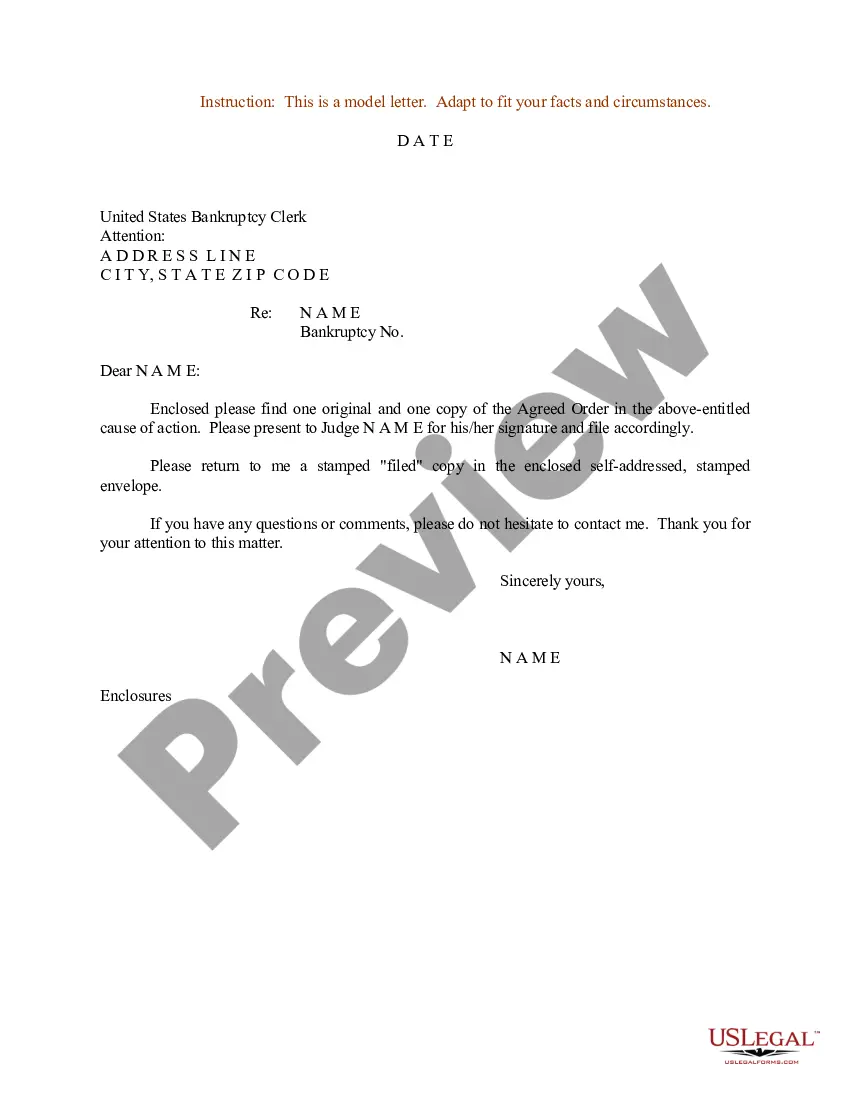
Get your form ready online
Our built-in tools help you complete, sign, share, and store your documents in one place.
Make edits, fill in missing information, and update formatting in US Legal Forms—just like you would in MS Word.
Download a copy, print it, send it by email, or mail it via USPS—whatever works best for your next step.
Sign and collect signatures with our SignNow integration. Send to multiple recipients, set reminders, and more. Go Premium to unlock E-Sign.
If this form requires notarization, complete it online through a secure video call—no need to meet a notary in person or wait for an appointment.
We protect your documents and personal data by following strict security and privacy standards.

Make edits, fill in missing information, and update formatting in US Legal Forms—just like you would in MS Word.

Download a copy, print it, send it by email, or mail it via USPS—whatever works best for your next step.

Sign and collect signatures with our SignNow integration. Send to multiple recipients, set reminders, and more. Go Premium to unlock E-Sign.

If this form requires notarization, complete it online through a secure video call—no need to meet a notary in person or wait for an appointment.

We protect your documents and personal data by following strict security and privacy standards.
Looking for another form?





Form popularity
FAQ
The individual providing the character reference may be willing to do it, but they might not know what it should contain. The character reference would usually contain details on how the person knows you, how long they've known you for and key elements of your personality. Of course, these should always be positive.
The list of key parts are: Introduction and statement of recommendation. List of specific reasons you are recommending them to the position. Personal story with evidence of their qualities (soft and hard skills) Closing statement with contact information. Signature.
Writing the Character Letter: Step-by-Step Guide Start With Proper Salutation. Introduce Yourself and Your Relationship With the Defendant. Discuss the Defendant's Character Positively. Include Specific Examples and Anecdotes. Conclude With a Summary of Your Recommendations.
Sample character reference letter for a coworker I have always found applicant to be trustworthy, hard working and intelligent. When we worked on example, applicant showed good communication skills and I could rely on them to take the initiative and to stay calm under pressure.
Be sure to include how long you have known the person. Mention what capacity you have known them in. Include an example of their positive character traits. Explain why you believe they would be a good fit for the job (include measurable metrics and outcomes if you can!)
I appreciate your thoughtfulness, respect, and fairness throughout my trial. I was convicted of shoplifting, and I plan to own up to my actions and make amends for my mistakes. While I can't go back in time and reverse what I did, you can rest assured that this will never happen again.
Writing the Content of the Letter Write who you are and what your profession is. Explain how you know the defendant. Provide a general statement of support. Write a statement on the defendant's character. Add additional information. Write the conclusion. Avoid improper remarks.
The best character letters often begin with the writer explaining who he or she is and what he or she does. You should then explain how long and under what circumstances you have known the defendant. For example, is he a relative of yours? a romantic partner?
Start by introducing yourself and your relationship to the person you are writing about. Be specific and provide examples of the person's good character. Focus on the person's positive qualities and achievements. Be honest and objective. Proofread your letter carefully before submitting it.

