Sample Letter For Judge Leniency In Virginia
Description


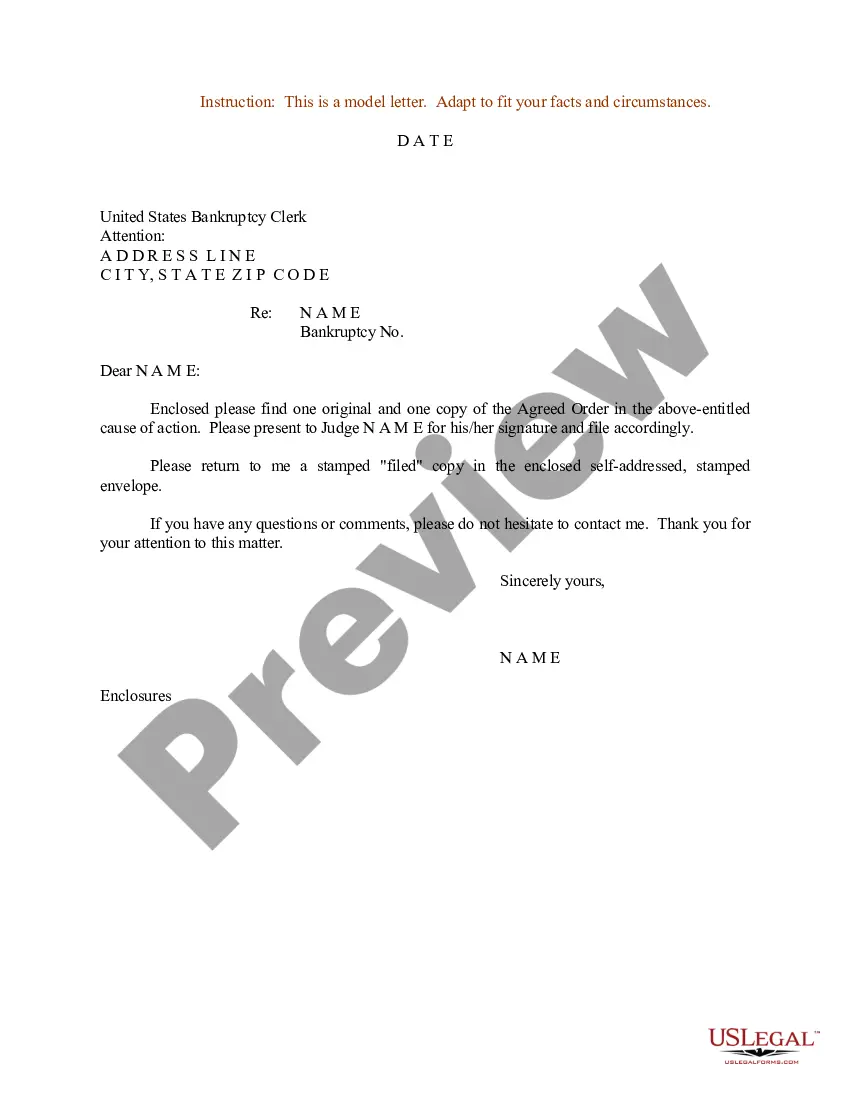
Get your form ready online
Our built-in tools help you complete, sign, share, and store your documents in one place.
Make edits, fill in missing information, and update formatting in US Legal Forms—just like you would in MS Word.
Download a copy, print it, send it by email, or mail it via USPS—whatever works best for your next step.
Sign and collect signatures with our SignNow integration. Send to multiple recipients, set reminders, and more. Go Premium to unlock E-Sign.
If this form requires notarization, complete it online through a secure video call—no need to meet a notary in person or wait for an appointment.
We protect your documents and personal data by following strict security and privacy standards.

Make edits, fill in missing information, and update formatting in US Legal Forms—just like you would in MS Word.

Download a copy, print it, send it by email, or mail it via USPS—whatever works best for your next step.

Sign and collect signatures with our SignNow integration. Send to multiple recipients, set reminders, and more. Go Premium to unlock E-Sign.

If this form requires notarization, complete it online through a secure video call—no need to meet a notary in person or wait for an appointment.

We protect your documents and personal data by following strict security and privacy standards.
Looking for another form?









Form popularity
FAQ
The 5 most common tips in writing an effective leniency letter to a judge include: write a clear introduction, introduce yourself and establish credibility, provide reasons for leniency, tell a story, and. provide contact information.
Provide Reasons for Leniency The core of your letter should explain why you believe the judge should show leniency towards the defendant. Highlight the defendant's positive traits and contributions, such as: Their role in caring for and providing for their family. Good character traits or values they possess.
You Honor, I am writing you this letter to ask for leniency in the sentencing of my husband and that your sentence be merciful and not punitive. My husband has always obtained to working hard for our family and giving us the best support possible. My son and I love my husband very much.
I appreciate your thoughtfulness, respect, and fairness throughout my trial. I was convicted of shoplifting, and I plan to own up to my actions and make amends for my mistakes. While I can't go back in time and reverse what I did, you can rest assured that this will never happen again.
These letters can be a very important part of the sentencing process because they help the judge get to know the person they are sentencing in ways other than just the facts of the offense: The letter should be addressed to the Judge, but mailed to the defendant's attorney.
Dear Judge Name or Honorable Name, I am writing to you in my capacity as Your Relationship to the Person, to advocate for Name of the Person, whom I have known for Number of Years years. It is an honor to vouch for their character and integrity in my time knowing them.
Use formal language and avoid slang. Thank the judge for their time and consideration. Offer your willingness to provide further information if needed. Use a formal closing such as ``Sincerely'' or ``Respectfully,'' followed by your name. Dear Honorable (Judge's Last Name),
You start by addressing the letter to the Honorable Judge so and so, and begin with Your honor. You end with respectfully yours, and then sign your name (write your name in block letters underneath your signature.
You don't know me and you don't owe anything to me or (name of defendant). Yet, I am asking you be as lenient as possible in delivering your sentence. May you find mercy in your heart.

