Sample Letter To Judge For Guardianship In Travis
Description


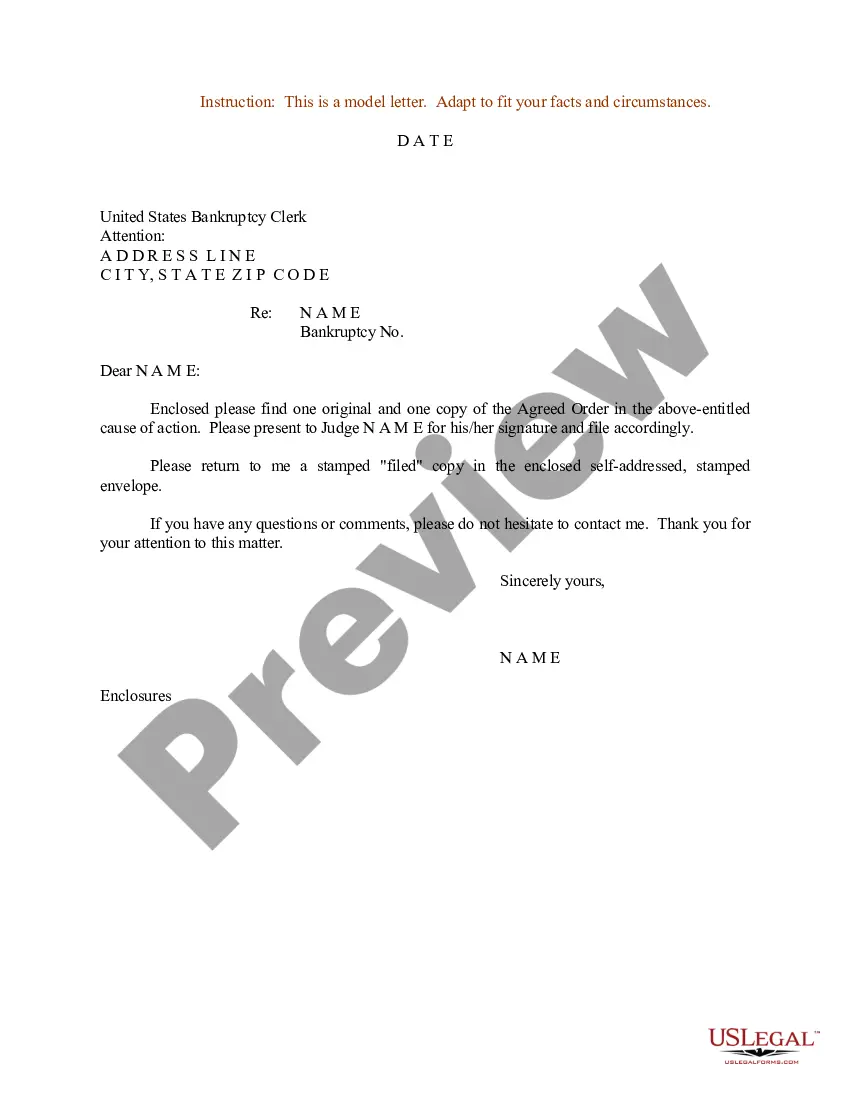
Get your form ready online
Our built-in tools help you complete, sign, share, and store your documents in one place.
Make edits, fill in missing information, and update formatting in US Legal Forms—just like you would in MS Word.
Download a copy, print it, send it by email, or mail it via USPS—whatever works best for your next step.
Sign and collect signatures with our SignNow integration. Send to multiple recipients, set reminders, and more. Go Premium to unlock E-Sign.
If this form requires notarization, complete it online through a secure video call—no need to meet a notary in person or wait for an appointment.
We protect your documents and personal data by following strict security and privacy standards.

Make edits, fill in missing information, and update formatting in US Legal Forms—just like you would in MS Word.

Download a copy, print it, send it by email, or mail it via USPS—whatever works best for your next step.

Sign and collect signatures with our SignNow integration. Send to multiple recipients, set reminders, and more. Go Premium to unlock E-Sign.

If this form requires notarization, complete it online through a secure video call—no need to meet a notary in person or wait for an appointment.

We protect your documents and personal data by following strict security and privacy standards.
Looking for another form?









Form popularity
FAQ
You start by addressing the letter to the Honorable Judge so and so, and begin with Your honor. You end with respectfully yours, and then sign your name (write your name in block letters underneath your signature.
Introduction: - Introduce yourself (your name and age). - Briefly state the purpose of your letter (to request a change in custody). Body: - Explain Your Situation: Describe your current living situation and why you feel a change is necessary. Be honest about your feelings and experiences. Reasons for Change:
Letters from non-lawyers to judges are absolutely to be avoided. They are inappropriate and violate many rules regarding proper communication with judges. Some letters may be in violation of criminal law that prohibits improper efforts to influenc...
Tips for Writing a Letter to a Judge: Be Respectful: Use formal language and address the judge appropriately. Be Concise: Keep the letter focused and to the point. Provide Relevant Information: Stick to facts and avoid emotional appeals that lack substance.
Here's a list of five specific types of guardianship court evidence that could be necessary for such cases: Document 1: Medical Reports/Evaluations. Document 2: Letters of Recommendation. Document 3: Background Check/Criminal Record. Document 4: Financial Statements. Document 5: Previous Guardianship/Custody Orders.
After you have qualified, you may request your Letters of Guardianship (“Letters”) from the county clerk's office. The Letters are an official document that serves as evidence of your appointment as guardian.
You simply write the letter and address to the judge, at his court. It's best to keep such a letter concise, like no more than one page, and when addressing it, it should be directed to ``The Honorable So-and-So, Judge,'' at the court address, the proper salutation being either ``Dear Judge So-and...
Here's a short list of what you'll want to include: Facts of the case. An outline of what happened. Statement of the issue. A brief description of the problem. Demand. The dollar amount or action necessary to resolve the case. Response deadline. The date by which the recipient must respond. Noncompliance consequences.
You do not write letters to judges. Judges cannot read letters written to them by parties in a case. It's called ex parte communication and it is forbidden.

