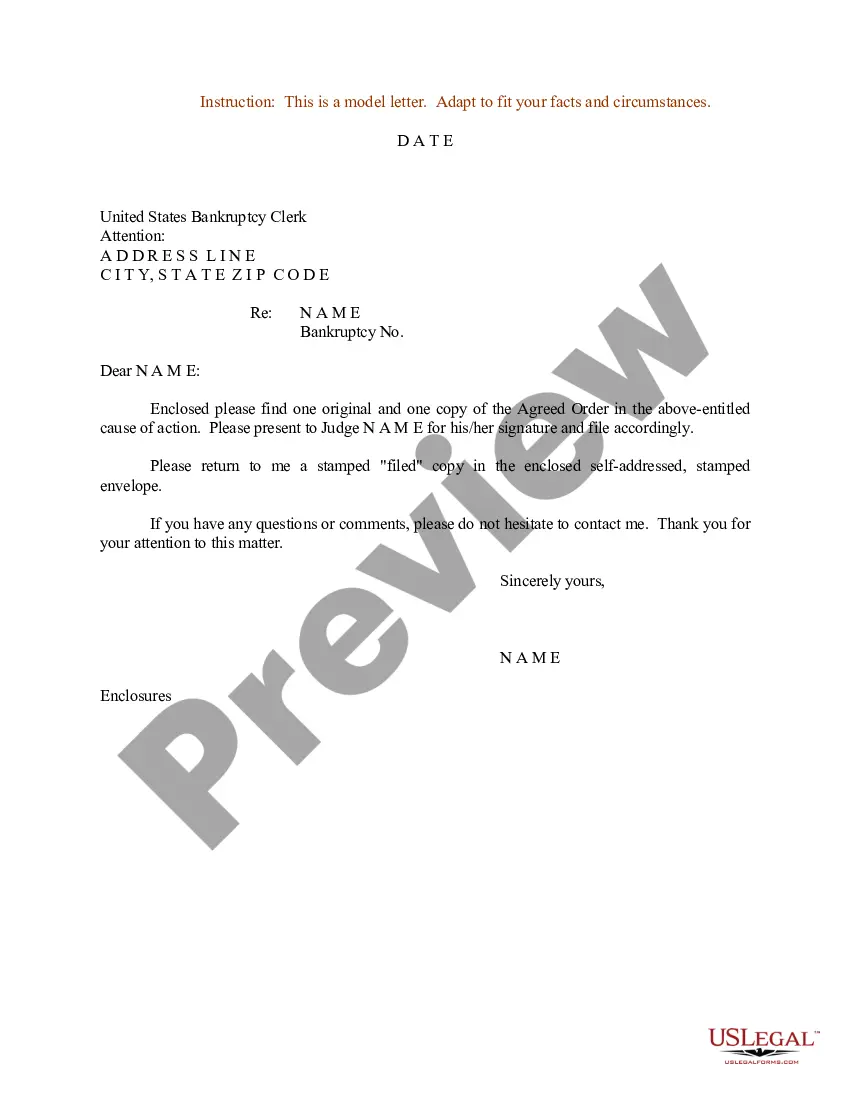
Sample Order For Judge To Sign In San Diego
Description


Get your form ready online
Our built-in tools help you complete, sign, share, and store your documents in one place.
Make edits, fill in missing information, and update formatting in US Legal Forms—just like you would in MS Word.
Download a copy, print it, send it by email, or mail it via USPS—whatever works best for your next step.
Sign and collect signatures with our SignNow integration. Send to multiple recipients, set reminders, and more. Go Premium to unlock E-Sign.
If this form requires notarization, complete it online through a secure video call—no need to meet a notary in person or wait for an appointment.
We protect your documents and personal data by following strict security and privacy standards.

Make edits, fill in missing information, and update formatting in US Legal Forms—just like you would in MS Word.

Download a copy, print it, send it by email, or mail it via USPS—whatever works best for your next step.

Sign and collect signatures with our SignNow integration. Send to multiple recipients, set reminders, and more. Go Premium to unlock E-Sign.

If this form requires notarization, complete it online through a secure video call—no need to meet a notary in person or wait for an appointment.

We protect your documents and personal data by following strict security and privacy standards.
Looking for another form?
Form popularity
FAQ
The San Diego Superior Court now accepts e-Filing for Civil, Probate, Family Law and Family Support Division case types as well as Requests for Domestic Violence Restraining Orders and Gun Violence Restraining Orders.
Civil Division | Superior Court of California - County of San Diego.
To begin a civil lawsuit in federal court, the plaintiff files a complaint with the court and “serves” a copy of the complaint on the defendant.
Fill out the Summons (form SUM-100) and a Complaint. Also, fill out a Civil Case Cover Sheet (form CM-010). Since you are the one filing a lawsuit, you're called the plaintiff. The person or company you're suing is the defendant.
The Move-Away Legal Process in San Diego The first step in requesting a move-away order is to file a petition with a San Diego family court. The judge will schedule an initial hearing date a few months after you file your request.
How to ask the court for an other order Fill out Request for Order form. Fill out the Request for Order (form FL-300). Use this form to tell the court. Make copies of your forms. After you've filled out, signed, and dated both forms, make 2 copies of the forms. File your forms. To file your forms with the court:
Unless the court orders a different time to serve, your server must mail the papers at least 16 court days plus 5 calendar days before your court date.
You must serve a copy of all the papers on the other party, along with a blank Responsive Declaration to Request for Order (JC Form # FL-320)PDF and a blank Income and Expense Declaration (JC Form # FL-150)PDF (FINANCIAL ISSUES ONLY). The other party must be served by someone other than you.
Personal Service: Most RFO forms and other documents must be personally served on opposing party by a person not related to the case and who is at least eighteen (18) years old. Personal service is not usually required for service of discovery requests and/or discovery responses or in ex parte emergency hearing cases.
To address a judge, write "To the honorable Judge," followed by the judge's last name. Introduction (1 paragraph): State when you and the other parent married (if divorcing) or when you began your relationship (if unmarried). Add when you separated or decided to divorce. Include your children's names and birth dates.

