Sample Character Letter To Judge For Child Custody In Phoenix
Description


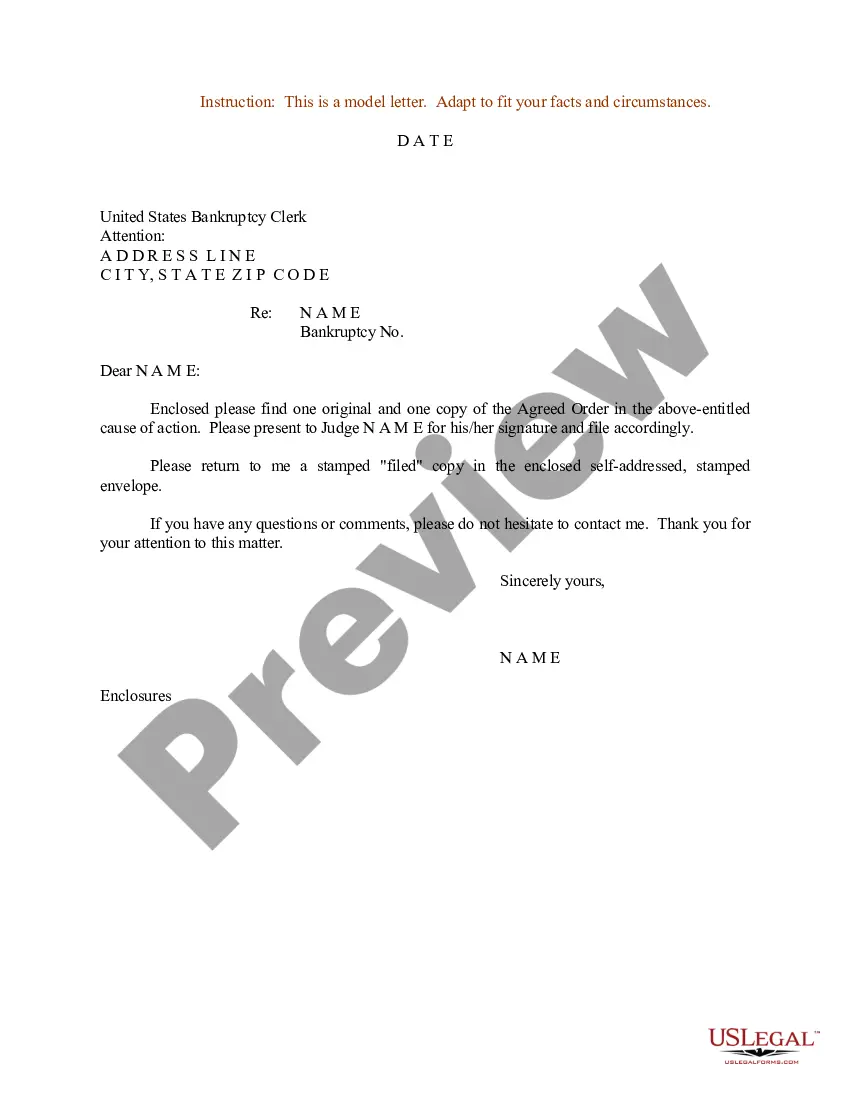
Get your form ready online
Our built-in tools help you complete, sign, share, and store your documents in one place.
Make edits, fill in missing information, and update formatting in US Legal Forms—just like you would in MS Word.
Download a copy, print it, send it by email, or mail it via USPS—whatever works best for your next step.
Sign and collect signatures with our SignNow integration. Send to multiple recipients, set reminders, and more. Go Premium to unlock E-Sign.
If this form requires notarization, complete it online through a secure video call—no need to meet a notary in person or wait for an appointment.
We protect your documents and personal data by following strict security and privacy standards.

Make edits, fill in missing information, and update formatting in US Legal Forms—just like you would in MS Word.

Download a copy, print it, send it by email, or mail it via USPS—whatever works best for your next step.

Sign and collect signatures with our SignNow integration. Send to multiple recipients, set reminders, and more. Go Premium to unlock E-Sign.

If this form requires notarization, complete it online through a secure video call—no need to meet a notary in person or wait for an appointment.

We protect your documents and personal data by following strict security and privacy standards.
Looking for another form?
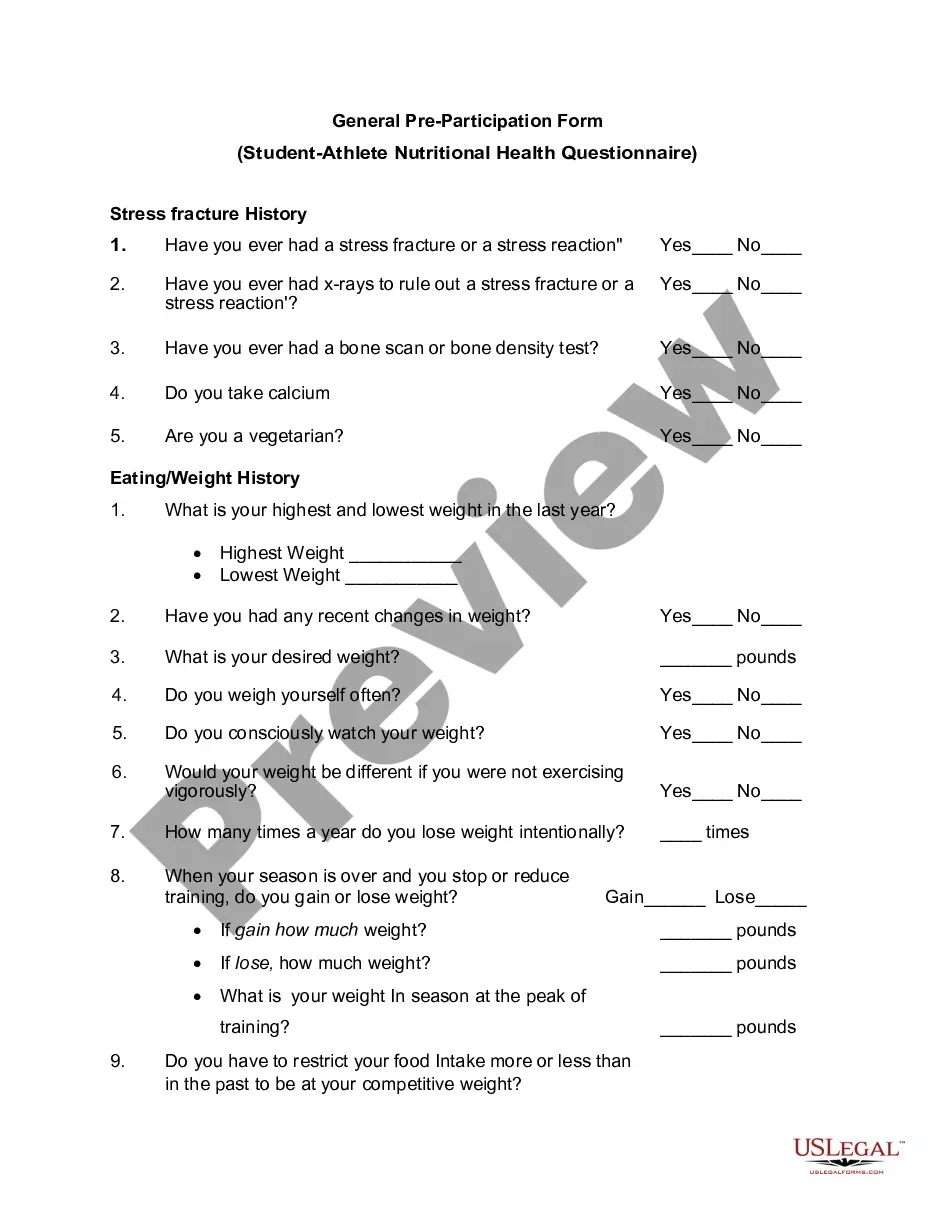


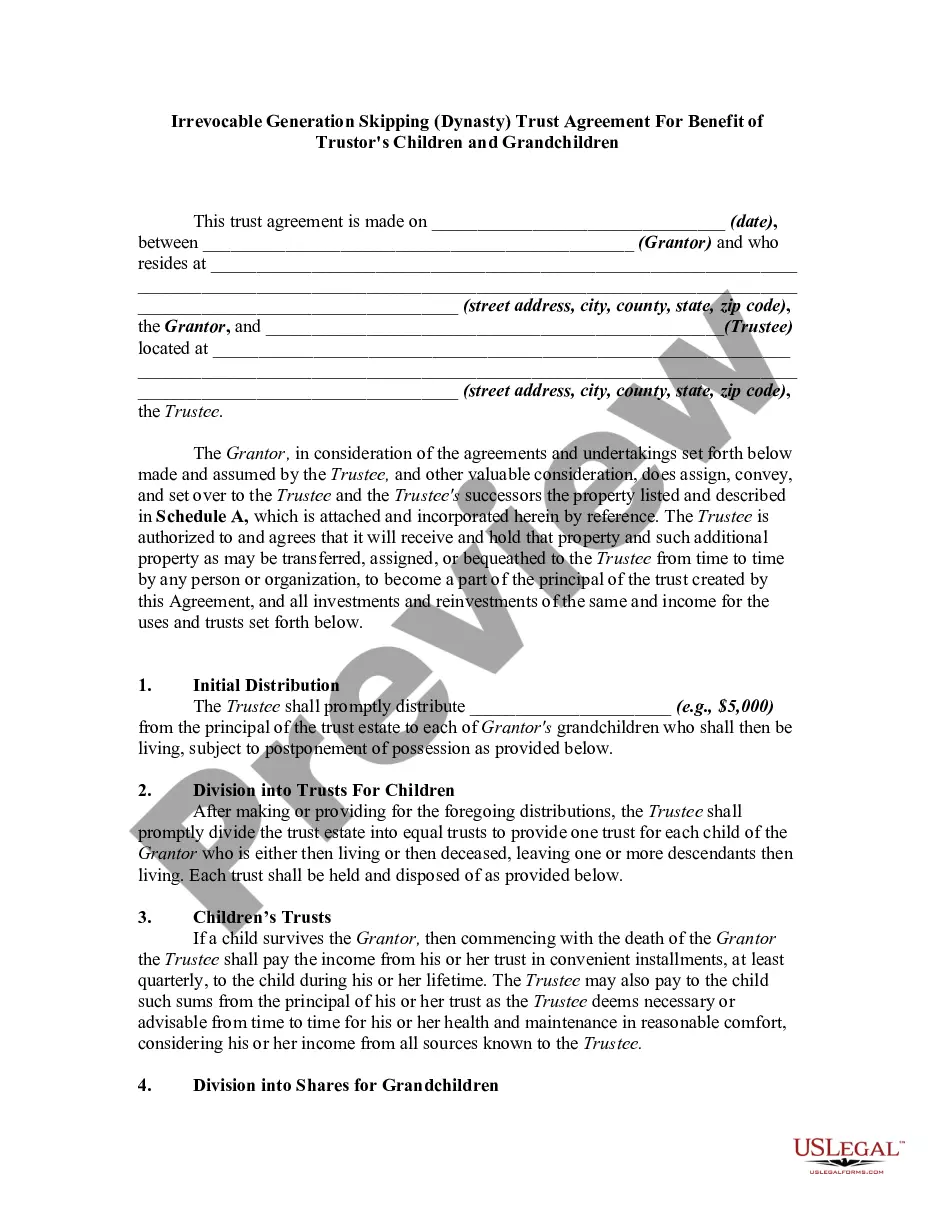



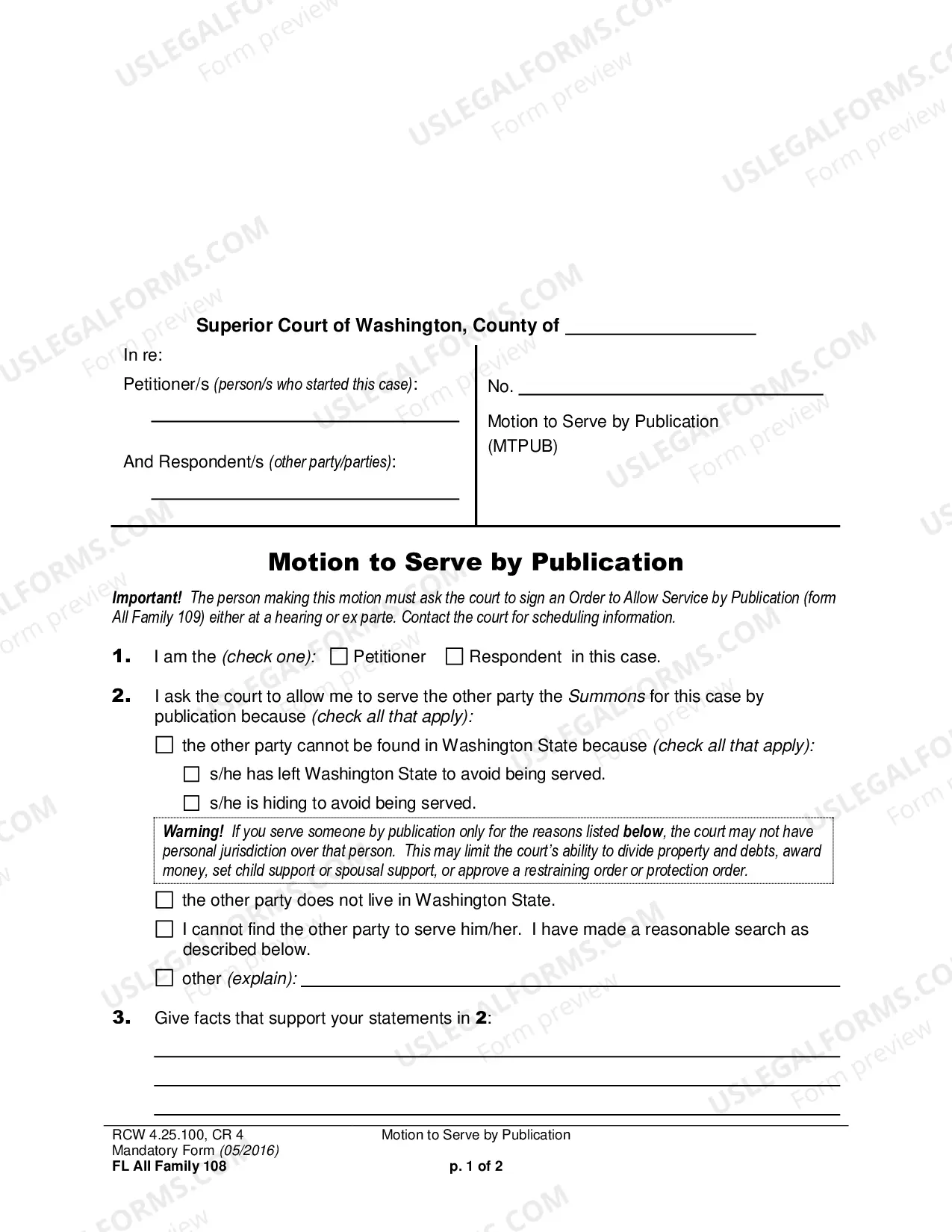

Form popularity
FAQ
State that you respect that the defendant has been found guilty or pled guilty to a crime, and that you are writing the letter to offer a fuller picture of him or her as a person. Include specific examples of how the person has helped you or someone else, or how he or she has been a leader or an inspiration.
It is an honor to vouch for their character and integrity in my time knowing them. Name of the Person has always displayed qualities of honesty, integrity, and responsibility, both as a mention their role—friend, colleague, etc. and in their personal endeavors.
Tips for writing a character reference letter for custody Keep it relevant: Align the content with what is important for raising a child, such as emotional support, stability, and active involvement in the child's life. Be concise: While detail is important, the letter should be concise—typically one page.
Provide a concise summary of the key issues and events pertaining to the custody situation. Focus on highlighting factors that would be in the best interests of any children involved, such as stability, safety, and meeting the children's needs. Avoid making accusations or attacking your former spouse directly.
Your lawyer is likely to use no more than six letters, and if you collect more than six, your lawyer will select the most persuasive from among them. How long should the letter be – again, there is no hard rules, but try to be sensitive to the judge's or prosecutor's time.
A character letter for court aims to provide a judge with personal insights into the defendant's character, illustrating their positive traits and behaviors that might not be evident from the case details alone. This can influence the judge's perception and potentially affect the outcome favorably.
Personal records A proposed visitation schedule showing when you'd like to exchange the child. If you already have a schedule, a list of missed or denied parenting time. An expense report showing you contribute financially to your child's needs. Printouts of texts, emails and other messages with your co-parent.
Judge's Information: Include the judge's name, title, and court address. Introduction: - State your name and your relationship to the defendant (if applicable). - Briefly explain the purpose of your letter. Body: - Express Understanding: Acknowledge the seriousness of the situation and the crime.
Provide a concise summary of the key issues and events pertaining to the custody situation. Focus on highlighting factors that would be in the best interests of any children involved, such as stability, safety, and meeting the children's needs. Avoid making accusations or attacking your former spouse directly.
In most cases, your letter of recommendation should include the following: 1 Date. Provide the date you send your letter, especially if there are specific application cycles or deadlines to adhere to. 2 Greeting. 3 Introduction. 4 Overview. 5 Personal anecdote. 6 Closing statement. 7 Signature.

