Sample Letter For Judge Before Sentencing In Nassau
Description


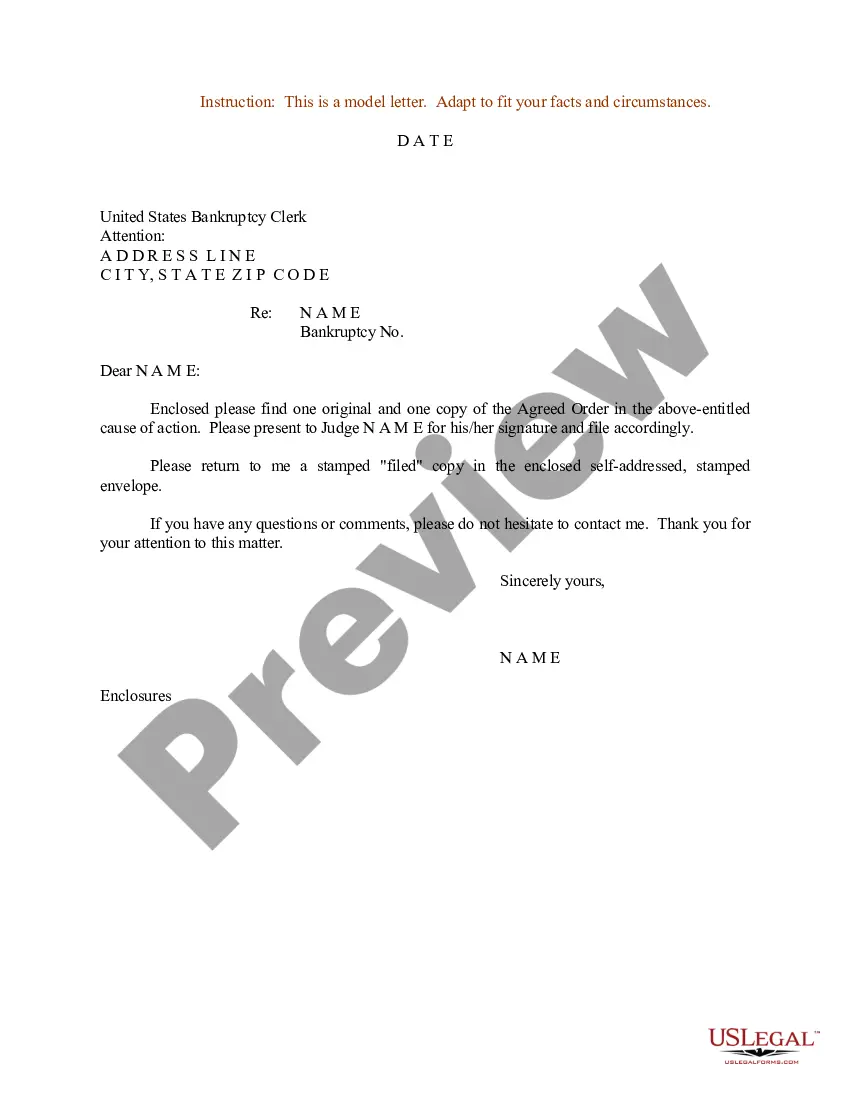
Get your form ready online
Our built-in tools help you complete, sign, share, and store your documents in one place.
Make edits, fill in missing information, and update formatting in US Legal Forms—just like you would in MS Word.
Download a copy, print it, send it by email, or mail it via USPS—whatever works best for your next step.
Sign and collect signatures with our SignNow integration. Send to multiple recipients, set reminders, and more. Go Premium to unlock E-Sign.
If this form requires notarization, complete it online through a secure video call—no need to meet a notary in person or wait for an appointment.
We protect your documents and personal data by following strict security and privacy standards.

Make edits, fill in missing information, and update formatting in US Legal Forms—just like you would in MS Word.

Download a copy, print it, send it by email, or mail it via USPS—whatever works best for your next step.

Sign and collect signatures with our SignNow integration. Send to multiple recipients, set reminders, and more. Go Premium to unlock E-Sign.

If this form requires notarization, complete it online through a secure video call—no need to meet a notary in person or wait for an appointment.

We protect your documents and personal data by following strict security and privacy standards.
Looking for another form?










Form popularity
FAQ
What you say to them may hurt the defendant, even if you think it will help. If you want to send a letter to the judge, address it "Dear Judge (judge's last name)," but send it to the defendant's attorney. The attorney will review it and forward it to the judge if and when it is helpful.
Yes. Certain ex parte communications to a judge or court personnel are allowed by law. For example, if you are contesting a citation (commonly called a “ticket”) for a traffic infraction, the law allows you to submit a written explanation directly to the court.
In many cases, family members or friends will write a letter to a judge before sentencing, to illustrate a defendant's character. Other times, these letters are written by victims (or their family members) to showcase how the defendant's actions have been damaging to them.
A good character letter can be incredibly helpful to a defendant's case. Writing such a letter can be a challenge, particularly for those who are inexperienced with the criminal justice system. Read on to learn more about how to write a top-notch letter of support.
Contact Chambers Law Firm at 714-760-4088 for support from a criminal defense attorney. Start with a Clear Introduction. Introduce Yourself and Establish Credibility. Provide Reasons for Leniency. Tell a Story or Give Specific Examples. Provide Your Contact Information. Not the Same as a Motion to Modify a Sentence.
A good character letter can be incredibly helpful to a defendant's case. Writing such a letter can be a challenge, particularly for those who are inexperienced with the criminal justice system.
When writing a reconsideration letter, it's important to be clear and concise. Avoid using overly technical language or legal jargon that may be difficult for the judge or decision-maker to understand. Instead, focus on presenting your case in a clear, logical, and persuasive manner.
Follow the order of this format, leaving a space in between each section: Your Information (first thing that goes on the inside of the letter) Name. The Date. The Judge's Information. Honorable Judge First Name Last Name. What the Letter Is Going to Address. Salutation. Body. Signature.
Sample Format for a Character Letter First Paragraph: Explain who you are. Second Paragraph: Explain why you are writing the letter. Third Paragraph: Thank the court, and make your “ask.” State that you are available to confirm the facts in this letter as necessary.
You Honor, I am writing you this letter to ask for leniency in the sentencing of my husband and that your sentence be merciful and not punitive. My husband has always obtained to working hard for our family and giving us the best support possible. My son and I love my husband very much.