Sample Letter To Judge For Missing Court Date In Montgomery
Description


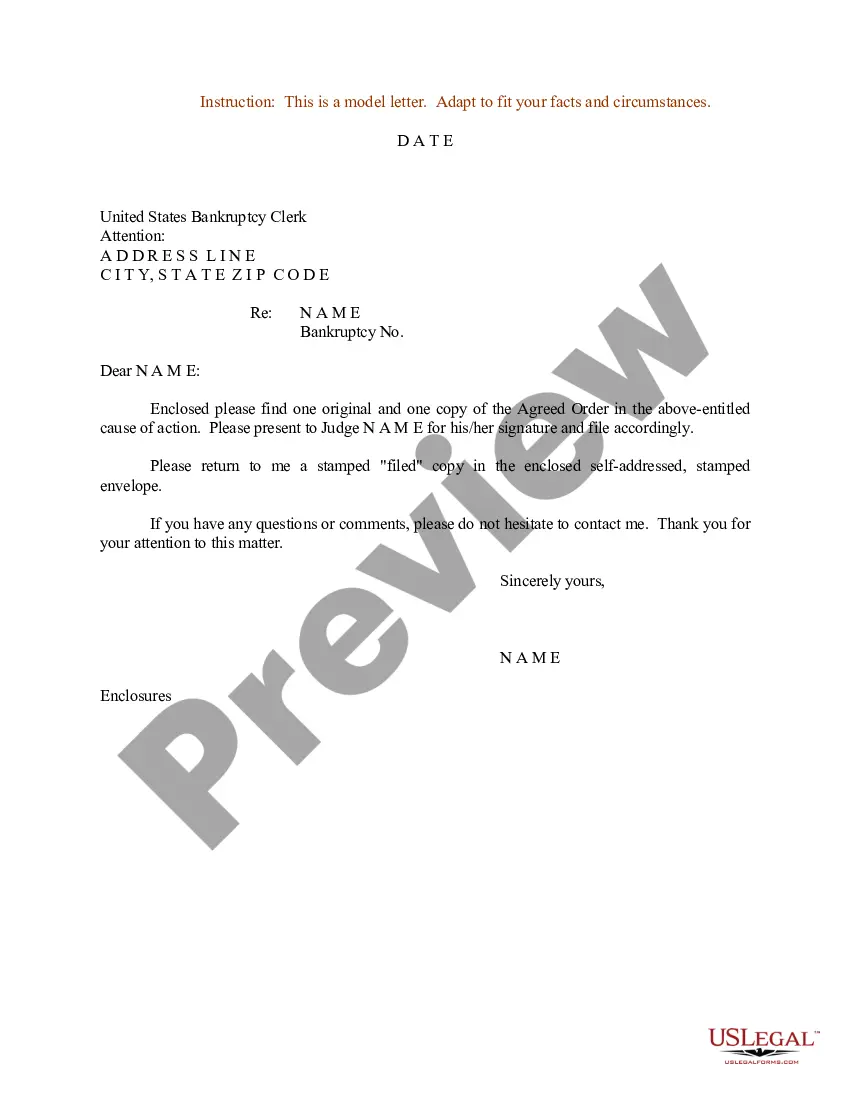
Get your form ready online
Our built-in tools help you complete, sign, share, and store your documents in one place.
Make edits, fill in missing information, and update formatting in US Legal Forms—just like you would in MS Word.
Download a copy, print it, send it by email, or mail it via USPS—whatever works best for your next step.
Sign and collect signatures with our SignNow integration. Send to multiple recipients, set reminders, and more. Go Premium to unlock E-Sign.
If this form requires notarization, complete it online through a secure video call—no need to meet a notary in person or wait for an appointment.
We protect your documents and personal data by following strict security and privacy standards.

Make edits, fill in missing information, and update formatting in US Legal Forms—just like you would in MS Word.

Download a copy, print it, send it by email, or mail it via USPS—whatever works best for your next step.

Sign and collect signatures with our SignNow integration. Send to multiple recipients, set reminders, and more. Go Premium to unlock E-Sign.

If this form requires notarization, complete it online through a secure video call—no need to meet a notary in person or wait for an appointment.

We protect your documents and personal data by following strict security and privacy standards.
Looking for another form?


Form popularity
FAQ
Writing the Letter Insert your address and the date. Add the judge's name and address. Open the letter with a salutation. Explain why you will miss the court date. Mention any supporting documentation. Request a new court date. Conclude the letter. Add your name.
I ask you to reschedule because (reason): Please let me know by (date) if you will agree to a continuance. If you agree, please send me a letter or email that says that you agree to the continuance. Thank you for considering my request.
How to Write a Letter about Not Attending Court. Write the judge a letter as soon as you know you're not able to attend court. Explain the reasons why you have to miss your court date, and provide any documentation for proof, like a note from your doctor or work supervisor.
Writing Your Letter Search for a form letter. Some courts print off forms that you can use to request a hearing. Open a word processing document. Insert a salutation. Add a heading. Begin the letter with your request. Explain why you need the hearing. Provide a contact number. Sign the letter.
Dear Recipient's Name, I hope this email finds you well. I am writing to inform you that unfortunately, we have to postpone the upcoming Event Name, originally scheduled for Date. I sincerely apologize for any inconvenience this may cause.
If you need to miss a court case, a valid excuse might include something like a sudden illness, a family emergency, or an unavoidable conflict, like a pre-scheduled medical procedure. It's important to inform the court right away and provide any supporting documentation, or you risk facing penalties for not attending.
How to Write a Meeting Reschedule Email: Tips and Samples Start with a clear subject line. Provide an apology and a credible reason. Propose an alternative meeting date and time. Notify everyone as soon as possible. Find the right balance in tone. Personalize the email. Show appreciation. Call the recipient if needed.
Adjournments The index number of your case. Your name and your address. A signed statement that you are allowing the person to request an adjournment for you. The name of the person you are sending. The reason you are not appearing yourself to make the request.
If you need to miss a court case, a valid excuse might include something like a sudden illness, a family emergency, or an unavoidable conflict, like a pre-scheduled medical procedure. It's important to inform the court right away and provide any supporting documentation, or you risk facing penalties for not attending.
“Ex parte” is a Latin phrase meaning “on one side only; by or for one party.” An ex parte communication occurs when a party to a case, or someone involved with a party, talks or writes to or otherwise communicates directly with the judge about the issues in the case without the other parties' knowledge.

