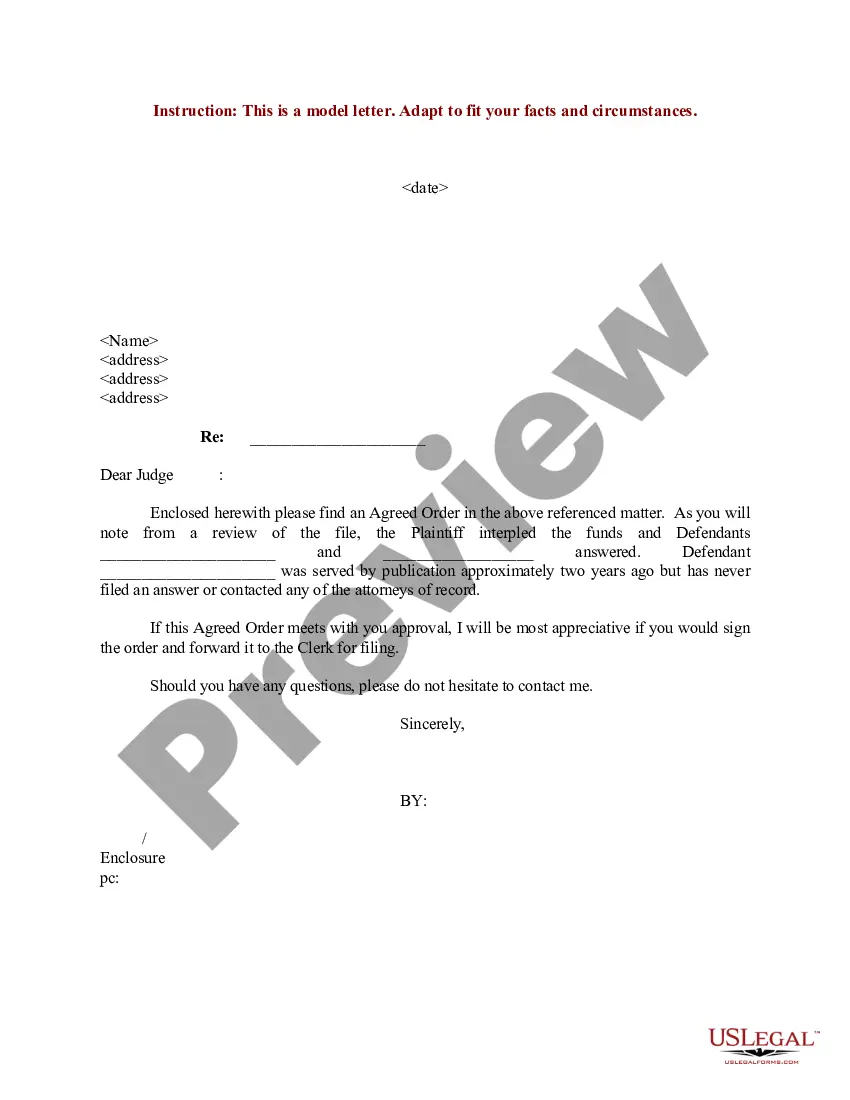
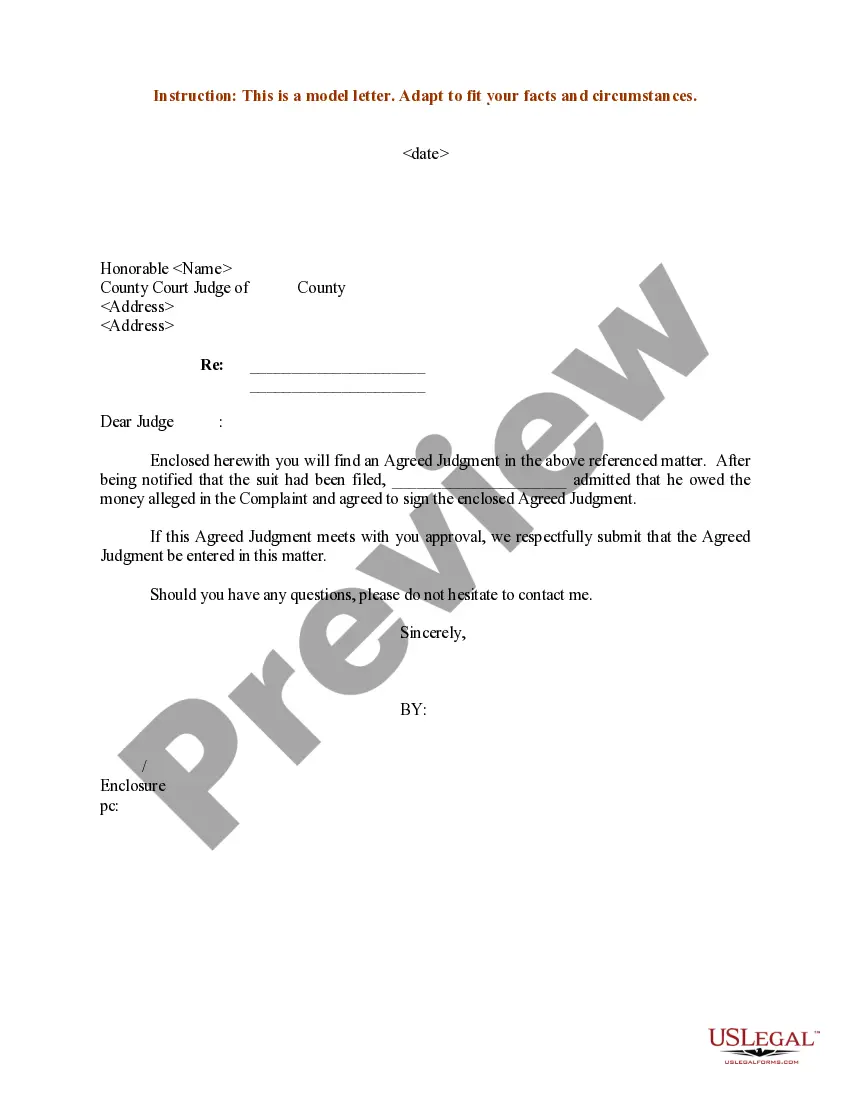
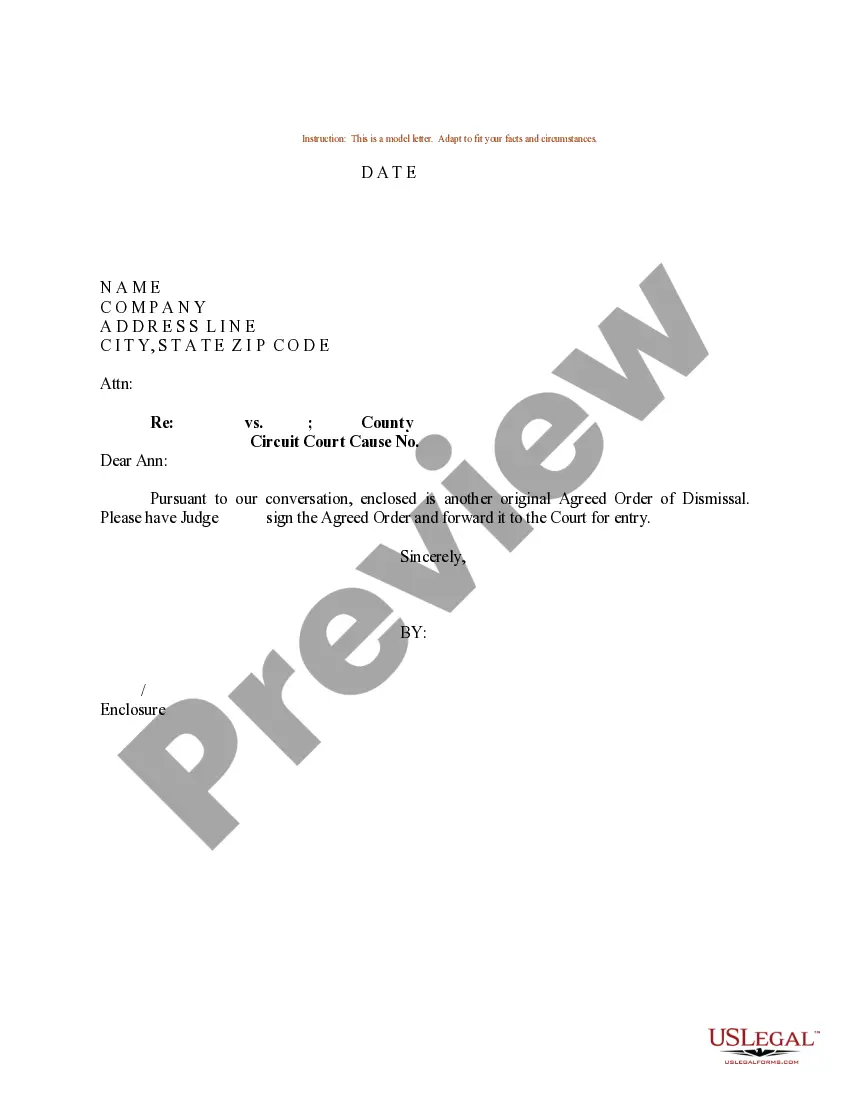
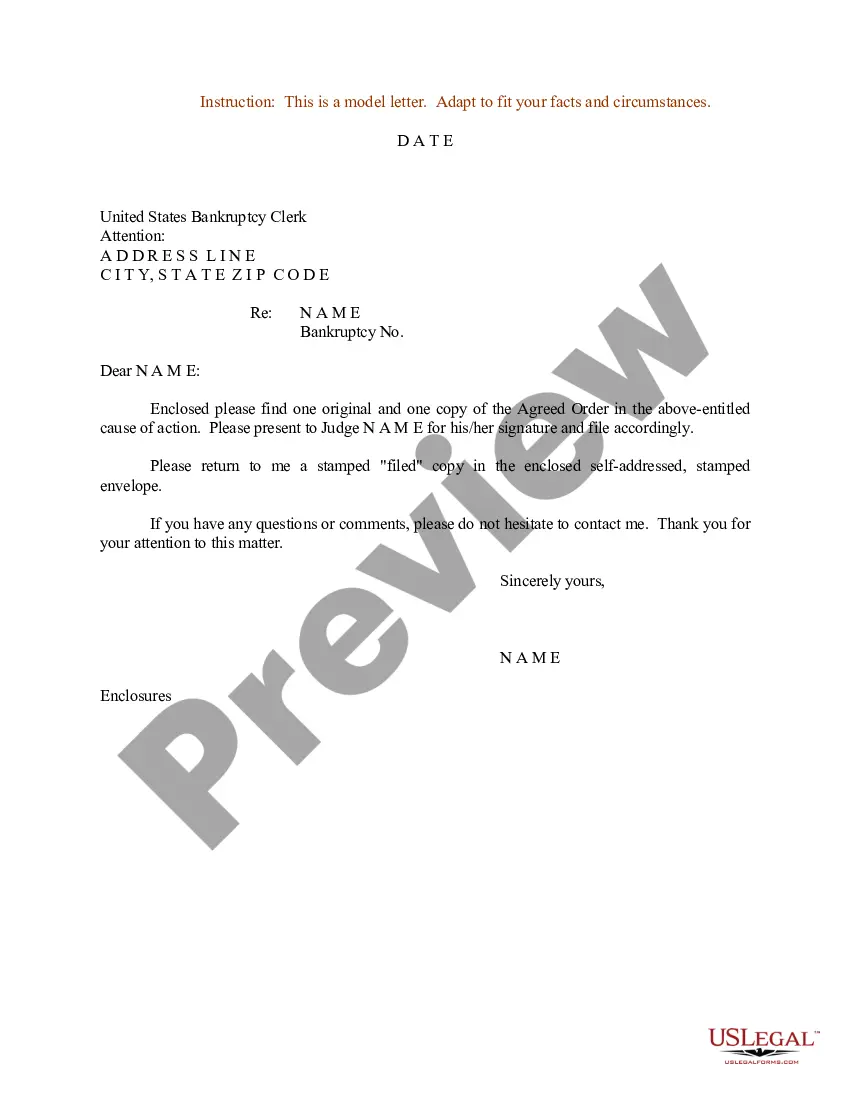
Sample Letters To Judges From Family Members For Court In King
Description
Get your form ready online
Our built-in tools help you complete, sign, share, and store your documents in one place.
Make edits, fill in missing information, and update formatting in US Legal Forms—just like you would in MS Word.
Download a copy, print it, send it by email, or mail it via USPS—whatever works best for your next step.
Sign and collect signatures with our SignNow integration. Send to multiple recipients, set reminders, and more. Go Premium to unlock E-Sign.
If this form requires notarization, complete it online through a secure video call—no need to meet a notary in person or wait for an appointment.
We protect your documents and personal data by following strict security and privacy standards.

Make edits, fill in missing information, and update formatting in US Legal Forms—just like you would in MS Word.

Download a copy, print it, send it by email, or mail it via USPS—whatever works best for your next step.

Sign and collect signatures with our SignNow integration. Send to multiple recipients, set reminders, and more. Go Premium to unlock E-Sign.

If this form requires notarization, complete it online through a secure video call—no need to meet a notary in person or wait for an appointment.

We protect your documents and personal data by following strict security and privacy standards.
Looking for another form?
Form popularity
FAQ
How to Address a Judge in a Letter. Start with the envelope, writing to the judge in this format: Honorable Judge First Name Last Name Judge of Name of the Court
If you are asked to write a character letter for someone, it can be helpful to keep the following tips in mind when creating your letter: Address Your Letter to the Judge. Establish a Clear Relationship with the Defendant. Be Truthful. Be Positive. Include a Discussion of the Crime. Do Not Suggest Penalties for the Crime.
In the first paragraph, state how you know the person and attest to their character. Second paragraph show how loving and caring they are with their child. Third paragraph show how bonded the child is to the parents and give examples.
The judge will read the letters of support before the sentencing hearing and will consider them in deciding the defendant's sentence. Some letters of support can be very effective in persuading a judge to give the defendant a shorter sentence. The person who will read the letters is the sentencing judge.
I appreciate your thoughtfulness, respect, and fairness throughout my trial. I was convicted of shoplifting, and I plan to own up to my actions and make amends for my mistakes. While I can't go back in time and reverse what I did, you can rest assured that this will never happen again.
You simply write the letter and address to the judge, at his court. It's best to keep such a letter concise, like no more than one page, and when addressing it, it should be directed to ``The Honorable So-and-So, Judge,'' at the court address, the proper salutation being either ``Dear Judge So-and...
I appreciate your thoughtfulness, respect, and fairness throughout my trial. I was convicted of shoplifting, and I plan to own up to my actions and make amends for my mistakes. While I can't go back in time and reverse what I did, you can rest assured that this will never happen again.
You start by addressing the letter to the Honorable Judge so and so, and begin with Your honor. You end with respectfully yours, and then sign your name (write your name in block letters underneath your signature.
Here's a short list of what you'll want to include: Facts of the case. An outline of what happened. Statement of the issue. A brief description of the problem. Demand. The dollar amount or action necessary to resolve the case. Response deadline. The date by which the recipient must respond. Noncompliance consequences.