Sample Letter To Judge For Leniency In Sentencing In Fulton
Description


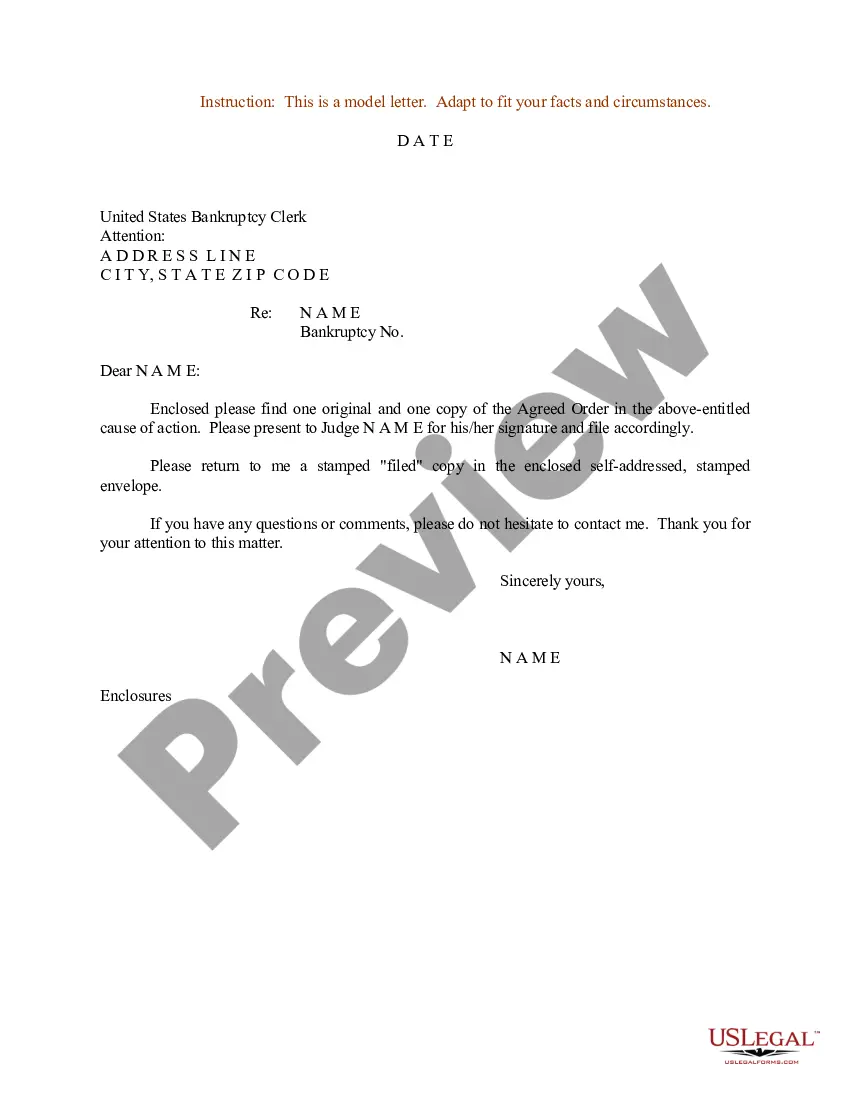
Get your form ready online
Our built-in tools help you complete, sign, share, and store your documents in one place.
Make edits, fill in missing information, and update formatting in US Legal Forms—just like you would in MS Word.
Download a copy, print it, send it by email, or mail it via USPS—whatever works best for your next step.
Sign and collect signatures with our SignNow integration. Send to multiple recipients, set reminders, and more. Go Premium to unlock E-Sign.
If this form requires notarization, complete it online through a secure video call—no need to meet a notary in person or wait for an appointment.
We protect your documents and personal data by following strict security and privacy standards.

Make edits, fill in missing information, and update formatting in US Legal Forms—just like you would in MS Word.

Download a copy, print it, send it by email, or mail it via USPS—whatever works best for your next step.

Sign and collect signatures with our SignNow integration. Send to multiple recipients, set reminders, and more. Go Premium to unlock E-Sign.

If this form requires notarization, complete it online through a secure video call—no need to meet a notary in person or wait for an appointment.

We protect your documents and personal data by following strict security and privacy standards.
Looking for another form?








Form popularity
FAQ
State your request: Communicate your desire to have the charges dropped. This should be a simple, straightforward statement. Explain your reasons: If you feel comfortable, briefly explain why you want the charges dropped. Remember that any information in this letter could be used in the case.
Crafting an Effective Leniency Letter to a Judge: Five Essential... Start with a Clear Introduction. Introduce Yourself and Establish Credibility. Provide Reasons for Leniency. Tell a Story or Give Specific Examples. Provide Your Contact Information. Not the Same as a Motion to Modify a Sentence.
Sentences in federal criminal cases – whether they are a result of a plea or a verdict – are set by the judge. Character letters, which are also known as “sentencing letters,” are written by the defendant's friends and family members in an effort to convince the judge to assess a lower sentence.
No. Don't do it. It is not necessary. It is not OK. It is not going to be read. And it's would be a violation of court proceedings for it to be part of the case. If this is something substantial, contact either the Prosecution or Defense.
Crafting an Effective Leniency Letter to a Judge: Five Essential... Start with a Clear Introduction. Introduce Yourself and Establish Credibility. Provide Reasons for Leniency. Tell a Story or Give Specific Examples. Provide Your Contact Information. Not the Same as a Motion to Modify a Sentence.
You Honor, I am writing you this letter to ask for leniency in the sentencing of my husband and that your sentence be merciful and not punitive. My husband has always obtained to working hard for our family and giving us the best support possible. My son and I love my husband very much.
To argue for the lowest sentence, a defense attorney will rely upon the law and previously decided cases. Defendants can help their attorneys make a stronger case for mercy when they present compelling personal life stories.
You don't know me and you don't owe anything to me or (name of defendant). Yet, I am asking you be as lenient as possible in delivering your sentence. May you find mercy in your heart.
The British legal system does not really provide for civilians contacting a Judge by letter. If you wish to ask a simple question like " What is it like to be a Judge or what cereal do you prefer for breakfast?", that is not likely to be difficult or a problem.

