Sample Letter To Judge For Leniency In Sentencing In Florida
Description


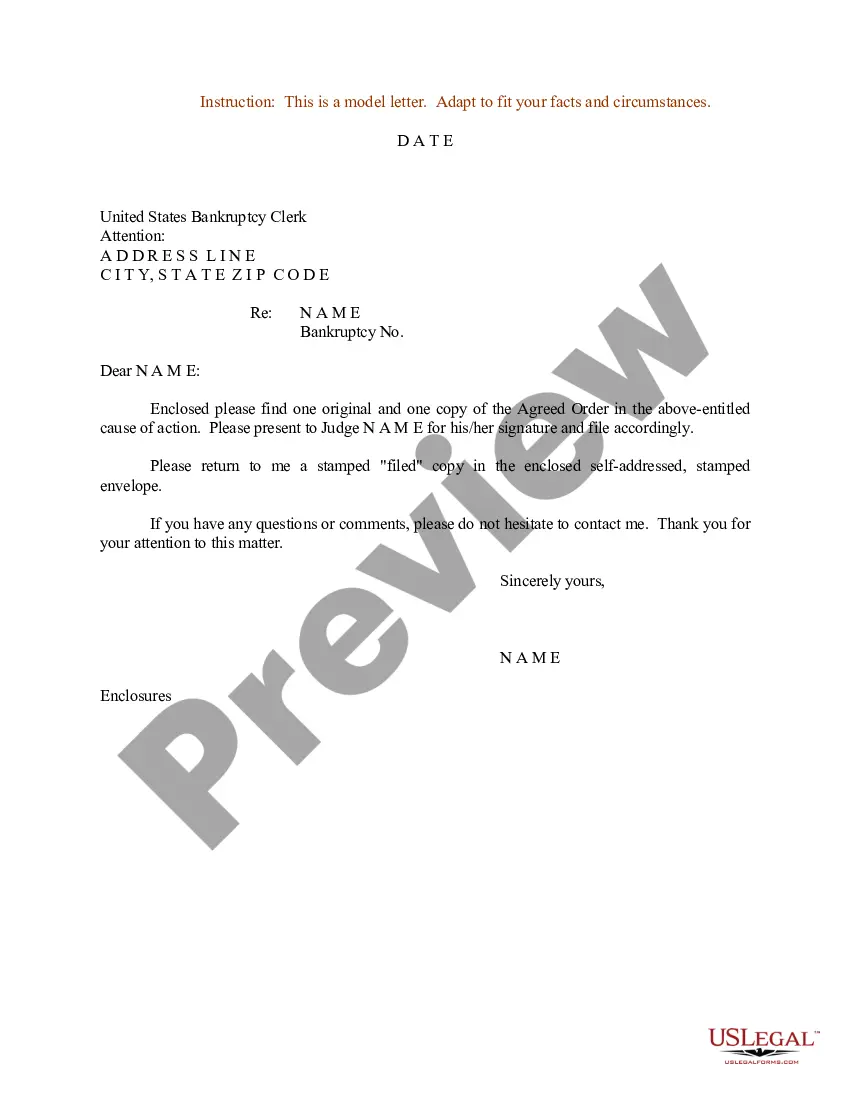
Get your form ready online
Our built-in tools help you complete, sign, share, and store your documents in one place.
Make edits, fill in missing information, and update formatting in US Legal Forms—just like you would in MS Word.
Download a copy, print it, send it by email, or mail it via USPS—whatever works best for your next step.
Sign and collect signatures with our SignNow integration. Send to multiple recipients, set reminders, and more. Go Premium to unlock E-Sign.
If this form requires notarization, complete it online through a secure video call—no need to meet a notary in person or wait for an appointment.
We protect your documents and personal data by following strict security and privacy standards.

Make edits, fill in missing information, and update formatting in US Legal Forms—just like you would in MS Word.

Download a copy, print it, send it by email, or mail it via USPS—whatever works best for your next step.

Sign and collect signatures with our SignNow integration. Send to multiple recipients, set reminders, and more. Go Premium to unlock E-Sign.

If this form requires notarization, complete it online through a secure video call—no need to meet a notary in person or wait for an appointment.

We protect your documents and personal data by following strict security and privacy standards.
Looking for another form?

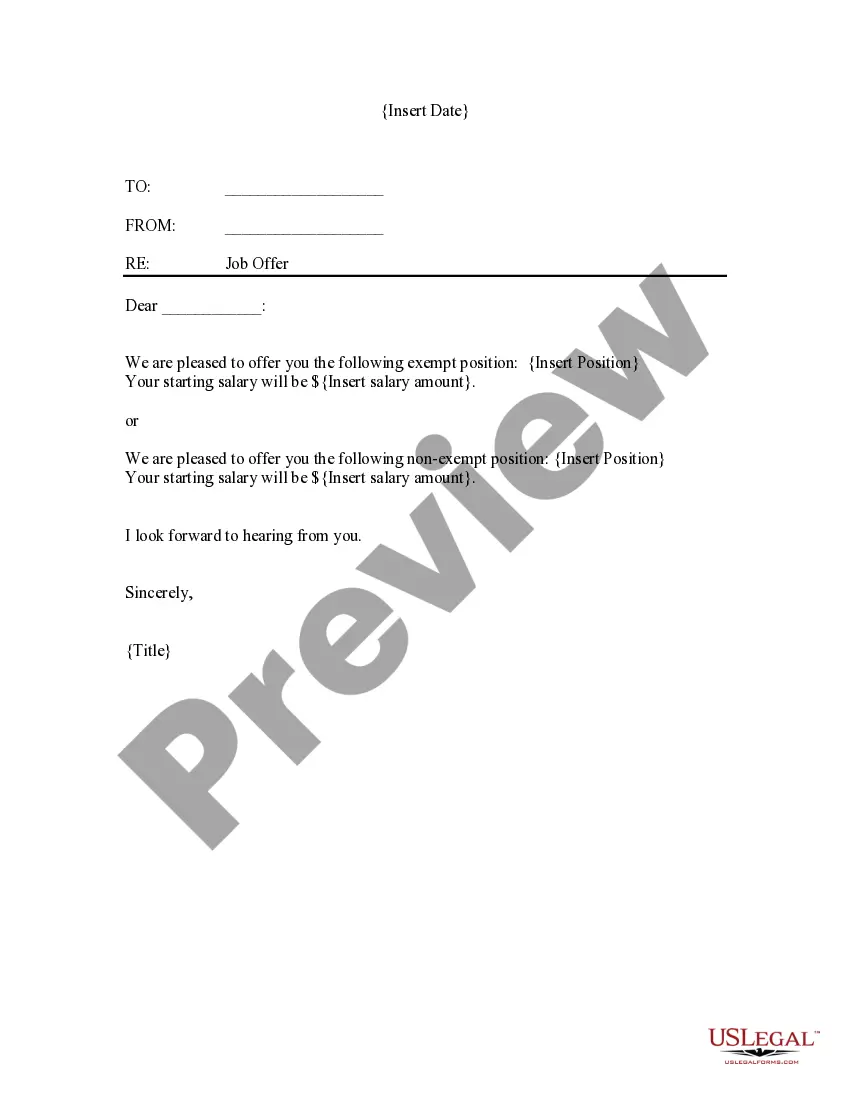
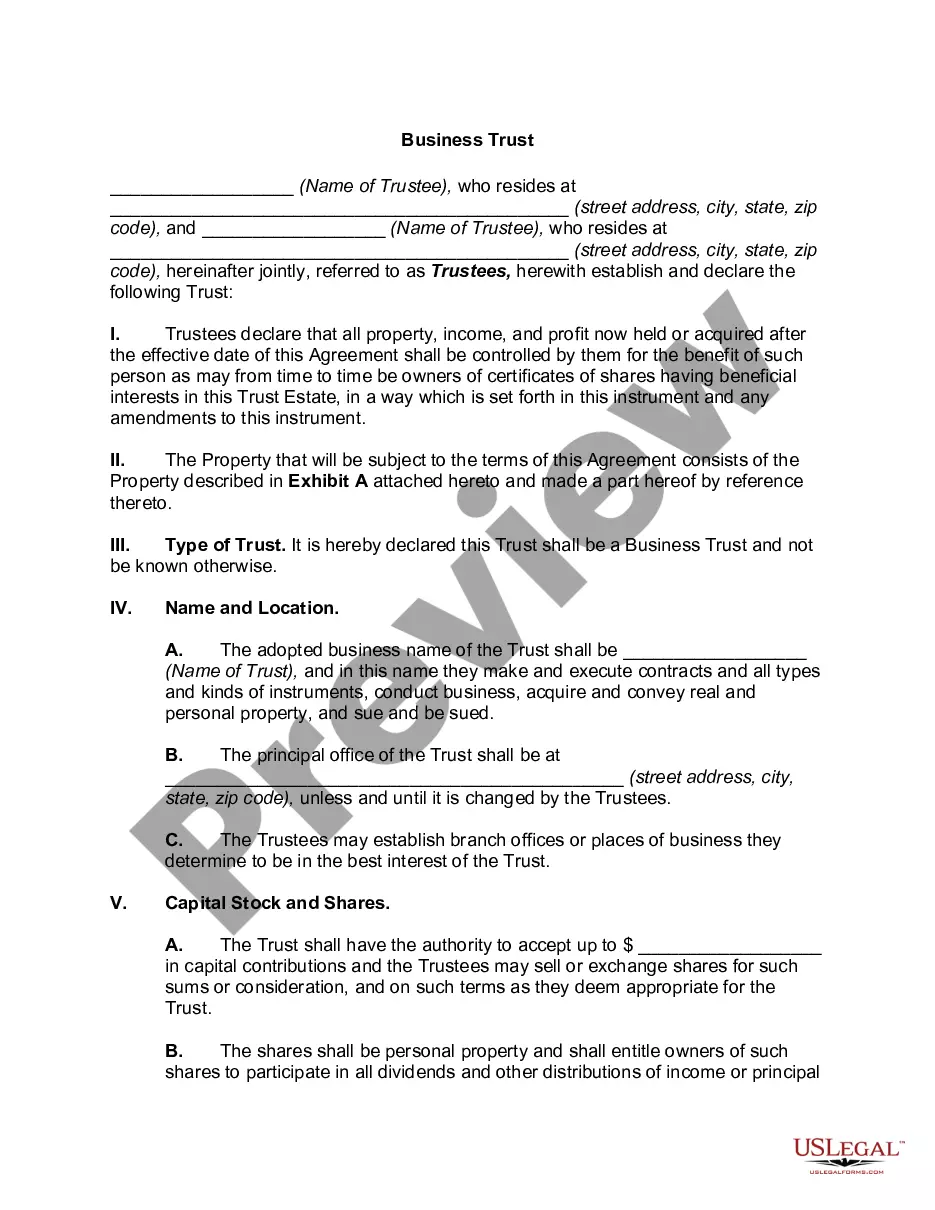
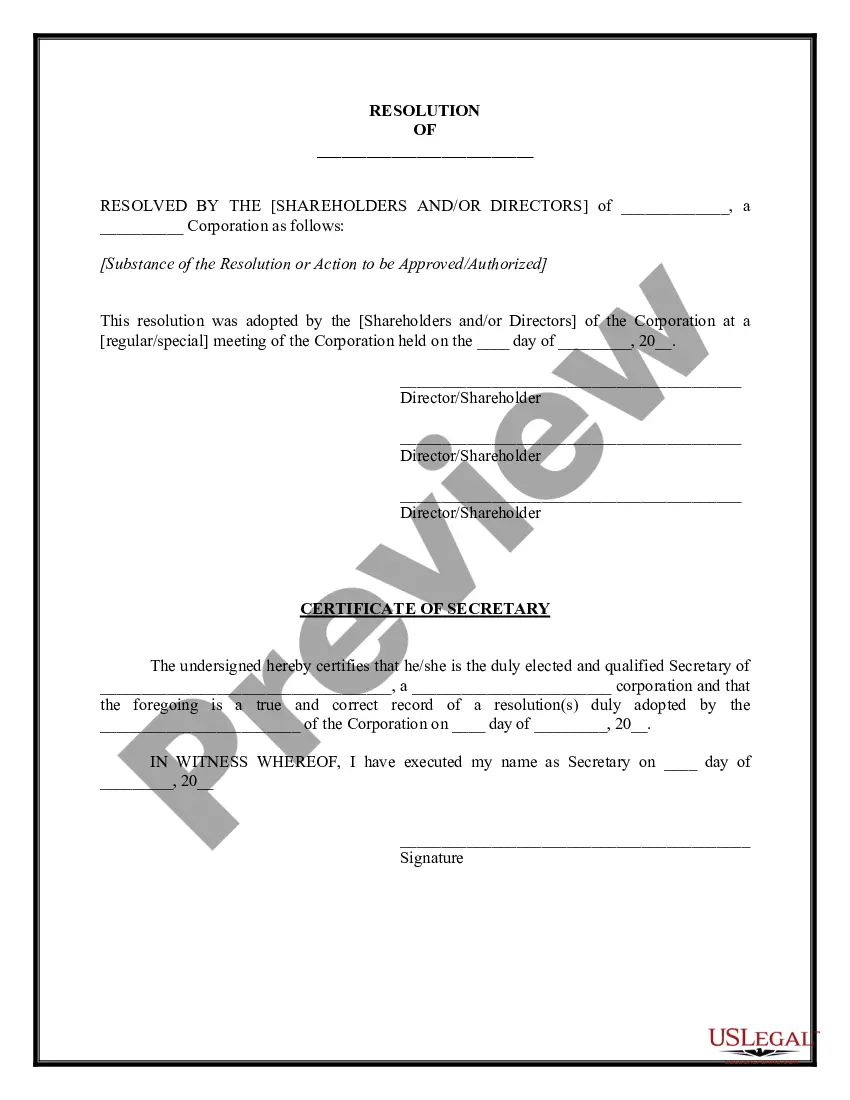


Form popularity
FAQ
The 5 most common tips in writing an effective leniency letter to a judge include: write a clear introduction, introduce yourself and establish credibility, provide reasons for leniency, tell a story, and. provide contact information.
I appreciate your thoughtfulness, respect, and fairness throughout my trial. I was convicted of shoplifting, and I plan to own up to my actions and make amends for my mistakes. While I can't go back in time and reverse what I did, you can rest assured that this will never happen again.
Sentences in federal criminal cases – whether they are a result of a plea or a verdict – are set by the judge. Character letters, which are also known as “sentencing letters,” are written by the defendant's friends and family members in an effort to convince the judge to assess a lower sentence.
Crafting an Effective Leniency Letter to a Judge: Five Essential... Start with a Clear Introduction. Introduce Yourself and Establish Credibility. Provide Reasons for Leniency. Tell a Story or Give Specific Examples. Provide Your Contact Information. Not the Same as a Motion to Modify a Sentence.
Writing the Content of the Letter Write who you are and what your profession is. Explain how you know the defendant. Provide a general statement of support. Write a statement on the defendant's character. Add additional information. Write the conclusion. Avoid improper remarks.
Your Honor, I am writing to urge leniency in the sentencing of (name here) whom I have known since ( number of years here) when I moved to (address / state etc. here) . Please allow me to explain further. The first time I came into contact with him (place name here) was living at home with his loving parents Mr. & Mrs.
You can follow these five steps to write a character reference letter: Start by explaining your relationship to the candidate. Include how long you've known the candidate. Add positive personal qualities with specific examples. Close with a statement of recommendation. Offer your contact information.
To Whom It May Concern: I am writing this letter to highlight the outstanding character of Name as you consider them for employment. In my relationship with Name as Context of Your Connection, they have consistently demonstrated integrity, responsibility, and diligence.
If you are asked to write a character letter for someone, it can be helpful to keep the following tips in mind when creating your letter: Address Your Letter to the Judge. Establish a Clear Relationship with the Defendant. Be Truthful. Be Positive. Include a Discussion of the Crime. Do Not Suggest Penalties for the Crime.
More specifically, explain how you met him and how well you feel you know him. Your letter will carry more weight with the judge if you explain exactly how you have been able to form an impression about the defendant, for example, because you worked with him for several years or you have known him since childhood.

