Sample Letter To Judge For Probation In Clark
Description


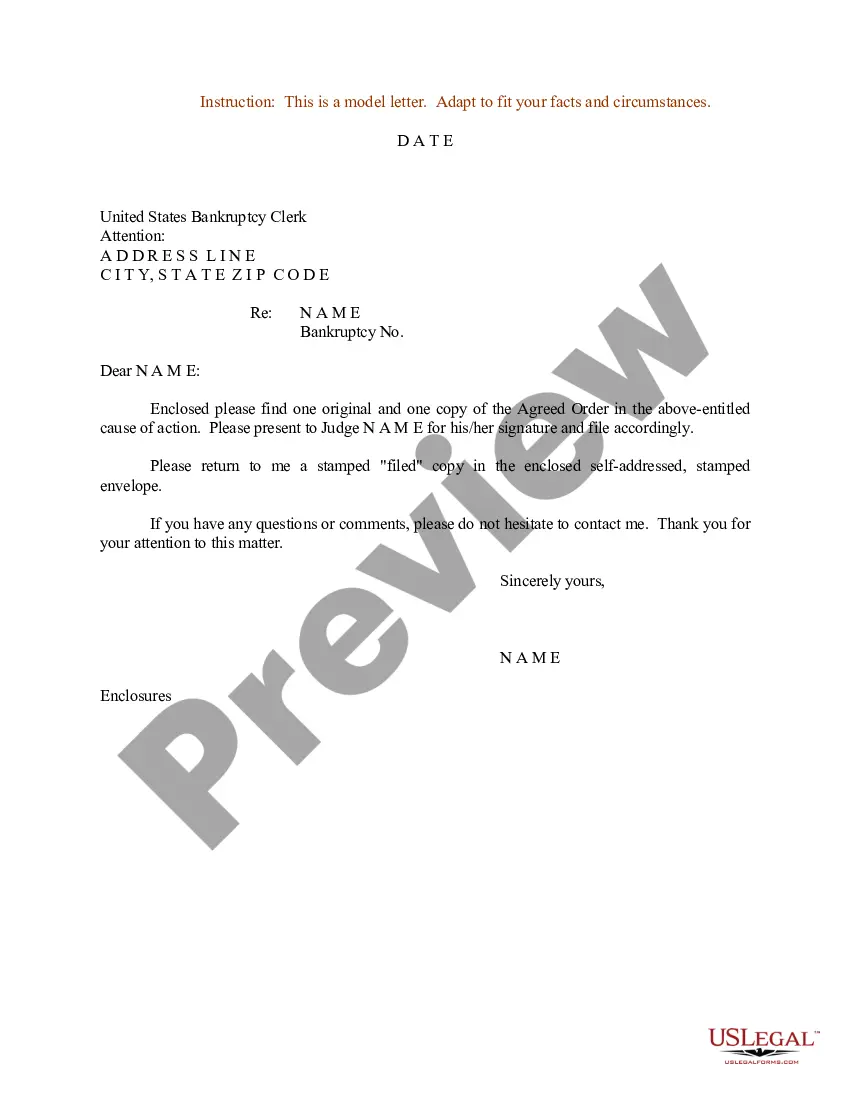
Get your form ready online
Our built-in tools help you complete, sign, share, and store your documents in one place.
Make edits, fill in missing information, and update formatting in US Legal Forms—just like you would in MS Word.
Download a copy, print it, send it by email, or mail it via USPS—whatever works best for your next step.
Sign and collect signatures with our SignNow integration. Send to multiple recipients, set reminders, and more. Go Premium to unlock E-Sign.
If this form requires notarization, complete it online through a secure video call—no need to meet a notary in person or wait for an appointment.
We protect your documents and personal data by following strict security and privacy standards.

Make edits, fill in missing information, and update formatting in US Legal Forms—just like you would in MS Word.

Download a copy, print it, send it by email, or mail it via USPS—whatever works best for your next step.

Sign and collect signatures with our SignNow integration. Send to multiple recipients, set reminders, and more. Go Premium to unlock E-Sign.

If this form requires notarization, complete it online through a secure video call—no need to meet a notary in person or wait for an appointment.

We protect your documents and personal data by following strict security and privacy standards.
Looking for another form?









Form popularity
FAQ
The best way to do this is to tell a story about the defendant. Give specific examples. For example, instead of saying the defendant is generous and kind-hearted, give the judge an example of an instance when the defendant showed these attributes.
I appreciate your thoughtfulness, respect, and fairness throughout my trial. I was convicted of shoplifting, and I plan to own up to my actions and make amends for my mistakes. While I can't go back in time and reverse what I did, you can rest assured that this will never happen again.
These letters can be a very important part of the sentencing process because they help the judge get to know the person they are sentencing in ways other than just the facts of the offense: The letter should be addressed to the Judge, but mailed to the defendant's attorney.
Be professional and concise: Use a respectful tone throughout your letter and maintain a professional approach. Edit the letter carefully for grammar and spelling errors, ensuring that it is well-written and concise. Aim to keep the letter to one page in length, focusing on key points and avoiding unnecessary details.
Make a timely request and keep your fingers crossed. Bring documentation of the reasons that prevented your timely completion and try to get support from probation / supervising agent, that should carry some weight with the judge. But ultimately it is up to the judge and each one varies.
Crafting an Effective Leniency Letter to a Judge: Five Essential... Start with a Clear Introduction. Introduce Yourself and Establish Credibility. Provide Reasons for Leniency. Tell a Story or Give Specific Examples. Provide Your Contact Information. Not the Same as a Motion to Modify a Sentence.
Use Vivid Language: Paint a picture with your words to evoke emotions. Keep It Concise: While you want to express your feelings, be mindful not to overwhelm her. Aim for clarity and impact. Edit and Revise: Take time to review your letter. Ensure it flows well and conveys your emotions clearly.
State that you respect that the defendant has been found guilty or pled guilty to a crime, and that you are writing the letter to offer a fuller picture of him or her as a person. Include specific examples of how the person has helped you or someone else, or how he or she has been a leader or an inspiration.
In the body of the letter, provide a detailed explanation for why you are requesting early fulfillment. Include any relevant circumstances or reasons that support your request. Be concise, yet thorough in your explanation. Offer any necessary supporting documents or evidence to strengthen your case.
Use formal language and avoid slang. Thank the judge for their time and consideration. Offer your willingness to provide further information if needed. Use a formal closing such as ``Sincerely'' or ``Respectfully,'' followed by your name. Dear Honorable (Judge's Last Name),

