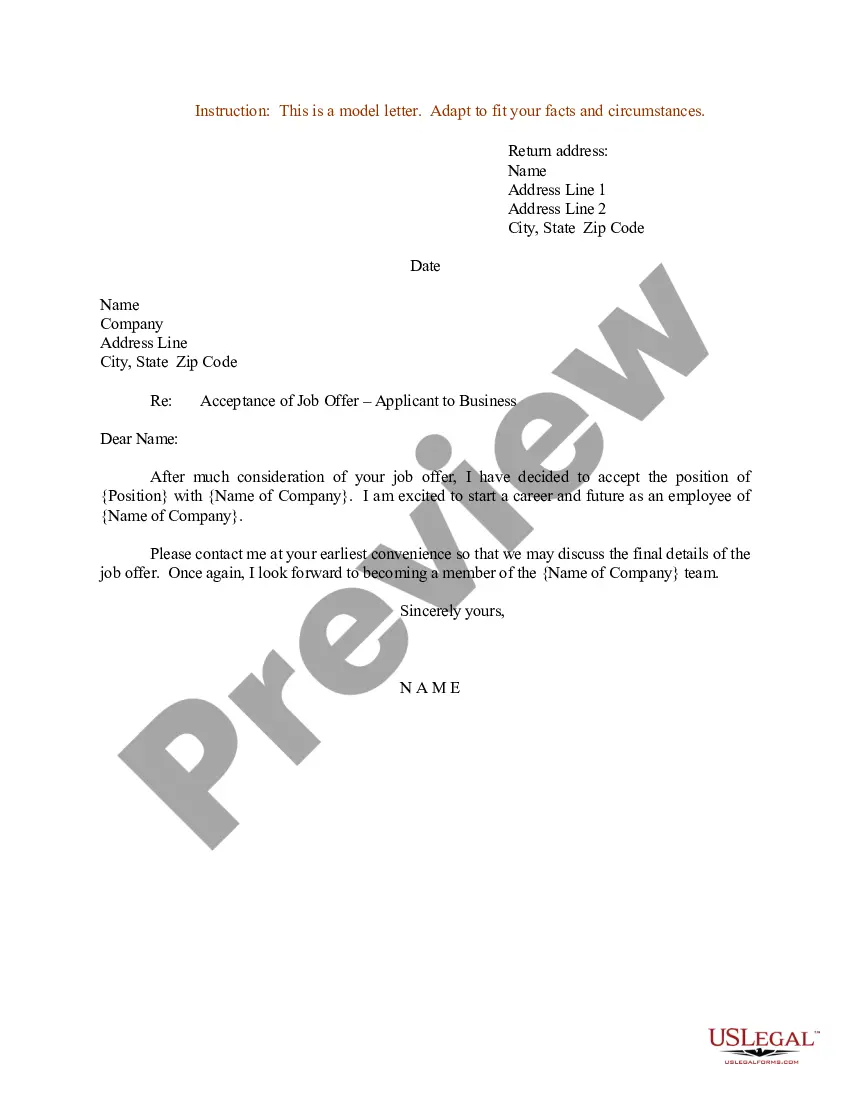
Covering Letter For Interior Design Job In King
Description
Get your form ready online
Our built-in tools help you complete, sign, share, and store your documents in one place.
Make edits, fill in missing information, and update formatting in US Legal Forms—just like you would in MS Word.
Download a copy, print it, send it by email, or mail it via USPS—whatever works best for your next step.
Sign and collect signatures with our SignNow integration. Send to multiple recipients, set reminders, and more. Go Premium to unlock E-Sign.
If this form requires notarization, complete it online through a secure video call—no need to meet a notary in person or wait for an appointment.
We protect your documents and personal data by following strict security and privacy standards.

Make edits, fill in missing information, and update formatting in US Legal Forms—just like you would in MS Word.

Download a copy, print it, send it by email, or mail it via USPS—whatever works best for your next step.

Sign and collect signatures with our SignNow integration. Send to multiple recipients, set reminders, and more. Go Premium to unlock E-Sign.

If this form requires notarization, complete it online through a secure video call—no need to meet a notary in person or wait for an appointment.

We protect your documents and personal data by following strict security and privacy standards.
Looking for another form?






Form popularity
FAQ
Here's a guide to help you write a resume to highlight your abilities to plan and produce appealing and functional designs for interior spaces: Choose the format. Include contact information. Choose your resume objective or summary. Discuss previous experience. Include educational background. Include hard and soft skills.
Your set designer cover letter is your opportunity to showcase your creative vision and attention to detail. Ensure that your passion for crafting immersive environments shines through each word. In your letter, highlight the projects you've contributed to and the specific challenges you've overcome.
Less is more. Always tailor your letter to fit the specific organisation and role you're applying for. Show why you want to work for this particular organisation; write about the company and what appeals to you; reference the authors they publish, the shows they produce, the content they create, etc.
Express appreciation for the company:Show genuine interest in the company and its mission, even if the specific job is not your desired role. Research the company and mention a positive aspect that caught your attention. Be concise and positive:Keep the cover letter concise and to the point.
Your Graphic Designer cover letter should include an overview of your relevant skills, experiences, and qualifications. Relate your past design accomplishments with what the company is seeking. Express your enthusiasm for the position and the company.
Graphic Designer Cover Letters – a Step-by-Step Guide Address your letter to the Hiring Manager by name. Discuss your graphic design experiences and achievements. Outline your relevant design skills. Express your excitement for the role. Explain how you would be an asset to the company. End with a call to action.
5 tips for creating an interior designer cover letter Create a new cover letter for each position. Use the hiring manager's name when possible. Include information not covered in your resume. Highlight information relevant to the position. Be as specific as possible.
Highlight your most relevant skills and experience to stand out from other applicants. back up any statements you make with facts and use the STAR method. double check spelling and grammar before you send it. keep a copy of your cover letter as they may ask you about it in an interview.
The cover letter: What should you actually write? A greeting, addressing the recruiter or company hiring. An opening paragraph, detailing what interests you about the position and why. Middle paragraph(s), highlighting your relevant skills and experiences. A closing paragraph, rounding things up.
Showcase Creativity: Incorporate your design skills within the cover letter itself. Use a visually appealing layout, but ensure readability. Highlight Relevant Experience: Discuss past projects or experiences that directly relate to the job you're applying for. Describe how your skills align with the position.