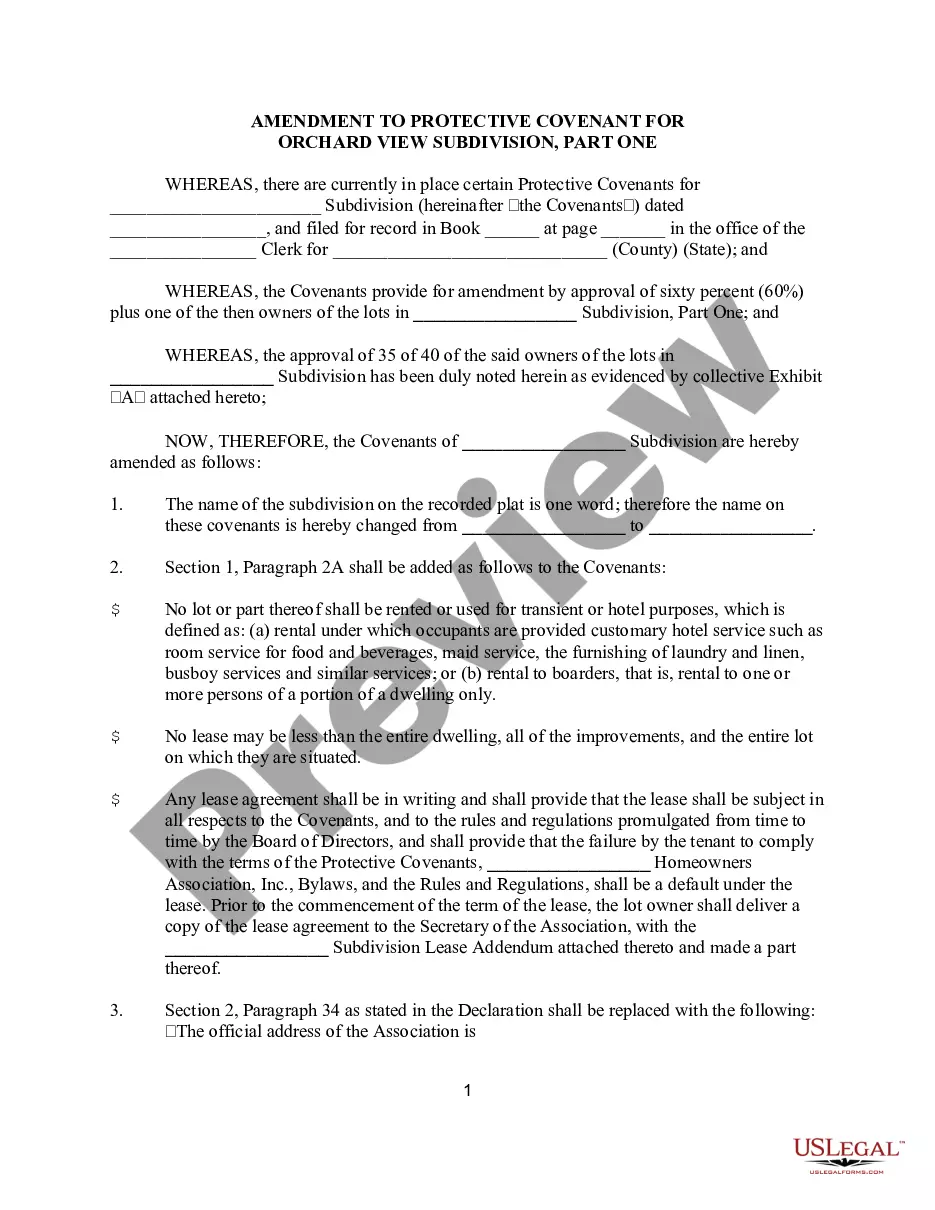
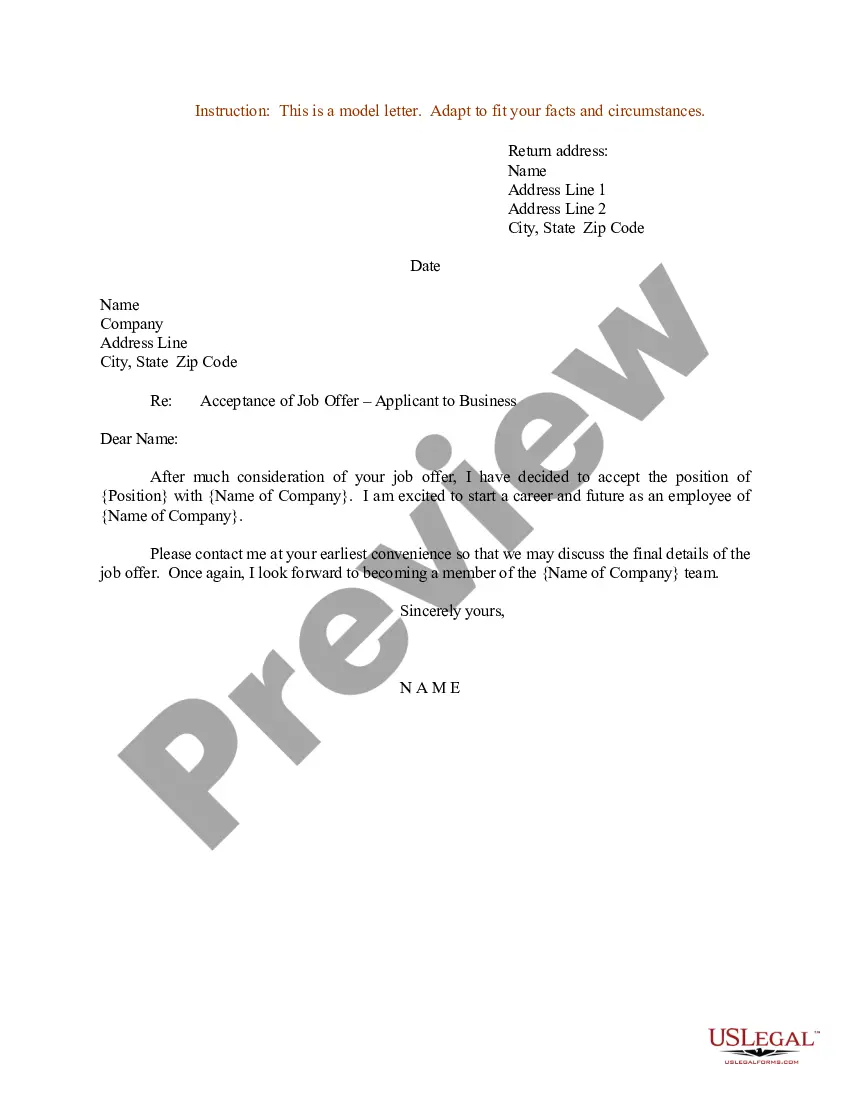
Interior Design Covering Letter With Logo In Chicago
Description
Get your form ready online
Our built-in tools help you complete, sign, share, and store your documents in one place.
Make edits, fill in missing information, and update formatting in US Legal Forms—just like you would in MS Word.
Download a copy, print it, send it by email, or mail it via USPS—whatever works best for your next step.
Sign and collect signatures with our SignNow integration. Send to multiple recipients, set reminders, and more. Go Premium to unlock E-Sign.
If this form requires notarization, complete it online through a secure video call—no need to meet a notary in person or wait for an appointment.
We protect your documents and personal data by following strict security and privacy standards.

Make edits, fill in missing information, and update formatting in US Legal Forms—just like you would in MS Word.

Download a copy, print it, send it by email, or mail it via USPS—whatever works best for your next step.

Sign and collect signatures with our SignNow integration. Send to multiple recipients, set reminders, and more. Go Premium to unlock E-Sign.

If this form requires notarization, complete it online through a secure video call—no need to meet a notary in person or wait for an appointment.

We protect your documents and personal data by following strict security and privacy standards.
Looking for another form?








Form popularity
FAQ
Ing to the Illinois Department of Financial and Professional Regulation, to become a Registered Interior Designer, you must have at least 2 years of education, and 4 years of work experience as an intern or in an entry-level position. Details are available on the official application form.
You cannot use the title “Registered Interior Designer” or ” Registered Residential Interior Designer” until you are registered with the State. To become registered, a designer must meet the minimum competency standards set forth by the State of Illinois which includes education, experience and examination.
How to write a cover letter for an interior designer Create a header. Start your cover letter by creating a header. Address the hiring manager. Next, address the hiring manager. Introduce yourself. Write the body of your letter. Conclude the letter. Review your work.
The rich architectural heritage, historic music scene, and towering skyscrapers of Chicago make this Midwest gem truly one-of-a-kind. We are fortunate enough not only to live here, but to feel inspired by the culture and vibrancy in our interior design work.
You could take a foundation degree, higher national diploma or degree in a subject like: interior design. art and design. interior architecture.
As an Interior Designer, your cover letter introduction should immediately highlight your creative vision and technical skills. Mention a specific project where your innovative design solutions met client needs and enhanced the aesthetic or functionality of a space.
Education. Interior designers entering the occupation typically need a bachelor's degree in any field, with fine arts subjects being most common. Studies should include courses in interior design, drawing, and computer-aided design (CAD).
You cannot use the title “Registered Interior Designer” or ” Registered Residential Interior Designer” until you are registered with the State. To become registered, a designer must meet the minimum competency standards set forth by the State of Illinois which includes education, experience and examination.
While it's a hard pill to swallow, interior designs are not subject to copyright under the U.S. intellectual property law. Only the images of them are. This is because the law only recognises the images of a design as artistic property and not the design itself.