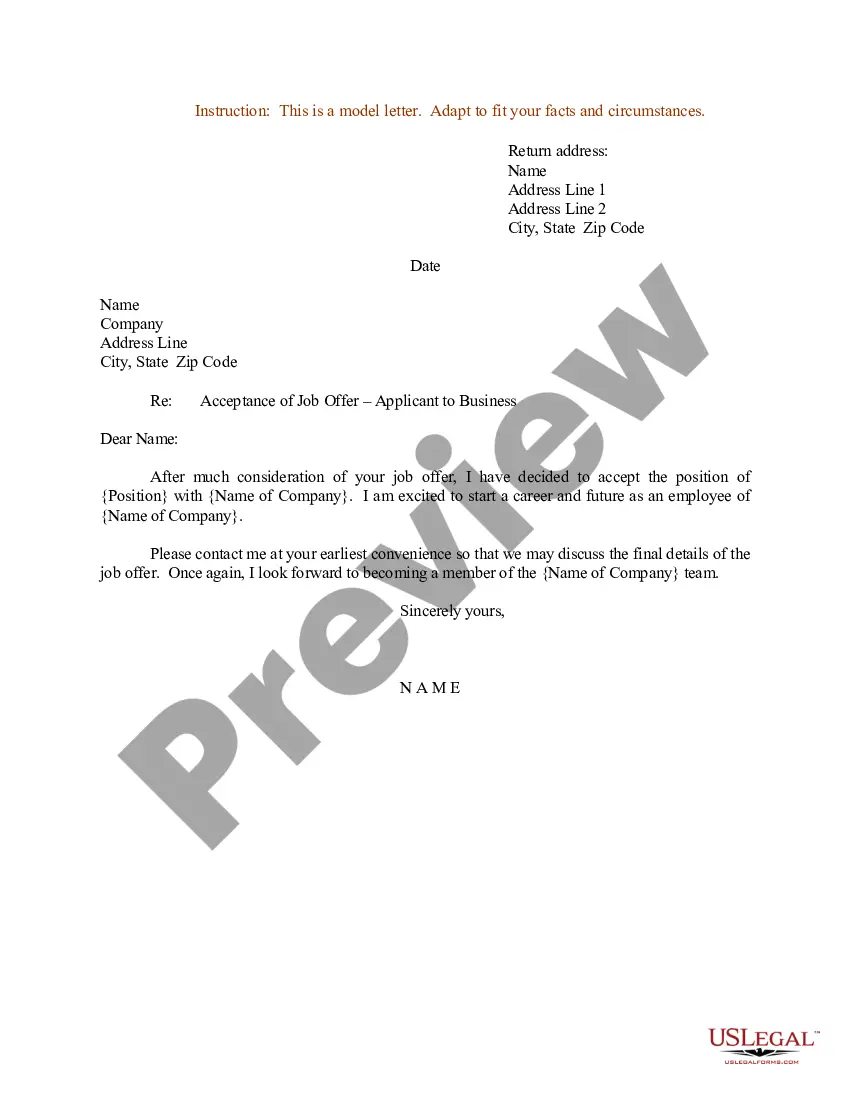
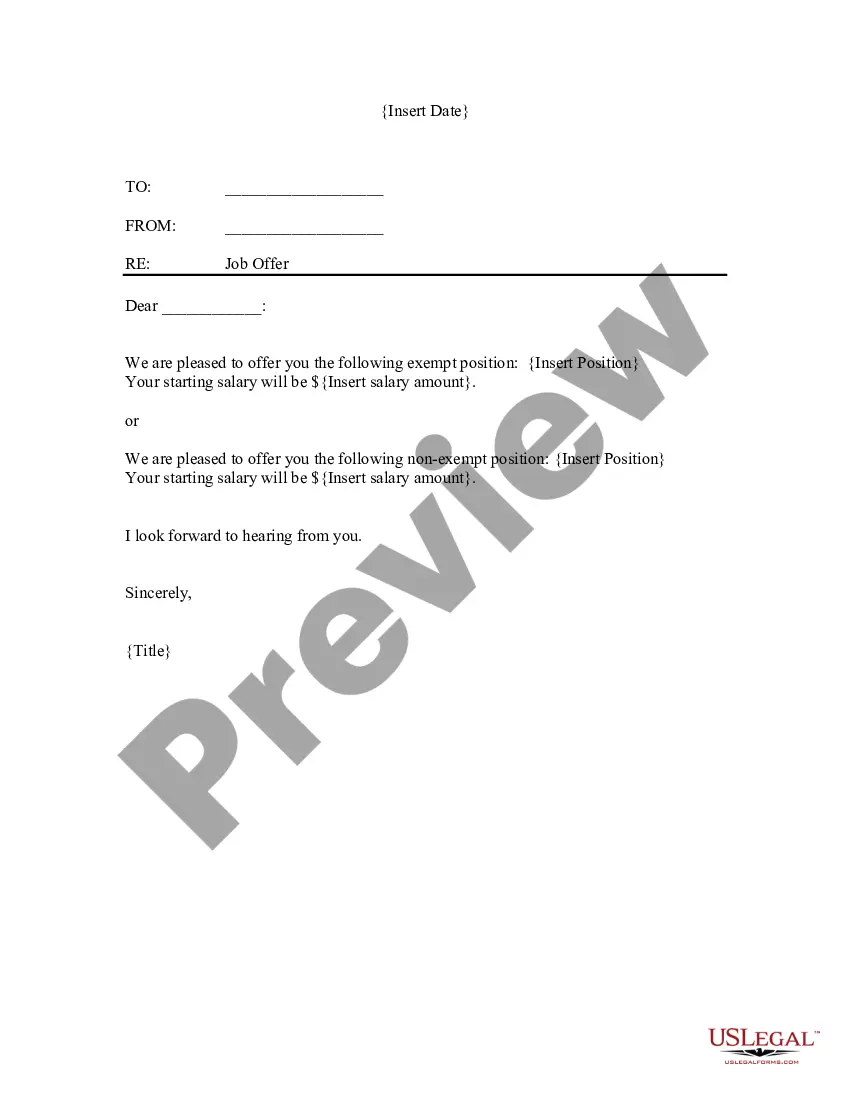
Daycare Acceptance Letter Format In North Carolina
Description
Get your form ready online
Our built-in tools help you complete, sign, share, and store your documents in one place.
Make edits, fill in missing information, and update formatting in US Legal Forms—just like you would in MS Word.
Download a copy, print it, send it by email, or mail it via USPS—whatever works best for your next step.
Sign and collect signatures with our SignNow integration. Send to multiple recipients, set reminders, and more. Go Premium to unlock E-Sign.
If this form requires notarization, complete it online through a secure video call—no need to meet a notary in person or wait for an appointment.
We protect your documents and personal data by following strict security and privacy standards.

Make edits, fill in missing information, and update formatting in US Legal Forms—just like you would in MS Word.

Download a copy, print it, send it by email, or mail it via USPS—whatever works best for your next step.

Sign and collect signatures with our SignNow integration. Send to multiple recipients, set reminders, and more. Go Premium to unlock E-Sign.

If this form requires notarization, complete it online through a secure video call—no need to meet a notary in person or wait for an appointment.

We protect your documents and personal data by following strict security and privacy standards.
Looking for another form?






Form popularity
FAQ
Part-Day Preschools serving children birth to age 5 that operate for up to 4 hours/day; School-Age Child Care serving children ages 5 to 13 before and/or after school hours up to 4 hours/day, and during school holidays and vacations; Drop-in or short-term care provided while parents participate in activities that are ...
These are just recommendations, though — you may need to leave your child for longer based on your work schedule. The maximum amount of time a child can stay in day care is typically 12 hours a day, though it's best to not go over 10 hours if possible to ensure they're getting enough time at home with family.
So, what is a “qualification letter” from the Division of Child Development and Early Education? A qualification letter is letting a daycare owner or administrator know that the Division received the background check for each employee, everything is checked out, and they're fine.
Family child care home license application process Step 1: Complete a pre-licensing workshop. Step 2: Contact your local zoning and planning office. Step 3: Get written permission from your landlord or homeowners association (HOA) ... Step 4: Meet criminal background check requirements. Step 5: Complete required training.
The 12-inch rule states that objects not meant for children to touch should be at least 12 inches from the edges of surfaces.
To qualify for the NCSACCC, you must have completed EDU 145 and EDU 235 or EDU 263 after March, 1999. All courses (EDU 111, EDU 112, EDU 119, EDU 113, EDU 145, EDU 235, and/or EDU 263) must be completed at a NC Community College with a grade of C or better to qualify for a credential certificate.
Around 20 to 25 hours of care is usually appropriate for toddlers between the ages of one to three years old. If your family needs more than 25 hours of care each week, consider cutting back on work hours to allow you more time with your child.
Age Teacher : Child Ratio Maximum Group Size 0-12 months 10 12-24 months 12 2 years old 20 3 years old 25 4 years old 25 School age 25 Ratios-Ratios are the number of staff required to supervise a certain number of children. Group size is the maximum number of children in one group.
A daycare center must have a license to operate legally in North Carolina. A childcare license is issued by the Division of Child Development and Early Education (DCDEE) of the North Carolina Department of Health and Human Services.
In general, anyone providing regular child care services (more than once a week, and more than four hours per day) for three or more children requires a child care license in North Carolina. There are some exemption scenarios that apply to this rule, including: Public schools.