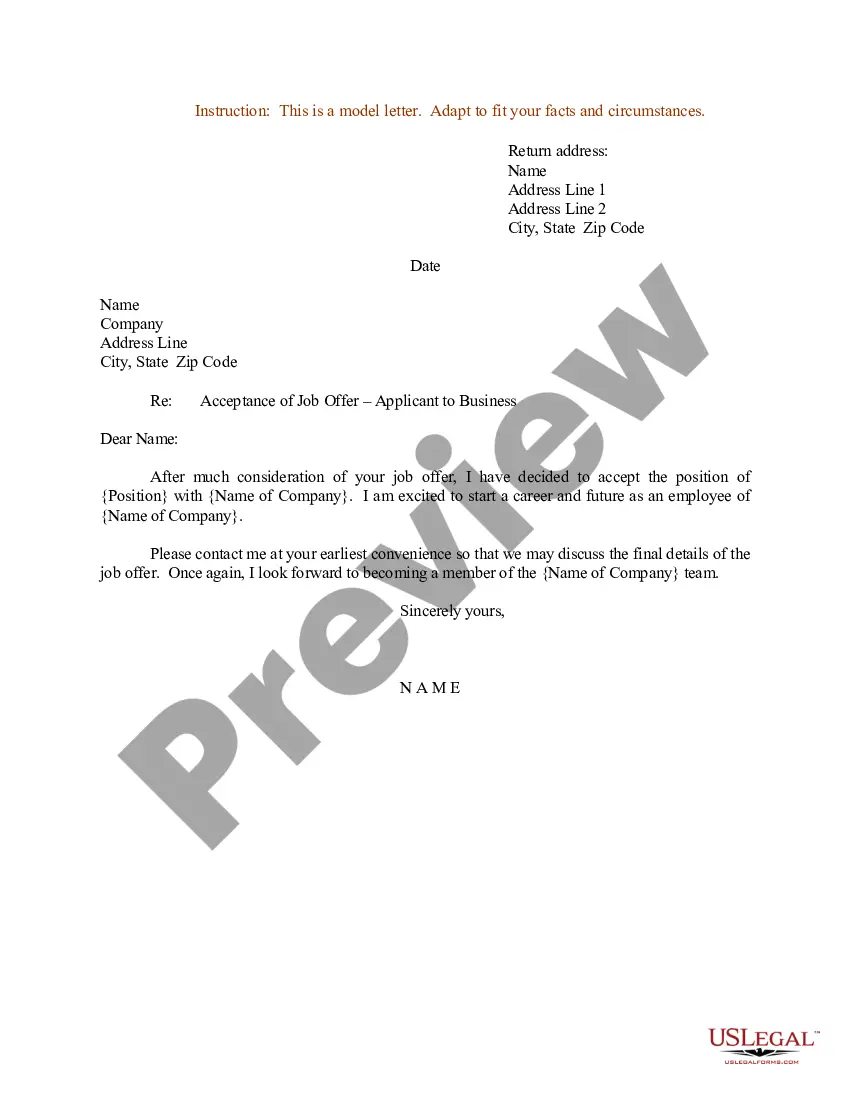
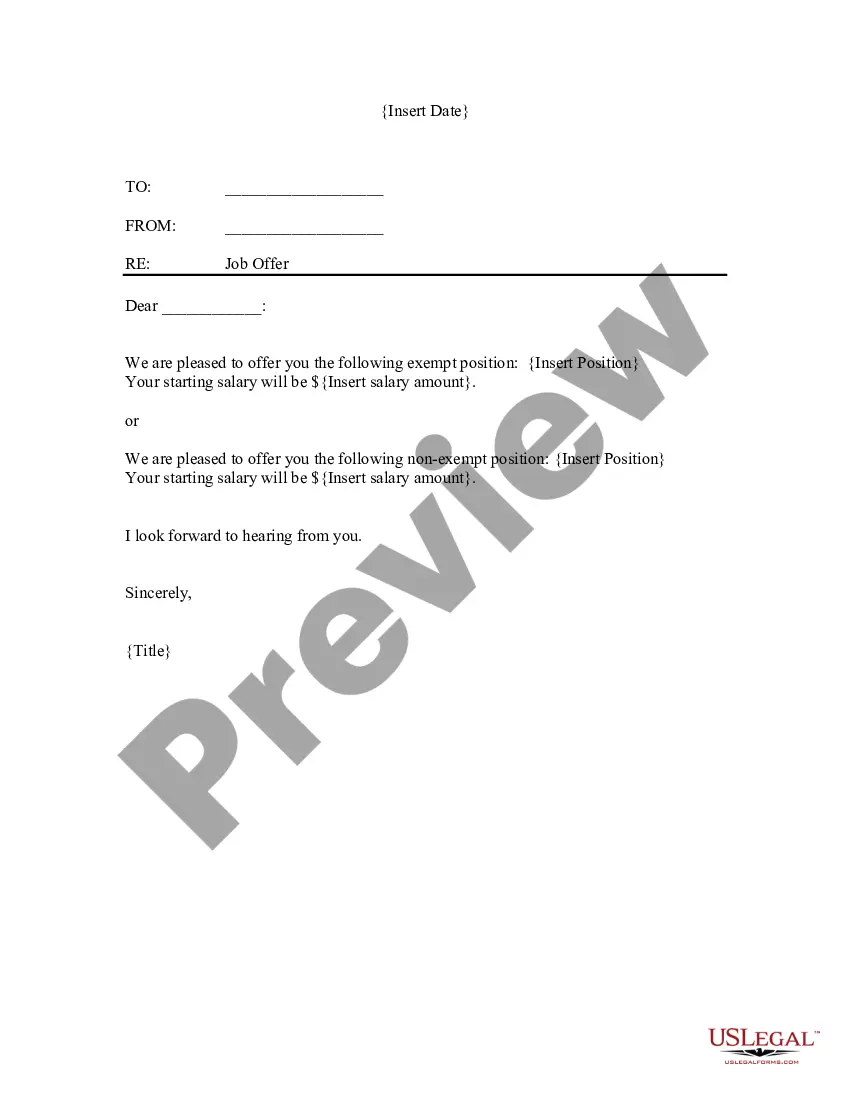
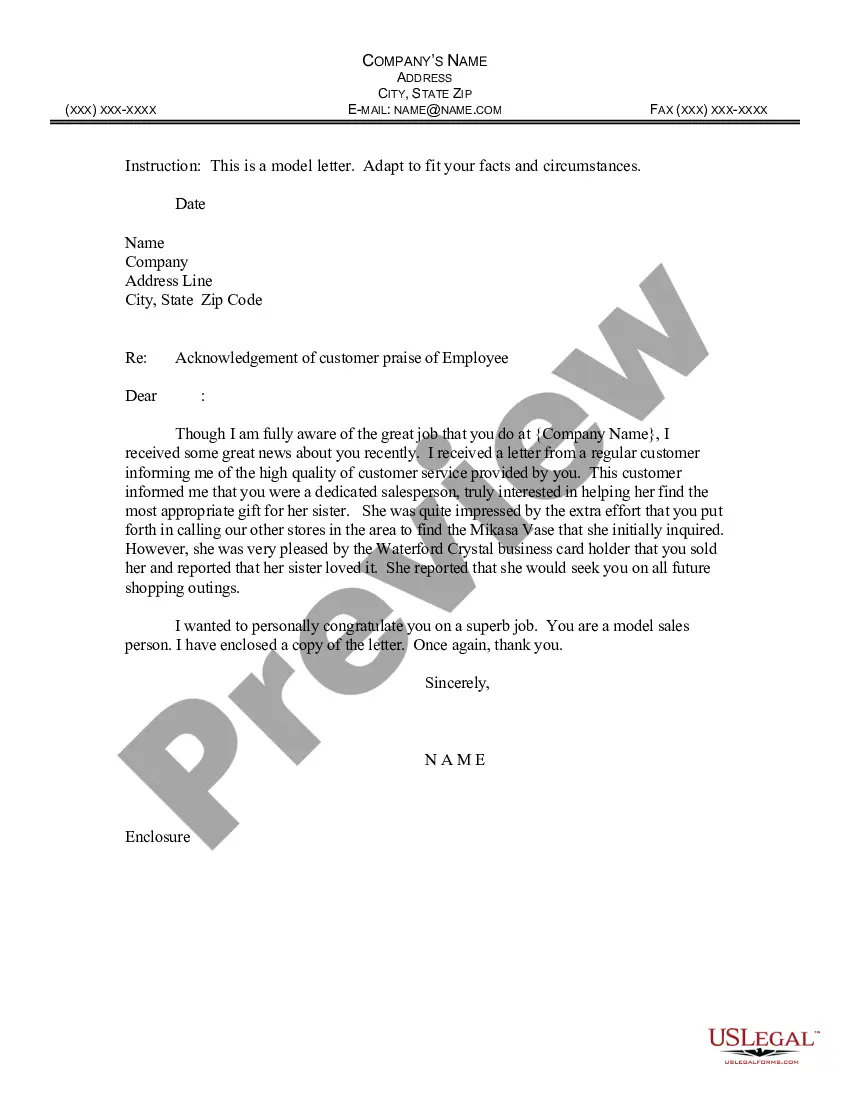
Daycare Acceptance Letter With Conditions In Michigan
Description
Get your form ready online
Our built-in tools help you complete, sign, share, and store your documents in one place.
Make edits, fill in missing information, and update formatting in US Legal Forms—just like you would in MS Word.
Download a copy, print it, send it by email, or mail it via USPS—whatever works best for your next step.
Sign and collect signatures with our SignNow integration. Send to multiple recipients, set reminders, and more. Go Premium to unlock E-Sign.
If this form requires notarization, complete it online through a secure video call—no need to meet a notary in person or wait for an appointment.
We protect your documents and personal data by following strict security and privacy standards.

Make edits, fill in missing information, and update formatting in US Legal Forms—just like you would in MS Word.

Download a copy, print it, send it by email, or mail it via USPS—whatever works best for your next step.

Sign and collect signatures with our SignNow integration. Send to multiple recipients, set reminders, and more. Go Premium to unlock E-Sign.

If this form requires notarization, complete it online through a secure video call—no need to meet a notary in person or wait for an appointment.

We protect your documents and personal data by following strict security and privacy standards.
Looking for another form?









Form popularity
FAQ
Licensing violation means a determination by the licensing authority that the group home is not in compliance with licensing requirements as prescribed in statute or rule.
Type B:This violation is, if not corrected right away, may be a risk to the health, safety, and personal rights of the children in care. Examples: Inaccurate medical records and lack of staff.
Type A:This is the most serious type of violation that means there is an immediate risk to the health, safety or personal rights of those in care. Examples: lack of supervision, lack of fire clearance and access to dangerous chemicals.
A class "A" violation is any violation of a statute or regulation relating to the operation or maintenance of any facility which presents an imminent danger to the clients of the facility or a substantial probability that death or serious physical harm would result therefrom.
Be Specific but Gentle: Clearly state your concern without sounding accusatory. Use ``I'' statements to express how you feel. For example, ``I noticed that my child seems a bit upset during snack time, and I was wondering if there's something we can do to help.''
Let's take a look at these examples: Requirements are what need to be done in order to achieve the need or goal. Another way to understand the difference: Needs are high-level requirements that are segregated into lower-level and more detailed requirements.
Type A deficiency citations are issued by Community Care Licensing LPAs when there is an immediate risk created by the deficiency; Type B deficiency citations are issued when there is only a potential risk of the same; and Type C citations are issued when the deficiency creates neither an immediate nor potential risk ...
If you think child abuse or a health and safety violation is happening at a child care program contact your state's Child Care Health and Safety Violation Report Hotline.
The Child Development and Care (CDC) Office within the Michigan Department of Lifelong Education, Advancement, and Potential (MiLEAP) handles complaints against license exempt providers. Call 1-866-990-3227 to make a complaint against a license exempt provider.
The Child Care Licensing Bureau (CCLB) performs state licensing regulatory duties as required by state laws and federal requirements.