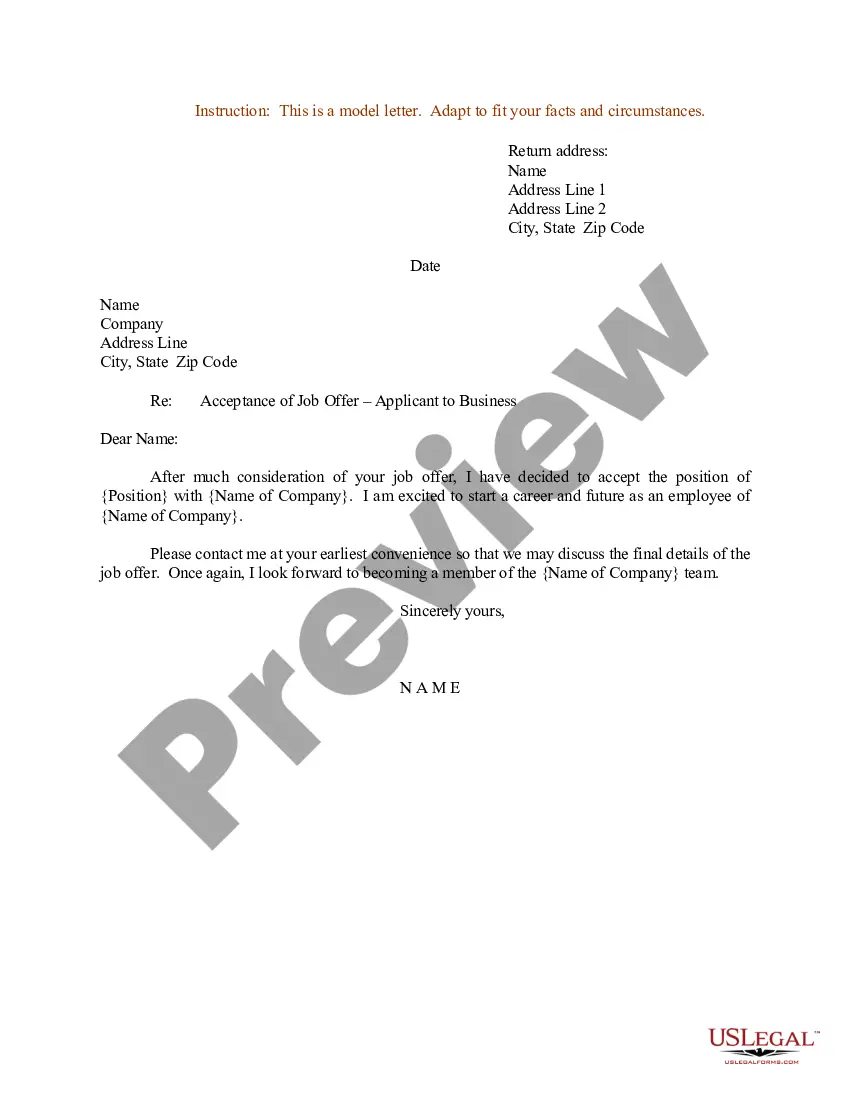
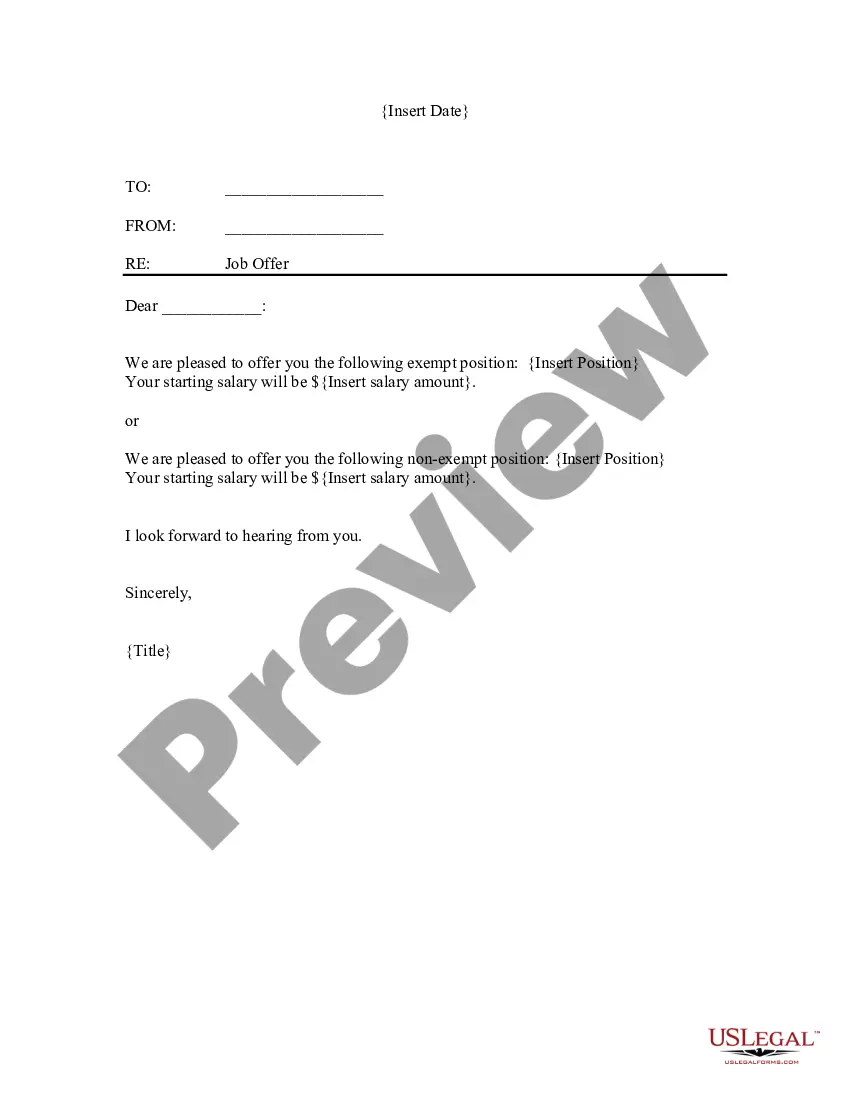
Daycare Acceptance Letter For School In Collin
Description
Get your form ready online
Our built-in tools help you complete, sign, share, and store your documents in one place.
Make edits, fill in missing information, and update formatting in US Legal Forms—just like you would in MS Word.
Download a copy, print it, send it by email, or mail it via USPS—whatever works best for your next step.
Sign and collect signatures with our SignNow integration. Send to multiple recipients, set reminders, and more. Go Premium to unlock E-Sign.
If this form requires notarization, complete it online through a secure video call—no need to meet a notary in person or wait for an appointment.
We protect your documents and personal data by following strict security and privacy standards.

Make edits, fill in missing information, and update formatting in US Legal Forms—just like you would in MS Word.

Download a copy, print it, send it by email, or mail it via USPS—whatever works best for your next step.

Sign and collect signatures with our SignNow integration. Send to multiple recipients, set reminders, and more. Go Premium to unlock E-Sign.

If this form requires notarization, complete it online through a secure video call—no need to meet a notary in person or wait for an appointment.

We protect your documents and personal data by following strict security and privacy standards.
Looking for another form?









Form popularity
FAQ
There's also a little bit of variation in how decisions are conveyed: you can expect many colleges to send acceptance letters by email or online portal, though some will still send a formal letter in your mailbox, too.
How do I obtain a letter of acceptance? You can obtain a letter of acceptance by applying directly to Canadian educational institutions. Once you have been accepted into a program of study, the institution will issue you a Letter of Acceptance.
Colleges that accept you will usually notify you of your acceptance between mid-March and mid-April, either through an email or as an update on your college application portal.
How to write an admissions acceptance letter Prepare the header. Begin the letter with an official header that includes the student's full name and address. Confirm the candidate's admission. Share congratulations. Explain how to accept. Include optional details. Encourage them to accept.
The key difference is the age of the children attending. In preschool, the students are between 2 and 4 years old. Children in pre-K, however, are around 4 or 5 years old. This is because pre-K is meant to take place the year before kindergarten to prepare children for the social and academic challenges ahead.
Q: Is kindergarten mandatory in NYS? A: No, currently, kindergarten is not mandatory throughout New York State.
StateCompulsory school ageState requires kindergarten attendance California 6 No Colorado 6 No Connecticut 5 Yes Delaware 5 Yes59 more rows
New York's Education Law requires all children between the ages of six and 16 to attend school. This can occur at a public or private school. Kids who reach age five by December 31 must attend kindergarten in New York.
Q: Is kindergarten mandatory in NYS? A: No, currently, kindergarten is not mandatory throughout New York State. However, Section 3205(2)(c) of Education Law allows the Boards of Education of any school district in NYS to require kindergarten attendance by any child who is five years of age on or before December 1st.
The compulsory attendance law in New York State requires that all children between the ages of six and sixteen be provided with a program of instruction, either at a public school or elsewhere.