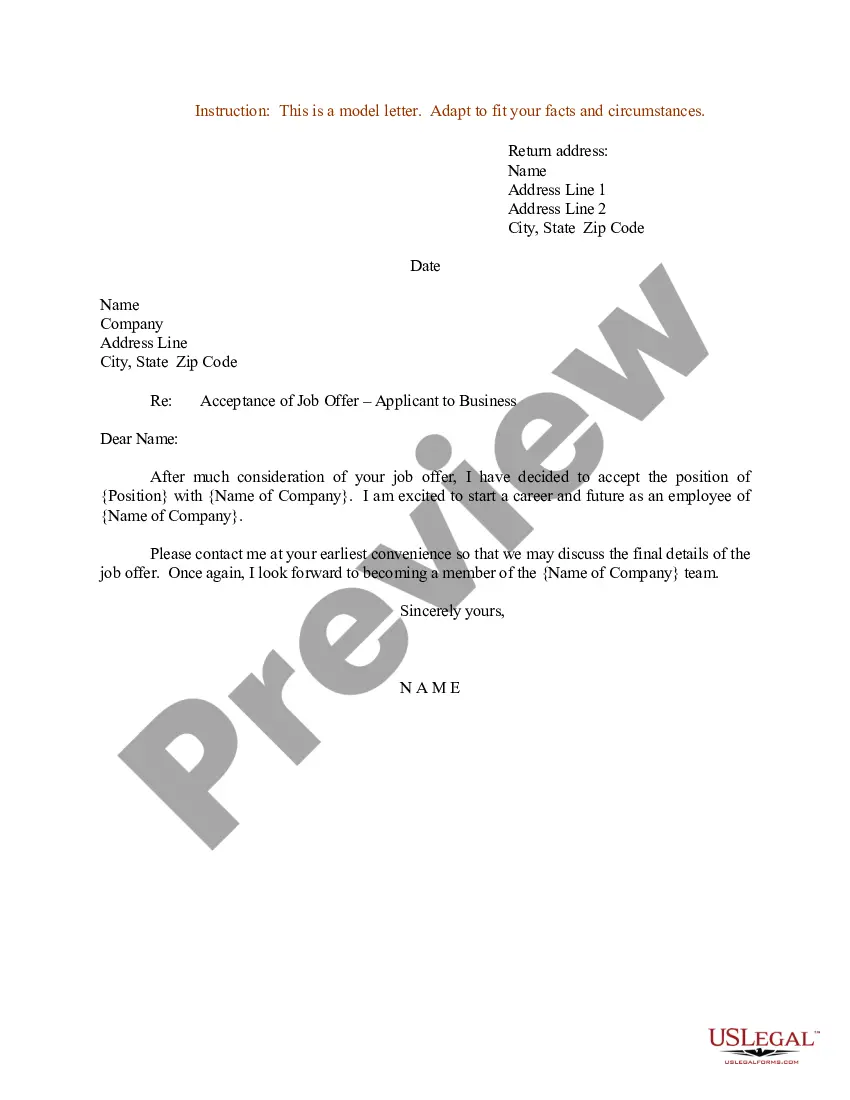
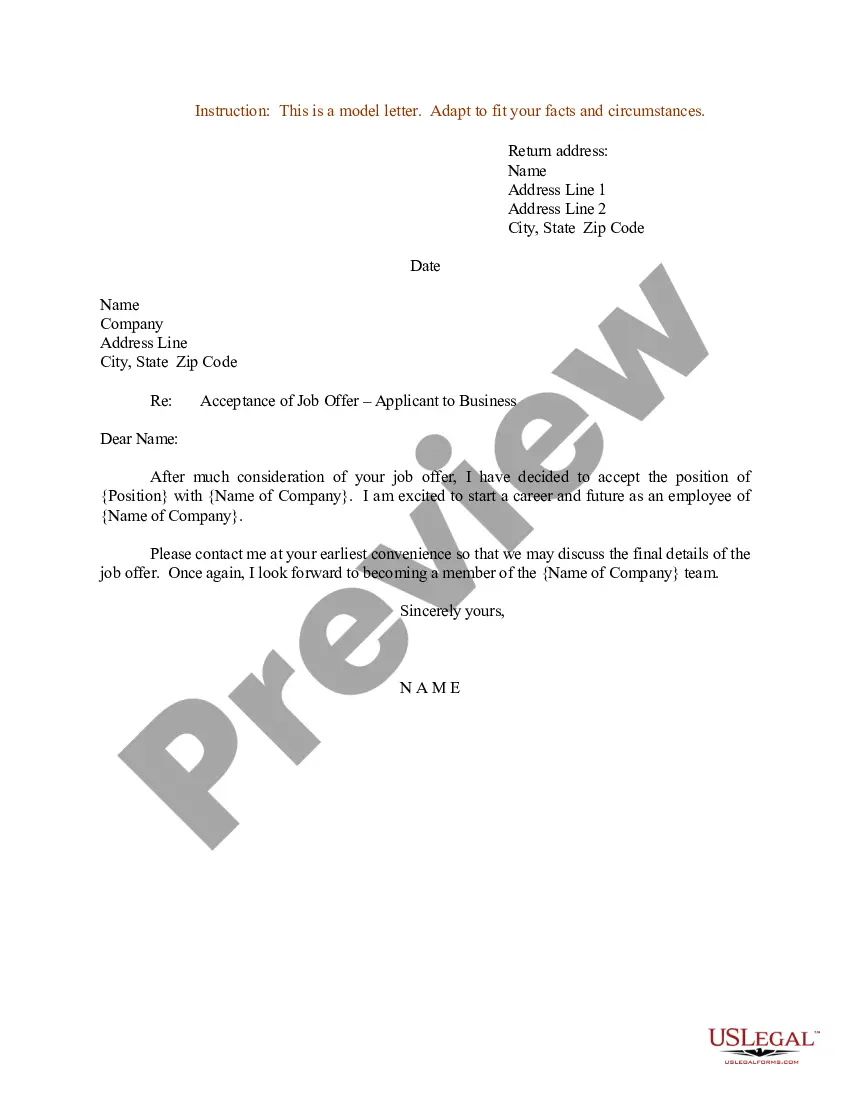
Police Acceptance Letter For Speeding In Wake
Description
Get your form ready online
Our built-in tools help you complete, sign, share, and store your documents in one place.
Make edits, fill in missing information, and update formatting in US Legal Forms—just like you would in MS Word.
Download a copy, print it, send it by email, or mail it via USPS—whatever works best for your next step.
Sign and collect signatures with our SignNow integration. Send to multiple recipients, set reminders, and more. Go Premium to unlock E-Sign.
If this form requires notarization, complete it online through a secure video call—no need to meet a notary in person or wait for an appointment.
We protect your documents and personal data by following strict security and privacy standards.

Make edits, fill in missing information, and update formatting in US Legal Forms—just like you would in MS Word.

Download a copy, print it, send it by email, or mail it via USPS—whatever works best for your next step.

Sign and collect signatures with our SignNow integration. Send to multiple recipients, set reminders, and more. Go Premium to unlock E-Sign.

If this form requires notarization, complete it online through a secure video call—no need to meet a notary in person or wait for an appointment.

We protect your documents and personal data by following strict security and privacy standards.
Looking for another form?

Form popularity
FAQ
Can you get a traffic ticket in the mail? First things first – receiving a ticket does not necessarily require a roadside stop or a dramatic encounter with law enforcement. It can be as mundane as opening your mailbox and finding an envelope with a citation inside.
Be sure to include all the essential details, including the date and location of the violation, your citation number, and any other relevant factual information. Identify yourself as the violator and explain why you are contesting the ticket.
First of all, a mailed citation from a photo radar camera is not an official ticket and does not need to be responded to unless it has been formally served to you. You have two choices: ignore the ticket and wait to see if you are served with it or respond to the citation (therefore accepting service).
If you are given a written warning while driving, this is not the same as a citation or ticket. It is a formal notice issued by law enforcement for a minor traffic violation. Unlike a citation, it does not result in fines, penalties or points against your license and will not be noted on your motor vehicle record.
If you received a speeding ticket in the mail for a car that you were not driving at the time, it's important to understand the laws and regulations specific to your jurisdiction, as they may vary.
A: Yes it's possible.
Additional factors that could affect eligibility include reckless driving, at-fault accidents, leaving the scene, and speeding. The Postal Service considers legal cases, with the exception of DUI, only upon conviction. Any active DUI case, regardless of case status, automatically results in application denial.
Gather evidence. Your best chances to win the argument will be if you have physical proof you weren't speeding. Evidence could include dashcam video, GPS data from a smartphone app, or photographic evidence that a speed limit sign was obscured.
When you show up in court, be sincerely apologetic, explain that this is your first ticket and you understand that you should've been more attentive, and ask if they can reduce (to 14 over at most -- no points or reporting that way) or dismiss the ticket.
Remain polite and courteous in the letter. Avoid complaining or making demands. Briefly explain the situation and circumstances around the ticket. Express remorse for the violation and acknowledge that you made a mistake.