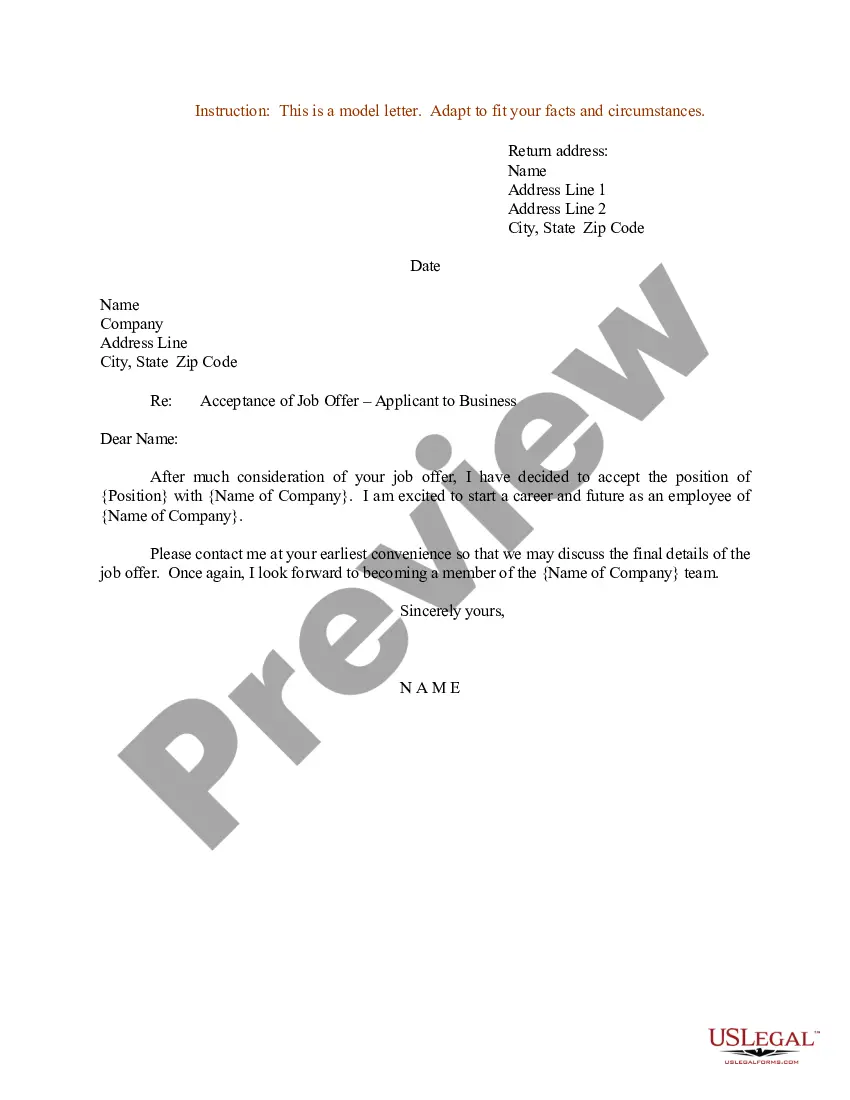
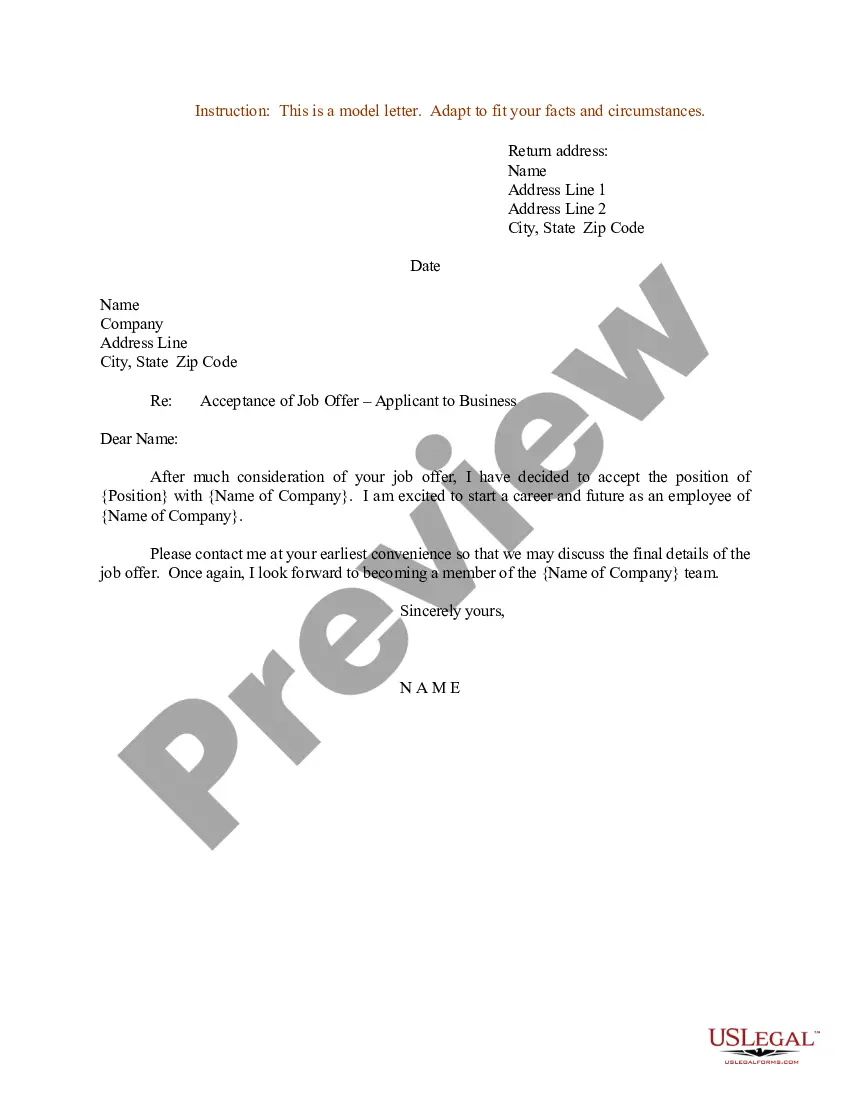
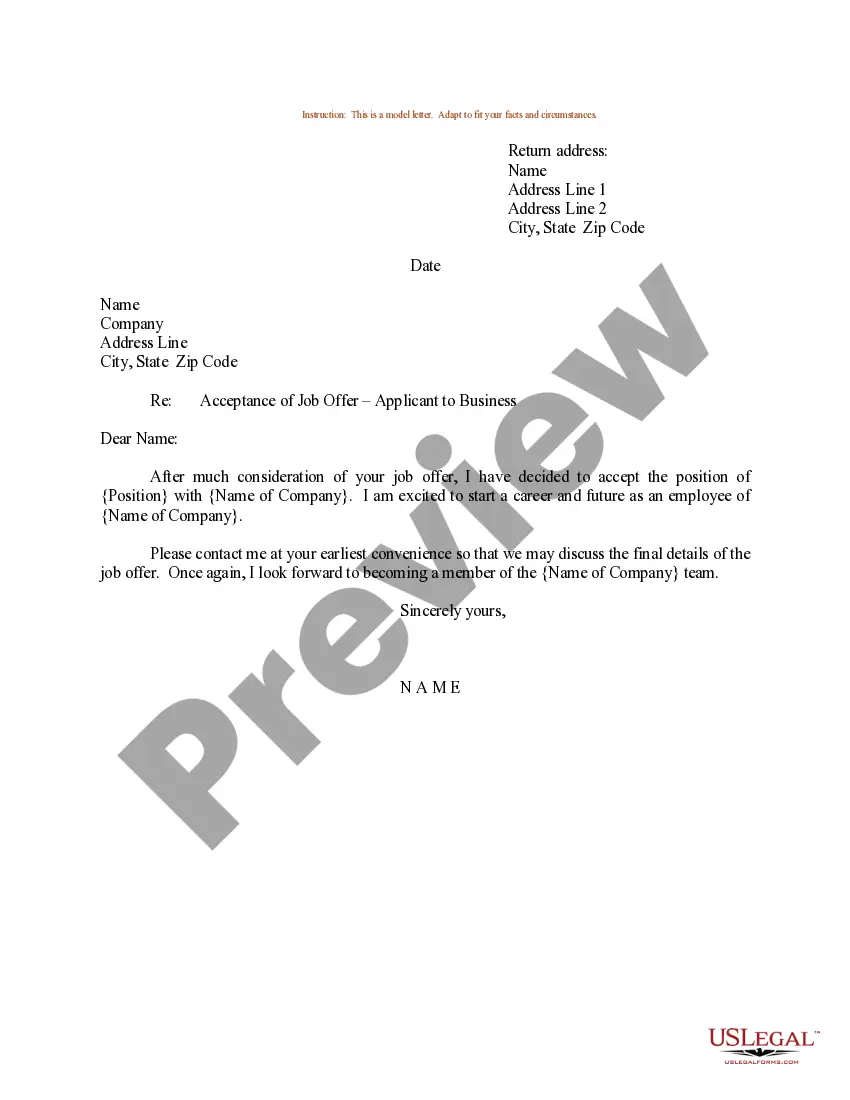
Police Acceptance Letter Format In Clark
Description
Get your form ready online
Our built-in tools help you complete, sign, share, and store your documents in one place.
Make edits, fill in missing information, and update formatting in US Legal Forms—just like you would in MS Word.
Download a copy, print it, send it by email, or mail it via USPS—whatever works best for your next step.
Sign and collect signatures with our SignNow integration. Send to multiple recipients, set reminders, and more. Go Premium to unlock E-Sign.
If this form requires notarization, complete it online through a secure video call—no need to meet a notary in person or wait for an appointment.
We protect your documents and personal data by following strict security and privacy standards.

Make edits, fill in missing information, and update formatting in US Legal Forms—just like you would in MS Word.

Download a copy, print it, send it by email, or mail it via USPS—whatever works best for your next step.

Sign and collect signatures with our SignNow integration. Send to multiple recipients, set reminders, and more. Go Premium to unlock E-Sign.

If this form requires notarization, complete it online through a secure video call—no need to meet a notary in person or wait for an appointment.

We protect your documents and personal data by following strict security and privacy standards.
Looking for another form?







Form popularity
FAQ
Dear RECIPIENT'S NAME, I, YOUR NAME, am writing this letter to provide a detailed explanation regarding the recent violation that occurred involving DESCRIPTION OF VIOLATION. The incident of VIOLATION occurred due to CIRCUMSTANCES, which I deeply regret.
Anyone can write a cease and desist letter, which is not legally enforceable. Still, it's a good idea to consult an attorney to help you draft it, especially if your issue is embedded in a complex area of law, such as intellectual property or business law.
While it's technically possible to write a demand letter yourself, there are significant advantages to seeking the guidance of a legal professional. Here's why. Professional expertise. An attorney specialized in personal injury law understands the nuances of relevant statutes, case law, and procedural requirements.
How To Write a Law Enforcement Cover Letter Contact information and salutation. Introduction. Body paragraphs. Law enforcement skills and qualifications. Closing section. Highlight community engagement. Mention the department's reputation and core values. Quantify your law enforcement experience.
The Nuts and Bolts of a Demand Letter Gather complete information before you start writing. Describe your injuries and medical treatment. List your medical expenses, lost wages, and non-economic damages. Make a settlement demand. Include a deadline for legal action if you want to, but don't bluff.