Modelo Carta Formal De Solicitud In Contra Costa
Description
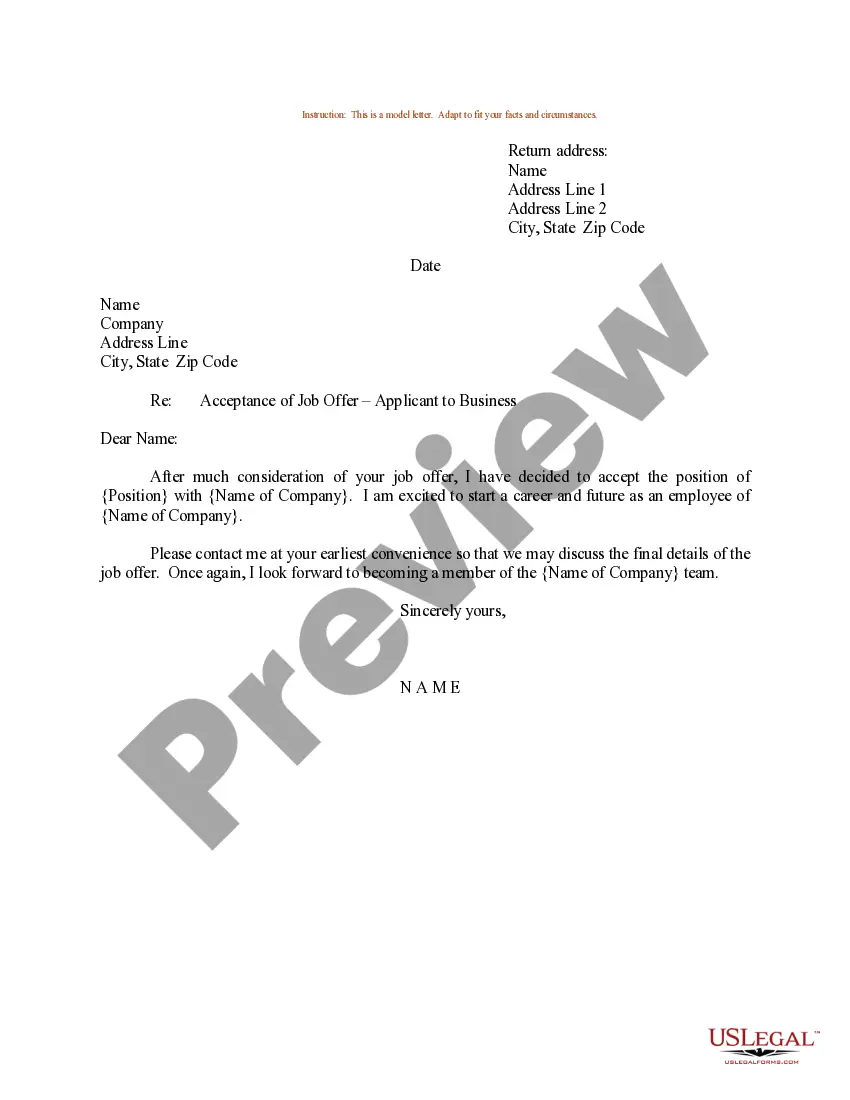
Get your form ready online
Our built-in tools help you complete, sign, share, and store your documents in one place.
Make edits, fill in missing information, and update formatting in US Legal Forms—just like you would in MS Word.
Download a copy, print it, send it by email, or mail it via USPS—whatever works best for your next step.
Sign and collect signatures with our SignNow integration. Send to multiple recipients, set reminders, and more. Go Premium to unlock E-Sign.
If this form requires notarization, complete it online through a secure video call—no need to meet a notary in person or wait for an appointment.
We protect your documents and personal data by following strict security and privacy standards.

Make edits, fill in missing information, and update formatting in US Legal Forms—just like you would in MS Word.

Download a copy, print it, send it by email, or mail it via USPS—whatever works best for your next step.

Sign and collect signatures with our SignNow integration. Send to multiple recipients, set reminders, and more. Go Premium to unlock E-Sign.

If this form requires notarization, complete it online through a secure video call—no need to meet a notary in person or wait for an appointment.

We protect your documents and personal data by following strict security and privacy standards.
Looking for another form?









Form popularity
FAQ
Contra Costa County is home to 19 cities and numerous unincorporated communities. See the County Supervisorial Districts map. For more information about local cities, visit the links below.
Contra Costa County is a county located in the northern portion of the East Bay region of the San Francisco Bay Area of Northern California. The county seat is Martinez, but the largest city is Concord.
District 1 of Contra Costa County includes several unincorporated communities, or communities that don't fall within the boundaries of cities.
Today, Contra Costa County encompasses 716 square miles and is home to 19 cities and numerous unincorporated communities. The county's approximate 400,000 residences house a diverse population of more than 1.16 million residents, making it California's ninth most populous county.
Municipalities. As of , there were 482 incorporated municipalities in the state. Under California law, the terms "city" and "town" are explicitly interchangeable; the name of an incorporated municipality in the state can either be "City of (Name)" or "Town of (Name)".
Los datos importantes que debe contener la carta de pedido son: Número de pedido. Número de catálogo. Descripción de los artículos y servicios. Forma de pago. Método de entrega. Fecha de entrega. Dirección o domicilio de entrega.
En una carta usted deberá redactar: A quién se dirige la solicitud. Su nombre. Su número de cédula. Las indicaciones donde desea recibir la respuesta (Correo o dirección) La petición o queja clara. La explicación de los documentos anexados (en caso de ser necesario) Su firma.
La introducción de tu carta debe ser breve y al punto, y debe indicar claramente el propósito de tu petición desde el inicio. Por ejemplo: Me dirijo a usted para solicitar su apoyo a nombre del proyecto o causa, que busca describir brevemente el objetivo.
Las cartas de petición son documentos escritos para solicitar formalmente algo a una persona, empresa o institución.
Comienza tu carta con un saludo cortés y profesional, o un saludo, como "Estimado", seguido del título y apellido del destinatario y dos puntos. Dirígete a la persona por su primer nombre solo si la conoces bien.

