Offer Acceptance Letter With Notice Period In Ohio
Description
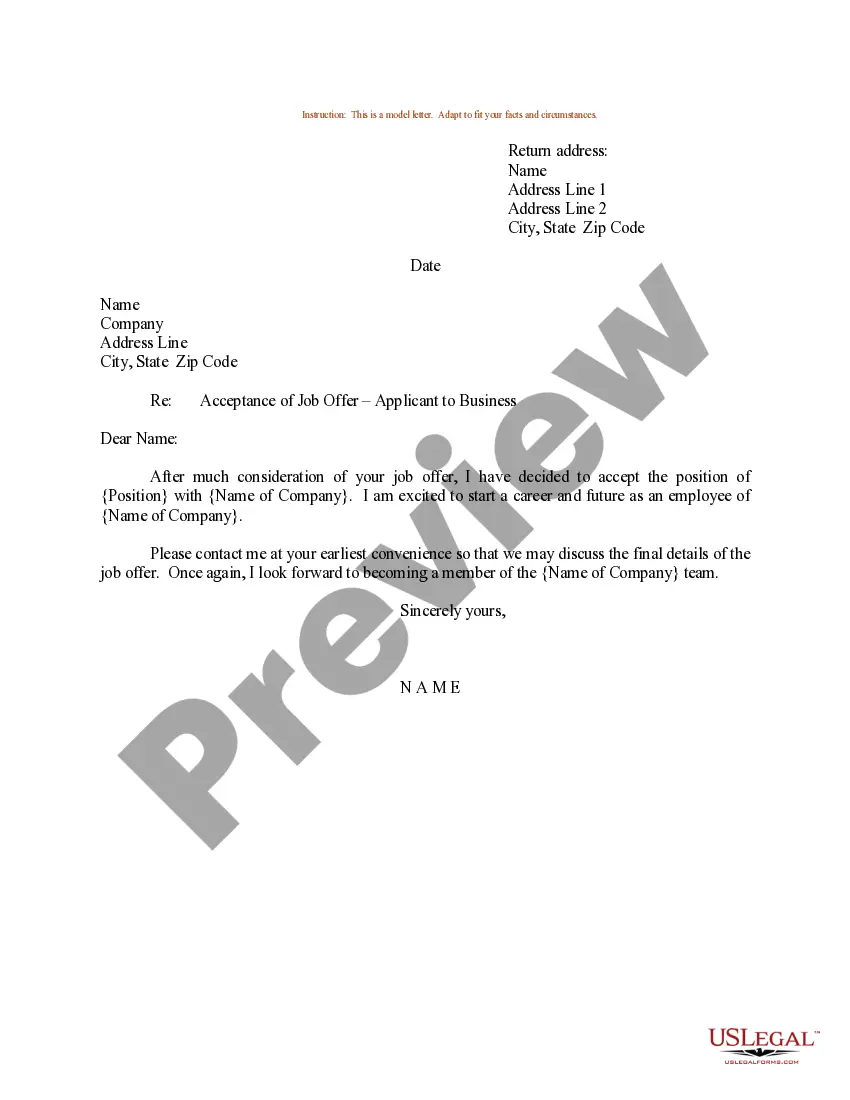
Get your form ready online
Our built-in tools help you complete, sign, share, and store your documents in one place.
Make edits, fill in missing information, and update formatting in US Legal Forms—just like you would in MS Word.
Download a copy, print it, send it by email, or mail it via USPS—whatever works best for your next step.
Sign and collect signatures with our SignNow integration. Send to multiple recipients, set reminders, and more. Go Premium to unlock E-Sign.
If this form requires notarization, complete it online through a secure video call—no need to meet a notary in person or wait for an appointment.
We protect your documents and personal data by following strict security and privacy standards.

Make edits, fill in missing information, and update formatting in US Legal Forms—just like you would in MS Word.

Download a copy, print it, send it by email, or mail it via USPS—whatever works best for your next step.

Sign and collect signatures with our SignNow integration. Send to multiple recipients, set reminders, and more. Go Premium to unlock E-Sign.

If this form requires notarization, complete it online through a secure video call—no need to meet a notary in person or wait for an appointment.

We protect your documents and personal data by following strict security and privacy standards.
Looking for another form?








Form popularity
FAQ
Yes, you can quit a job after accepting an offer, even if you haven't started yet. However, it's important to consider the following: Professionalism: It's best to notify the employer as soon as possible. A simple, polite email or phone call expressing your decision is recommended.
WARN Act Notice: Required for position eliminations or layoffs, 60 days before termination.
Leaving a company within a week of joining can be a sensitive situation, but it can be acceptable under certain circumstances. Here are some points to consider: Review Your Contract: Check your employment contract for any clauses regarding resignation. Some companies may have specific policies about early termination.
Yes, you can quit a job after accepting an offer, even if you haven't started yet. However, it's important to consider the following: Professionalism: It's best to notify the employer as soon as possible. A simple, polite email or phone call expressing your decision is recommended.
Currently, there are no federal or state laws that require employees to give management an official written two weeks' notice if and when they plan to resign.
The first step is verbal acceptance of a verbal offer. This is followed by the formal contract which you need to sign. You should not resign until the second step (formal contract signed and returned) is complete.
If an employee's normal work schedule is to be changed for a period of more than two weeks' duration, the employee should be notified at least thirty calendar days in advance per section 124.18 of the Revised Code).
Yes, you can reject a job offer after accepting it, but it's important to handle the situation professionally to maintain a good relationship with the employer. Here are some steps to consider: Act Quickly: As soon as you realize you need to withdraw your acceptance, inform the employer.
Do not resign until you have a signed offer letter. Check Your Current Employment Contract: Understand any notice period you are required to give. This is typically two weeks but can vary based on your role or company policy.
You can always negotiate with your current company to see if they agree to a shorter notice period. Depending on what role you are doing, they may be happy for you to leave sooner.

