Borrowing For Rental Property In Oakland
Description
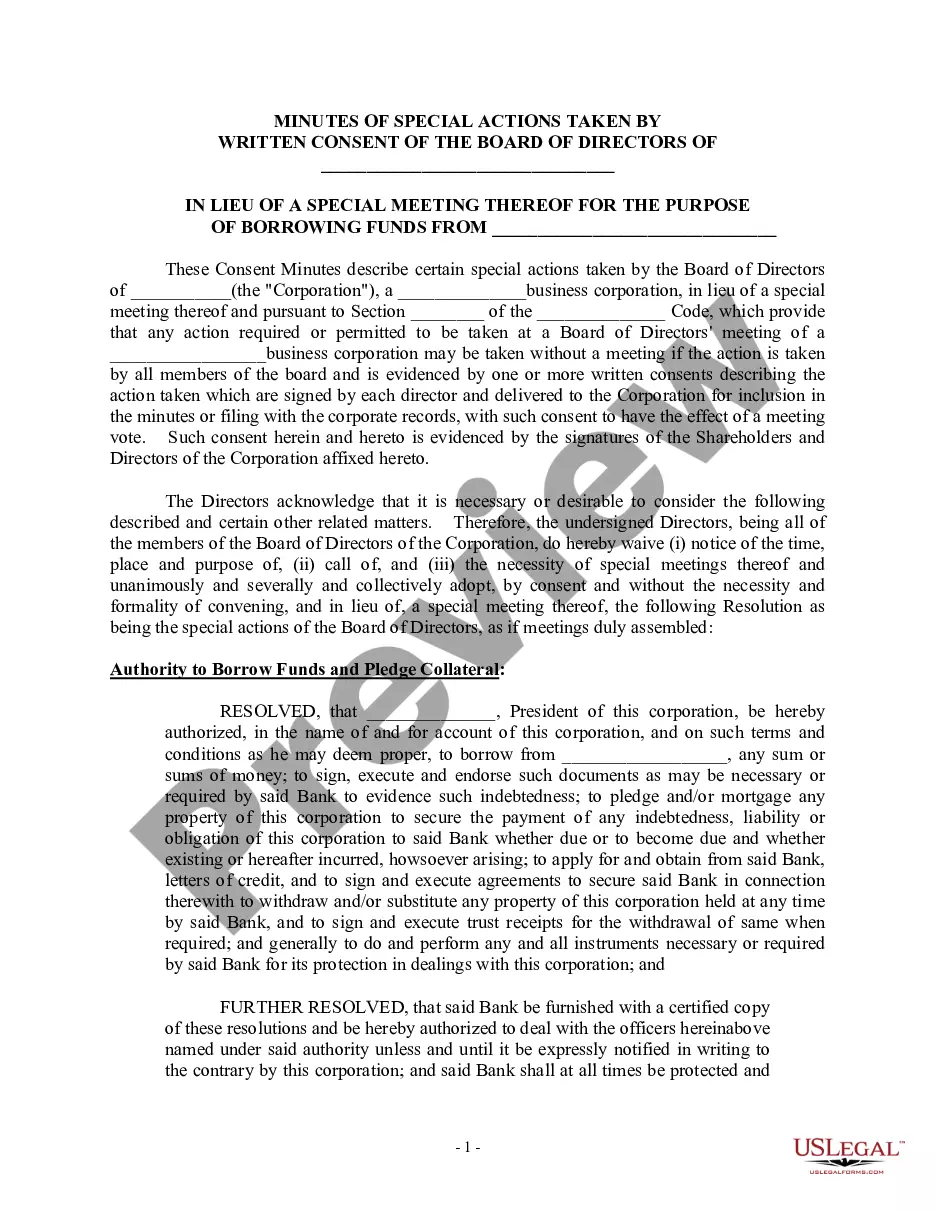
Get your form ready online
Our built-in tools help you complete, sign, share, and store your documents in one place.
Make edits, fill in missing information, and update formatting in US Legal Forms—just like you would in MS Word.
Download a copy, print it, send it by email, or mail it via USPS—whatever works best for your next step.
Sign and collect signatures with our SignNow integration. Send to multiple recipients, set reminders, and more. Go Premium to unlock E-Sign.
If this form requires notarization, complete it online through a secure video call—no need to meet a notary in person or wait for an appointment.
We protect your documents and personal data by following strict security and privacy standards.

Make edits, fill in missing information, and update formatting in US Legal Forms—just like you would in MS Word.

Download a copy, print it, send it by email, or mail it via USPS—whatever works best for your next step.

Sign and collect signatures with our SignNow integration. Send to multiple recipients, set reminders, and more. Go Premium to unlock E-Sign.

If this form requires notarization, complete it online through a secure video call—no need to meet a notary in person or wait for an appointment.

We protect your documents and personal data by following strict security and privacy standards.
Looking for another form?







Form popularity
FAQ
Historically, a good cap rate for multifamily is over 4% and could be as high as 10%. That range comes down to the fact that several factors can influence a good cap rate and possibly make a low cap rate look better or a good one look worse than it is. Interest rates are an important factor in assessing cap rates.
Generally, a “good” cap rate is between 5% and 10%. Some aggressive investors target cap rates above 8% or even double digits. A cap rate around 5% is considered optimal for a balance between risk and return. Current multifamily cap rates are about 5.3%.
Multifamily Cap Rates are Expanding Multifamily cap rates expanded more slowly in 2023 from 4.63% to 5.07%. Declining net operating income, due to increases in operating expenses and flat rent increases, has been responsible for the decline in multifamily property values for both years.
Generally, a cap rate of 8-10% is considered a good cap rate for a rental property, however, cap rates can vary significantly depending on the market and the type of property. For example, a cap rate of 6-7% may be considered good for a multifamily property in a high-demand market.
For instance, cap rates in cities like New York and San Francisco tend to be lower, often around 4% to 5%, due to high demand and strong property values. In contrast, markets like Dallas or Atlanta may offer cap rates of 6% to 7% or higher, reflecting differing market dynamics and risk levels.
Tenants in California must secure explicit written consent from their landlord to sublet their apartment or house. The lack of such approval can lead to complications or even eviction.
Rent Control And Rent Adjustment If your apartment is subject to the Oakland Rent Ordinance, then you have rent control in Oakland. That means that the landlord cannot raise the rent beyond the annual CPI increase rate for any given year. Tenants can only be given one increase in any one 12-month period.
A master tenant is considered a landlord in relation to his or her subtenant, meaning that a master tenant is able to evict a subtenant. Subtenants do not have the right to evict their master tenant or other subtenants or roommates. Similarly, roommates who are co-tenants cannot evict their fellow co-tenants.
If your tenancy doesn't have a fixed end date you'll need your landlord's permission to sublet your whole home. If they say no, they don't have to give you a reason. If there's a fixed end date for your tenancy, you're allowed to sublet your whole home.
On , the Oakland City Council passed legislation to end the COVID-19 Eviction Moratorium as well as to add new permanent tenant eviction protections.
