Borrowing For Rental Property In Fairfax
Description
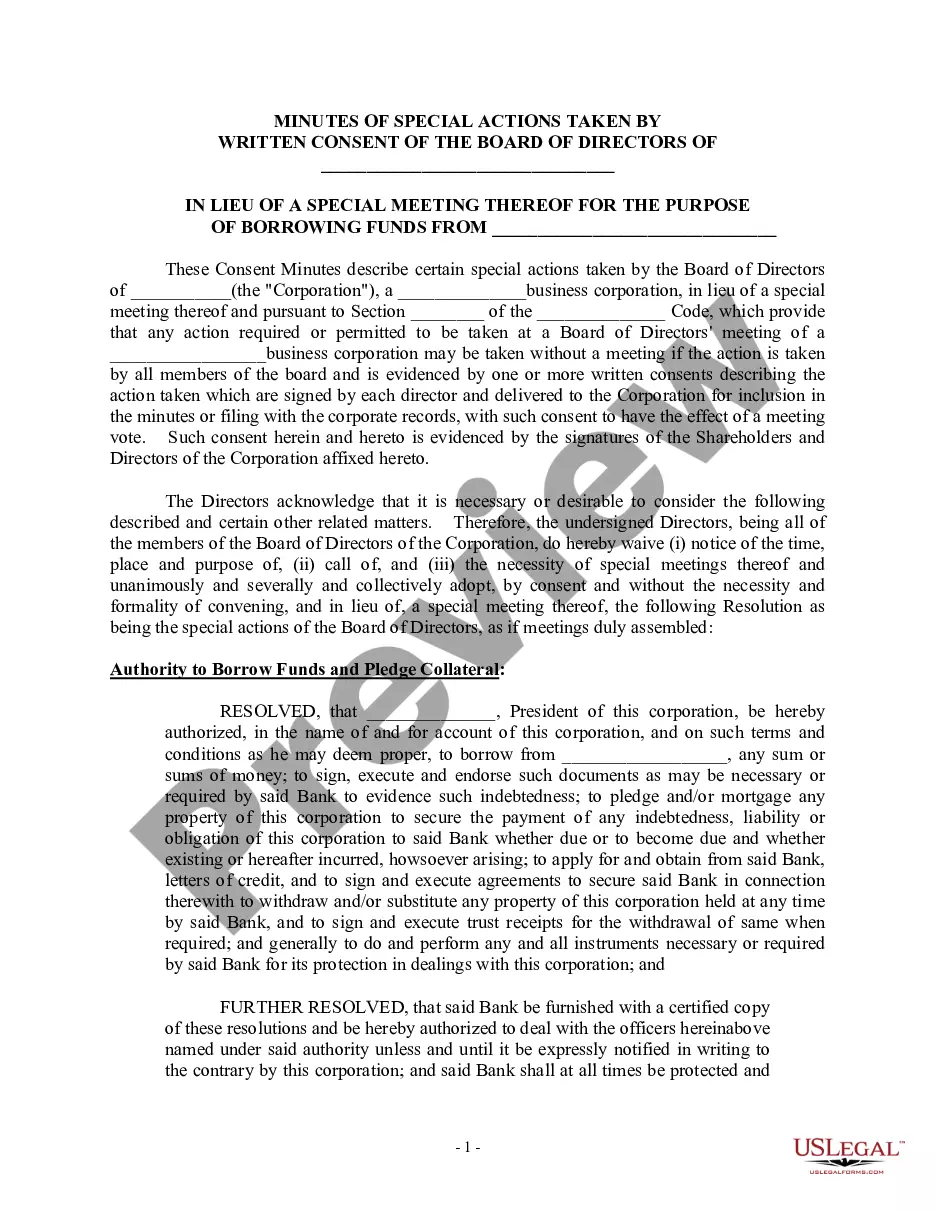


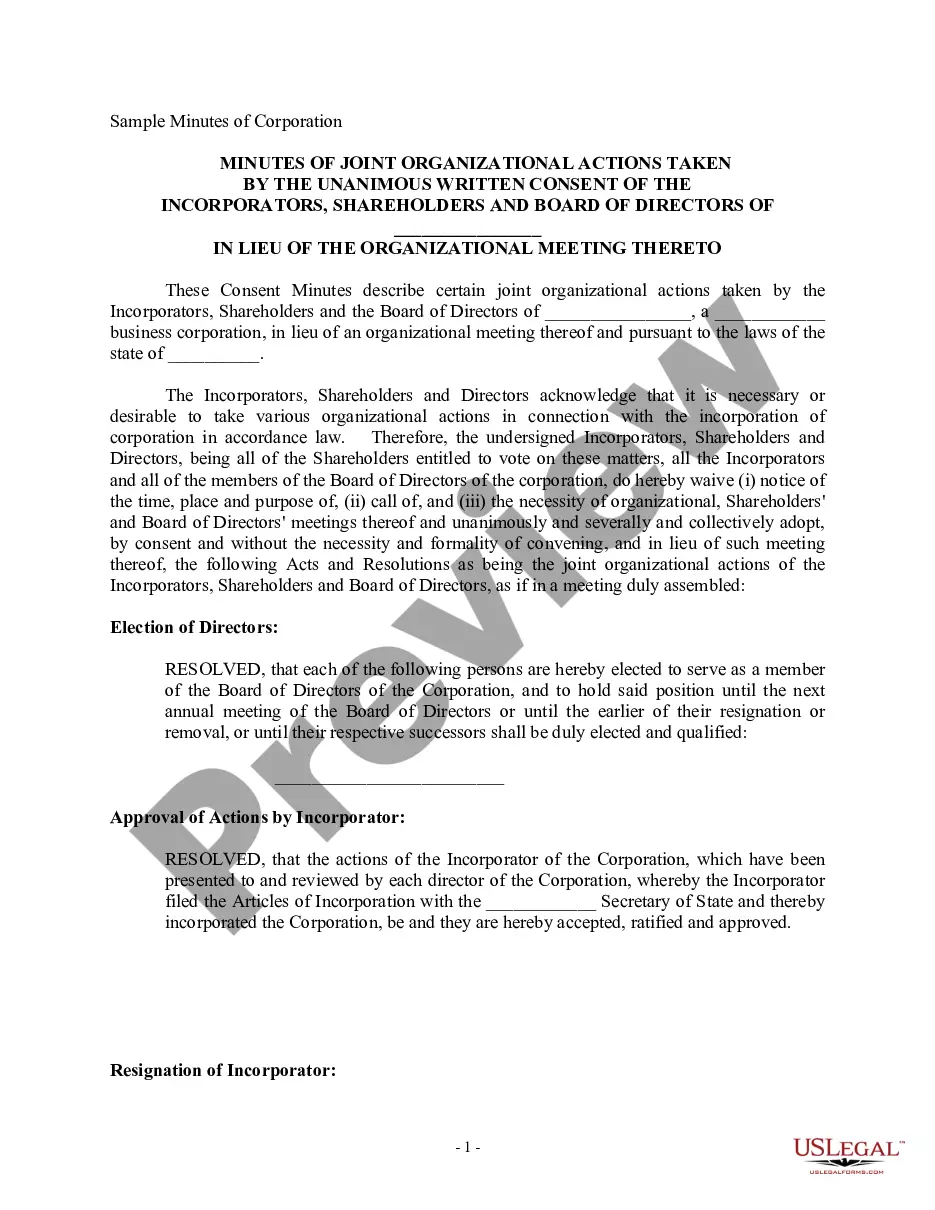
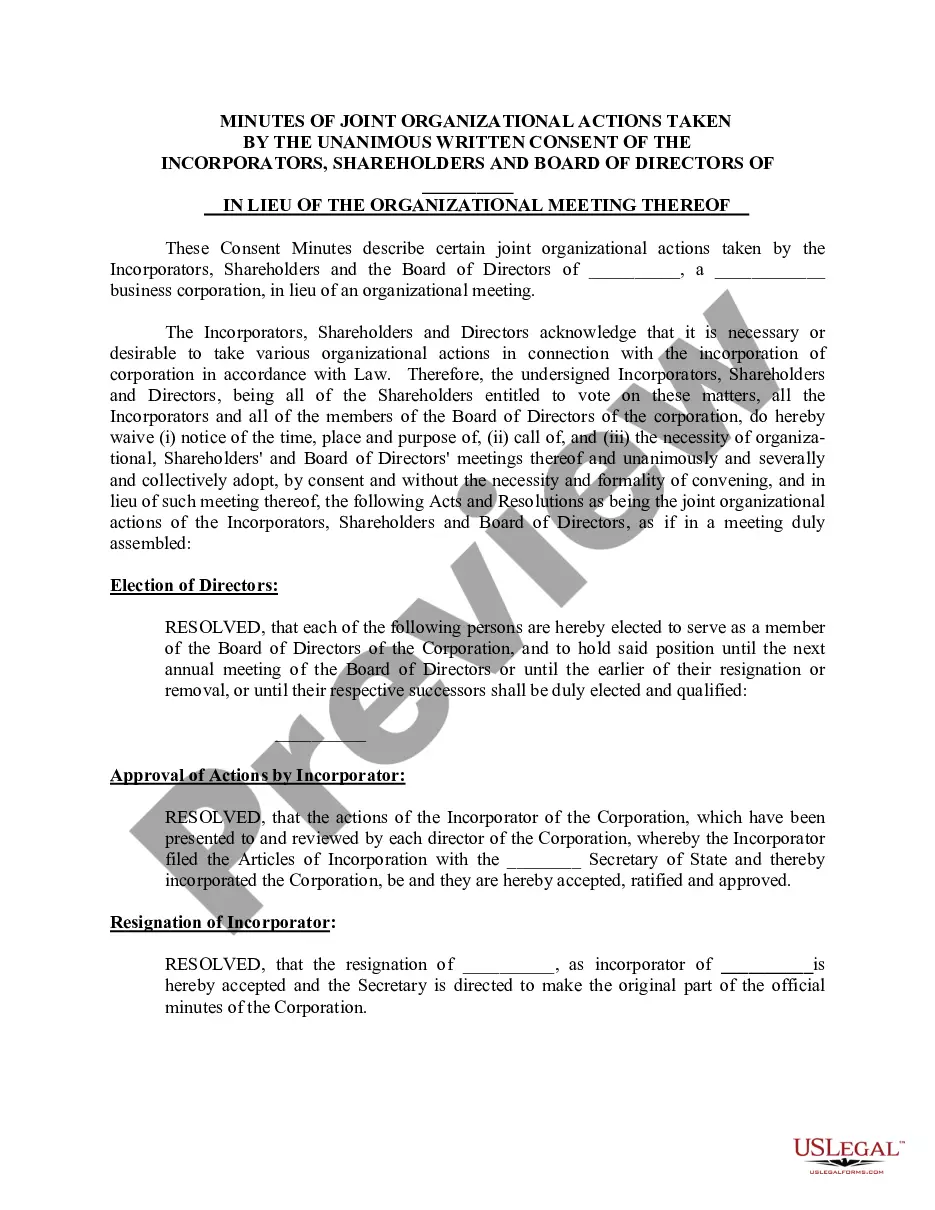
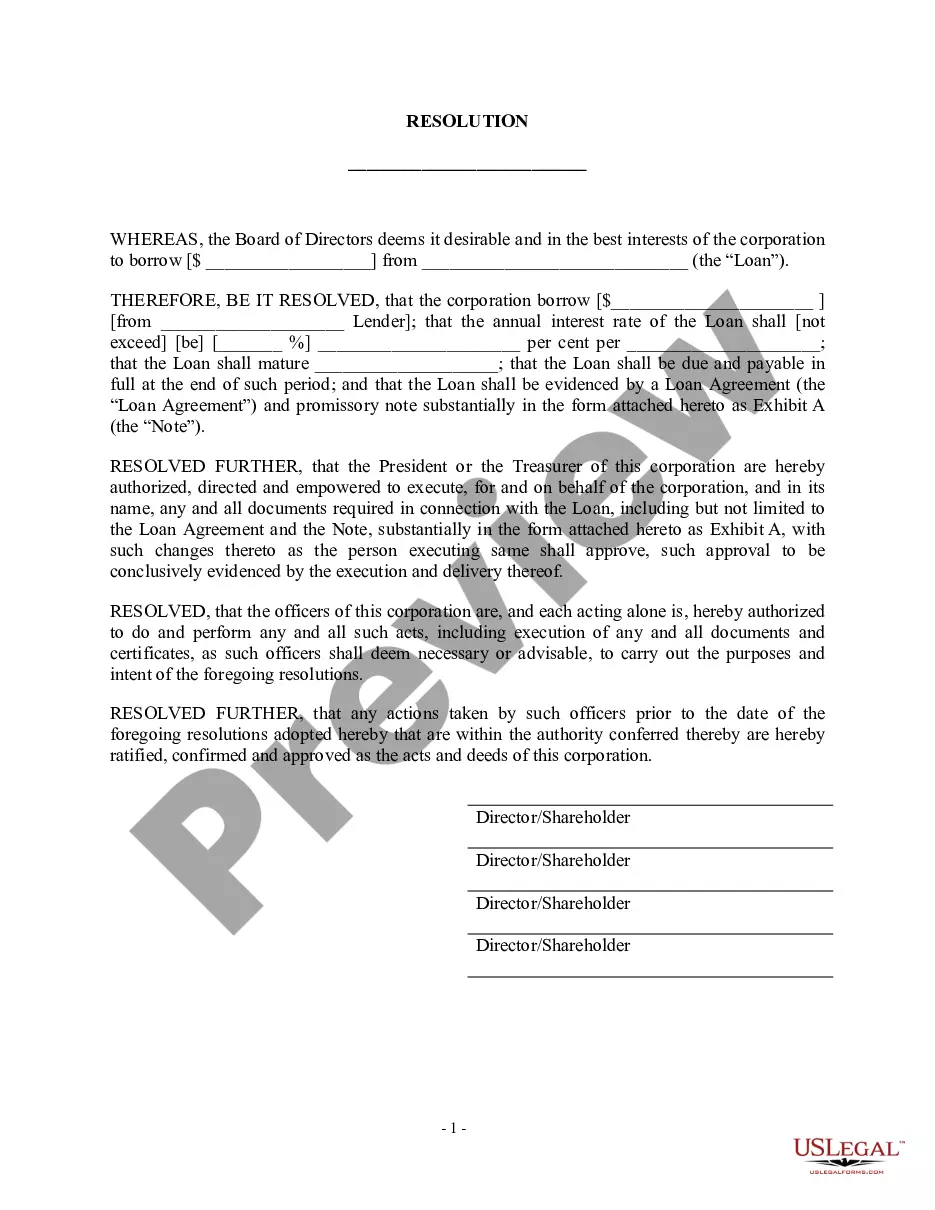
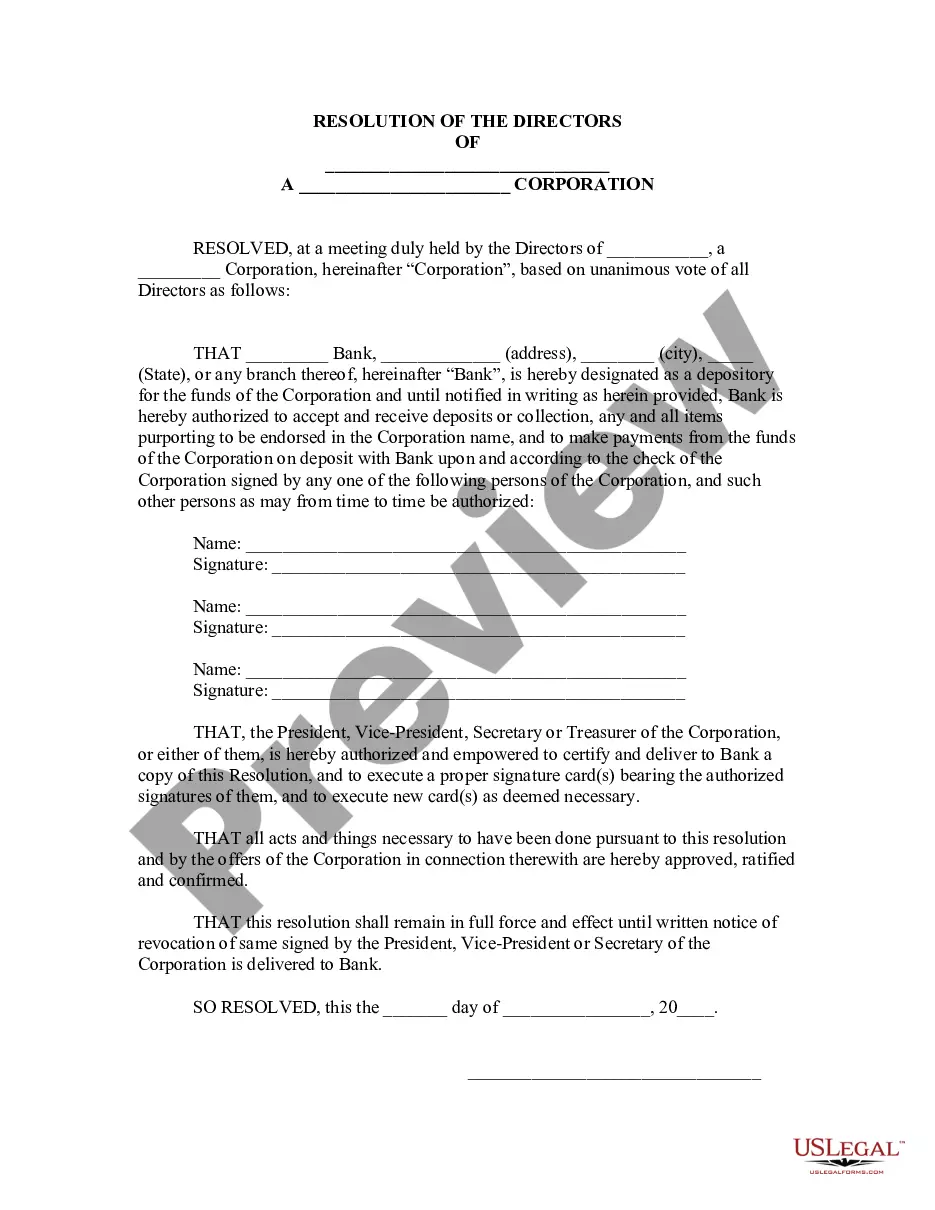

Get your form ready online
Our built-in tools help you complete, sign, share, and store your documents in one place.
Make edits, fill in missing information, and update formatting in US Legal Forms—just like you would in MS Word.
Download a copy, print it, send it by email, or mail it via USPS—whatever works best for your next step.
Sign and collect signatures with our SignNow integration. Send to multiple recipients, set reminders, and more. Go Premium to unlock E-Sign.
If this form requires notarization, complete it online through a secure video call—no need to meet a notary in person or wait for an appointment.
We protect your documents and personal data by following strict security and privacy standards.

Make edits, fill in missing information, and update formatting in US Legal Forms—just like you would in MS Word.

Download a copy, print it, send it by email, or mail it via USPS—whatever works best for your next step.

Sign and collect signatures with our SignNow integration. Send to multiple recipients, set reminders, and more. Go Premium to unlock E-Sign.

If this form requires notarization, complete it online through a secure video call—no need to meet a notary in person or wait for an appointment.

We protect your documents and personal data by following strict security and privacy standards.
Looking for another form?


Form popularity
FAQ
Minimizing or eradicating taxes on rental income involves employing strategies such as 1031 exchanges, utilizing self-directed IRAs, claiming depreciation and deductions, leveraging equity through borrowing, deferring sales, and potentially becoming a real estate agent.
The rule suggests that about half of the property's rental income should cover expenses, and the other half is an estimate of the property's net operating income (NOI). The 50% rule is a starting point and not a strict formula. Different property types, locations, and market conditions can affect actual expenses.
The 50% rule or 50 rule in real estate says that half of the gross income generated by a rental property should be allocated to operating expenses when determining profitability. The rule is designed to help investors avoid the mistake of underestimating expenses and overestimating profits.
50 Percent Rule Formula For Real Estate You are literally just multiplying the monthly rent by 0.5 to estimate the property 's operating expenses. To do the calculation in your head, you can just divide the rental income by 2 (mathematically this is exactly the same as multiplying the rent by 0.5).
Section 8 is administered by local housing agencies. Landlords receive a subsidy representing the difference between 30% of an eligible tenant's adjusted gross household income and reasonable housing rent as determined under program rules.
Typically housing waitlists accept new applications once a year. Once on the waiting list, it is the applicant's responsibility to notify the voucher office of any changes in address, status or family composition. It can take two to five years (or more) to move to the top of a housing waitlist.
Section 8 is administered by local housing agencies. Landlords receive a subsidy representing the difference between 30% of an eligible tenant's adjusted gross household income and reasonable housing rent as determined under program rules.
The Workforce Dwelling Unit (WDU) Rental Program provides qualified households with low- and moderate-income the opportunity to live at a reduced rent in privately owned and privately managed market-rate apartment communities located throughout Fairfax County.
Here are some of the eligibility requirements for Section 8 housing in Virginia: Income Limits: Households must earn less than 50% of the Area Median Income (AMI) for their location. For example, in Arlington County, the 2025 AMI for a family of four is $140,000, making the eligibility limit $70,000.
Income: HUD defines low-income individuals and families as meeting 80% of the median income of their county or metropolitan area. Very-low income is defined as not exceeding 50% of the median income of their county or metropolitan area. Household size is also considered when determining income eligibility.
