Borrowing For Commercial Property In Bronx
Description
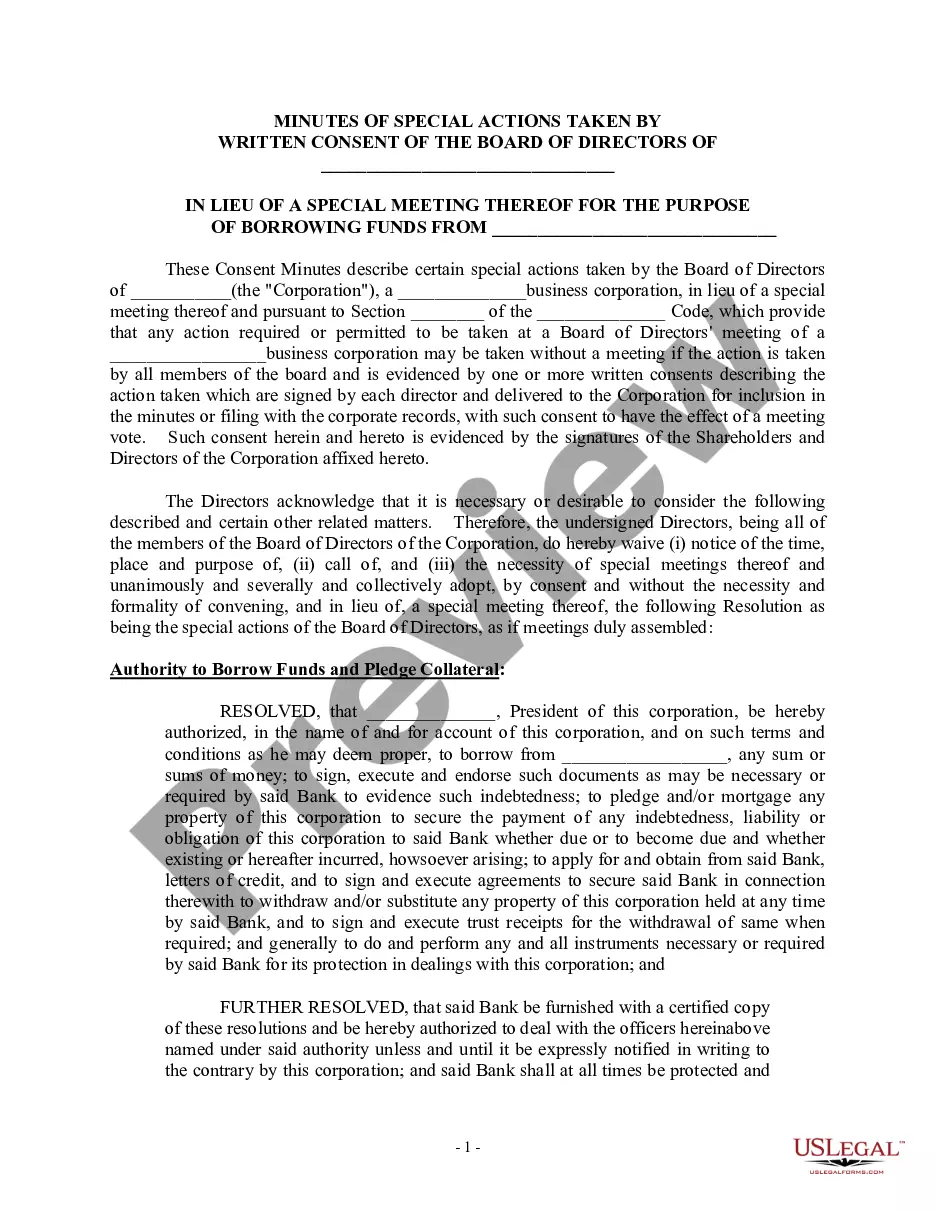
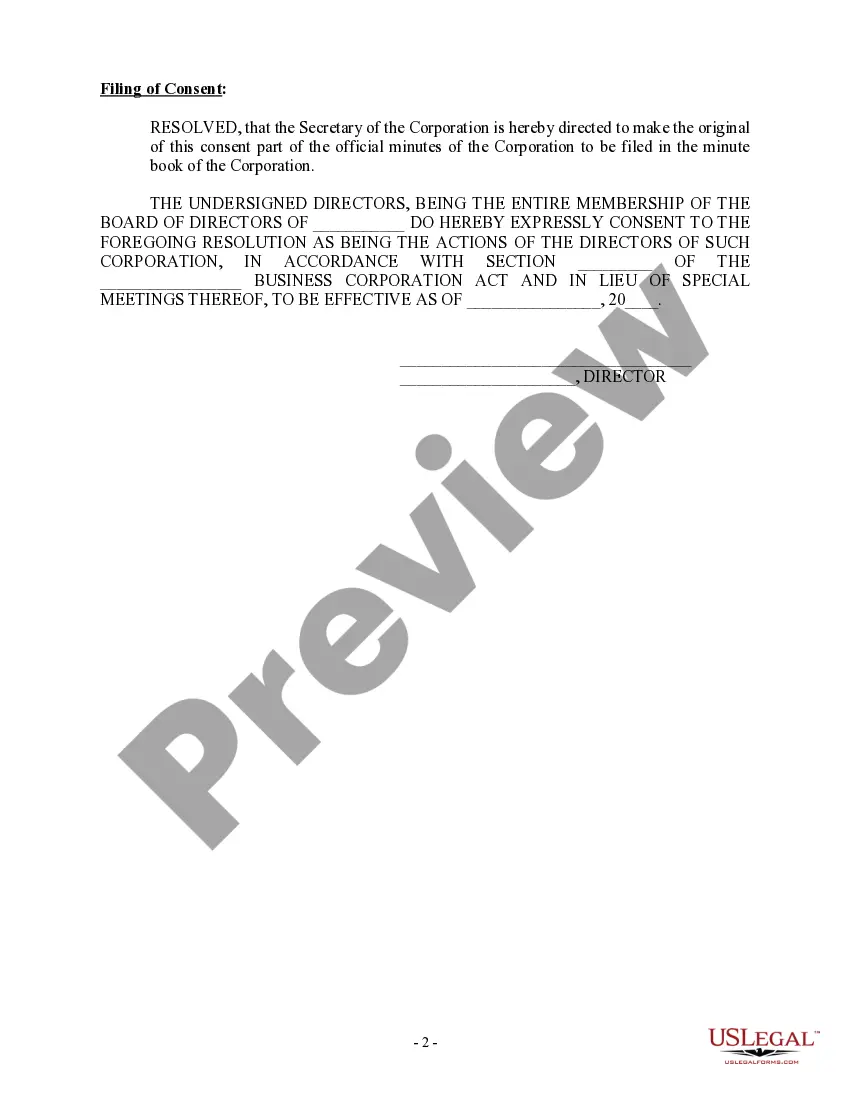
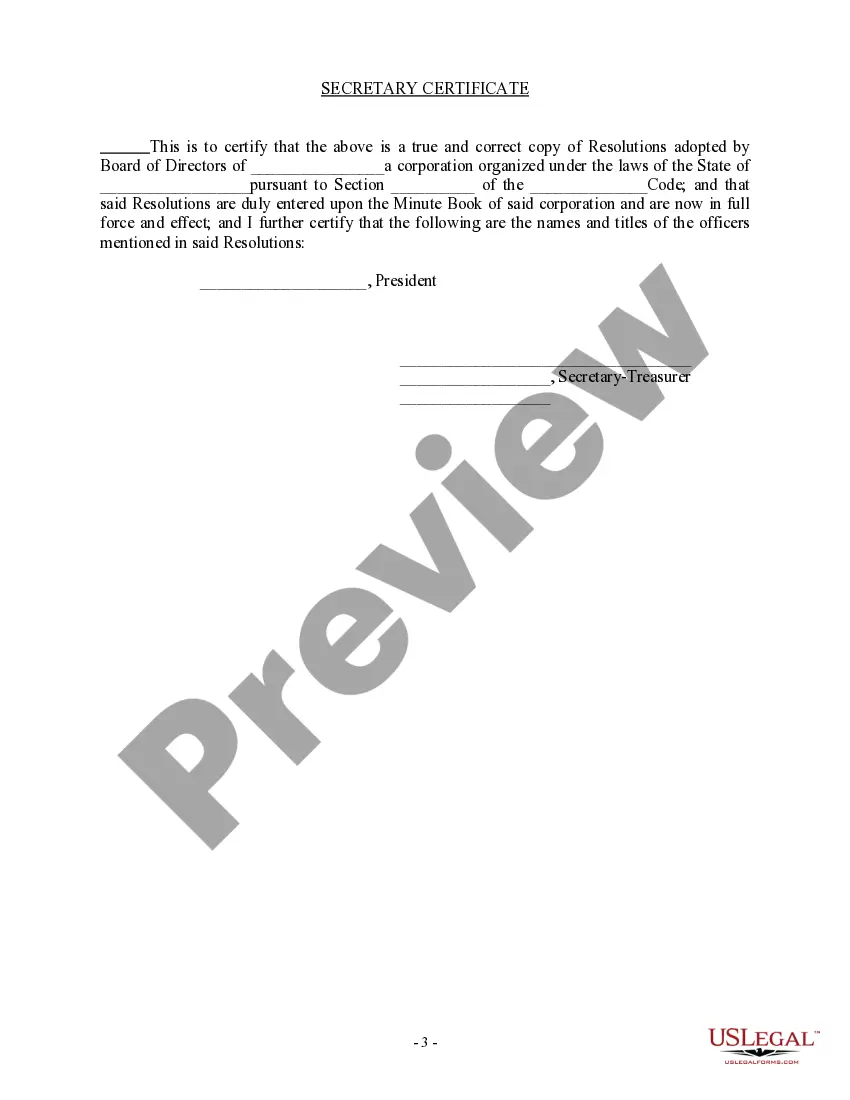
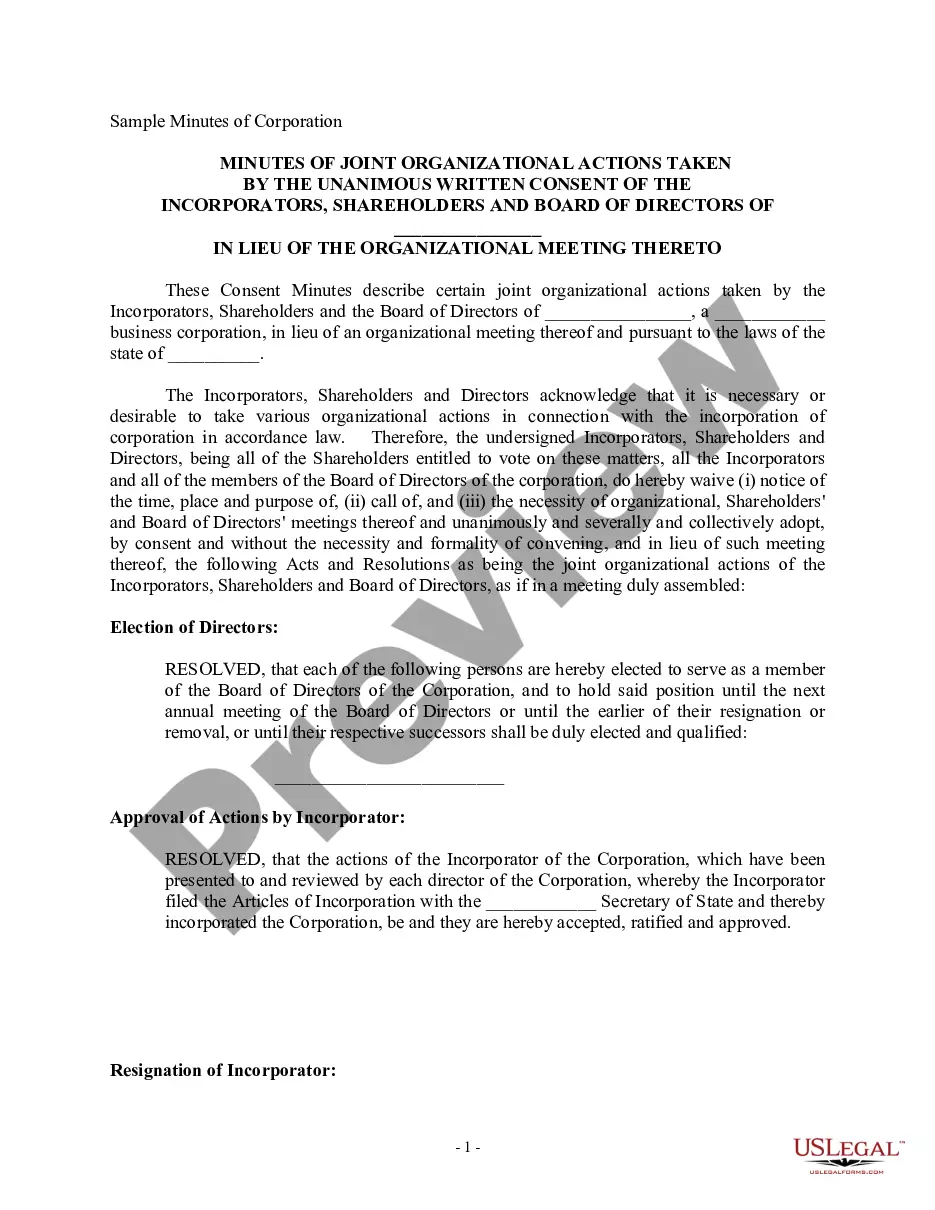
Get your form ready online
Our built-in tools help you complete, sign, share, and store your documents in one place.
Make edits, fill in missing information, and update formatting in US Legal Forms—just like you would in MS Word.
Download a copy, print it, send it by email, or mail it via USPS—whatever works best for your next step.
Sign and collect signatures with our SignNow integration. Send to multiple recipients, set reminders, and more. Go Premium to unlock E-Sign.
If this form requires notarization, complete it online through a secure video call—no need to meet a notary in person or wait for an appointment.
We protect your documents and personal data by following strict security and privacy standards.

Make edits, fill in missing information, and update formatting in US Legal Forms—just like you would in MS Word.

Download a copy, print it, send it by email, or mail it via USPS—whatever works best for your next step.

Sign and collect signatures with our SignNow integration. Send to multiple recipients, set reminders, and more. Go Premium to unlock E-Sign.

If this form requires notarization, complete it online through a secure video call—no need to meet a notary in person or wait for an appointment.

We protect your documents and personal data by following strict security and privacy standards.
Looking for another form?


Form popularity
FAQ
For those dreaming of living in a commercial space, zoning is key. If your commercial property is in a commercial-only zone, it's illegal to live there. However, mixed-use zoning districts may allow for both residential and commercial purposes, making it possible to live where you work.
Commercial properties involve tenants that are businesses or multifamily apartments with five or more units. Residential properties are those where people live, such as single-family homes, duplexes, triplexes, or apartment buildings with four or fewer units.
Yes, commercial properties may be converted into residential spaces or “artist lofts” in specified areas of Manhattan, Brooklyn, and Queens. Of course, you must adhere to the city's zoning law and building codes when converting from commercial use to residential.
The answer, thankfully, is no. At least in most cases. If you've outfitted your spare room with a desk and a comfy office chair, then you shouldn't run into any issues. However, there are some circumstances where planning permission is required.
Commercial property consists of buildings and lots that are designed for use by businesses, rather than as living spaces. Commercial property usually includes things like restaurants, retail stores and shopping centers.
Top 20 U.S. Banks by Assets: Commercial Property Exposure BankTotal AssetsTotal Commercial Real Estate Loans JPMorgan Chase & Co. $3.9T $171B Corp $3.2T $76B Citigroup Inc. $2.2T $37B Wells Fargo & Company $1.9T $145B16 more rows •
Mortgages should be recorded in the Office of the County Clerk of the county in which the real property being mortgaged is located. When recording a mortgage, it is your lender's responsibility to take the proper steps to ensure that the document meets all of the legal requirements for recording.
The tax is collected by the Office of the City Register for properties in Manhattan, the Bronx, Brooklyn and Queens using ACRIS. For properties on Staten Island it is collected in person by the Richmond County Clerk.
The revised Form MT-15, Mortgage Recording Tax Return, is now available. New York State imposes a tax on the privilege of recording a mortgage on real property located within the state. In addition, New York City, Yonkers, and various counties impose local taxes on mortgages that are recorded in those jurisdictions.
