Corporation Corporate Officer For Llc In Wayne
Description

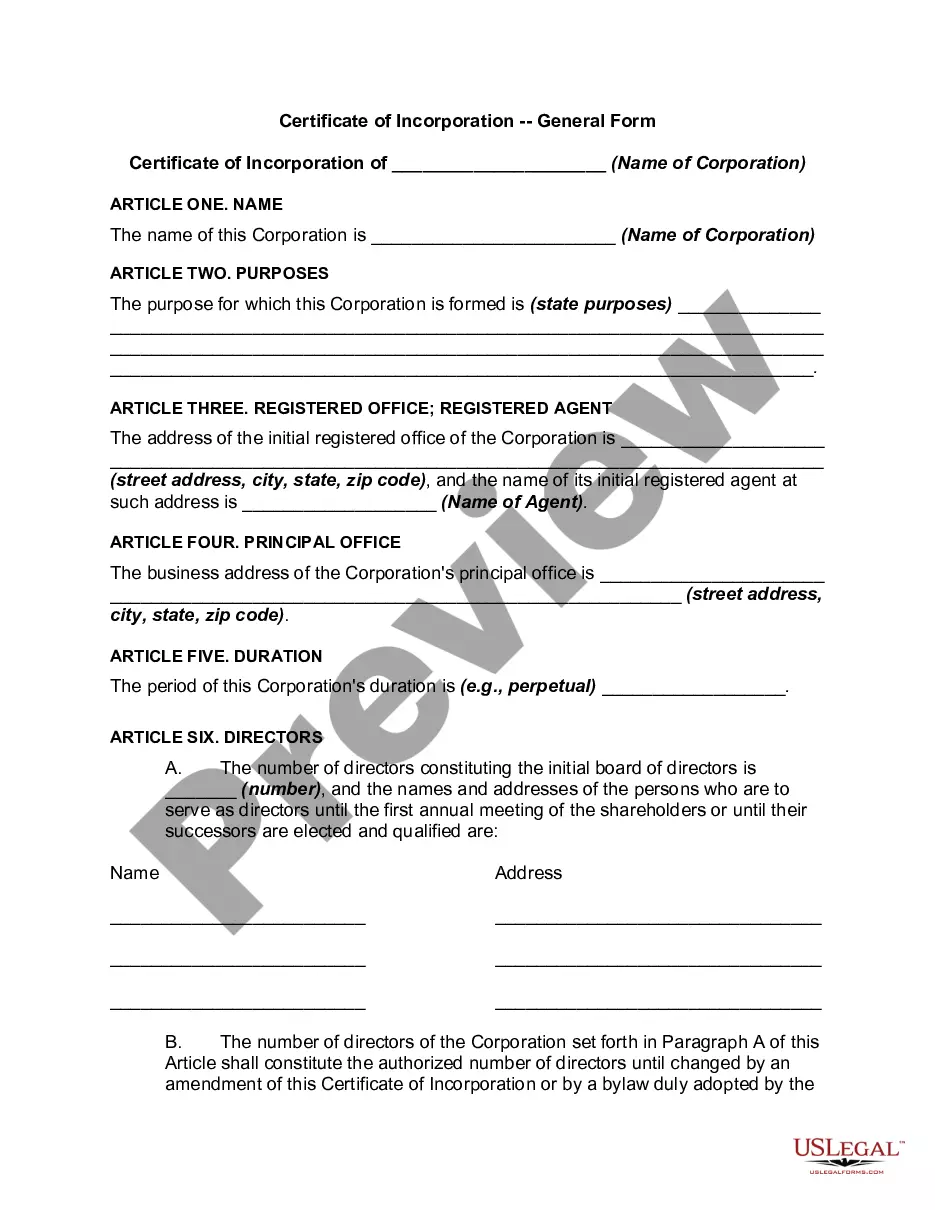
Get your form ready online
Our built-in tools help you complete, sign, share, and store your documents in one place.
Make edits, fill in missing information, and update formatting in US Legal Forms—just like you would in MS Word.
Download a copy, print it, send it by email, or mail it via USPS—whatever works best for your next step.
Sign and collect signatures with our SignNow integration. Send to multiple recipients, set reminders, and more. Go Premium to unlock E-Sign.
If this form requires notarization, complete it online through a secure video call—no need to meet a notary in person or wait for an appointment.
We protect your documents and personal data by following strict security and privacy standards.

Make edits, fill in missing information, and update formatting in US Legal Forms—just like you would in MS Word.

Download a copy, print it, send it by email, or mail it via USPS—whatever works best for your next step.

Sign and collect signatures with our SignNow integration. Send to multiple recipients, set reminders, and more. Go Premium to unlock E-Sign.

If this form requires notarization, complete it online through a secure video call—no need to meet a notary in person or wait for an appointment.

We protect your documents and personal data by following strict security and privacy standards.
Looking for another form?


Form popularity
FAQ
LLC Members can assign any titles they prefer to Managers or Managing-Members. While “President” is the most popular title for an LLC's top manager, “CEO” is another option that can be held by an LLC Member if they wish.
LLC Managers — An LLC manager could be an individual, group, or business entity. Managers are responsible for running the day-to-day operations of the business. Managers may be members, or they might not have any ownership stake in the LLC.
Limited liability companies are typically run by a sole member or some or all of its members. However, sometimes it is best for a limited liability company (LLC) to be managed by a third party nonmember manager.
Some choices for a single-member LLC title are “Owner,” “President,” or “CEO” (Chief Executive Officer). For multi-member LLCs, you might use other corporate titles for LLC owners. These titles can include a COO (Chief Operating Officer) and CFO (Chief Financial Officer).
As an LLC, your company may decide to appoint corporate officers, such as a president, vice president, or treasurer to handle certain jobs or tasks within the company.
Most states do not restrict ownership, so members may include individuals, corporations, other LLCs and foreign entities. There is no maximum number of members. Most states also permit “single-member” LLCs, those having only one owner.
Although state laws vary concerning LLC formation, generally, LLC owners—also called members—may choose the type of leadership structure they wish to employ for the business. Your LLC isn't required by law to have a board of directors and named officers such as a president and treasurer.
Managers can be other LLCs and corporations, as well as individuals. Typically, certain decisions, such as merger or dissolving the company, by law cannot be delegated to managers and must be voted on by the owning members who hold voting rights. The voting owners of the LLC retain ultimate control of it always.
The 7 steps of creating an LLC Choose your business name. Designate a registered agent. Determine your LLC's management structure. Prepare an LLC operating agreement. File your articles of organization. Get an EIN and business bank account. Obtain business licenses and permits. Get LLC-specific tax advice.
